All EOS blogs All Spain blogs  Start your own blog Start your own blog 

Max Abroad : The Best of Spain

Quite simply writing about the best things Spain has to offer and anything that might crop up along the way. Spain is a lot more than just sun, sand and sea...

Home to the First Europeans - Burgos
Friday, August 21, 2026

                                
The province of Burgos, with its present borders, dates back to the mid-19th century, and its capital, the City of Burgos, to the year 884 when it was founded by Count Diego Rodríguez Porcelos due to the population migrating down from the mountains in the north to the plains of the northern Meseta (central plateau). But the history of this area, and especially its pre-history, extends much further back…

Human activity has left a deep and indelible mark on the province of Burgos. The most outstanding page from the past of Burgos must be sought in the hominid sites of Sierra de Atapuerca, where remains from over one million years ago have appeared of what has been considered as the first European. The excavations at Sierra de Atapuerca have permitted the modern world to rewrite the history of Europe and to know how we have evolved for millions of years. So far, they have found five different species: Homo Sp. (still to be determined, 1,200,000 years), Homo Ancestors (850,000 years), Homo Heidelbergensis (500,000 years), Homo Neanderthalenis (50,000 years,) and, of course, Homo Sapiens (us). The sanctuaries of cave paintings of Ojo Guareña; the dolmen group of Las Loras; the copious forts and necropolis of the Iron Age; the Roman town of Clunia and a considerable series of high-mediaeval necropolis and hermitages in La Demanda and Las Merindades are also of great importance to the province.


Burgos is a territory where the historical origins of Castile were gestated and where the Castilian language was born, it is a province sown with incomparable and extremely beautiful samples of the cultural and artistic heritage. Its varied regions and towns are studded with churches, hermitages, monasteries, palaces, towers and castles from all times and styles. All of these remains are the unmistakable testimony of a dense and almost incomparable history. Few territories can boast such variety, quantity and quality of monuments.


The landscape of the province of Burgos radically breaks with the cliché that identifies Castile with an enormous and arid plateau. Mountains and plains form a relief where the strong contrast of its elements stand out. An enormous mosaic of ecosystems and natural landscapes, the ideal place to forget about the stress of busy town life and escape from the southern sweltering heat in summer and let yourself be carried away by the murmur of the water and wind.

The Province of Burgos is the centrepiece of the path traced by the Road to Santiago on the Iberian Peninsula. The strategic geographic placement of the Province of Burgos made it a necessary zone of transit for the millions of European pilgrims who made their way towards the Tomb of Santiago the Apostle from their home countries.

Over the course of the nearly 114 kilometres that cross its territory can be found an impressive collection of cultural landmarks. Its principal points of interest include Redecilla del Camino, Belorado, Villafranca Montes de Oca, San Juan de Ortega, the city of Burgos, San Antón and Castrogeriz.

Rodrigo Díaz de Vivar, known as “El Cid” Campeador, is Burgos' most universal figure. When examining the life of El Cid, a distinction must be drawn between two figures: the historic figure, about which there is a fair amount of information, and the literary figure created by the Poema de Mío Cid and by the Romancero. The historic El Cid was born around 1048. According to tradition, he was born in the nearby town of Vivar del Cid, though there is no reliable testimony. In his youth, he developed a friendship with the future king Sancho II, of whom he was a faithful vassal from 1065 to 1072. Upon the king's death, he immediately entered the service of Alfonso VI, and carried out different missions under the orders of the monarch. His good relationship with the king ended in 1081 when he attacked the Muslim lands of Toledo with his private army and without the consent of the King. The incident sent him into exile, which forced him to live off his military skills in foreign lands, first under the Muslim king of the taifa of Zaragoza, and following his reconciliation with Alfonso VI in 1087 and after several months of direct service to his king in Castile, in Levante where he spent the last twelve years of his life, first as the delegate of the Castilian king, and after being taken prisoner in 1088, in a second exile, as an independent warrior and prince of the Muslim kingdom of Valencia, in whose capital he died in 1099. A memorial statue of El Cid can be found in the centre of The City of Burgos.


One of the City of Burgos’ most important monuments is the Cathedral of Santa Maria. Built on the location of the original Romanesque cathedral, the first stone was laid in 1221 by King Ferdinand III and Bishop Don Mauricio. The main façade has the Royal Gate, also known as the Gate of Pardon, which was refurbished in the 18th century, and a large rose window and gallery with 8 statues of the monarchs of Castile beneath the statue of the Virgin Mary and the inscription “Pulcra es et Decora”. On both sides are the 84-metre towers crowned with slender spires from the 15th century, by Juan de Colonia. The tympanum of the Sarmental Gate, from the 13th century, shows Christ the healer with the four evangelists and, on a ledge below, the twelve apostles, with monarchs and musicians.

The mullion shows Bishop Don Mauricio with prophets and apostles to the sides. Above it, a beautiful rose window. The Coronería Gate, also known as that of the Apostles, is Gothic and shows Christ the Judge between Our Lady and St. John and, to the sides, a complex and majestic apostolate. The Pellejería Gate was built in 1516 by Francisco de Colonia. Above the transept is the dome, which was built in the 16th century and involved work by the masters Felipe de Vigarny and Juan de Vallejo. The chapel of El Condestable was built at the upper end by Simón de Colonia in the 15th century. It boasts a magnificent decoration of coats of arms and slender spires that form, together with those of the transept and those of the towers, an inimitable forest of stone with a wealth of statues and filigree work.


But Burgos isn’t just about monuments; with so much history it is hardly surprising that it is also a centre for gastronomy.  Several of the dishes and preparations of the Burgos cuisine have gone beyond the provincial limits and have become the stars of the national culinary art. Suckling lamb roasted in a wood oven, rice black pudding and the fresh cheese from Burgos are the most well-known.


But it doesn’t stop there, it also happens to be one of the most respected wine regions in Spain as if falls at the banks of the River Duero and accounts for a large part of the denomination Ribera del Duero. The Ribera del Duero does not extend all the way along the banks of the River Duero (as its name suggests). The wines come from a specific area where nature is unique and the land is very special. 

The lands included in the Ribera del Duero Designation are located on Spain`s northern plateau. Four of the provinces of the Autonomous Community of Castile & León come together in the Ribera del Duero: Burgos, Segovia, Soria and Valladolid.

The River Duero is the axis uniting more than 100 villages spread out over a wine growing belt which is some 115 Km long by 35 Km wide, of which 60 villages fall into the province of Burgos.

Spain’s most notable winery, Vega Sicilia is from this region and was established in 1864, but it wasn’t until the 1970’s that the region really took off internationally when the bodega Pesquera was founded and  started to make red wines from Tempranillo in a more concentrated, full-bodied and fruit-driven style than most Rioja wines of the day, which were then virtually the only Spanish red wines found on export markets. Other prestigious bodegas are Emilio Moro, Protos, Arzuaga amongst others.


Burgos is a land to enjoy with all the senses. The popular heritage treasured for centuries by the inhabitants of the province and of which its rich traditions and legends are a good example, its almost never-ending songs and its festivities and pilgrimages have left an incomparable trace, which confers upon the people of Burgos a unique and singular character and seasonal climate, a perfect synthesis between the European mildness and the Mediterranean luminosity.


Ver mapa más grande

BEST TIME TO VISIT:  

Any time of year, but in winter it does get very cold and frequently snows, so for em the best time of year is Spring or Summer.


Like 1        Published at 12:18 PM   Comments (0)


What are the most relevant tourist attractions in each Spanish province?
Friday, August 7, 2026

Holidays at last! "Where are we going this year?" This is the question that thousands of tourists ask themselves before looking for a destination. Many aspects influence this search. Spain is a country where you can find endless tourist attractions to visit in each city. These are often closer to home than expected and can be enjoyed on a simple day trip.

Therefore, if you are looking for a town or city, it is important to look at what you can visit. Natural parks or cathedrals? Monuments or squares? City or rural areas? The website Musement released an interesting study...

The website dedicated to booking activities and experiences has analysed the number of Google reviews of more than 4,500 places of interest in Spain and thus produced a report of the 52 most important points in the country according to the province.

What are the most popular?

The colours of the map allow you to clearly identify which elements make up these points of interest. From cathedrals like the one in León to theme parks like Portaventura in Tarragona, each province has very different places that help to choose the perfect destination for each traveller.
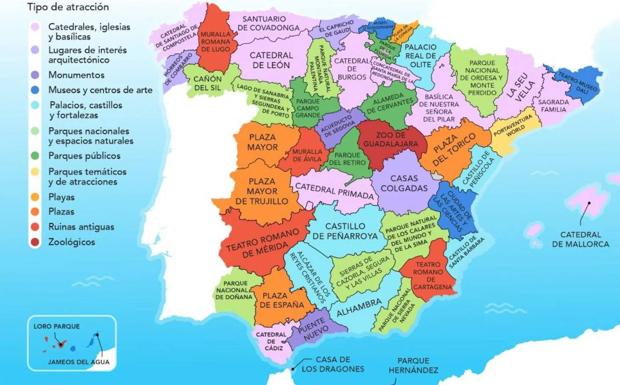


According to the study data, the most reviewed monument in the country is the Sagrada Familia in Barcelona, which has more than 155,000 evaluations. It is closely followed by the Retiro Park in Madrid with 130,000 reviews and in third place the Plaza de España in Seville with 98,227. After the Top 3, the other two distinctive elements that stand out are the Ciudad de Los Arts y Los Ciencias of València, and the Alhambra in Granada with 86,985 and 80,644 reviews respectively. After the selection of the most reviewed, these are the tourist attractions that stand out the most by province according to the number of reviews:


Andalucía
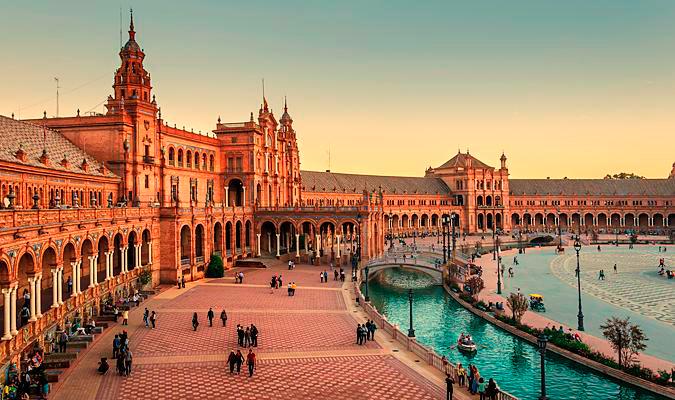
1º Plaza de España (Sevilla), 98.227 reviews.

2º La Alhambra (Granada), 80.644 reviews

3º Puente Nuevo de Ronda - Ronda Bridge (Málaga), 23.750 reviews

4º Alcázar de los Reyes Cristianos (Córdoba), 22.403 reviews

5º Cathedral of Cádiz (Cádiz), 16.574 reviews

6º National Park of Sierra Nevada (Almería), 14.721 reviews

7º National Park of Doñana (Huelva), 10.016 reviews

8º Nature Park of las Sierras de Cazorla, Segura y las Villas (Jaén), 9.580 reviews


Aragón
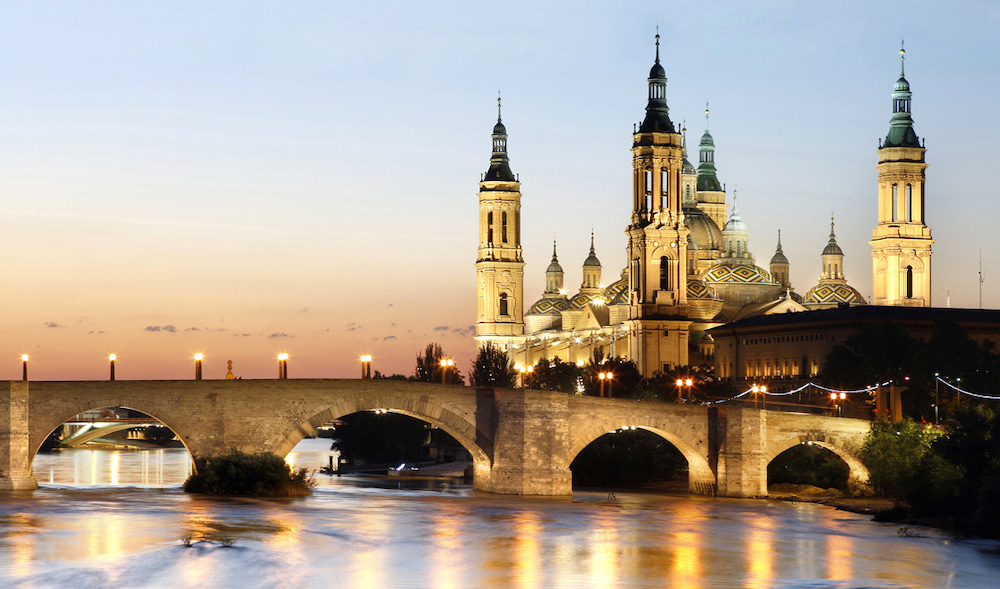
1º Basílica de Nuestra Señora del Pilar (Zaragoza), 27.630 reviews

2º Plaza del Torico (Teruel), 10.211 reviews

3º National Park of Ordesa and Monte Perdido (Huesca), 8.811 reviews


Asturias

1º Sanctuary of Covadonga, 19.318 reviews


Balearic Islands
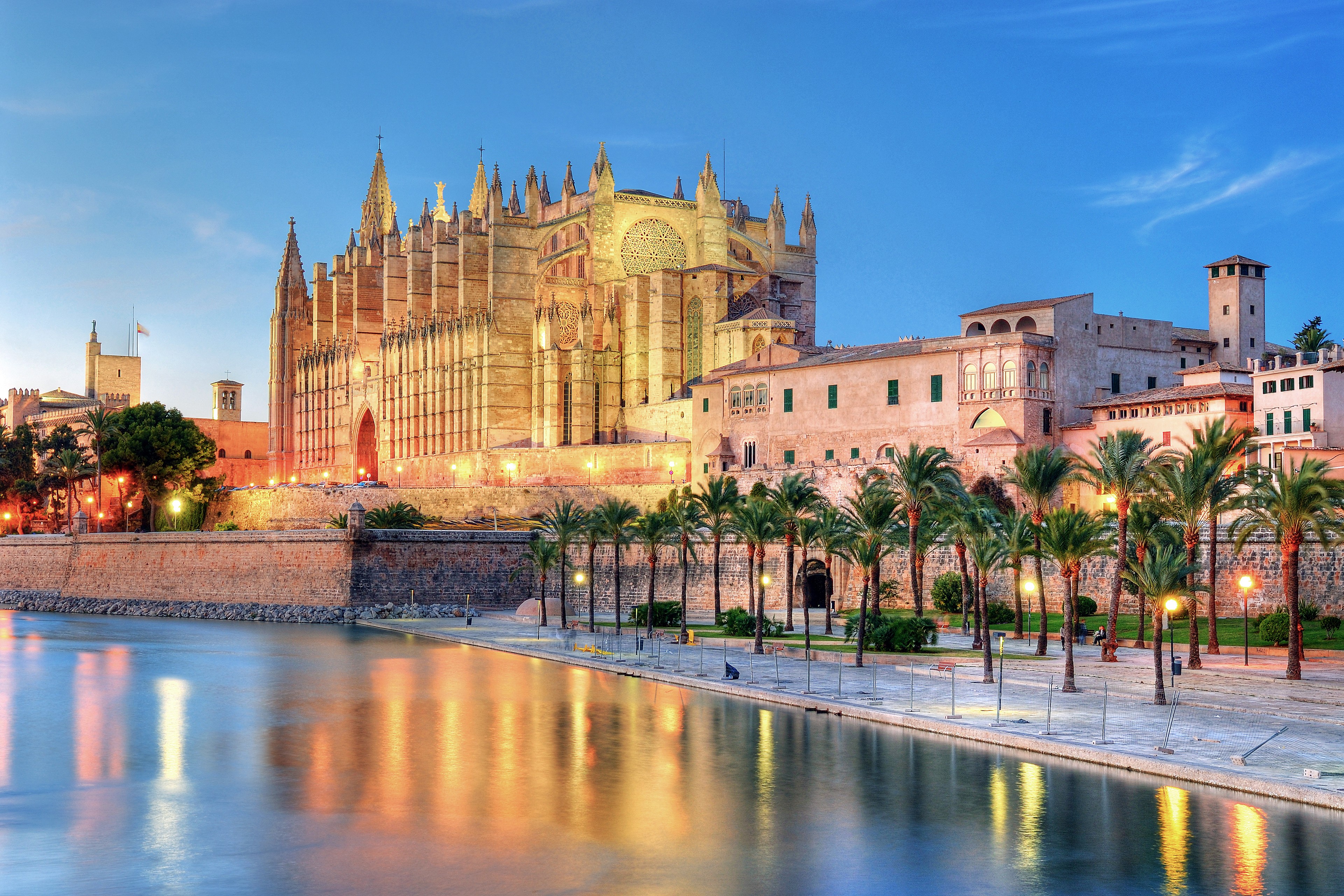
1º Cathedral of Palma de Mallorca, 33462 reviews


Canary Islands
1º Parrot Park (Santa Cruz de Tenerife), 51.920 reviews

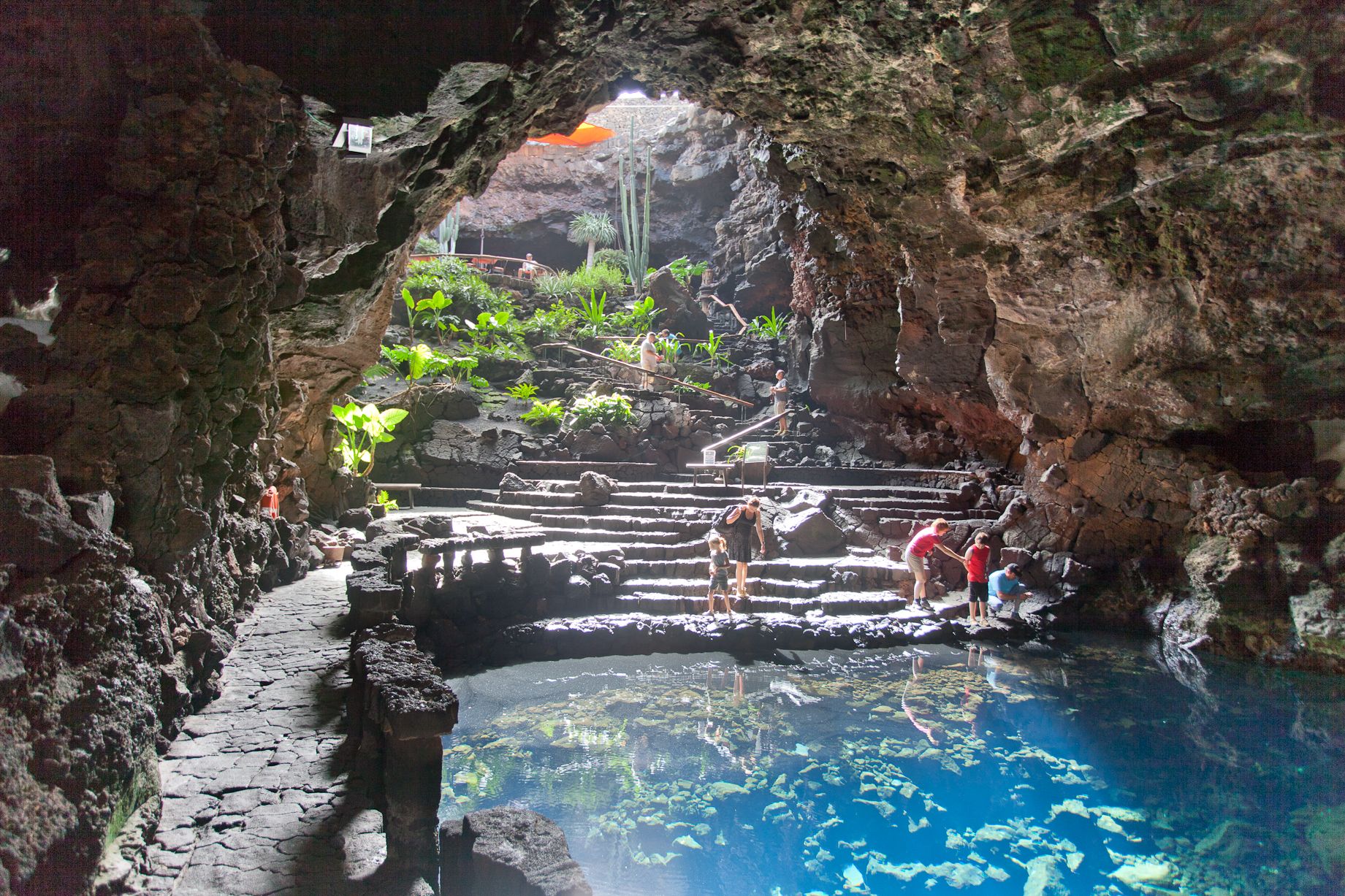
2º Jameos del Agua (Las Palmas), 22.617 reviews 


Cantabria
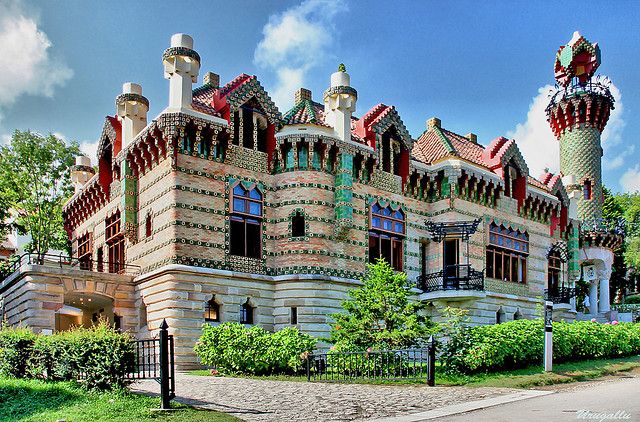
1º El Capricho de Gaudí, in Comillas, 18.725 reviews


Castilla & León
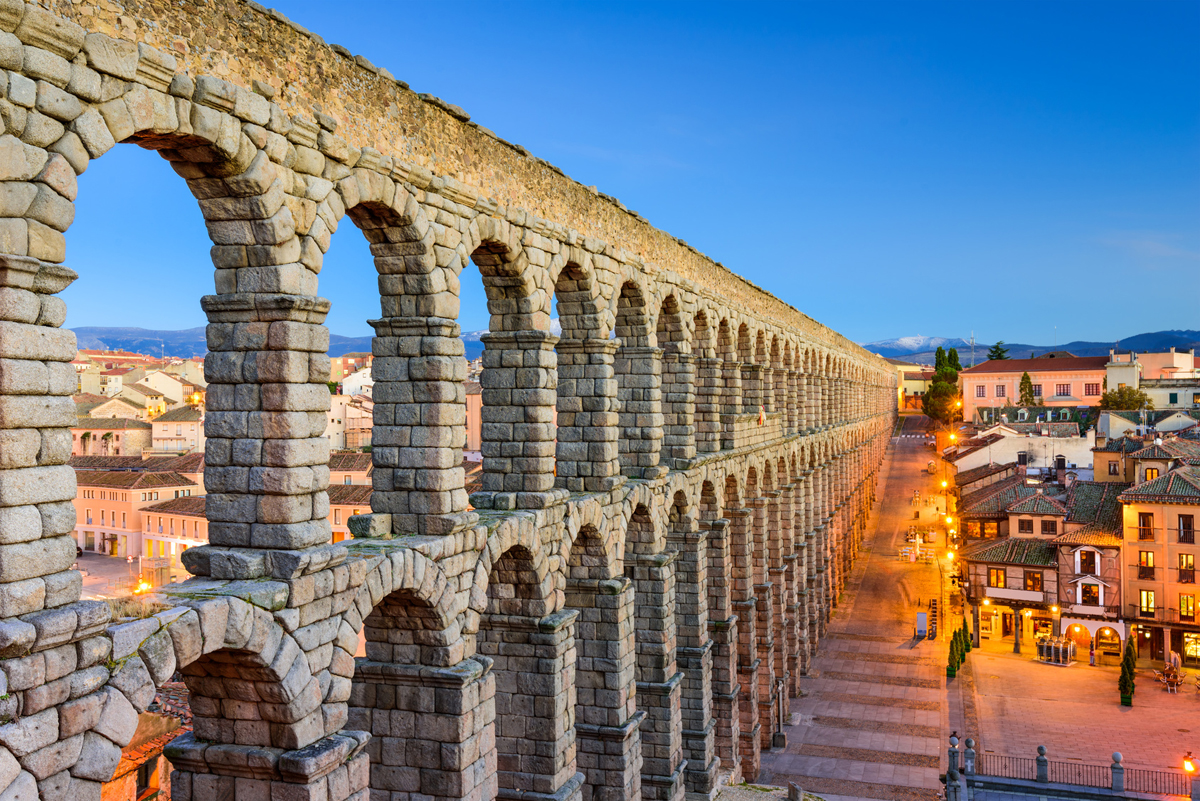
1º Aquaduct of Segovia (Segovia), 62.407 reviews

2º Plaza Mayor (Salamanca), 46.415 reviews

3º Cathedral of León (León), 22.762 reviews

4º Cathedral of Burgos (Burgos), 20.421 reviews

5º Park Campo Grande (Valladolid), 9.265 reviews

6º City wall of Ávila (Ávila), 7.498 reviews

7º Nature Park of "Lago de Sanabria" and "Sierras Segundera and Porto" (Zamora), 7.470 reviews

8º Alameda de Cervantes (Soria), también conocida como La Dehesa, 5.516 reviews

9º Natural Park Montaña Palentina (Palencia), 2.128 reviews


Castilla - La Mancha
1º Cathedral Primada (Toledo), 19.890 reviews

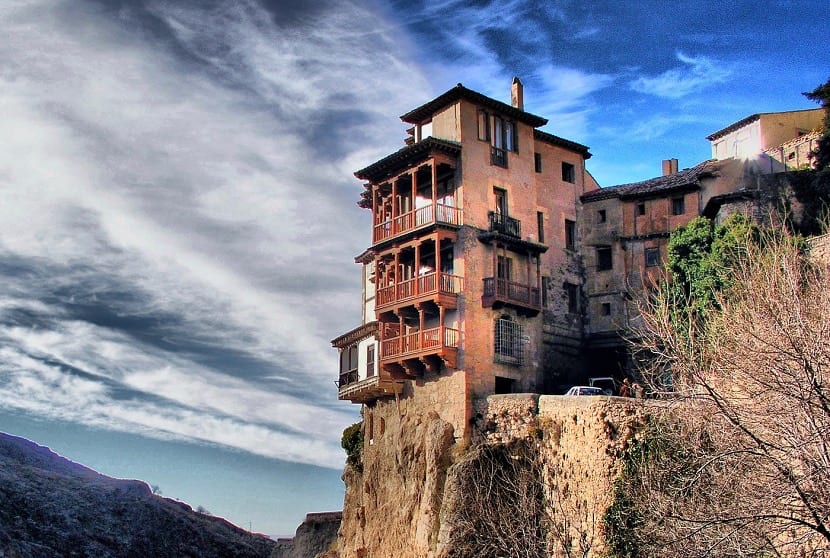
2º Hanging Houses (Cuenca), 7.209 reviews

3º Nature Park Los Calares del Mundo y de la Sima (Albacete), 4.828 reviews

4º Castle of Peñarroya (Ciudad Real), 4.002 reviews

5º Zoo of Guadalajara (Guadalajara), 3.600 reviews


Catalunya
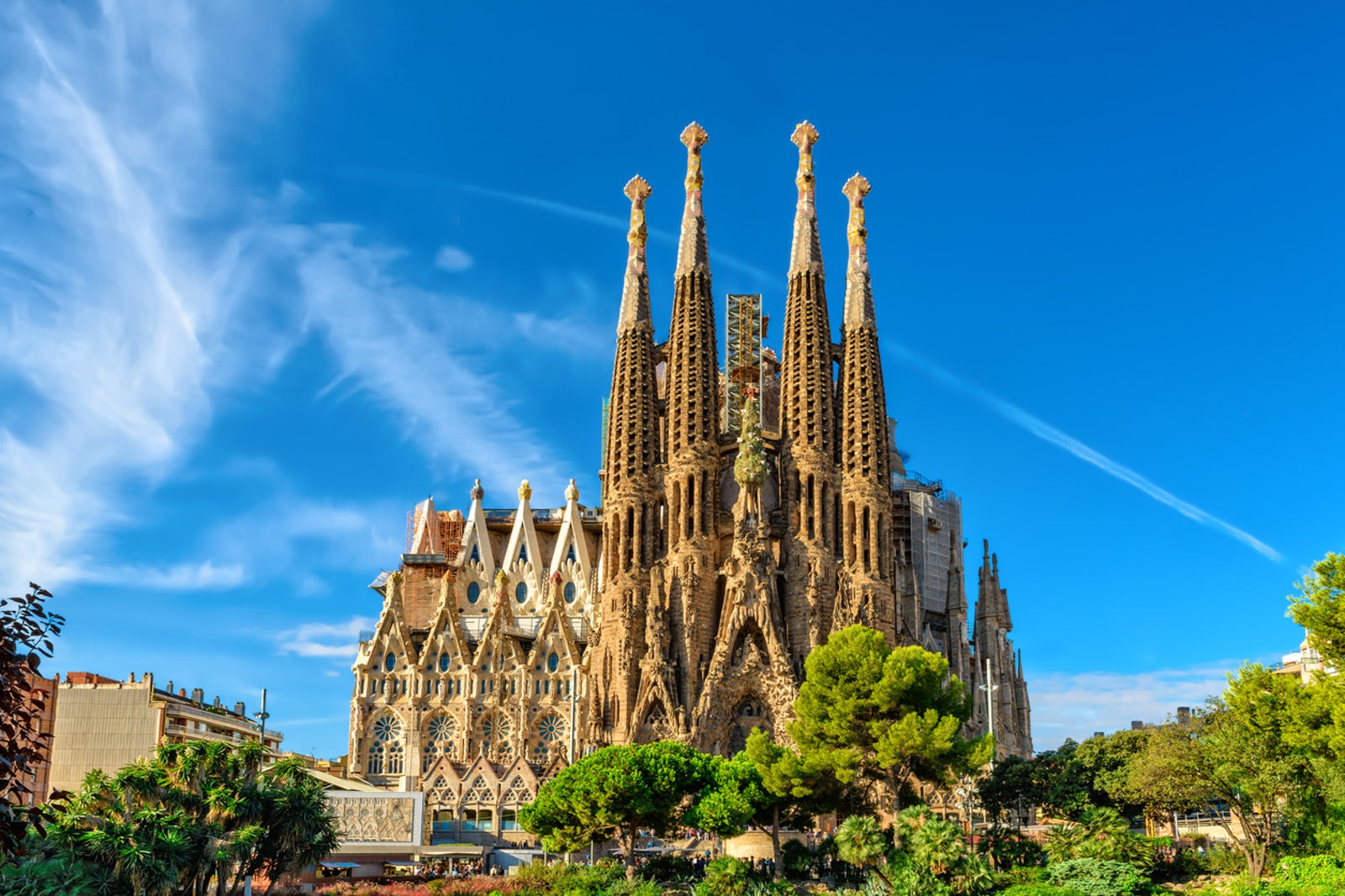
1º Sagrada Familia (Barcelona), 155.098 reviews

2º PortAventura World Theme Park (Tarragona), 69.841 reviews

3º Theatre- Museum Dalí (Gerona), 26.951 reviews

4º La Seu Vella (Lérida), 5.309 reviews


Madrid
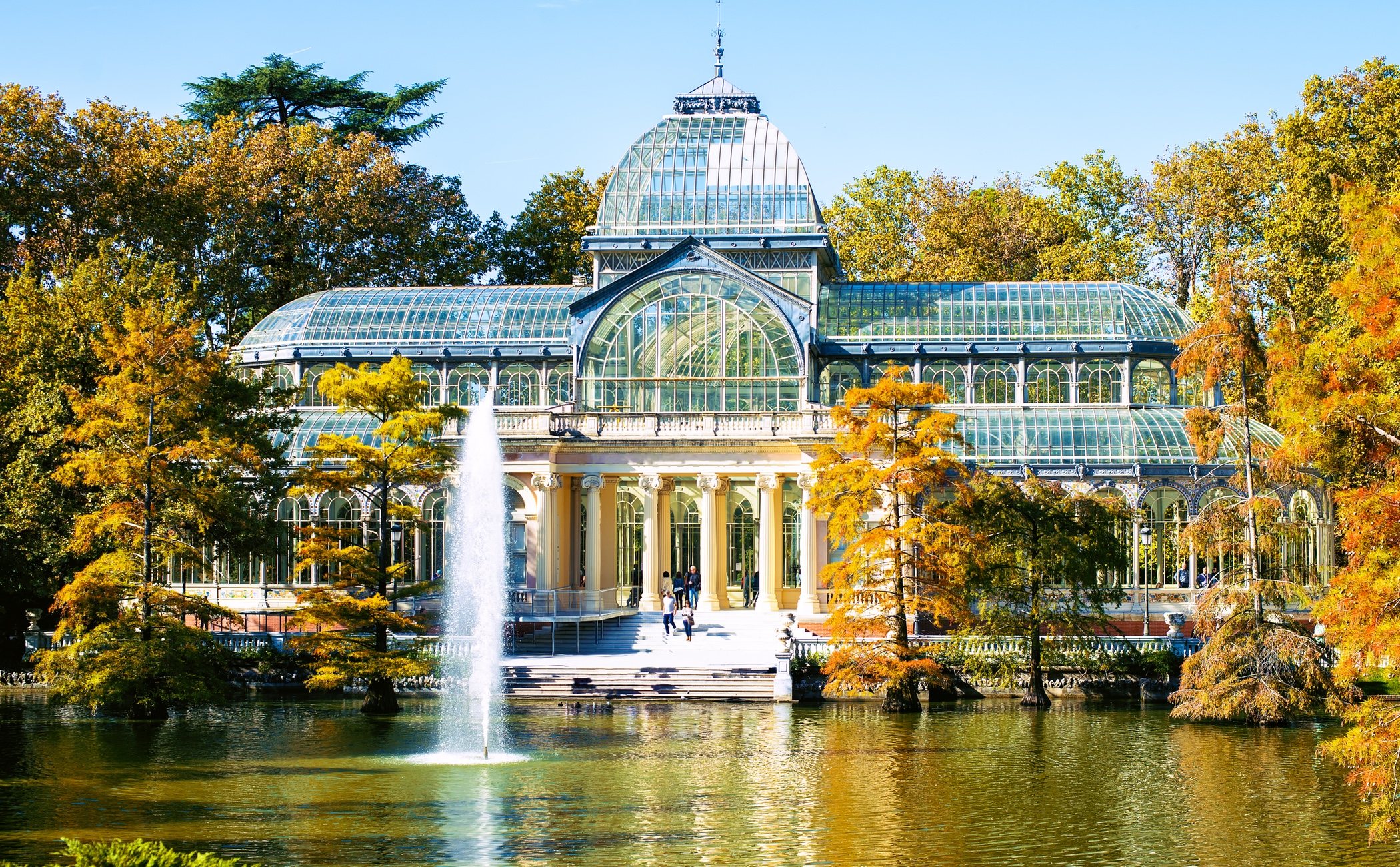
1º Parque del Retiro, 130.592 reviews


Valencian Community
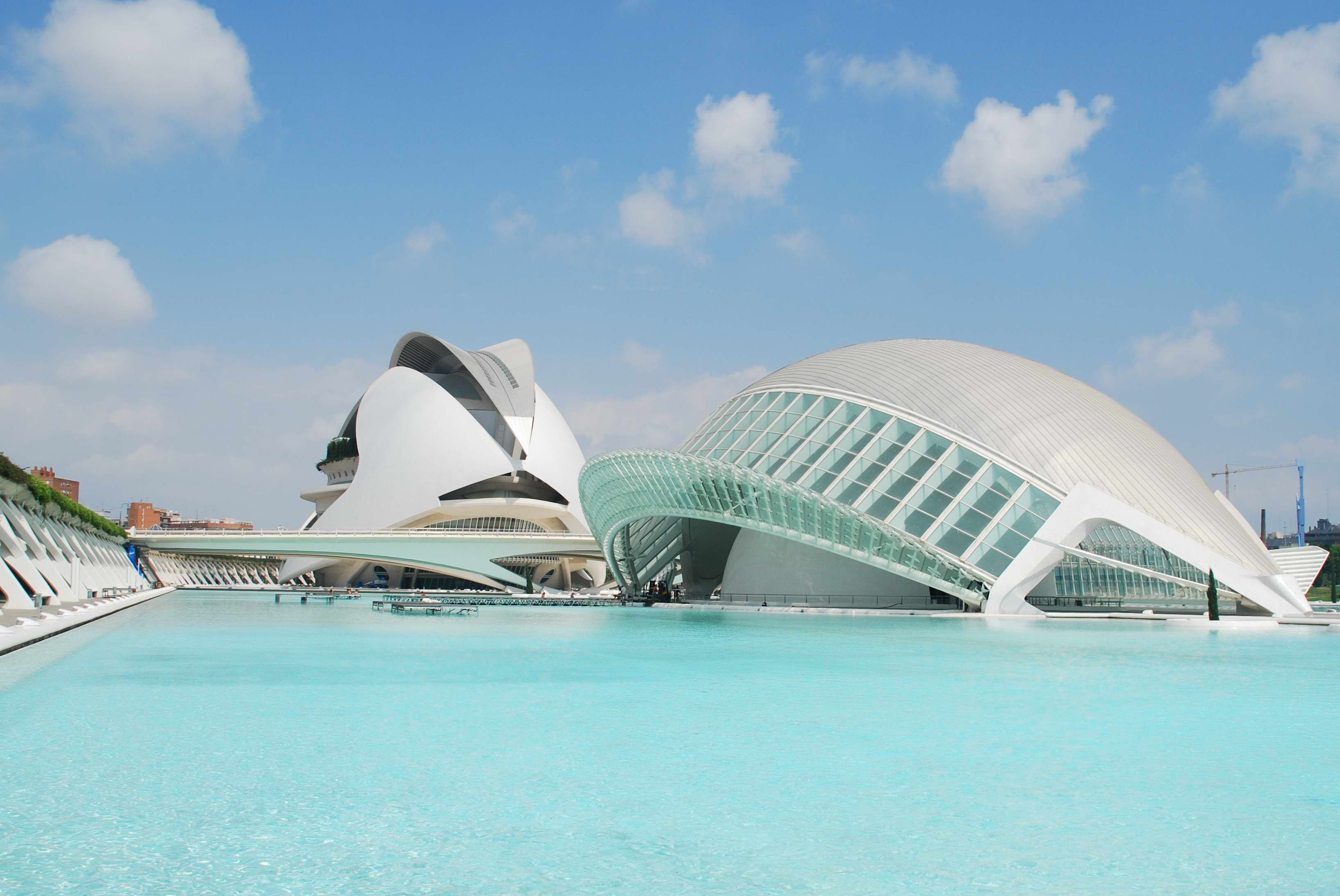
1º Ciudad de las Artes y las Ciencias (Valencia), 86.985 reviews

2º Castle of Peñíscola (Castellón), 38.850 reviews

3º Castle of Santa Bárbara (Alicante), 23.873 reviews


Extremadura
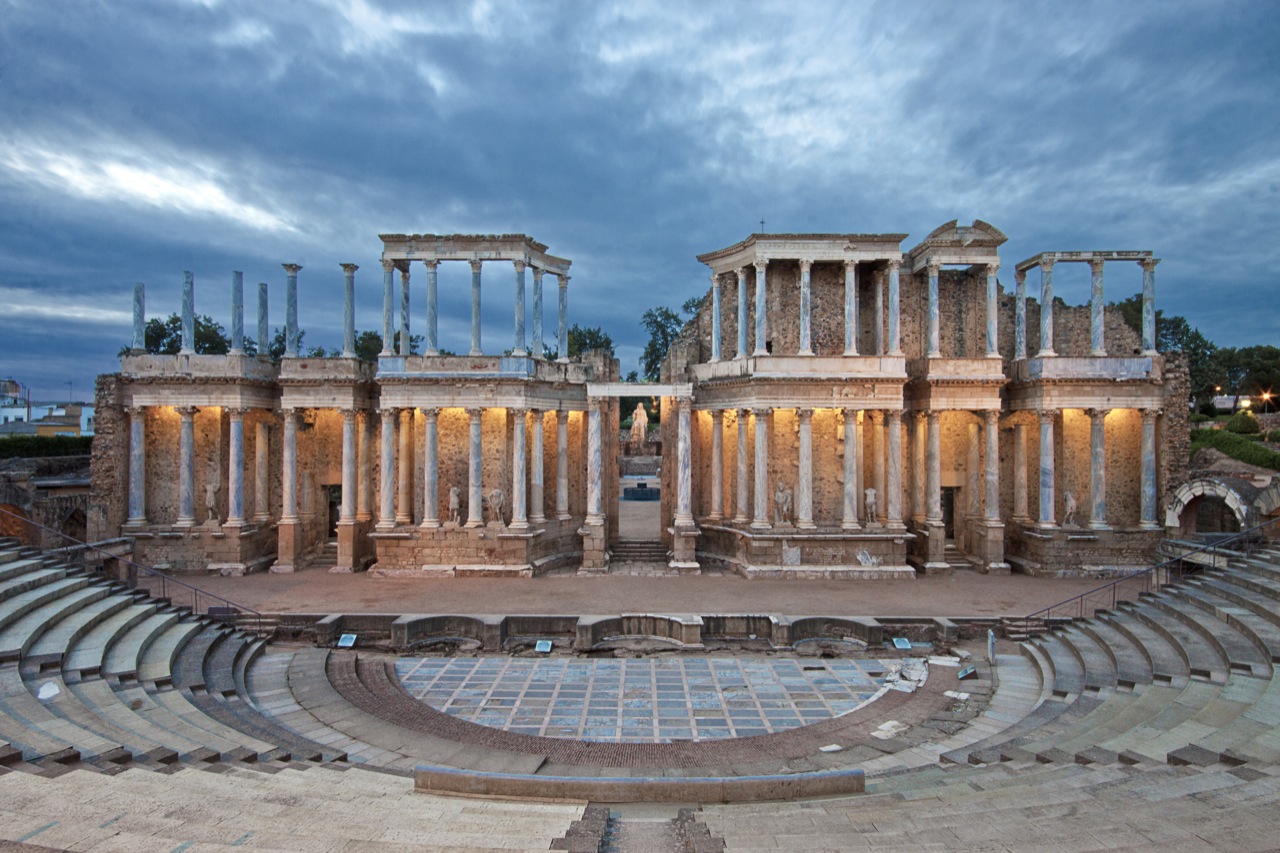
1º Roman Theatre of Mérida (Badajoz), 22.133 reviews

2º Plaza Mayor de Trujillo (Cáceres), 8.908 reviews


Galicia
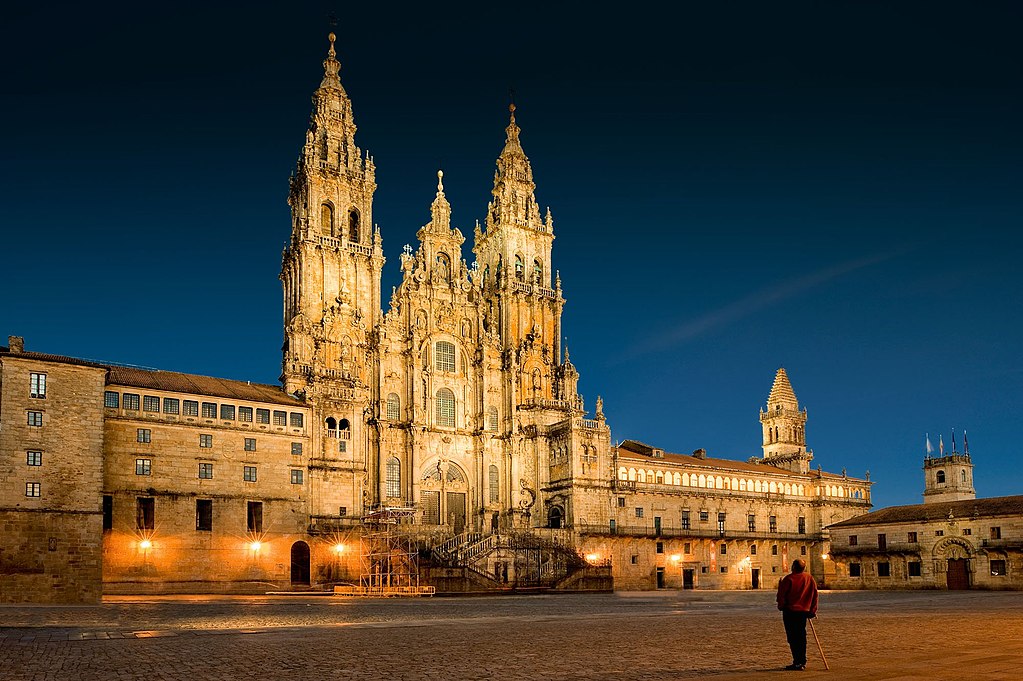
1º Cathedral of Santiago de Compostela (La Coruña), 42.573 reviews

2º Hórreos de Combarro (Pontevedra), 8.782 reviews

3º Roman City walls of Lugo (Lugo), 7.696 reviews

4º Cañón del Sil (Orense), 6.649 reviews


La Rioja
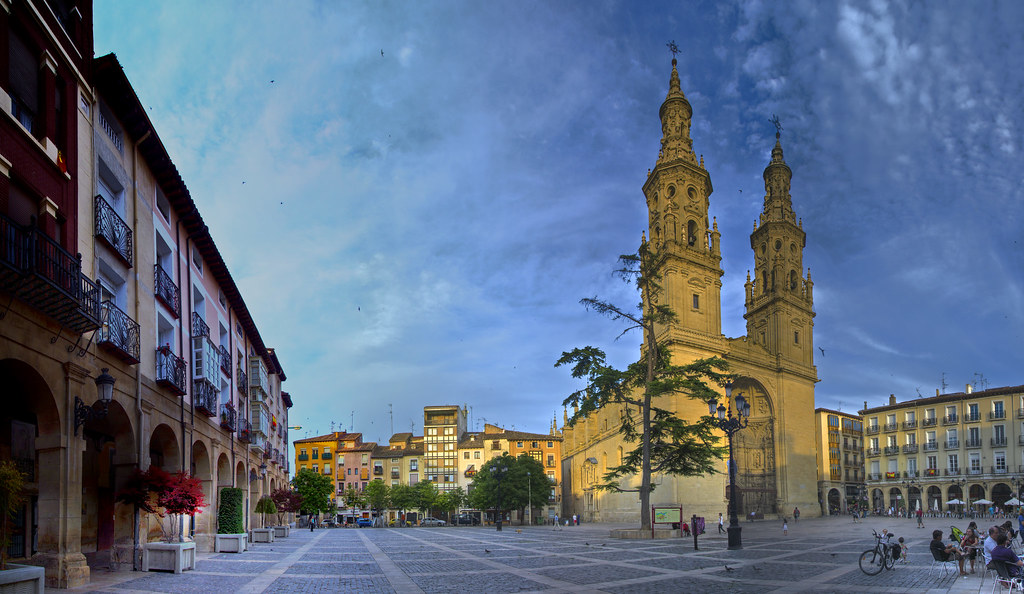

1º Cocathedral of Santa María de la Redonda, 4.164 reviews


Navarra
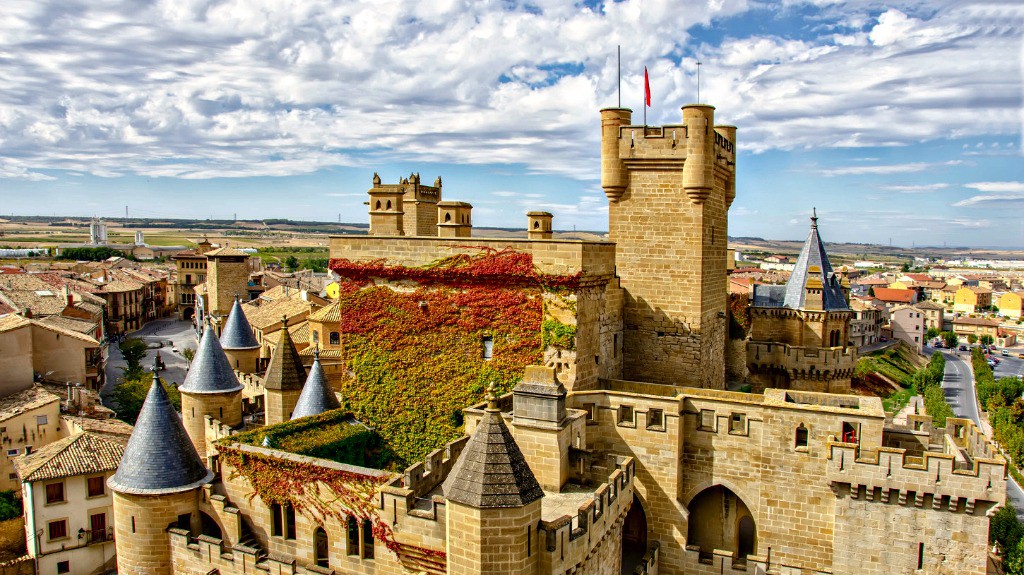

1º Royal Palace of Olite, 12.402 reviews


País Vasco
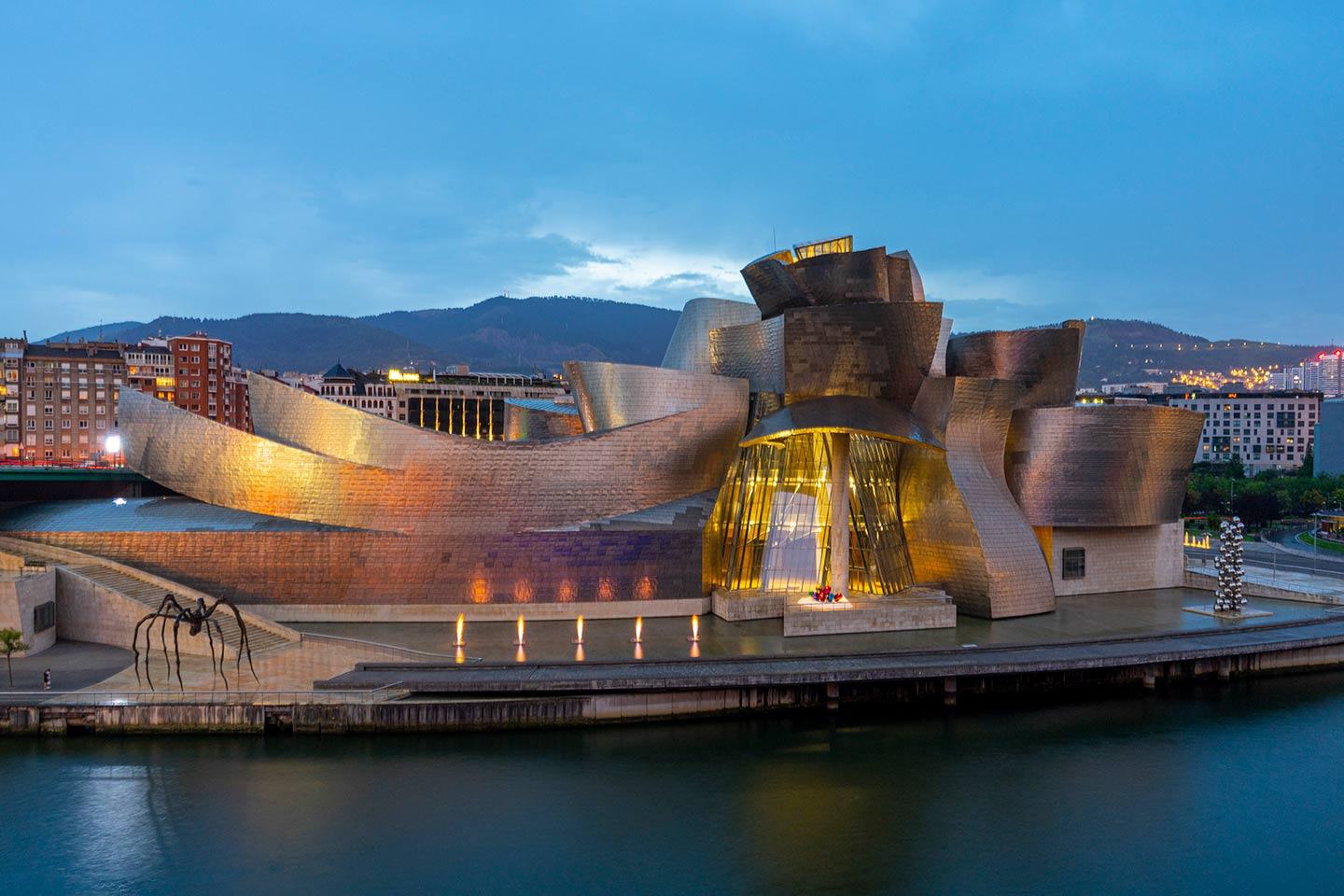

1º Museum Guggenheim (Vizcaya), 48.713 reviews

2º Beach of la Concha (Guipúzcoa), 19.870 reviews

3º La Florida Park (Álava), 4.914 review


Murcia
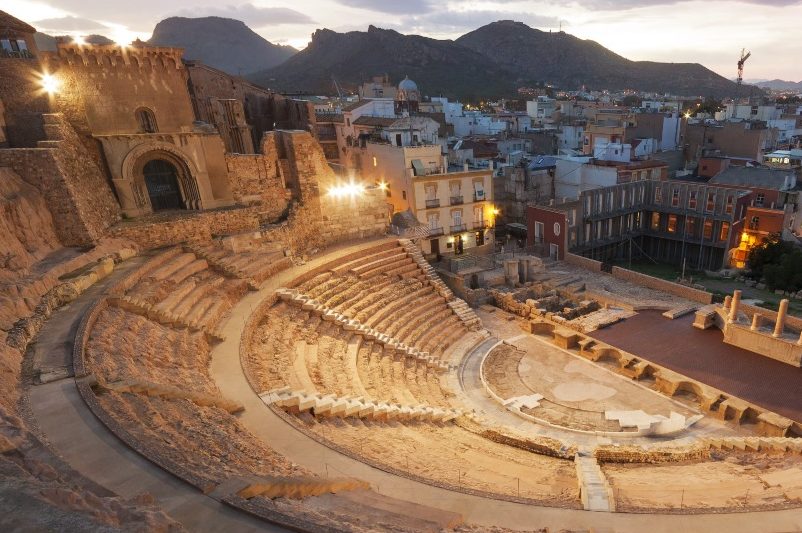

1º Roman theatre of Cartagena, 11.646 reviews.


Ceuta
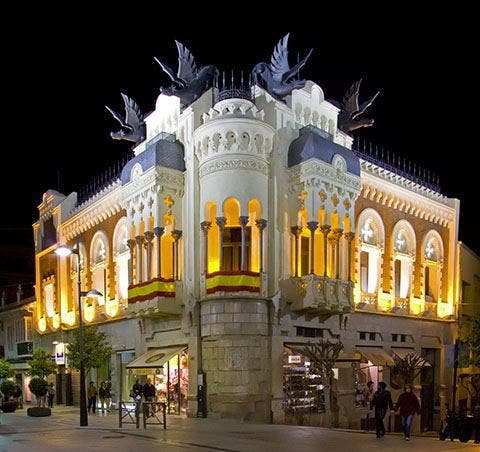

1º Casa de los Dragones, 1.320 reviews


Melilla
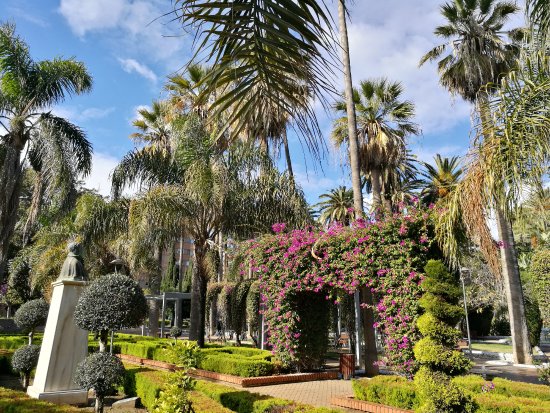

1º  Hernández Park, 994 reviews


Like 2        Published at 8:52 PM   Comments (0)


Spam post or Abuse? Please let us know


This site uses cookies. By continuing to browse you are agreeing to our use of cookies. More information here. x