For expats adjusting to the Spanish culinary rhythm, moving away from imported British baked beans and embracing local legumes is a rite of passage. If you take a stroll down the dried goods aisle of any Mercadona, Consum, or Carrefour, you will be met with a bewildering array of lentils. But there is one specific variety that stands head and shoulders above the rest for everyday home cooking: the Lenteja Pardina.
Known for its earthy flavour, nutritional punch, and—crucially—its incredibly fast cooking time, the pardina is the ultimate store-cupboard saviour. Here is everything you need to know about mastering this essential Spanish ingredient.
What Exactly is a Lenteja Pardina?
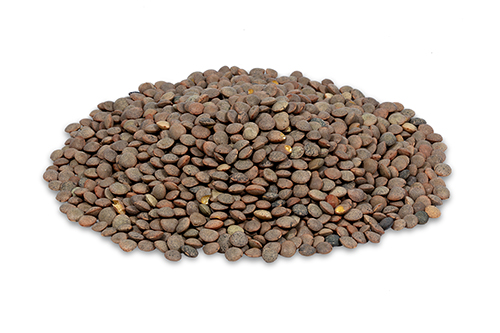
While the larger, pale green castellana lentil is also popular across the peninsula, the pardina (often called the brown or French lentil) is instantly recognisable by its small size (usually 3 to 4.5 mm in diameter) and uniform, earthy brown colour with slight reddish or speckled tones.
Its most celebrated characteristic is its incredibly thin skin. Unlike larger legumes, the pardina does not require hours of overnight soaking. It holds its shape beautifully during cooking without turning into a mushy puree, offering a slightly buttery, creamy texture that absorbs surrounding flavours like a sponge.
The Health and Agricultural Superpower
The pardina isn't just convenient; it is a nutritional powerhouse.
-
The Nutritional Profile: They are incredibly low in fat but packed with slow-release carbohydrates and plant-based protein (roughly 23g to 24g of protein per 100g of dry lentils). They are also exceptionally rich in iron, potassium, phosphorus, and fibre.
-
The Iron Hack: Because the iron in lentils is plant-based (non-heme), your body absorbs it much more efficiently when paired with Vitamin C. This is why traditional Spanish lentil stews often feature a splash of vinegar at the table, or are followed by a fresh orange for dessert!
-
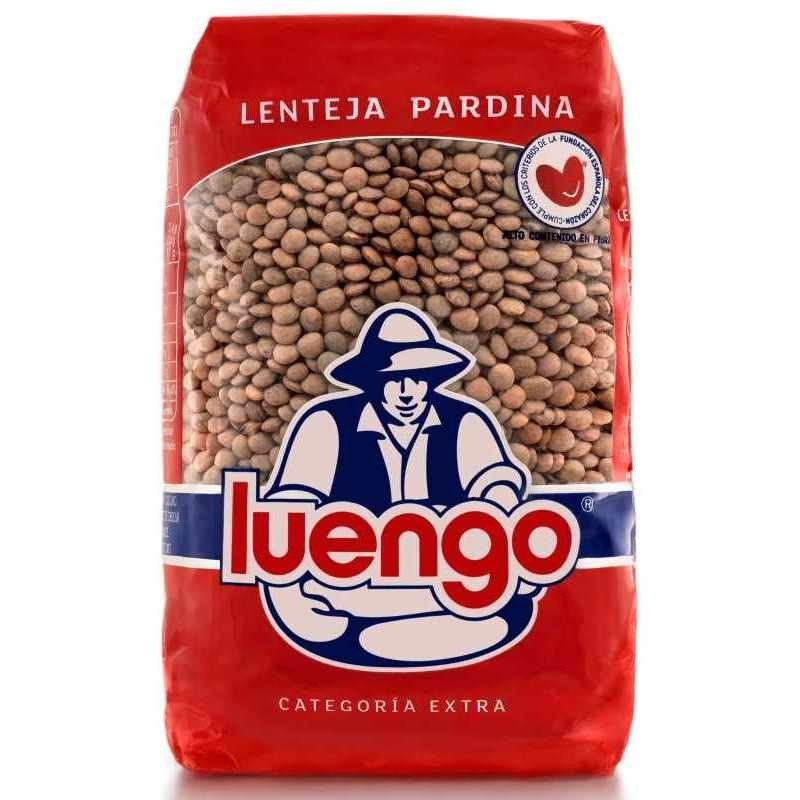
Sustainable Roots: In Spain, the highest quality pardinas are cultivated in the arid fields of Castilla y León, protected under the prestigious Designation of Origin (I.G.P. Lenteja de Tierra de Campos). They are a highly sustainable crop, thriving in harsh, dry terrains while naturally replenishing the soil.
How to Cook Them Like a Local
Because of their thin skin, preparing pardinas is virtually foolproof if you follow a few traditional rules:
-
Skip the Soak (Mostly): You do not need to soak them, though leaving them in cold water for just an hour or two can reduce the cooking time even further and make them slightly easier to digest.
-
The Cold Water Rule: Always start cooking your lentils in cold water. Dropping them into boiling water can shock the skins, causing them to split and detach.
-
Low and Slow: Keep the heat to a gentle simmer. Boiling them aggressively will break them apart.
-
Hold the Salt: Never salt the cooking water at the beginning, as this can toughen the skins. Always adjust your seasoning right at the end of the cooking process.
The Classic Application: Lentejas con Chorizo
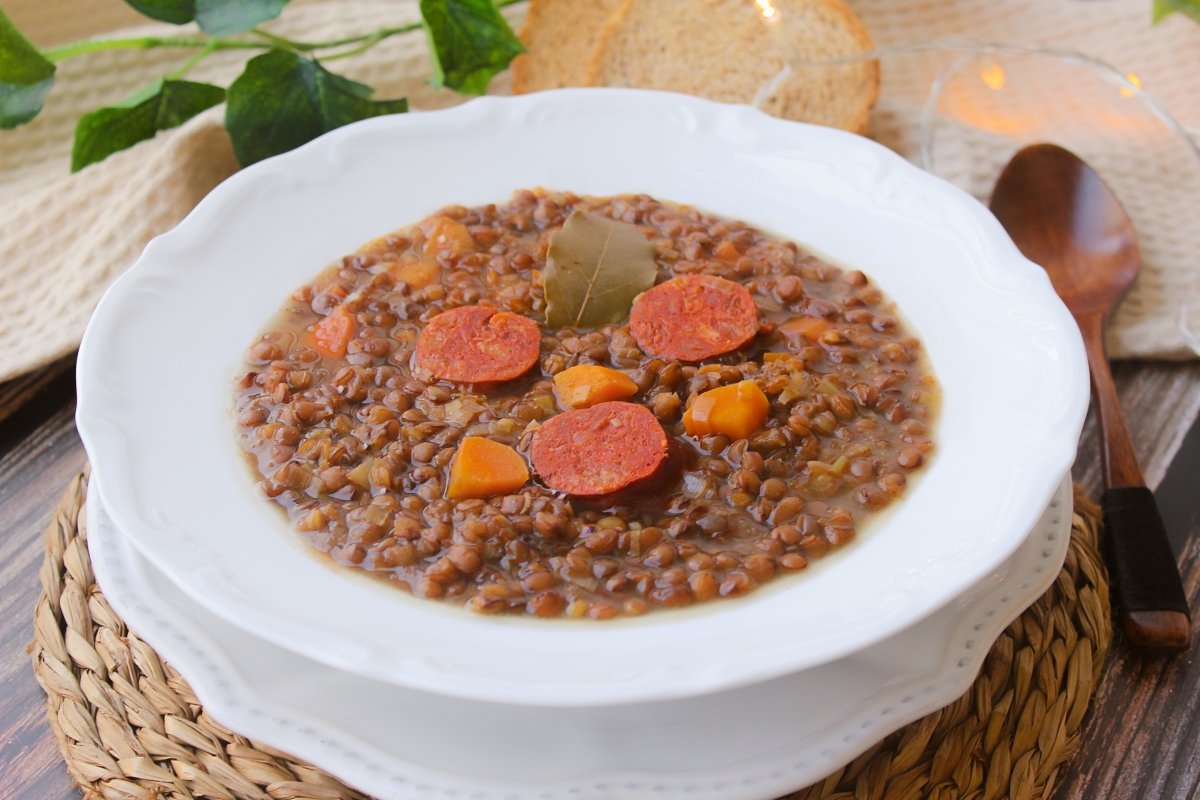
While they are excellent in cold summer salads or pureed into creamy soups, the definitive way to enjoy pardinas is in a classic, belly-warming stew. A traditional Spanish Lentejas con Chorizo requires nothing more than simmering the lentils with a classic sofrito (garlic, onion, green pepper, and carrot), a bay leaf, a generous spoonful of sweet Spanish paprika (pimentón dulce), and thick slices of cured cooking chorizo. Within 40 to 45 minutes, the lentils will have absorbed the rich, smoky fat of the chorizo and the sweetness of the vegetables, resulting in one of the most comforting, affordable, and authentically Spanish meals you can serve at your table.