All EOS blogs All Spain blogs  Start your own blog Start your own blog 

Max Abroad : The Best of Spain

Quite simply writing about the best things Spain has to offer and anything that might crop up along the way. Spain is a lot more than just sun, sand and sea...

Why You Need to Stock Up on Lenteja Pardina
Friday, October 30, 2026

For expats adjusting to the Spanish culinary rhythm, moving away from imported British baked beans and embracing local legumes is a rite of passage. If you take a stroll down the dried goods aisle of any Mercadona, Consum, or Carrefour, you will be met with a bewildering array of lentils. But there is one specific variety that stands head and shoulders above the rest for everyday home cooking: the Lenteja Pardina.

Known for its earthy flavour, nutritional punch, and—crucially—its incredibly fast cooking time, the pardina is the ultimate store-cupboard saviour. Here is everything you need to know about mastering this essential Spanish ingredient.

What Exactly is a Lenteja Pardina?

While the larger, pale green castellana lentil is also popular across the peninsula, the pardina (often called the brown or French lentil) is instantly recognisable by its small size (usually 3 to 4.5 mm in diameter) and uniform, earthy brown colour with slight reddish or speckled tones.

Its most celebrated characteristic is its incredibly thin skin. Unlike larger legumes, the pardina does not require hours of overnight soaking. It holds its shape beautifully during cooking without turning into a mushy puree, offering a slightly buttery, creamy texture that absorbs surrounding flavours like a sponge.

The Health and Agricultural Superpower

The pardina isn't just convenient; it is a nutritional powerhouse.

  • The Nutritional Profile: They are incredibly low in fat but packed with slow-release carbohydrates and plant-based protein (roughly 23g to 24g of protein per 100g of dry lentils). They are also exceptionally rich in iron, potassium, phosphorus, and fibre.

  • The Iron Hack: Because the iron in lentils is plant-based (non-heme), your body absorbs it much more efficiently when paired with Vitamin C. This is why traditional Spanish lentil stews often feature a splash of vinegar at the table, or are followed by a fresh orange for dessert!

  • Sustainable Roots: In Spain, the highest quality pardinas are cultivated in the arid fields of Castilla y León, protected under the prestigious Designation of Origin (I.G.P. Lenteja de Tierra de Campos). They are a highly sustainable crop, thriving in harsh, dry terrains while naturally replenishing the soil.


How to Cook Them Like a Local

Because of their thin skin, preparing pardinas is virtually foolproof if you follow a few traditional rules:

  1. Skip the Soak (Mostly): You do not need to soak them, though leaving them in cold water for just an hour or two can reduce the cooking time even further and make them slightly easier to digest.

  2. The Cold Water Rule: Always start cooking your lentils in cold water. Dropping them into boiling water can shock the skins, causing them to split and detach.

  3. Low and Slow: Keep the heat to a gentle simmer. Boiling them aggressively will break them apart.

  4. Hold the Salt: Never salt the cooking water at the beginning, as this can toughen the skins. Always adjust your seasoning right at the end of the cooking process.


The Classic Application: Lentejas con Chorizo


While they are excellent in cold summer salads or pureed into creamy soups, the definitive way to enjoy pardinas is in a classic, belly-warming stew. A traditional Spanish Lentejas con Chorizo requires nothing more than simmering the lentils with a classic sofrito (garlic, onion, green pepper, and carrot), a bay leaf, a generous spoonful of sweet Spanish paprika (pimentón dulce), and thick slices of cured cooking chorizo. Within 40 to 45 minutes, the lentils will have absorbed the rich, smoky fat of the chorizo and the sweetness of the vegetables, resulting in one of the most comforting, affordable, and authentically Spanish meals you can serve at your table.


Like 3        Published at 9:18 PM   Comments (0)


Beyond Halloween: The Ancient Rituals, Sweet Feasts, and Secrets of Spain’s All Saints’ Day
Friday, October 23, 2026

If you step outside onto your local high street in late October, you could be forgiven for thinking Spain has fully surrendered to commercial American trick-or-treating. Plastic skeletons dangle from shopfronts, and teenagers don fancy-dress costumes for late-night club events. But wake up on the morning of 1 November, and the atmosphere pivots entirely.


Enter El Día de Todos los Santos (All Saints’ Day)—a national public holiday that remains one of the most culturally vital, poignant, and ancient dates on the Spanish calendar. While British Halloween treats the realm of the dead with spooky theatrics, Spain’s observance is a masterclass in intergenerational remembrance, deep community ties, and an astonishing regional spread of seasonal autumn gastronomy.

Whether you have just purchased your first Spanish property or have lived here for years, understanding the rituals of 1 November is essential for decoding life in your local town or village.

From Roman Persecution to Celtic Harvest: The Origins

Far from being an invention of modern Catholicism, the roots of All Saints’ Day stretch back over 1,600 years:


  • The 4th-Century Martyrs: During the violent Roman persecutions under Emperor Diocletian, so many Christians were put to death that the calendar physically ran out of days to assign to individual martyrs. The early church established a single collective day to honour them all.

  • The Papal Decrees: In 610 AD, Pope Boniface IV formalised a commemoration date, but it was Pope Gregory III who moved the feast to 1 November, dedicating a chapel in St Peter’s Basilica to "all the saints." By 835 AD, Pope Gregory IV officially extended the holiday across the universal Church.

  • The Celtic Link (Samhain): Why 1 November? Just as in the British Isles, the Church deliberately positioned the holiday to supplant Samhain—the ancient Celtic new year celebrating the end of the harvest and the thinning of the veil between the living and the dead.


The 1st vs 2nd November Rule: Don't confuse the two dates on the liturgical calendar! 1 November (All Saints' Day) is the official public holiday dedicated to canonised saints and loved ones who have already reached heaven. 2 November (All Souls' Day / Día de los Fieles Difuntos) is traditionally reserved for praying for souls still journeying through purgatory.


The Graveyard Ritual: Flowers, Incense, and Cypress Trees

If you drive past any municipal cemetery (cementerio municipal) between late October and 2 November, you will encounter traffic gridlock, temporary floral stalls lining the pavement, and families carrying buckets, brushes, and ladders.

In Spanish culture, honouring ancestors is an active, tactile duty. Families whitewash ancestral niches, scrub headstones, and adorn tombs with an explosion of fresh flowers—most notably chrysanthemums, alongside carnations, gladioli, and calla lilies.

The Autumn Table: Regional Feasts of the Dead

While the mornings belong to the cemeteries, the afternoons belong to the table. Across Spain’s autonomous communities, All Saints’ Day coincides with the peak of the autumn harvest, sparking regional traditions that expats should seek out:


Region Tradition / Speciality Cultural Context
Catalonia & The Balearics La Castanyada & Panellets Streets fill with wooden stalls roasting hot chestnuts (castanyes) and sweet potatoes (moniatos). At home, bakeries sell panellets—luxurious marzipan cakes coated in pine nuts and washed down with sweet Moscatel wine.
Extremadura La Chaquetía (Chestnut Outing) Young people and families head out into the countryside to roast chestnuts over open fires, snacking on quince jelly (membrillo), sweet pomegranate sprinkled with sugar, and convent-baked huesillos.
Madrid & Central Spain Huesos de Santo Translating to "Saint's Bones," these small marzipan cylinders are filled with rich, sweetened egg yolk paste (dulce de yema) to mimic bone marrow—a sweet dating back to the 17th century.
Nationwide Buñuelos de Viento Light, deep-fried choux pastry puffs dusted in sugar and stuffed with whipped cream, chocolate, or custard. Folklore claims that every time you eat a buñuelo, a soul is freed from purgatory!
Andalusia Pestiños & Poleá Deep-fried pastries glazed in honey and aniseed (a recipe with Arab-Andalusian lineage), alongside poleá—a comforting, cinnamon-scented sweet porridge.


Practical Takeaways 

  1. Watch the Public Holiday Closures: Remember that 1 November is a Red Day (festivo nacional). Supermarkets, high-street banks, town halls, and general businesses will be shut tight. If 1 November lands near a weekend, expect a massive puente (bank holiday bridge), triggering heavy domestic traffic along the main motorways as families travel back to their ancestral hometowns.

  2. Order Bakery Sweets Early: Artisanal bakeries (pastelerías) do their biggest trade of the autumn season this week. If you want a box of genuine pine-nut panellets or fresh buñuelos de viento, order them several days in advance, or prepare to queue down the street!

  3. Visit the Cemetery with Respect: Visiting historic graveyards (such as Montjuïc in Barcelona or La Almudena in Madrid) around All Saints’ Day offers an extraordinary window into Spanish family structure. Dress respectfully, keep your voice lowered, and admire the breathtaking tapestry of floral architecture.


Like 1        Published at 10:47 PM   Comments (0)


Mallorca's Gourmet Salt Flats
Saturday, October 17, 2026


Salt is probably the most ancient condiment used by Mankind. Romans and Phoenicians used to collect sea salt from beaches throughout the Balearic Islands. One of the most important locations is a natural 3.5 km long beach on the southeast of Mallorca, which is also one of the most unspoilt areas in Mallorca. During the mid-20th century, the Salt Flats of Es Trenc (Las Salinas) were the centre of much activity for salt producers in Mallorca. Since then the tradition has continued: harvesting ecological sea salt from the flats which are irrigated by crystalline water from the Mediterranean Sea. The salt accumulates on the surface of the water and is bathed in summer sunshine producing precious crystals called “Flor de Sal” (Salt Flowers).


This area of Mallorca boasts the ideal conditions for the creation of this very special natural product. The water is crystal clear and a gentle inland breeze blows throughout the summer months favouring the crystallisation. Each salt crystal carries a very different mineral composition from other sea salts or your average table salt.

Flor de sal is the purest and most precious form of salt. Very specific meteorological conditions are required for this mineral-rich aromatic salt to crystallise on the surface of the salt flats: a lot of sunshine, a gentle constant breeze and low air humidity. A fine layer of flower-shaped crystals forms on the surface of the water, which are then harvested with rakes in the longstanding traditional way.

Contrary to other common sea salts, nothing is added or removed from flor de sal during the entire process and It is entirely harvested by hand. After drying, the salt is either taken to be packaged or it is blended with Mediterranean herbs, spices and even olives. Seasoned Salt is a fairly recent innovation and has become extremely popular all over the world and Spain leads the world with this culinary product.


As well as the full aroma of the sea, flor de sal contains over 80 minerals and trace elements. Its sodium chloride content – the main component of common salt- is, however, very low. When the sun and the wind shake up the salt flats, the magnesium contained in the seawater is one of the first to emerge to the surface. This is why Flor de Sal contains between 16 and 20 times more magnesium than common sea salt. It also has double the potassium and calcium content as well as high counts of many trace elements.


This particular mineral composition makes flor de sal an ideal choice for health-conscious people. Magnesium acts as a natural flavour enhancer, so only a small pinch must be added to any dish. This low usage reduces sodium chloride ingestion. Flor de sal is highly recommended by dietitians and nutritionists.

Gourmets appreciate its balanced aroma and the smooth texture of its crystals. A 100% natural product, Flor de sal is always slightly moist. The crystals melt on the palate contrary to traditional rock salt and it turns the simplest dishes into true culinary events.

If you fancy visiting the salt flats you can get more information here:

http://www.salinasdestrenc.com/visitas-guiadas


Like 1        Published at 12:17 AM   Comments (0)


50 Most Popular Villages in Spain
Friday, October 9, 2026

Rural tourism and everything that has to do with nature are consistently on the up. Many are often at a loss for places to visit and things to do so here is a list of the most popular villages in each of the 50 provinces of Spain.

The criteria for selecting the 50 villages were the following: all the towns/villages in the list had to have less than 20,000 inhabitants and then the options were ordered by data compiled from search results and trends in Google. If you are at a loss for things to do or want a different destination from time to time, these 50 towns are the ideal way to discover rural Spain:

Andalucía
Osuna (Seville): the ducal town has a very rich artistic heritage. The Monastery of the Incarnation, the Collegiate Church and the Quarries are just a small sample of its many charms.

Frigiliana (Málaga): located in the Natural Park of the Sierras de Almijara, Tejeda and Alhama, walking through the narrow and steep streets of its historic centre is like travelling back in time. Go to the viewpoint of Callejón del Peñón to enjoy a panoramic view of the entire town.

Setenil de las Bodegas (Cádiz): this town in the Sierra de Cádiz is part of the Route of the White Villages. One of its peculiarities is the location of its houses, many of which were built "sheltered" from the rocks.

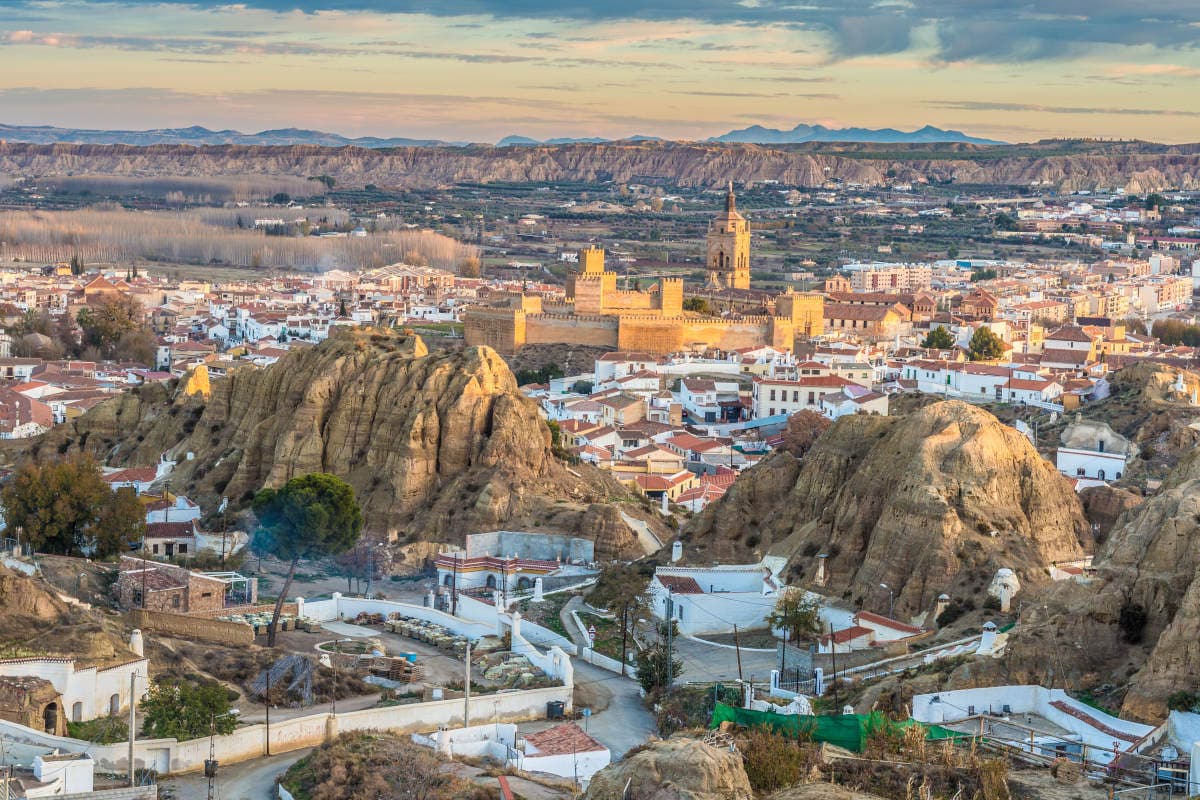
Guadix (Granada): the 'European Capital of Caves' has more than 2000 inhabited cave houses.

Rute (Córdoba): one of the main attractions of Rute is the many gastronomic museums, in many, they continue to make anise, nougat or chocolate, among other products following traditional methods.

Mojácar (Almería): a few kilometres from the coast of Almería, we can find this white town full of places of interest, such as the Plaza del Parterre, the Church of Santa María or the Puerta de la Ciudad.

Cazorla (Jaén): Hidden between olive groves and with the mountains behind, Cazorla is the perfect option for those who want to enjoy nature and cultural visits at the same time.

Aracena (Huelva): one of the most popular places in this town, located in the Sierra de Aracena and Picos de Aroche Natural Park, is the Gruta de las Maravillas, a true paradise of stalactites and stalagmites.


Aragón
Tarazona (Zaragoza): amongst the great cultural offering of Tarazona, considered one of the most monumental cities in Aragon, the cathedral stands out, built in the French Gothic style, but with Mudejar and Renaissance elements.

Jaca (Huesca): at 820 meters above sea level, in addition to being a reference destination for winter sports lovers, Jaca has an important monumental legacy. Good proof of this is its citadel, a 16th-century fortress.

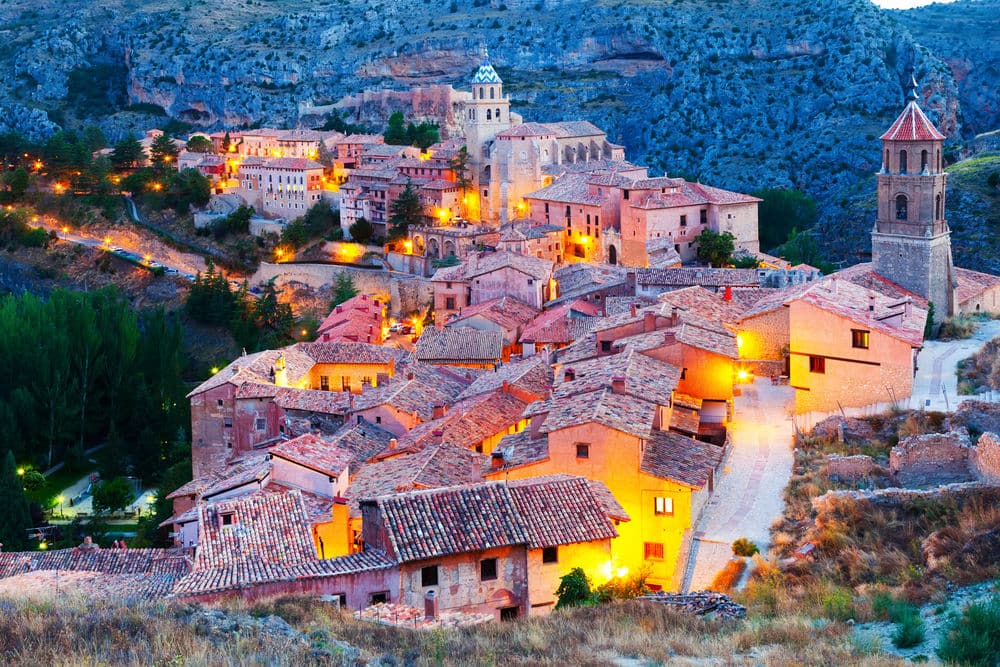
Albarracín (Teruel): this small medieval town of just over 1000 inhabitants is, without a doubt, one of the most picturesque in Spain. Located on a hill in the Universal Mountains and surrounded almost entirely by the Guadalaviar River, it has many places of interest, such as the Church of Santa María or the Episcopal Palace.

Asturias
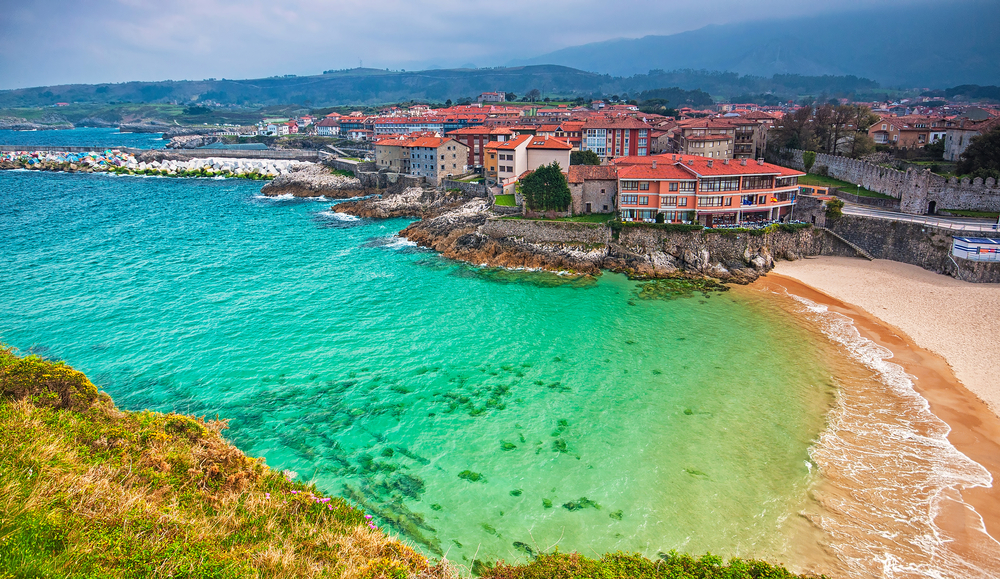
Llanes: the historic centre of this fishing village, declared a Historic-Artistic Site, is one of the best-preserved in the Principality of Asturias. Two of its strong points are the palaces and emblazoned houses.

Canarias
Teror (Las Palmas): in this beautiful town on the island of Gran Canaria is the Basilica to the Virgen del Pino, patron saint of the Diocese of the Canary Islands. Also go to the historic centre to see the characteristic balconies of Canarian architecture, especially in Plaza del Pino and Calle Real.

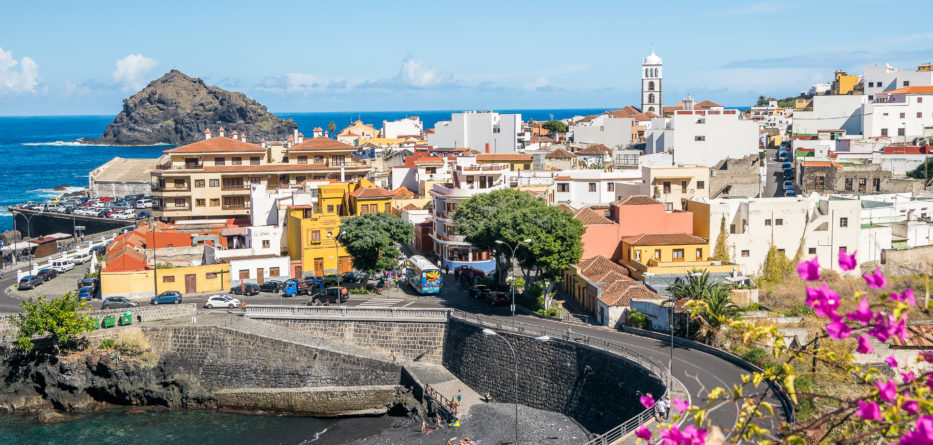
Garachico (Santa Cruz de Tenerife): although the eruption of the Trevejo volcano in 1706 was a hard blow for Garachico, this Tenerife town knew how to rise from its ashes, and today its rich architectural heritage takes us back to the 16th and 17th centuries.

Cantabria
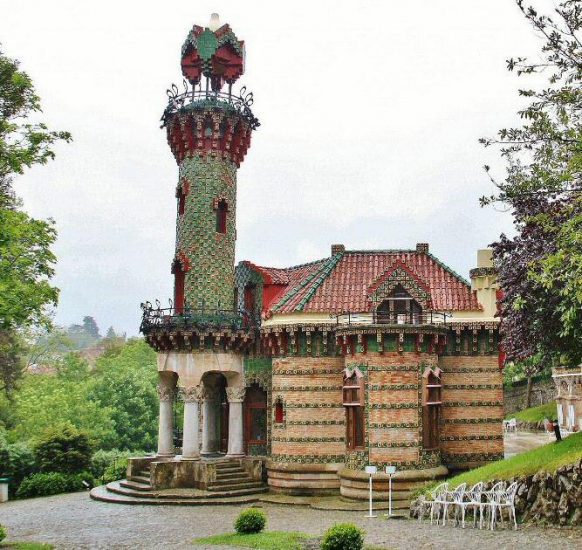
Comillas: also known as the 'Villa de Los Arzobispos', Comillas has some of the most important modernist monuments in Cantabria. The jewel in the crown is undoubtedly El Capricho, the work of the great Antonio Gaudí.

Castilla y León
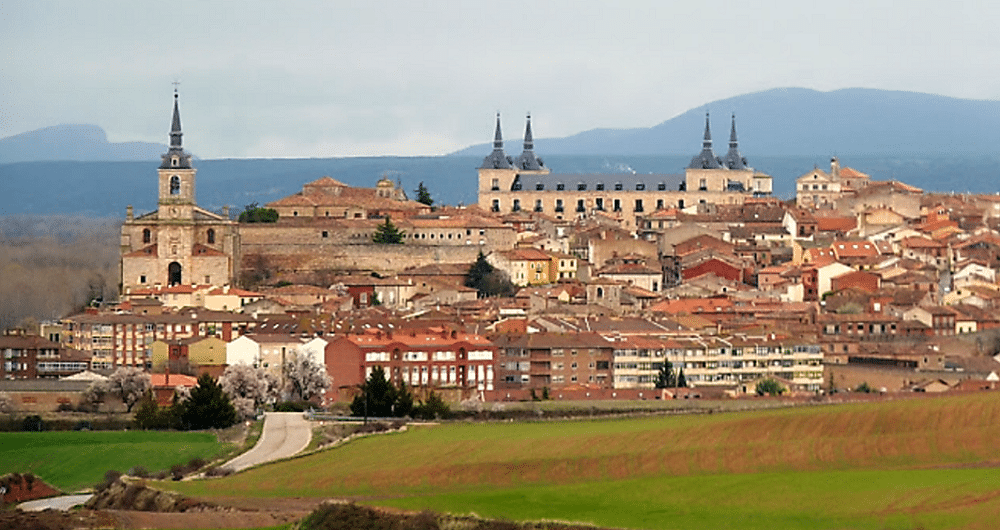
Tordesillas (Valladolid): this town witnessed numerous historical events, such as the signing of the Treaty of Tordesillas in 1494. Its historical and architectural legacy make it one of the most popular places in Castilla y León. Among its most outstanding monuments, it is worth mentioning the Houses of the Treaty, the Royal Monastery of Santa Clara, the Church of Santa María and the Plaza Mayor.

Astorga (León): the city where two of the main routes of the Camino de Santiago converge, the French Way and the Vía de la Plata, has an important legacy from Roman times. The cathedral and the Episcopal Palace are also two points of great cultural interest.

Lerma (Burgos): the town of Lerma, located on a hillock in the Arlanza region, has one of the most outstanding Herrerian-style architectural ensembles in Spain. The history of the town is intrinsically linked to the Duke of Lerma, one of the most visited places being the Ducal Palace.

Ciudad Rodrigo (Salamanca): Ciudad Rodrigo is synonymous with historical, cultural and natural heritage. In this walled city, whose historic centre was declared a Historic-Artistic Site, it is possible to visit innumerable architectural gems, such as the Castle of Enrique II de Trastamara or the Cathedral of Santa María.

Puebla de Sanabria (Zamora): located in the vicinity of the Lago de Sanabria natural park, its cobbled streets lead the visitor to discover places as magical as the Castle of the Counts of Benavente or the church of Santa María del Azogue.

Cervera de Pisuerga (Palencia): this small village in the Palentina mountain has a lot to offer. A good starting point to start discovering Cervera is the Plaza Mayor, whose arcades and stone columns are a clear example of Castilian architecture.

Arenas de San Pedro (Ávila): in the middle of the Sierra de Gredos and at a height of 510 meters, in Arenas de San Pedro there is no shortage of places to visit. One of the most visited is the Castillo del Condestable Dávalos, declared a Historic-Artistic Monument in 1931. Today, the Torre del Homenaje houses an interesting museum.

Pedraza (Segovia): declared a Historic Site in 1951, this medieval walled town is a magnet for tourists, due to its beauty and rich heritage.

Medinaceli (Soria): its most emblematic monument, the Arco de Medinaceli, dates from the 1st century and is a good example of the rich heritage of this town, in which the traces of the many civilizations that inhabited it can still be seen.

Castilla-La Mancha
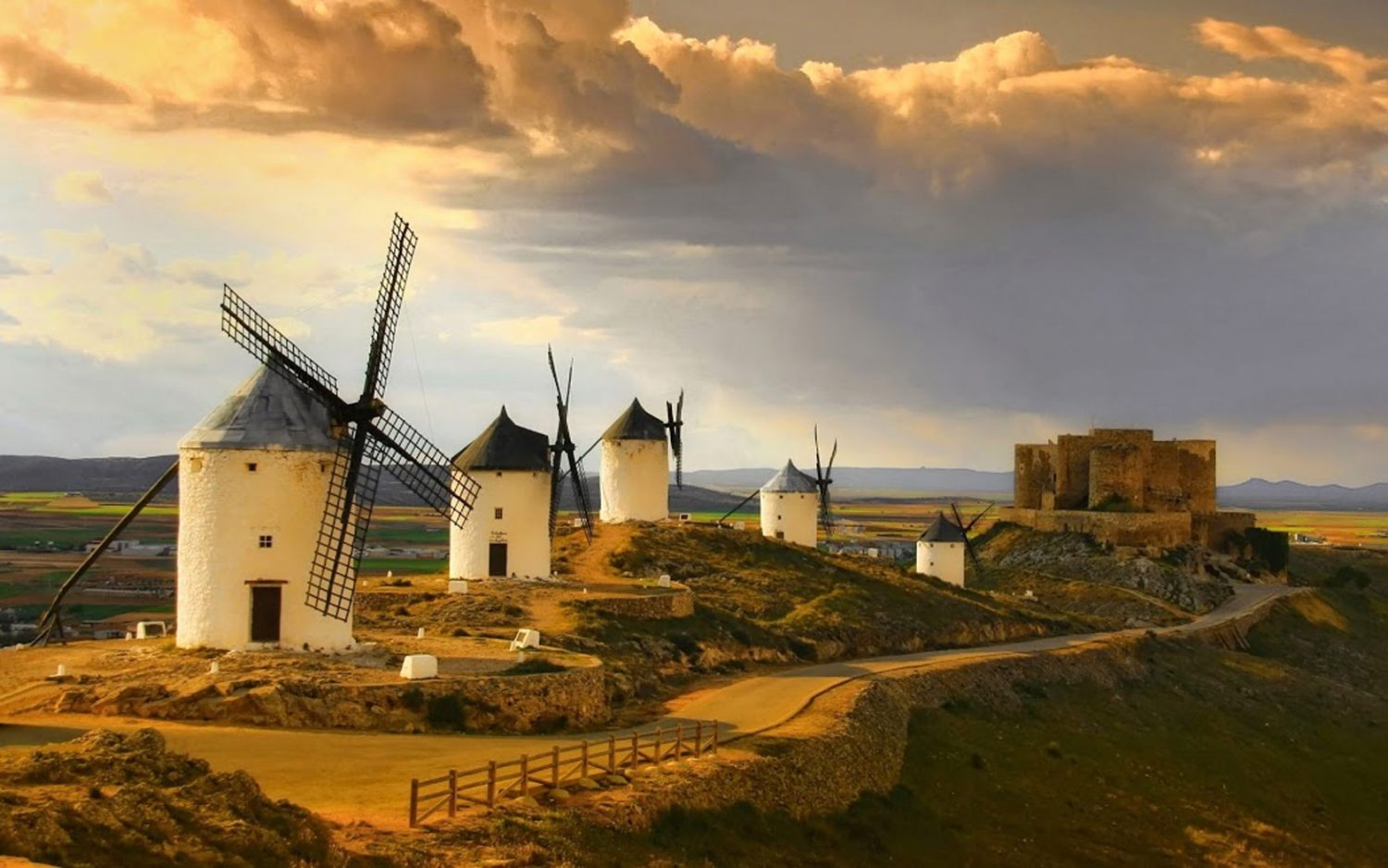
Consuegra (Toledo): we cannot talk about Consuegra without mentioning its 12 windmills, which, together with the Castillo de la Muela, form the ideal setting to relive the best exploits of the ingenious gentleman Don Quixote de La Mancha.

Almagro (Ciudad Real): here is the only Corral de Comedias that has been preserved as it was in the seventeenth century, and best of all, it is still active! For that alone, Almagro is worth visiting!

Alcalá del Júcar (Albacete): the hermitage of San Lorenzo, the castle and the picturesque cave-houses are just some of the monuments that await you in Alcalá del Júcar, a town declared a Historic-Artistic Site in 1982.

Sigüenza (Guadalajara): thanks to its wide cultural, natural and gastronomic offering, Sigüenza is one of the most popular destinations in Castilla-La Mancha. The town, which due to its strategic location was already populated during the Paleolithic and Neolithic periods, has many places of interest, such as the castle, the Casa del Doncel or the church of San Vicente.

Belmonte (Cuenca): the castle of Belmonte, in the Gothic-Mudejar style, dominates the horizon of this beautiful town. Since its construction in 1456, the fortress had an important role in the different stages of history. In the 19th century, the castle was inherited by Eugenia de Montijo, future Empress of France.

Cataluña
Cardona (Barcelona): in addition to the picturesque historic centre, travellers who come to Cardona can visit the impregnable castle built in 886 by Wilfredo el Velloso. The fortress was the residence of the lords of Cardona, nicknamed the Crownless Kings, during the Middle Ages.

Miravet (Tarragona): on the banks of the Ebro river we find one of the most charming villas in Catalonia, Miravet. The 12th century Templar castle is one of its main attractions, and many curious people come here to see the walls and the different rooms of the fortress.

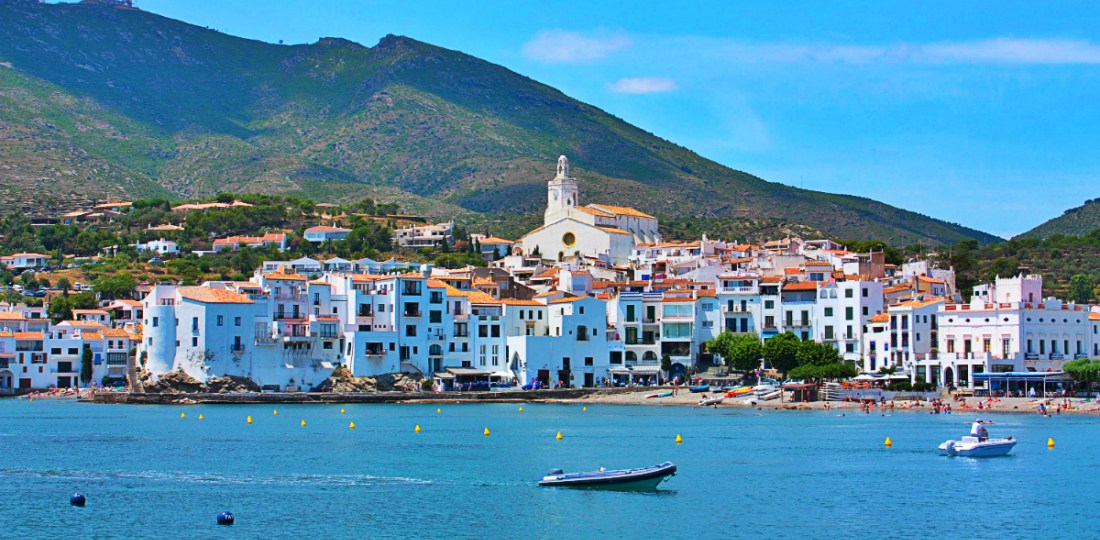
Cadaqués (Gerona): the picturesque white houses scattered through the labyrinthine streets of the old town make Cadaqués one of the most charming coastal towns in all of Spain. In addition to sun and beach, the town has emblematic buildings such as the House of Don Octavio Serinyana, the Torre del Colom or the parish church of Santa María.

Solsona (Lérida): Baroque lovers cannot miss Solsona, as the city has an important architectural legacy in this style. Among its most outstanding monuments are the Episcopal Palace and the Portal del Puente.

Comunidad de Madrid
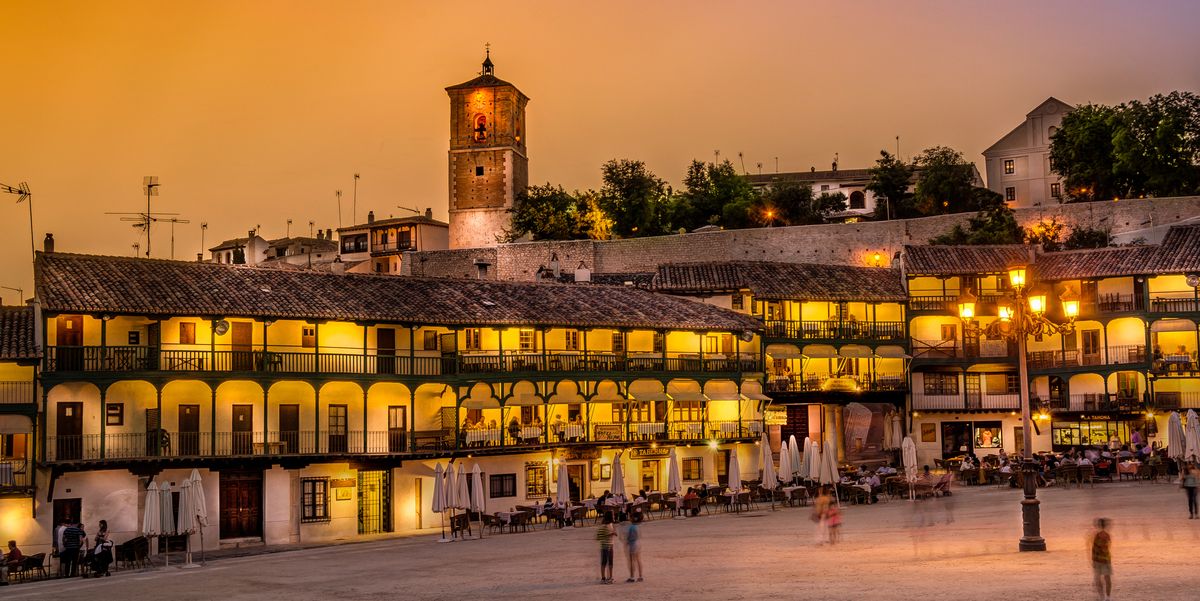
Chinchón: Its Plaza Mayor, full of wooden balconies and arcades dating from the 15th century, is the heart of Chinchón. In addition to the charm of the popular Castilian architecture of the square, this Madrid town has other places of interest, such as the Clock Tower or the Church of Nuestra Señora de la Asunción.

Valencian Community
Bocairent (Valencia): in this Valencian town, stone is art. Come to Les Covetes dels Moros and discover it for yourself. It is believed that this set of artificial caves with more than 50 "windows", located in the Barranc de la Fos cliff, served centuries ago as granaries or warehouses.

Guadalest (Alicante): Guadalest is a small town with a long history, evidence of its existence goes back to Muslim times. Declared a Site of Cultural Interest, the town has several monuments and places of interest, such as the San José Castle, the Alcozaiba castle and the Casa Orduña.

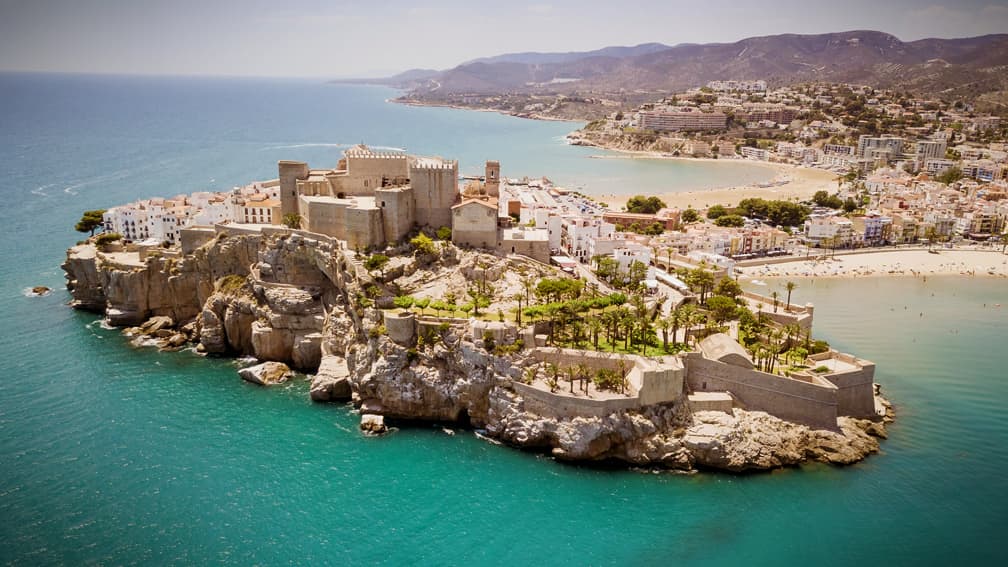
Peñíscola (Castellón): Peñíscola Castle, also known as Castillo del Papa Luna, is one of the main attractions of this town on the shores of the Mediterranean. Did you know that the old Templar castle became the residence of Pope Benedict XIII?

Extremadura
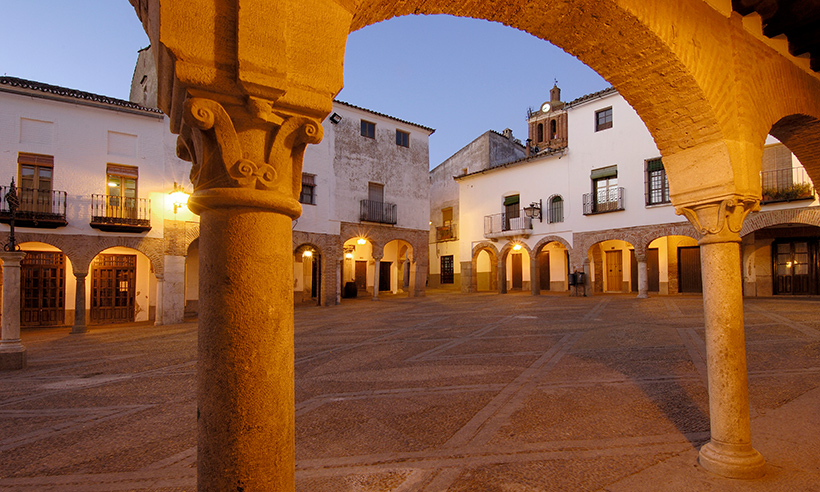
Zafra (Badajoz): go to the Plaza Chica, where weekly markets have been held since 1380, to see up close the "rod of Zafra" on one of the columns of the arcade. This rod was the system of measurement used by the merchants of the time. Other must-see places are the Alcázar de Los Duques de Feria, the Convent-Museum of Santa Clara and La Candelaria.

Trujillo (Cáceres): the city of Trujillo, structured around the Plaza Mayor, forms part of the Ruta de Los Conquistadores, a route that reviews the key places related to the Discovery of America since it is the hometown of Francisco de Pizarro. Among the many monuments, the castle stands out, whose construction dates back to the 9th century, during the golden years of the Caliphate of Córdoba.

Galicia
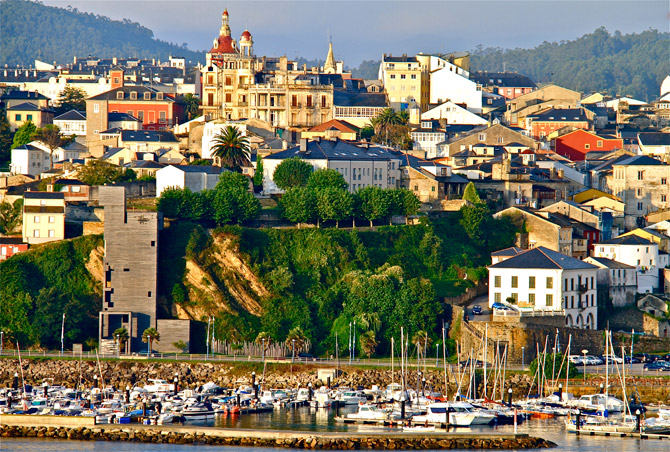
Betanzos (A Coruña): also known as the City of Knights, Betanzos became the capital of one of the provinces of the former Kingdom of Galicia. Today, its rich cultural heritage is a reflection of its long history. A good example of this is its old town, declared a historic-artistic complex in 1970.

Cambados (Pontevedra): the 'Capital of Albariño' has numerous places of interest, such as the Pazo de Fefiñáns, the Pazo de Ulloa or the Torre de San Saturniño. This beautiful fishing village is the perfect option for those who want to enjoy a good food-and-wine experience at the same time.

Ribadeo (Lugo): the emblazoned palaces of its historic centre and the "Indianos" mansions (of South American style) in the San Roque neighbourhood are a symbol of the architectural wealth of this beautiful town in Mariña Lucense. Also, the world-famous 'Cathedrals' beach is very close to the town.

Allariz (Ourense): thanks to the stupendous rehabilitation of its historic centre, this town located in the heart of the province was awarded the European Urban Planning Prize in 1994.

Islas Baleares
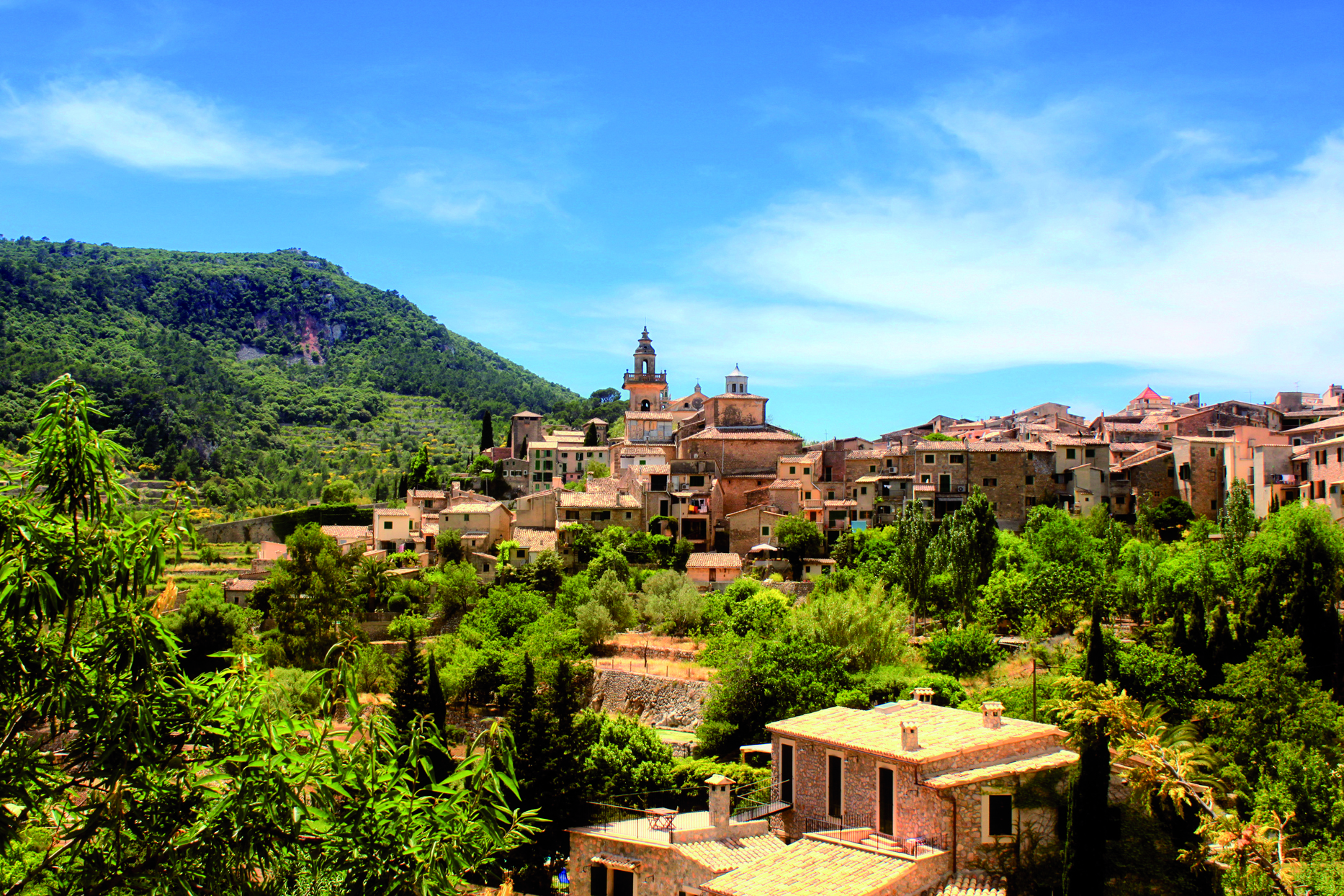
Valldemossa: on the island of Mallorca, between the Tramuntana mountain range and the Mediterranean Sea, we find Valldemossa, a beautiful town surrounded by vegetation just over 400 meters above sea level. If you could only visit one place, go to the Real Cartuja de Jesús de Nazareth, a former monastery of the Carthusian monks, through which Chopin, Unamuno or Jovellanos, among others, passed.

La Rioja
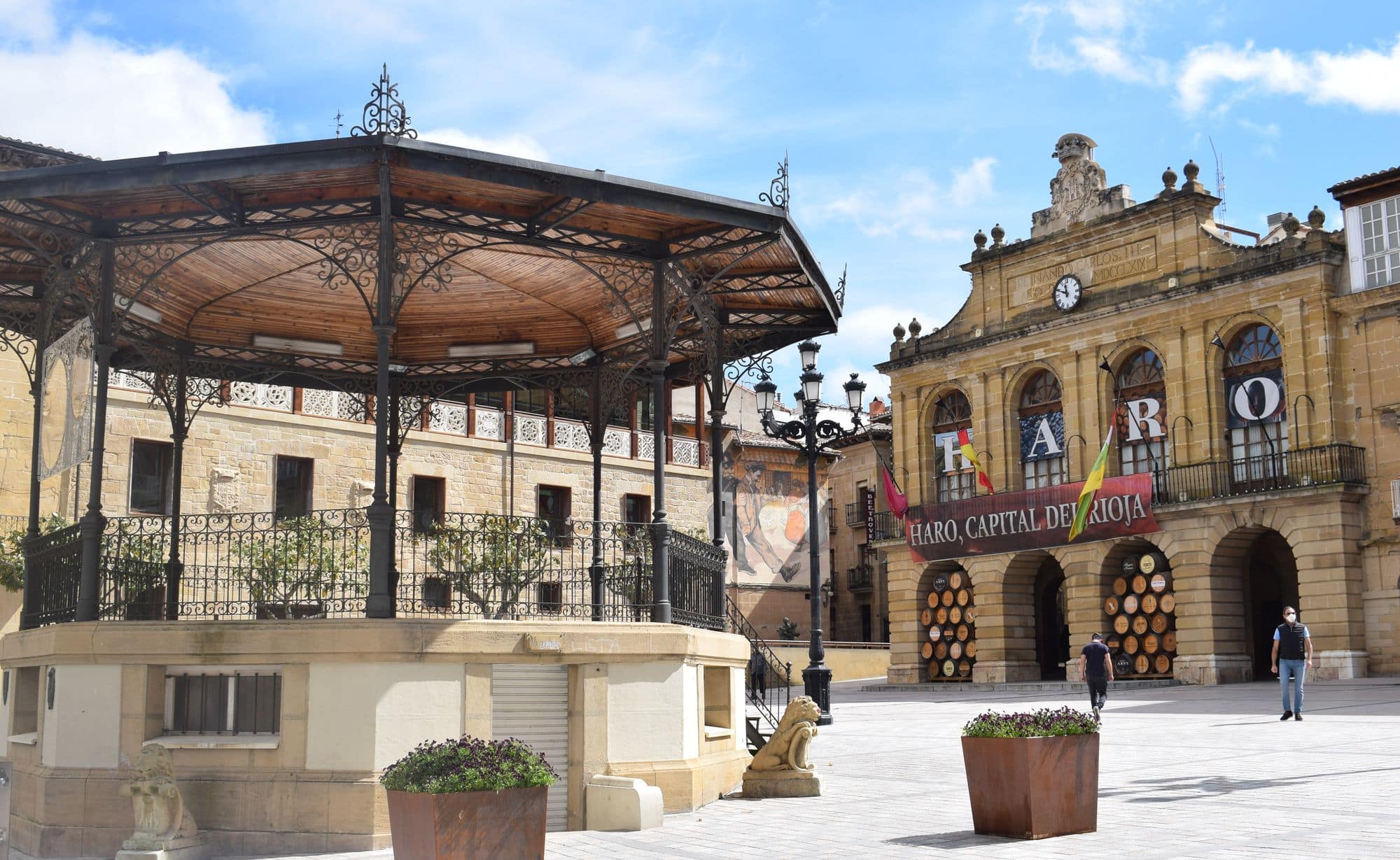
Haro: Haro, a favourite destination for lovers of wine tourism, also has an important architectural and cultural legacy. Its famous historic centre ("Herradura"), the church of Santo Tomás, the basilica of Santa María de la Vega or the stately palaces, whose construction dates back to the 16th and 18th centuries, are an essential visit.

Navarra
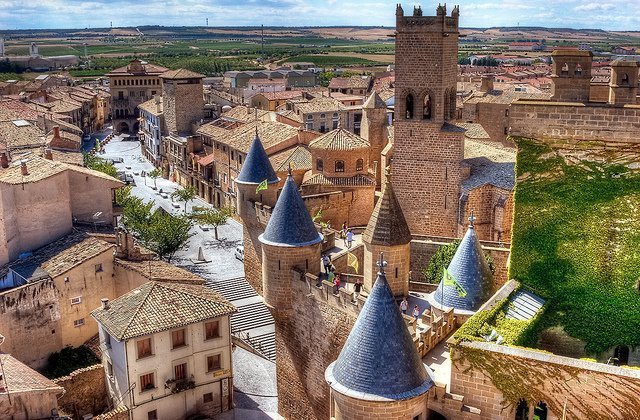
Olite: the city's castle is the most important medieval monument in Navarra and one of the most popular fortresses in all of Spain. Royal seat during the Middle Ages, in 1925 it was declared a national monument. In addition to the castle, in Olite there are numerous monuments and places of interest, such as the church of San Pedro, the church of Santa María la Real, the Roman walls or the Plaza de Carlos III.

País Vasco
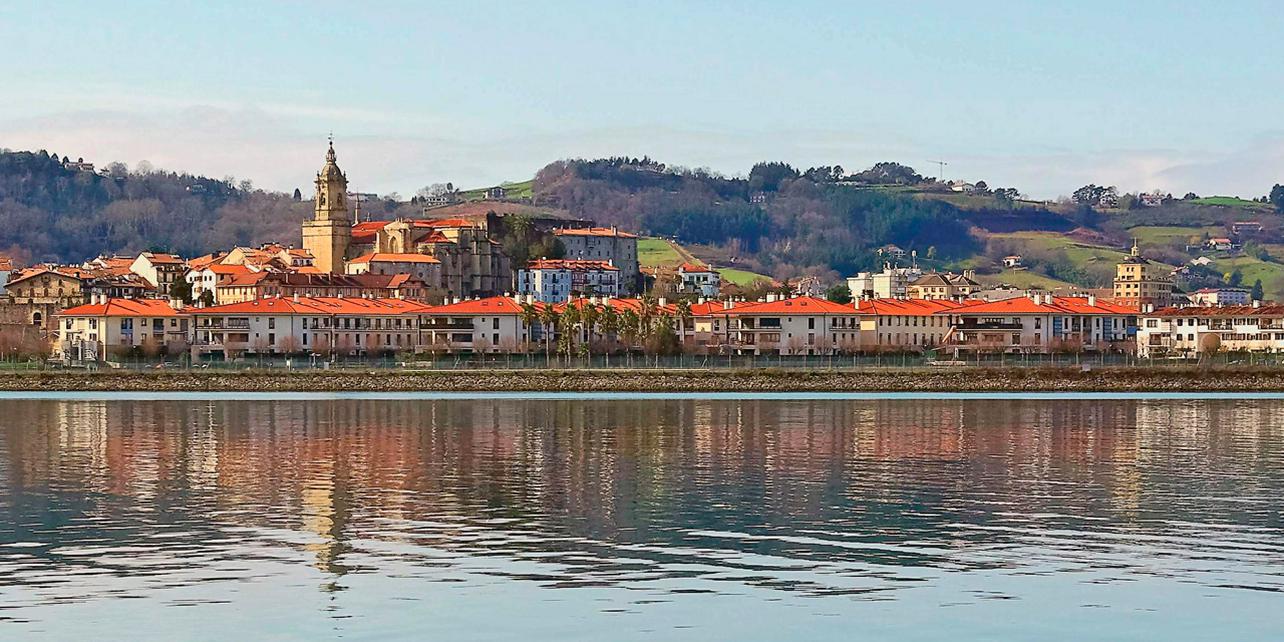
Bermeo (Vizcaya): this fishing village located in the Urdaibai Biosphere Reserve is an essential stop in the Basque Country. Although many come to this town to visit San Juan de Gaztelugatxe, the truth is that Bermeo has many other attractions, such as the Ercilla Tower, the Old Port, the Church of Santa Eufemia or the old town.

Hondarribia (Guipúzcoa): at the mouth of the Bidasoa River, Hondarribia welcomes its visitors with the colourful balconies of its typical houses. The current structure of the walled enclosure dates from the Renaissance, but efforts to fortify the city had already begun in the High Middle Ages. Behind its walls is an old town with cobbled streets where places of interest follow one after another.

Laguardia (Álava): in addition to the excellent preservation of the medieval layout, with jewels such as the Church of Santa María de Los Reyes or San Juan Bautista, the capital of Rioja Alavesa conquers hearts and palates thanks to its excellent food and wine offer.

Murcia
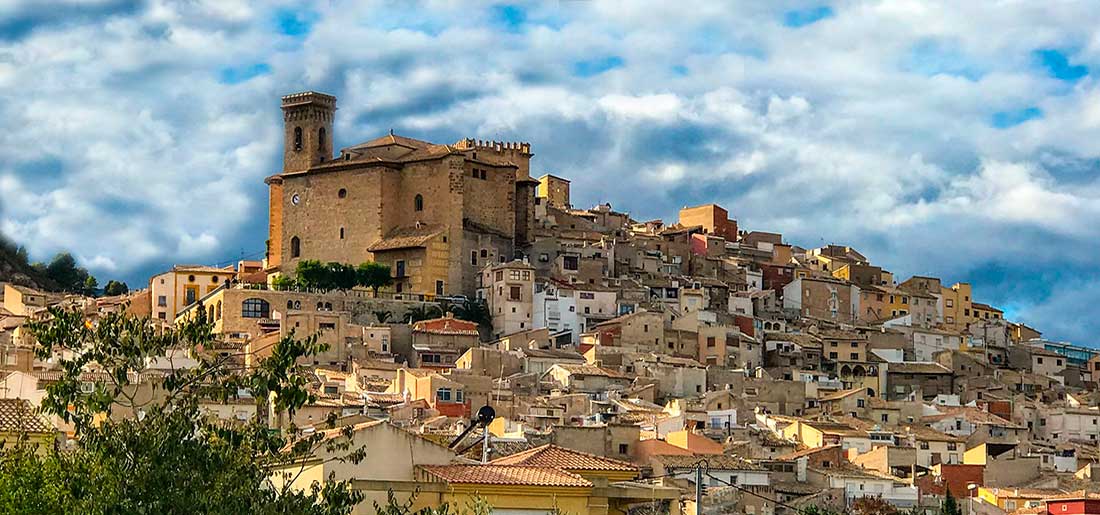
Moratalla: the castle-fortress and the Church of Our Lady of the Assumption of Moratalla dominate the horizon of this beautiful mountain town. Another of its great attractions is the ritual of the Tamboradas, declared Intangible Cultural Heritage of Humanity by Unesco, a show that is worth seeing at least once in your life.


Like 3        Published at 9:51 PM   Comments (0)


How Six Years of Flowing Lava Created Modern Lanzarote
Friday, October 2, 2026

If you have ever caught a coach across the raw, rust-red expanse of Timanfaya National Park or sipped a chilled glass of crisp dry Malvasía wine on a vineyard terrace in La Geria, you know that Lanzarote looks like nowhere else on Earth. It is an alien landscape of jagged malpaís (badlands), jet-black volcanic lapilli, and silent volcanic craters.


Yet, this lunar terrain is not ancient. Three centuries ago, southwest Lanzarote was the island's breadbasket—a lush patchwork of fertile cereal valleys, grazing pastures, and bustling hamlets.

All of that was wiped off the map starting on 1 September 1730, triggering a cataclysmic, relentless volcanic crisis where rivers of molten basalt ran continuously for six years, burying over twenty villages and permanently altering the geography, economy, and soul of the island.

Unlike prehistoric volcanic events reconstructed purely from rock strata, the Timanfaya cataclysm is documented in terrifying eyewitness detail. The parish priest of Yaiza, Father Andrés Lorenzo Curbelo, kept a meticulous diary recording the birth of the monster on that fateful late-summer evening:

"On the first day of September 1730, between nine and ten o'clock at night, the earth suddenly opened near Timanfaya, two leagues from Yaiza. An enormous mountain rose from the bosom of the earth, and from its apex flames escaped and continued to burn for nineteen days..."

The mountain that Curbelo watched burst out of flat farmland was the Volcán del Cuervo (Raven’s Volcano)—the initial fissure of an eruptive sequence that would defy all expectations.

Rather than a violent explosion followed by immediate calm, Timanfaya kept venting. As the weeks rolled on, fresh fissures tore open across the Santa Catalina plain. Curbelo recorded blinding ash storms that blotted out the midday sun, sulfurous clouds that dropped scalding rain, and toxic gases that suffocated livestock in their pens.

Whenever the terrified residents crept back to inspect their homes, a new crater opened, forcing wave after wave of desperate retreats.

Six Years of Chaos: The Timanfaya Timeline (1730–1736)

Between 1730 and 1736, more than thirty distinct volcanic vents roared to life along a 14-kilometre fracture line, spewing roughly three to five billion cubic metres of lava and tephra:

  • September 1730 (The Awakening): The Cuervo volcano erupts, spewing fire for nearly three weeks and burying the settlements of Timanfaya, Maretas, and Santa Catalina.

  • Late 1730 to 1731 (The Advance to the Ocean): Magma rivers plunge into the Atlantic, creating boiling steam geysers, blanketing the sea with thousands of dead fish, and creating new headlands that expanded the physical landmass of the island.

  • 1732 to 1735 (The Great Exodus): With roughly a quarter of Lanzarote's surface smothered under metres of black basalt, over twenty settlements—including Tingafa, Mancha Blanca, and Las Palmas—are erased forever. A majority of the island's population flees by boat to Gran Canaria and Fuerteventura to escape starvation.

  • 16 April 1736 (The Final Gasp): The eruption cycle finally grinds to a halt at Montaña Colorada after 2,055 consecutive days of volcanic activity. It remains the second-largest basaltic fissure eruption in recorded human history, surpassed only by Iceland’s devastating Laki eruption in 1783.

  •  

A Cloud That Travelled to the Pyrenees

The environmental reach of the Timanfaya eruptions extended thousands of miles beyond the Canary archipelago.

In a landmark study published in the scientific journal Science of the Total Environment, researchers examining ancient, centuries-old coniferous trees high in the Pyrenees mountains discovered distinct chemical signatures in tree growth rings dating to the 1730s.

The colossal sulfur dioxide and particulate plumes injected into the upper atmosphere by Lanzarote's six-year furnace drifted across mainland Spain, altering regional microclimates and leaving an indelible geochemical fingerprint in high-altitude mountain forests over 2,000 kilometres away.

The Timanfaya Effect: What Happened to Lanzarote


The 1730–1736 Eruption Legacy:
├── 23% to 25% of the island permanently buried beneath solid lava (malpaís)
├── 26 towns, hamlets, and fertile agricultural estates wiped off the map
├── 2,000+ islanders forced into permanent overseas exile
└── The Birth of 'Enarenado': The accidental invention of Lanzarote's dry-farming wine revolution

From Tragedy to Triumph: The Invention of Volcanic Wine

While the disaster caused unmitigated misery for 18th-century islanders, human resilience turned black ash into gold.

Farmers who returned to the scorched earth discovered an astonishing agricultural phenomenon: the thick layer of black volcanic pebble-sized ash, known locally as picón or lapilli, was naturally hygroscopic. It acted as an insulating sponge, absorbing humidity from Atlantic trade-wind mists at night while completely shielding the underlying soil from the scorching daytime sun.

Unable to plant traditional cereals, farmers dug thousands of deep, conical hollows (hoyos) into the ash fields of La Geria, planting single vine shoots down into the ancient soil beneath and encircling each hollow with a crescent-shaped stone wall (zoco) to deflect ferocious desert winds.

The result? The world’s most dramatic vineyard landscape, producing prized, mineral-rich volcanic Malvasía wines that now carry international acclaim.

How to Experience It Today

For anyone visiting or living on Lanzarote, walking the volcanic trails offers an extraordinary perspective on the raw power of nature:


  • Volcán del Cuervo Walking Trail: The very spot where Father Curbelo saw the earth rupture on 1 September 1730 is now one of the island's most accessible walks. A gentle circular path leads right through the broken rim of the caldera into the heart of the crater floor.

  • Montañas del Fuego (Timanfaya National Park): At the visitor centre designed by legendary local artist César Manrique, the ground beneath your feet still burns. Just ten metres below the surface, temperatures reach up to 600°C. Guides regularly demonstrate this geothermal heat by throwing dry brushwood into pits where it instantly ignites, or pouring buckets of water into boreholes that erupt into boiling steam geysers.

  • El Diablo Restaurant: Sample meats grilled solely by the convection heat rising from a natural volcanic chimney—a culinary reminder that the island's subterranean engine is merely resting, not dead.

Lanzarote's dramatic black beauty was bought at a devastating historical price. But next time you drive through Yaiza or raise a glass of chilled white wine in La Geria, spare a thought for Father Curbelo and the 18th-century islanders who watched their world vanish into fire—and ended up creating one of the most remarkable destinations on the planet.


Like 2        Published at 8:32 PM   Comments (0)


Spam post or Abuse? Please let us know


This site uses cookies. By continuing to browse you are agreeing to our use of cookies. More information here. x