All EOS blogs All Spain blogs  Start your own blog Start your own blog 

IAN & SPAIN

WELCOME TO MY BLOG. HAVING LIVED IN SPAIN FOR OVER TWENTY YEARS I HAVE TRULY MANAGED TO IMMERSE MYSELF IN THE LOCAL CULTURE AND FEEL TOTALLY INTEGRATED. I WILL BE WRITING ABOUT MY PASSION FOR SPANISH FOOD AND DRINK AS WELL AS ITS CULTURE, PEOPLE AND PLACES OF SPECIAL INTEREST. PLEASE FEEL FREE TO LEAVE A COMMENT.

Jamon de Bellota - What you need to know
Saturday, February 1, 2025


One of my favourite foods from the Spanish culinary world is cured ham, in particular, Iberian Acorn Ham (Jamon de Bellota Iberica). Which is very different from Serrano Ham or the Italian Prosciutto and is unique to Spain. It is an absolute delicacy and one of the most moreish foods you will encounter! 


Fresh meat has been preserved throughout history and the pig has always played a particularly important role in this practice. This is partly because of its high reproductive capacity, and also due to the varying uses that can be made of its meat and the ease of storing and processing it. The great Mediterranean tradition for cured hams and cold meat products is believed to have originated with the Romans and Greeks as reflected in names such as "longaniza" (cured pork sausage) and "salchicha" (sausage) that come from the Roman lucanica and salsicius. The Mediterranean Diet is more than simply a sum of particular ingredients or recipes and makes better sense when associated with the climate, geography, customs and lifestyles in Mediterranean areas. Iberian Bellota Ham plays a key role in this kind of diet. Not only is it tasty and succulent, but it also has specific properties that make it a unique food product and thus stands out from the other cured hams available throughout the Mediterranean Basin.


Iberian Bellota Ham is a low-calorie food, which is rich in vitamins and contains 50% more protein than fresh meat. A particularly surprising fact! Due to the natural and traditional curing process, Iberian acorn ham is a pure and aseptic food and the meat is free from any kind of manipulation. Iberian acorn ham is not just a food product, but also a delicacy with numerous other qualities. As well as being a pleasure for the palate, it also offers great health benefits.  Iberian ham is full of antioxidants and is high in vitamin E. It is especially beneficial when eaten with tomatoes. Iberian bellota ham contains excellent quality fat, with increased levels of oleic acid (over 50%), as found in olive oil. This facilitates the production of HDL ("good cholesterol") in the body, while reducing LDL ("bad cholesterol"). So when you start to combine extra virgin olive oil, Bellota Ham and other ingredients you can see suddenly how the Spanish diet is in particular so healthy, take a look at my post on “Pan Catalana”, so simple yet so healthy! For these reasons moderate consumption of the product helps to maintain cholesterol levels and prevent cardiovascular diseases as with extra virgin olive oil.


It provides a generous dosage of B group vitamins, especially B1 and B2. Just 100 grams of Iberian acorn ham provides 24% of the recommended daily allowance of this vitamin. It is also rich in iron, magnesium, zinc and calcium and above all phosphorus, providing 30% of the recommended daily allowance. 


It is a recommended food for hypo-calorific diets as 50 grams of our Iberian Bellota Ham has only 150 calories. So is Iberian Bellota ham the same as Jamon de Pata Negra( black hoof ham)? And how does it differ to Serrano Ham? This term “Pata Negra” refers exclusively to races of pigs with black hoofs and does not necessarily refer to Iberian pigs or those of a specific quality as commonly thought. In fact, there are Iberian pigs with different colourings. Serrano ham comes from a white pig which is fed mainly on fodder and is cured for a period of between 7 and 16 months. Gastronomically, serrano jamón is considered inferior to Iberian ham and is dried in a cold dry climate in the hills or mountains.


And Jabugo Ham? Where does this come in? Well, it is a high-quality Iberian Ham which comes from the mountainous region of Huelva. Jabugo is the best known of the mountainous villages. The name comes from the town not the type of ham. Many think cured ham should be salty, and normally find it dry but really if it is fresh and well made it should be juicy and not salty. With regard to the firmness, the ham should be cured to an optimum point, though never too much (this point will vary depending on the part of the ham being cured). One of the differences between a serrano ham and an Iberian ham is the fluidity of the fat. An Iberian ham should always be moister than a serrano and a lot shinier.  It is common to see white dots in Iberian hams that may look like imperfections in the product. However, these dots are produced by the crystallisation of the thyroxine, an amino acid derivative of the proteins that experts consider a sure mark of quality and indicative of a long and unhurried maturing process and a sign of the pig having exercised well while in the pasture, as all pigs raised for Iberian acorn ham are free range and feed on acorns.


The main parts of a cured ham are the maza, the contramaza and the babilla. The maza is the part with the most meat and is the richest and most succulent. The babilla has less jamón as it is confined by the femur and coxal bone. This part is less succulent than the maza so it is recommendable to start cutting here if the cured ham is going to be consumed over a period of time. The part known as the jarrete and the caña are usually diced into cubes of cured ham as the meat has a firmer texture and a different taste. Ham must always be eaten at room temperature in order to enjoy all of its sensual nuances. If the ham has been cut and stored in the refrigerator or comes sliced in a packet, take it out of the refrigerator an hour before eating, to allow it to reach the correct temperature. 


I highly recommend it, as it is a delicacy you will find hard to live without once tasted!


Like 1        Published at 12:44 AM   Comments (2)


The Perfect Salt-Crusted Pork Loin: An Easy and Juicy Roast
Saturday, January 25, 2025

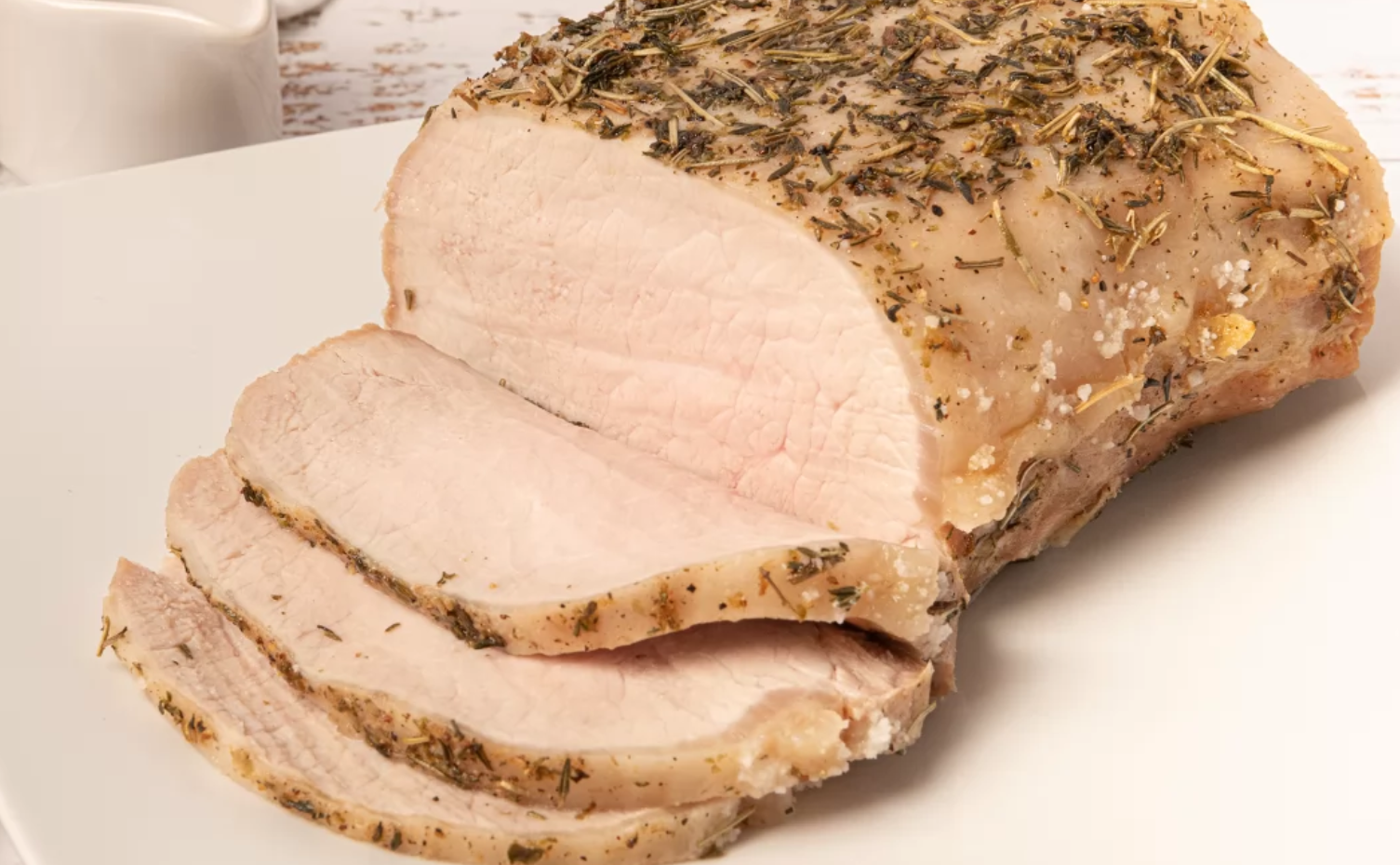
Roasting meat to perfection can often seem like a daunting task. However, simplicity can truly be the key to a delectable dish. Today we will explore a wonderful recipe for Salt-Crusted Pork Loin (Lomo a la Sal), which is both straightforward and effective, promising succulent and flavourful results every time.
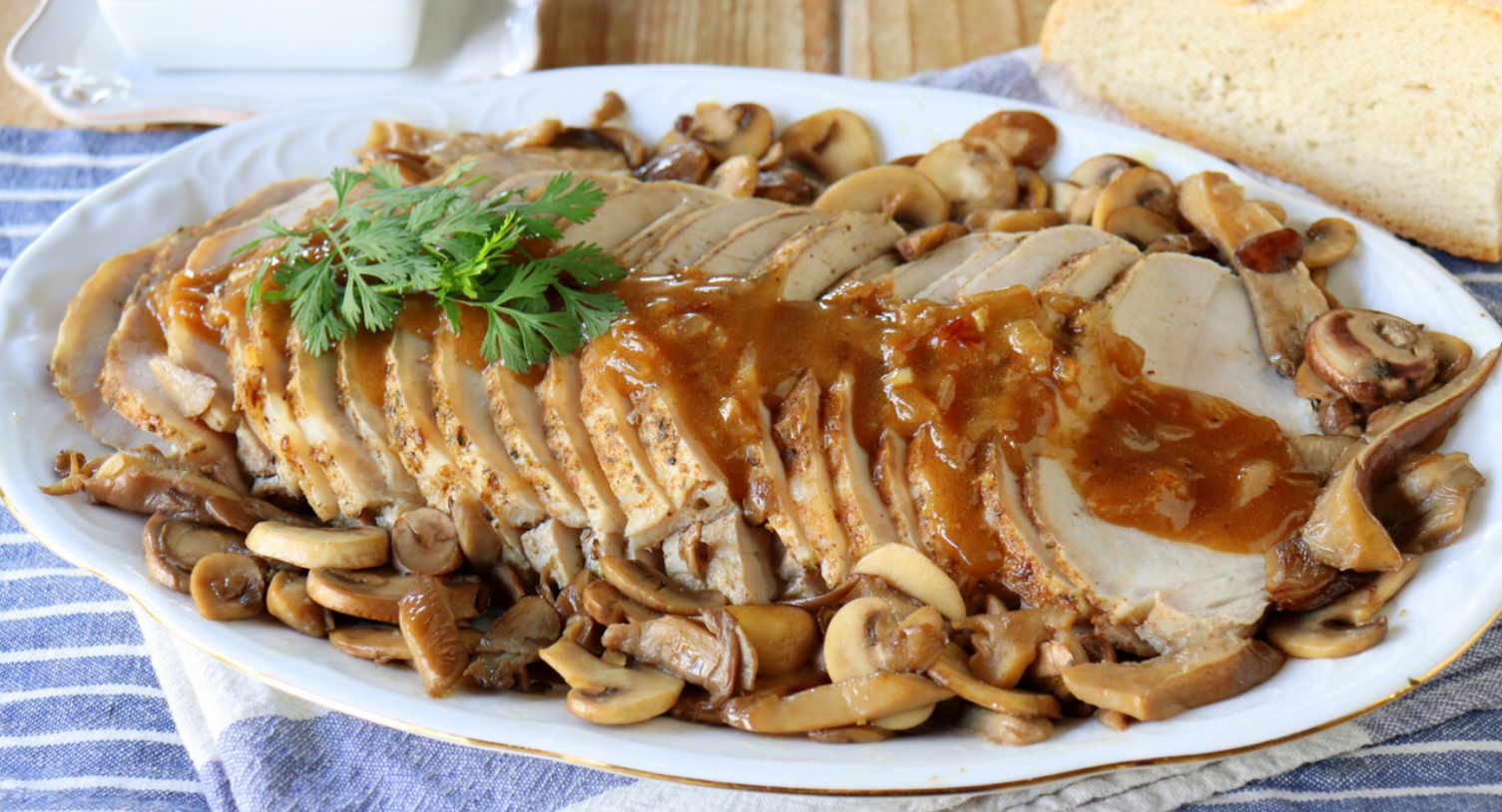
 

Here are the Ingredients you will need for 8 servings:

  • 1 kg Pork Loin
  • 2 kg Coarse Salt (suitable for roasting)
  • Spices to taste
  • Provençal Herbs to taste

Method:

Preparation Time: 5 minutes
Cooking Time: 45 minutes
Total Time: 50 minutes
Difficulty: Easy

1. Begin by ensuring the pork loin is clean. Rub it generously with your preferred mixture of spices and aromatic herbs. This can include anything from cumin and paprika to oregano, along with a blend of Provençal herbs. Once the meat is fully coated with the spices and herbs, set it aside while you prepare the salt crust.
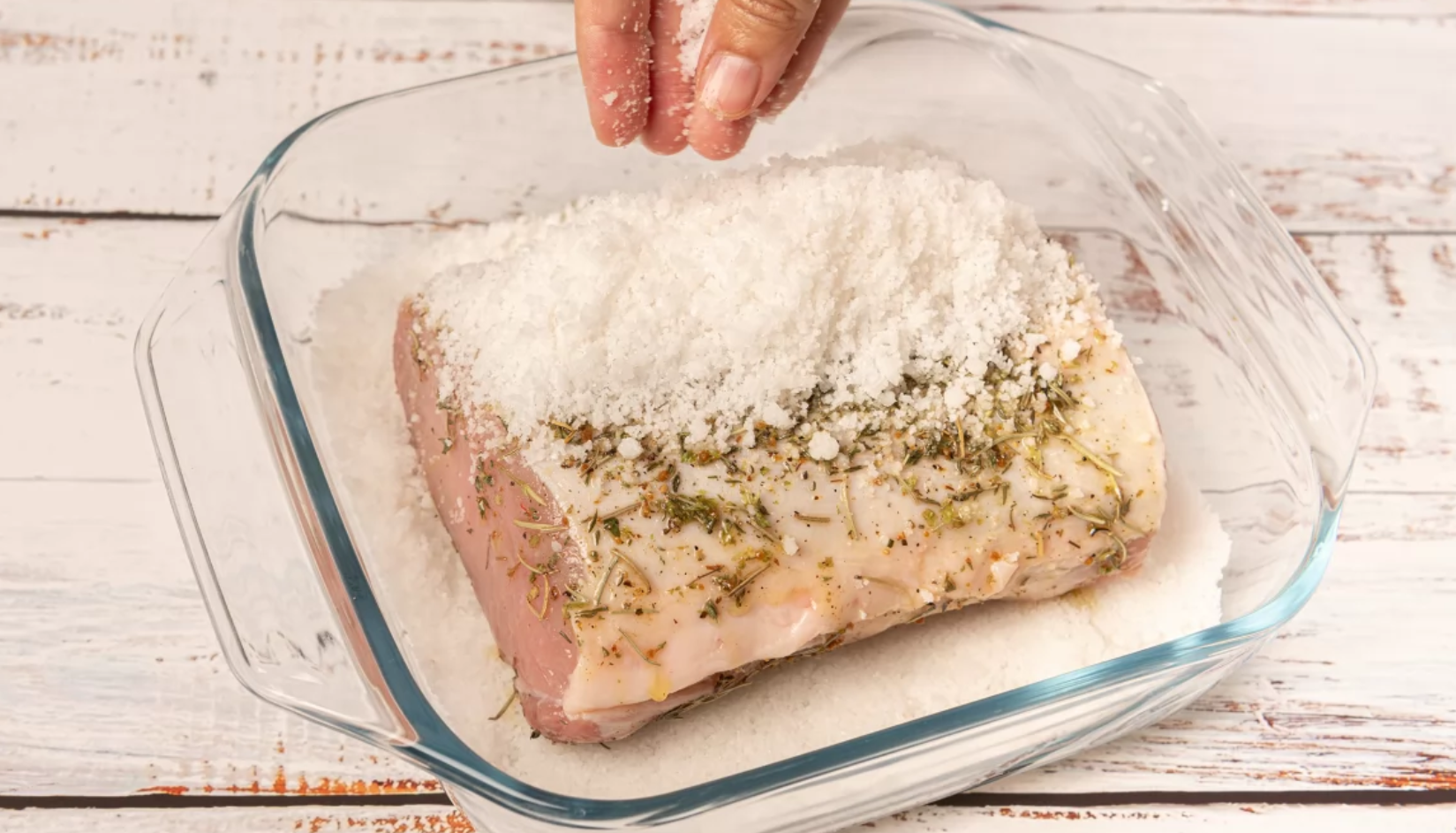


2. In a roasting tin or baking dish, spread a layer of coarse salt about one centimetre thick to form a base. Place the seasoned pork loin on top of this bed of salt. Then, cover the pork loin entirely with more coarse salt, ensuring it is well enveloped to form a thick cocoon.
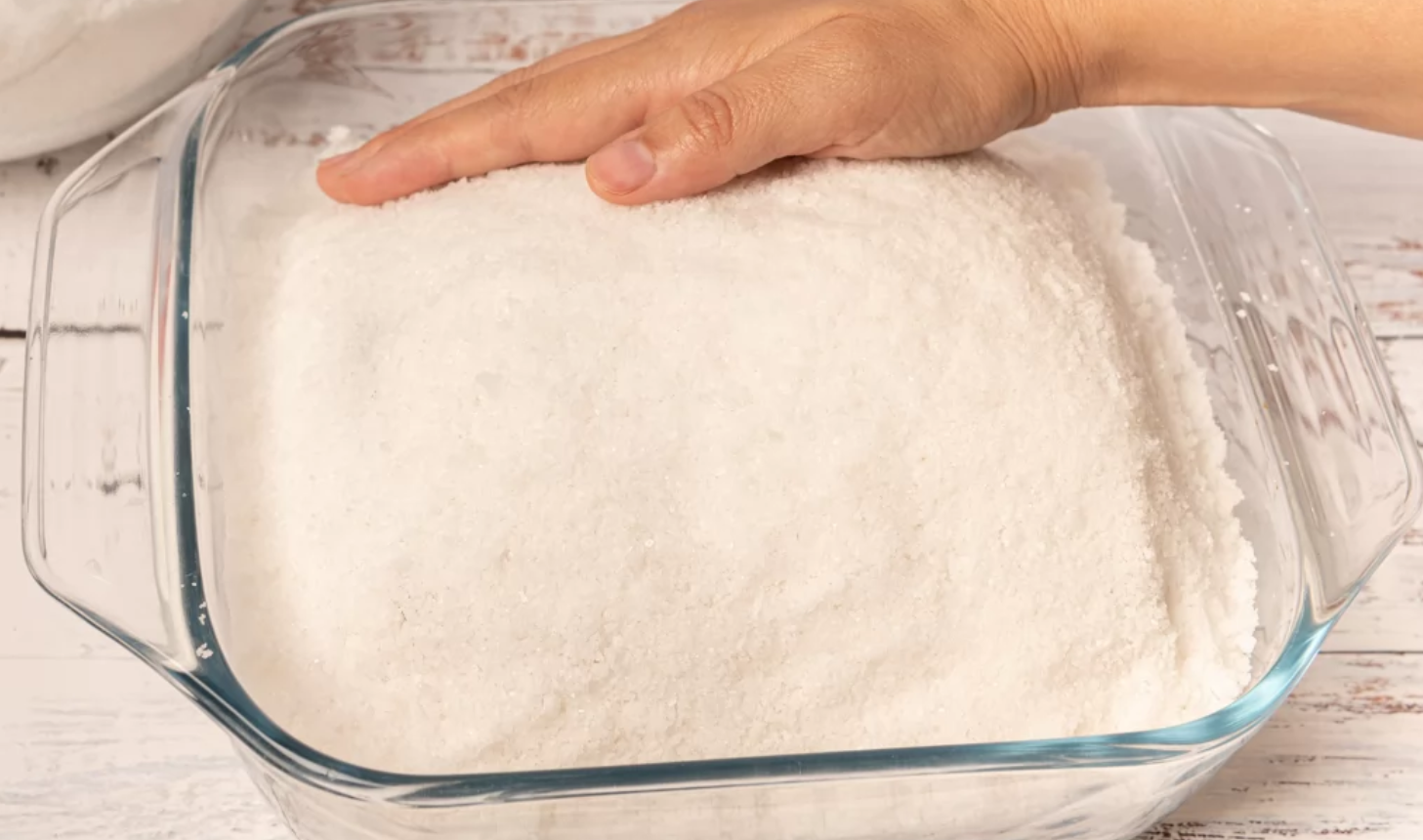
3. Preheat your oven to 180°C (350°F). Roast the pork loin for approximately 45 minutes. This duration will yield a juicy and tender result. If you prefer your meat more well-done, you may extend the roasting time to 50 or even 55 minutes for a kilogram of meat.

4. While the pork loin is roasting, you can begin preparing a sauce to accompany it. A simple and flavourful sauce can be made by gently sautéing some onions cut in julienne. Add a splash of white wine and a pinch of flour to the onions, reducing and lightly blending the mixture. Enrich the sauce further with the juices released by the pork loin when it is sliced.
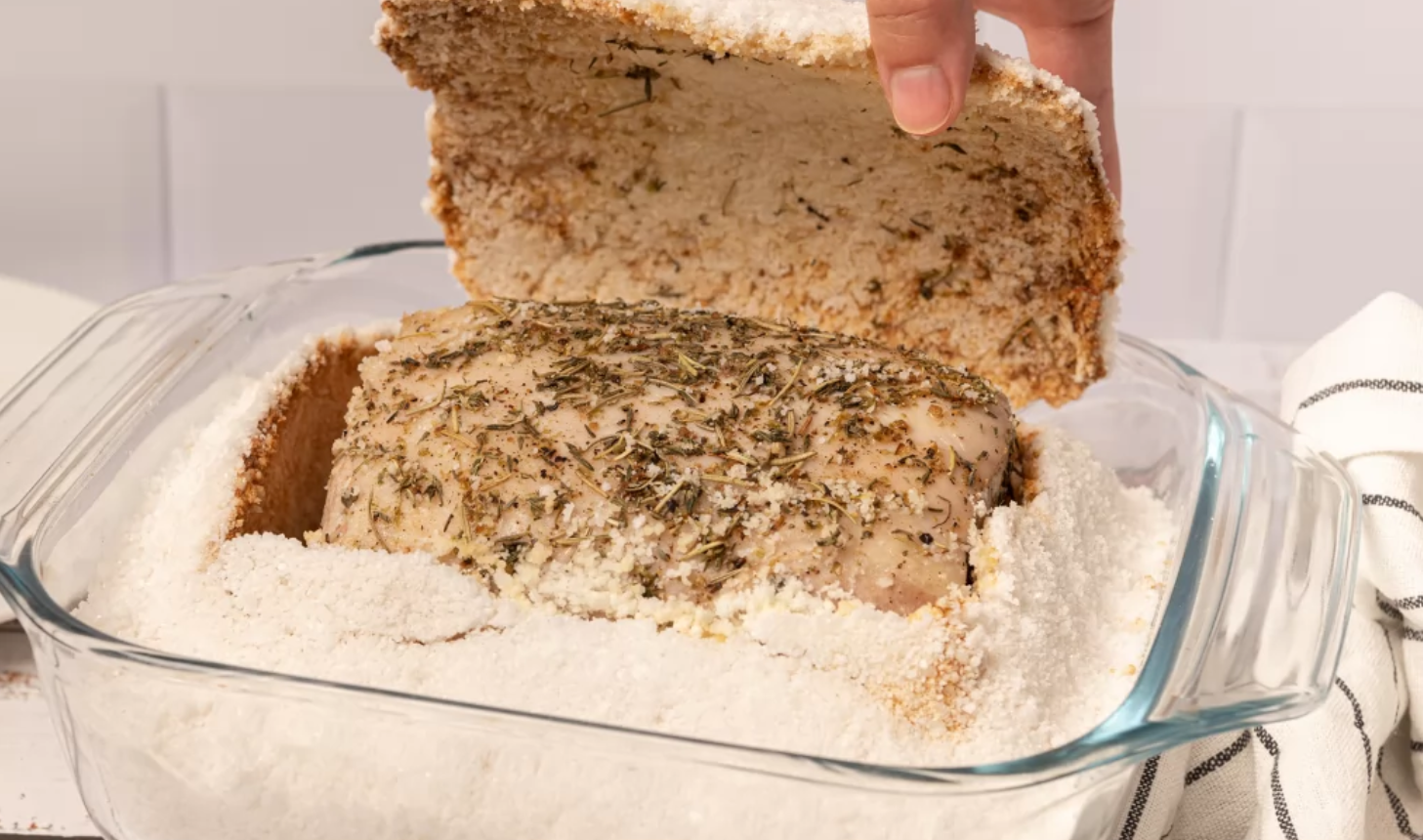
5. Once the pork loin is done roasting, let it rest briefly before breaking away the salt crust. Slice the meat into fine, thin slices.

6. Serve the beautifully moist and tender salt-crusted pork loin with your chosen sauce and your preferred side dishes.
Accompaniments:

To elevate your Salt-Crusted Pork Loin dish, consider serving it with sautéed mushrooms or grilled vegetables as a side. These options complement the rich flavour of the meat wonderfully.

The Technique

Why Salt-Crusting Works:
Salt-crusting is a traditional cooking method where meat (or even fish) is encased in a thick crust of salt before roasting. The key to this method's success lies in the salt's ability to create a seal that prevents moisture from escaping. This means that the pork loin remains incredibly juicy and tender, while also absorbing the flavours of the herbs and spices used in the rub.

Versatility:
Despite its simplicity, the salt-crust method allows for a great deal of flexibility with seasoning. You can experiment with a variety of spice blends, herbs, and even incorporate some citrus zest to infuse the meat with diverse flavours.

Presentation:
Cracking open the salt crust at the table adds an element of theatre to your meal. It’s a great way to impress your guests and highlight the effort you've put into preparing a memorable dinner.

Making the Most of Your Pork Loin

Beyond its use as a centrepiece roast, the leftovers from your Salt-Crusted Pork Loin can be versatile. Thin slices of the pork loin can be used in sandwiches and salads, providing a light yet flavourful protein. Additionally, you can use the pork in cold cuts, making it an excellent addition to a charcuterie board.

Complementary Sauces

As the original article suggests, this dish does not inherently produce a sauce. Hence, preparing a complementary sauce is essential to round out the meal. Some classic options include:

1. Spanish Sauce:
A rich brown sauce made with onions, carrots, celery, flour, and beef stock simmered and strained. This traditional sauce melds perfectly with the savoury pork loin.

2. Mushroom Gravy:
A creamy mushroom sauce made by sautéing mushrooms in butter, adding flour, and deglazing with white wine and cream. The umami flavour of the mushrooms pairs beautifully with the pork.

3. Mustard Sauce:
A quick and tangy mustard sauce made with Dijon mustard, honey, and a splash of cream. This sauce adds a delightful sharpness to counterbalance the richness of the meat.

Suggested Side Dishes

1. Sautéed Mushrooms:
Quickly cooked in butter and garlic, these add a depth of flavour and a slight chewiness that complements the tender pork.

2. Roast Vegetables:
Carrots, parsnips, and Brussels sprouts roasted until caramelized provide a sweet and earthy counterpoint to the savoury pork.

3. Mashed Potatoes:
Creamy and rich mashed potatoes serve as a perfect bed to soak up any delicious sauces you have prepared.

Roasting a Salt-Crusted Pork Loin is an exquisite way to achieve perfectly cooked, juicy, and flavourful meat with minimal fuss. This method, while simple, guarantees impressive results that will delight your guests. Paired with a well-chosen sauce and complementary side dishes, it makes for an unforgettable meal.

Feel free to experiment with the recipe and make it your own. By adjusting the spice rub and trying out different side dishes, you can tailor this classic roast to suit any occasion. Serve it up at your next dinner party, and watch as your guests marvel at your culinary prowess.

Enjoy!


Like 2        Published at 1:01 AM   Comments (2)


Spam post or Abuse? Please let us know


This site uses cookies. By continuing to browse you are agreeing to our use of cookies. More information here. x