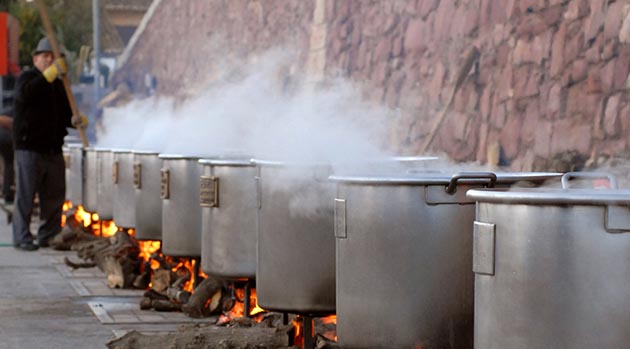
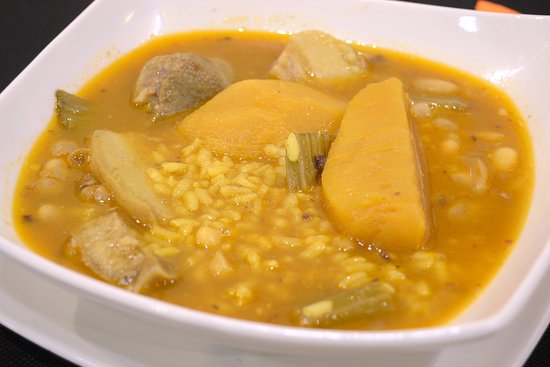
‘L’arròs amb fesols i naps’ is a well-known Valencian dish also known as “Caldera”, ‘Olla de San Antón’ ò “Olla Pobre” (poor man’s pot). Whichever way you call it, it is a fantastic dish, which is ever so easy to make. Commonly made all around the Valencian Community during village festivities it is on a par with Paella when it comes to feeding large crowds. Traditionally made in tall cauldron pots, it can be just as easily made at home in a large casserole pot.
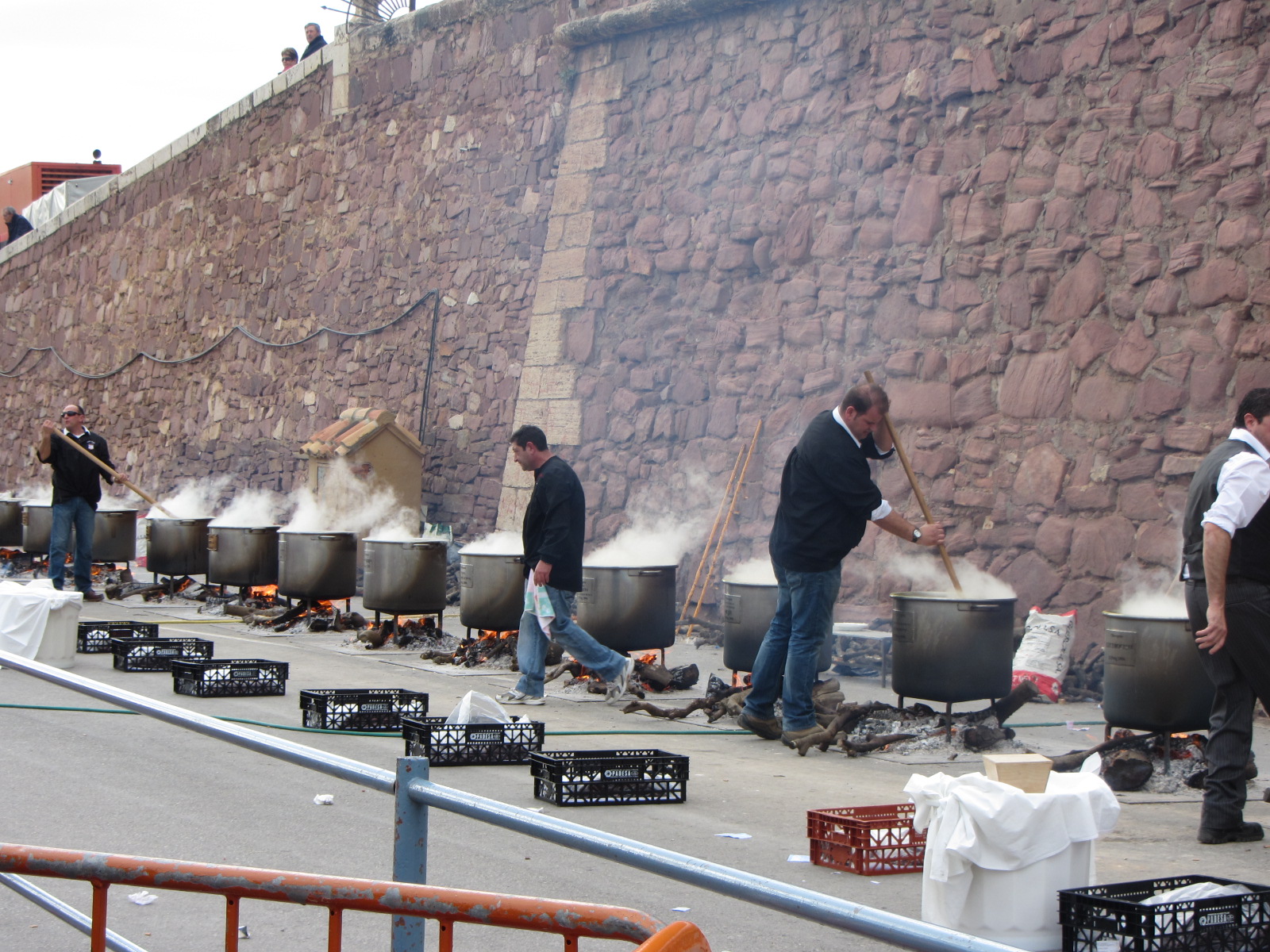
In the Valencian village of El Puig de Santa Maria, cooking rice in the town square has become a yearly tradition as it marks one of the highlights of their patron saint festivities - feeding the village. San Pere is a rather unusual festivities with numerous spectacles - apart from enjoying a hot plate of hearty rustic food - they also have the rather unusual tradition of throwing rats around the town square, yes! Rats! Fortunately, it is not on the same day so there is no chance of a stray rodent flying into the cooking pots! San Pere is celebrated on the last Sunday of January each year, this year it falls on the 25th.
Usually cooked over a log fire made with orange tree wood, it is custom to prepare this on the day of the villages’ patron saint and a plate is handed out to anyone who wants one. It is not unusual to see Falleros preparing it during the Fallas festivities too.
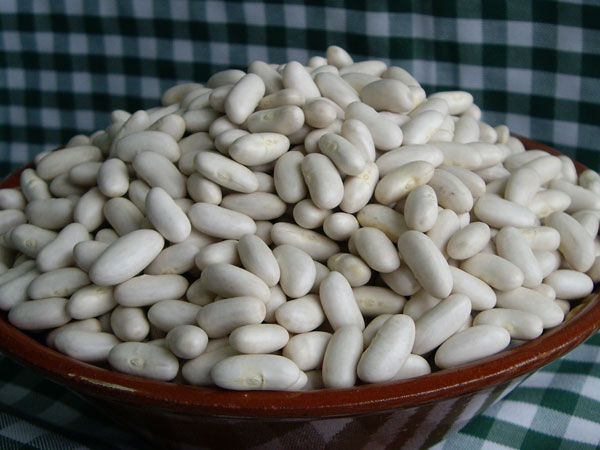
 20.23.16 - Copy 1.png) In English, we would call it ‘Rice with beans and swede’ although it does have some meat in it as well. The basic ingredients include pork (ear, snout, trotters, nowadays some lean pork is included and sometimes bacon), white sausage, onion morcillas, white beans, swedes (also known as yellow turnip), and edible cardoon, round Valencian rice, paprika and salt. As with many dishes born out of poverty, this one is no different, nowadays it isn’t unusual to find versions which substitute some of the cheaper cuts of pork for beef or lamb which also reduces the fat content and calorie count! Additionally, other areas such as L’Horta near the camp de Turia will substitute the white beans for garrafón, the large flat bean used in paellas. However, in all cases the essential ingredient that always characterises the flavour of this dish is swede, which gives a lovely sweet touch to the broth.
In English, we would call it ‘Rice with beans and swede’ although it does have some meat in it as well. The basic ingredients include pork (ear, snout, trotters, nowadays some lean pork is included and sometimes bacon), white sausage, onion morcillas, white beans, swedes (also known as yellow turnip), and edible cardoon, round Valencian rice, paprika and salt. As with many dishes born out of poverty, this one is no different, nowadays it isn’t unusual to find versions which substitute some of the cheaper cuts of pork for beef or lamb which also reduces the fat content and calorie count! Additionally, other areas such as L’Horta near the camp de Turia will substitute the white beans for garrafón, the large flat bean used in paellas. However, in all cases the essential ingredient that always characterises the flavour of this dish is swede, which gives a lovely sweet touch to the broth.
This rice broth or ‘arroz caldoso’ as we would call it is without a doubt the most widely established dish in the Valencian Community especially this time of year. It is, after the paella, probably the most popular rice dish for the locals and still greatly unknown by foreigners but the ritual behind this recipe does stir up a lot of curiosity. It is enjoyed throughout the L'Horta Nord (the northern region of Valencia famous for its vegetable fields)
In Vinalesa, a village in L’horta Nord they prepare their version of this dish on the 13 and 14 of October during their annual festivities. It is a recipe that is traditionally cooked by men, as with paella, in fact in Spain, men normally prepare any recipe that involves firewood. It’s sort of like the caveman syndrome. If it needs fire it’s a man’s job if it needs sweat, it for the women, that’s why the women the day before have to peel all the vegetables and are known as the ‘peladores’ or ‘the peelers’ while the men cut up the meat and prepare the wood. It’s kind of like a barbecue back home; it’s a man’s thing isn’t it? Nonetheless, all are happy and a huge quantity of food is prepared and given out to all the village.
In Godella, the Clavarios de San Antonio prepare this rice dish, en Masalfasar they also make this dish for the day of San Anton which has just past and they call it Poorman’s Pot: ‘Olla Pobre’. In Almàssera they call it ‘Caldera’, en Estivella they prepare it for the day of San Blas, en Alaquas they celebrate ‘El Porrat’ en honour of San Francisco de Paula on the 23rd of March and hand out this dish to anyone who happens to pass by. In Foios, Villarmarxante, Olocao and practically every other village in the community will have a special day for preparing this rice broth. It is unique and well worth trying. After the paella, it doesn’t get much more Valencian.
Here is the basic recipe for 6 people : 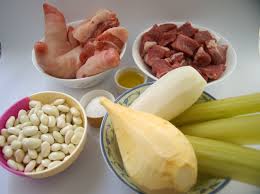
300g Round Rice from Valencia
300g White Beans (soaked in water overnight)
300g Pork pieces (ears & snout)
300g Lean Beef in 3 large pieces
1 Pig’s tail cut into pieces
3 Pigs trotters cut into pieces
200g Pork Pancetta / un-smoked bacon
2 Onion Morcilla
1 Large White sausage – Blanquet
3 Medium-sized swedes
2 sticks of edible cardoon
3 medium-sized Potatoes
2 tsp. Paprika (de la Vera)
Saffron
Salt
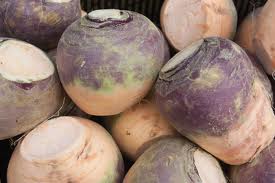
The process is really very simple. Fill a large deep stew pot with 3 litres of water. It should fill the pot to about ¾’s of its maximum volume. Start to heat up the water on a medium heat with a large pinch of salt.
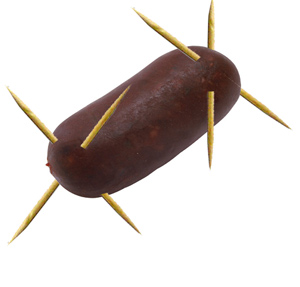 Once the water is hot, add all the meat to the water, cut it up previous into manageable pieces, but not too small so they are easy to remove afterwards if you don’t want to eat them. I am not a great fan of ears, snout or trotters, so I just use them for flavour and separate them afterwards. I prefer the beef and pancetta with the morcillas and the white sausage. It is important to remember to create a cross on either end of the morcillas with toothpicks otherwise they will disintegrate in the broth. Once all the meat is in, let it cook for an hour or so.
Now you will need to add the swedes and the cardoon. Don’t chop the swedes up too small; they should be in medium-sized chunks/pieces. Let it cook on low heat for another hour.
Now we will add a pinch of saffron and the paprika. Remember we should always cook the paprika before adding it to any dish, so get a small frying pan and add a little extra virgin olive oil, heat up the oil and add the paprika, stir it and fry it for a few seconds and then add a ladle of stock to the pan from the pot, stir around and pour it all back into the stew pot and mix in.
Now we need to add the potatoes and the beans. Cut the potatoes into medium-sized chunks. After 10 minutes we will need to add the rice but check for salt before doing so. Once the rice has been added stir in and cook(simmer) for a further 15 minutes and then remove from the heat. If the rice is still a little tough it will continue cooking in the stock so don’t worry.
That’s it. Serve up in a bowl or deep plate with a mixed salad and fresh crusty bread with a glass of red wine. It is also customary to eat this with raw sweet onion cut into pieces and sprinkled onto the plate. Then again if you find this too complicated and happen to be within driving distance of El Puig, why not pop along on Sunday 29th and get a plate from the experts?
ENJOY!
http://www.elpuigturistico.net/puig/Web_php/index.php