When most visitors think of the Valencian Community, the image of a sizzling paella pan immediately springs to mind. And rightly so—Paella Valenciana, born in the rural fields around the Albufera wetlands, is an icon that has rightfully earned its place as a symbol of Spanish culture and unity.
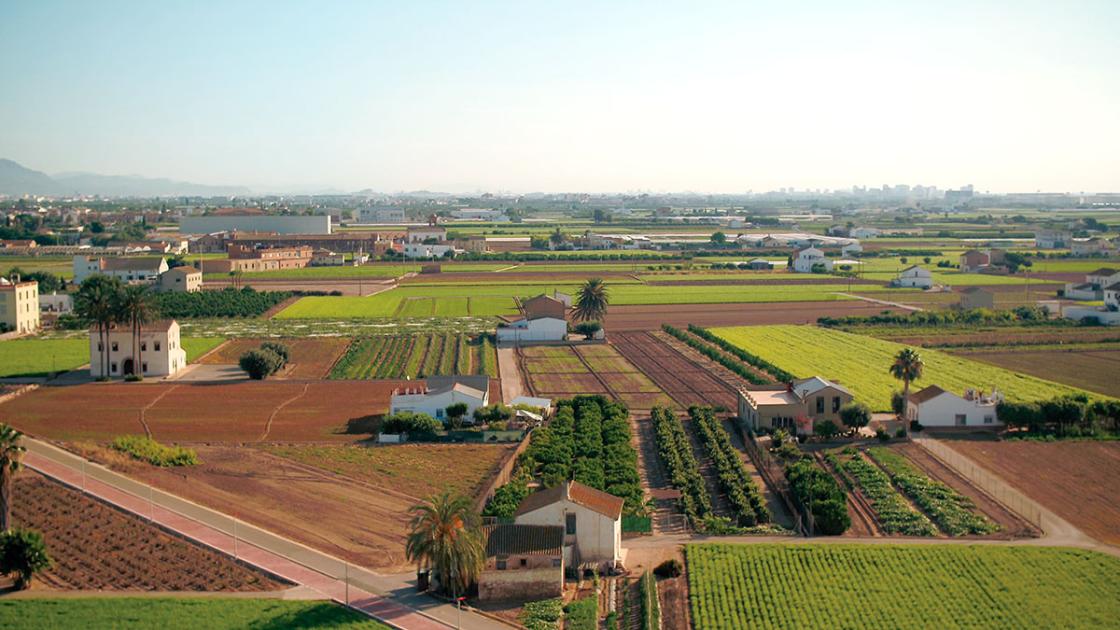
However, limiting your palate to just one rice dish overlooks the "pantry of the Mediterranean." The Valencian culinary landscape is defined by the unique harmony of its three great environments: the huerta (fertile orchard lands), the rugged mountains, and the life-giving coast.
The Three Pillars of Valencian Flavours
Valencian cuisine is not just about the food; it is a historical record of the region’s diverse inhabitants. From the irrigation systems left by the Moors to the ingenuity of local fishermen, each dish tells a story.
1. The Legacy of the Huerta
The fertile plains surrounding Valencia provide the foundation for the region’s diet. Products like the garrofó (a local lima bean), fresh artichokes from Benicarló, and citrus fruits are the backbone of the pantry. Many traditional vegetable-heavy dishes, such as esgarraet (a salad of roasted peppers and salted cod) or titaina, reflect a long tradition of "farm-to-table" eating long before it became a modern trend.
2. The Bounty of the Albufera
The Albufera lagoon is the heart of Valencian rice production and the birthplace of several essential stews. Perhaps the most rustic and traditional of these is All i pebre. Translating literally to "garlic and pepper," this potent, flavour-packed stew of eel, potatoes, garlic, and paprika was the humble sustenance of fishermen. It is a testament to the region’s history of "making do" with what was abundant in the local waters.
 - Copy 2.jpeg)
3. The Coastal Improvisation: Fideuà
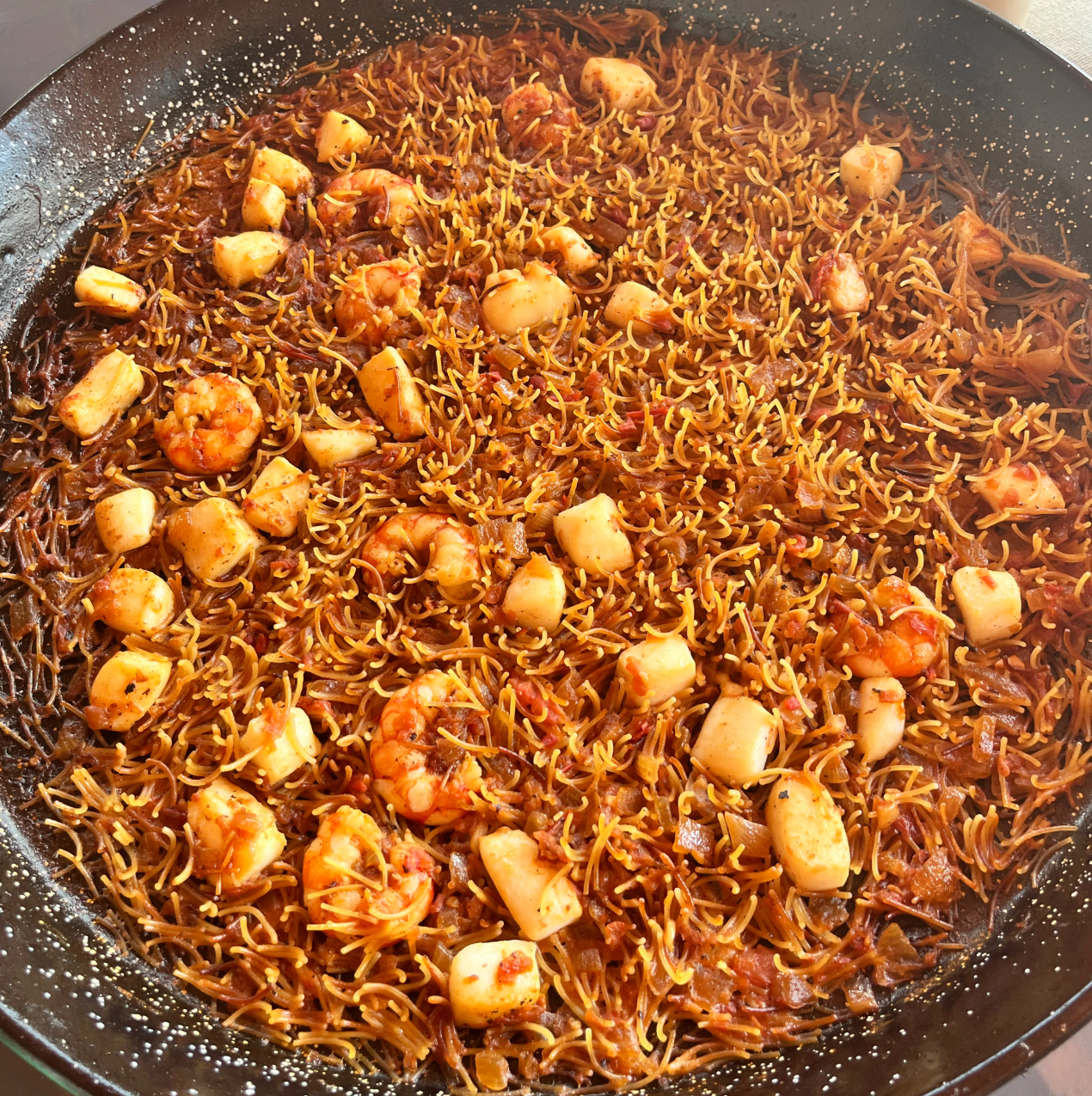
While rice dominates the inland fields, the coast gave us Fideuà. Legend has it that the dish was born in the port of Gandia in the early 20th century. A ship's cook, intending to make a seafood paella, realised they were out of rice. Ingeniously, they substituted noodles, and a new coastal classic was born. Today, it remains the ultimate seaside alternative to paella, celebrated for its unique texture and deep fumet (fish stock) base.
Ancient Traditions and Modern Refreshers
Beyond the main courses, Valencia holds a deep connection to its past through its unique sweets and beverages, many of which are legacies of its Muslim history.
-
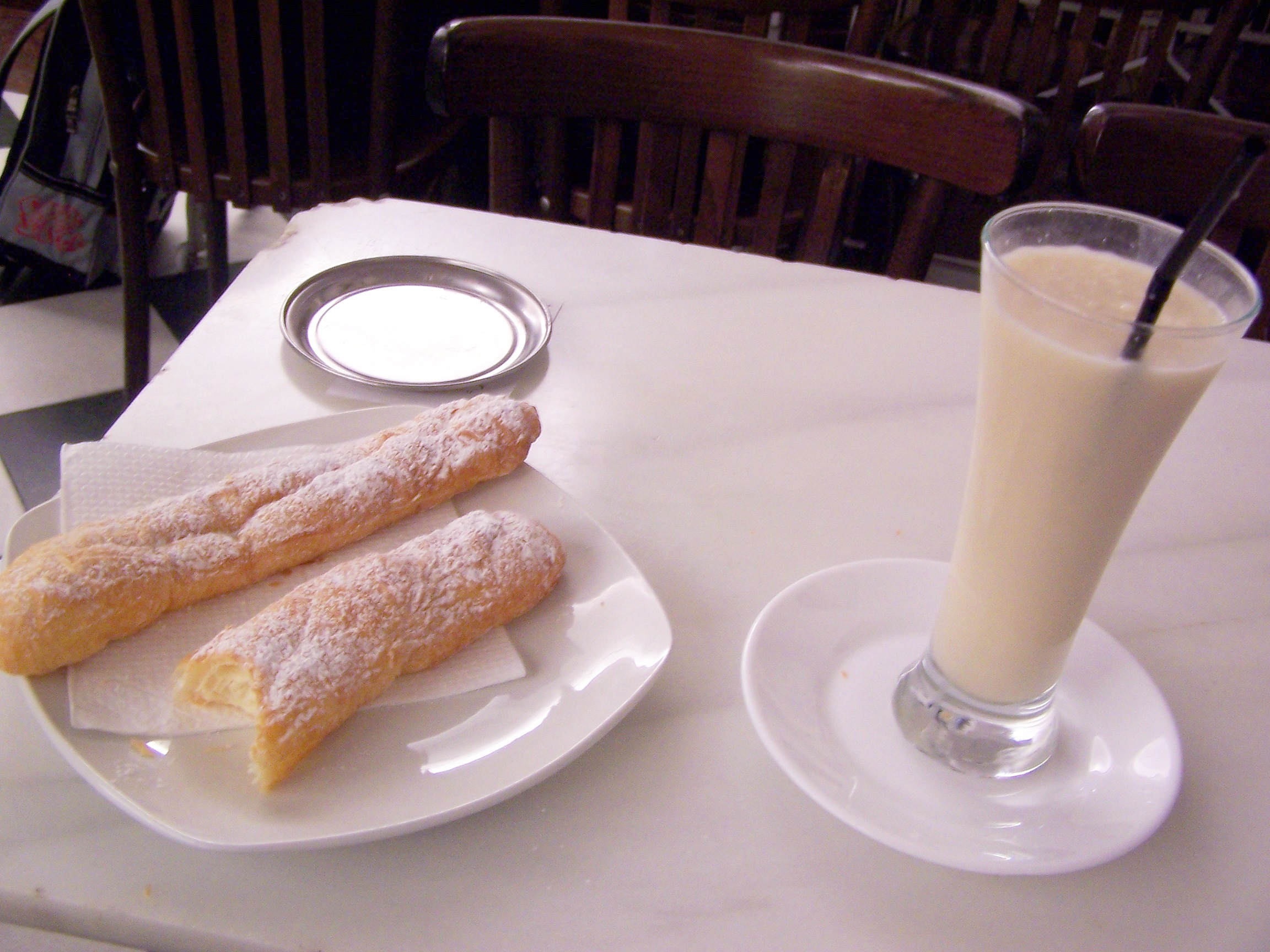
Horchata (Orxata): Made from chufas (tiger nuts), this drink is a direct descendant of the region's Moorish past. It is not just a drink; it is a cultural institution, typically served ice-cold and paired with fartons—long, sweet buns designed for dunking.
-
Sweet Traditions: From Arnadi (a pumpkin, almond, and sugar cake) to various types of coca (sweet flatbreads), Valencian confectioners rely heavily on almonds and honey—ingredients that have been staples of the region for centuries.
 - Copy 3.jpeg)
-
El Esmorzaret: If you want to truly experience Valencian culture, you must participate in esmorzaret. More than just a mid-morning snack, it is a ritualised "brunch" legacy of the farmworkers. It is a social event where locals gather in traditional bars to enjoy hearty bocadillos, pickles, and local olives—a true gourmet experience for those who know where to look.
 - Copy 3.jpeg)
Why Valencian Cuisine Matters
Valencian gastronomy is a benchmark for sustainable, locally sourced eating. With 16 recognised Designations of Origin (D.O.) for products ranging from olive oil to turrón, the region protects its culinary heritage with immense pride. Whether it is the celebrated World Paella Day in September or the simple act of visiting a municipal market to buy seasonal produce, Valencian food is a living, breathing tradition.
The next time you sit down for a meal in Valencia, look past the tourist menus. Seek out restaurants that highlight the "D.O. Comunitat Valenciana" label on their olive oil or rice. It is the surest sign that you are eating food that is deeply rooted in the soil of the region, rather than a generic interpretation designed for passing holidaymakers.
From the rustic eel stews of the Albufera to the sweet, nutty refreshment of a glass of horchata on a scorching afternoon, the Valencian Community offers a staggering depth of culinary history.
What is the most memorable dish you have discovered while travelling through the Valencian region? Share your favourite Valencian food experiences in the comments below!