Quick 20-minute Bean & Chorizo Stew
Friday, September 25, 2026
When the autumn breeze rolls across the Spanish plains and evening temperatures dip along the Costas, dinner tables across the country undergo an immediate transformation. The chilled summer gazpachos and crisp tomato salads disappear, replaced by steaming bowls of platos de cuchara—literally, "dishes eaten with a spoon."
Traditional Spanish bean stews (potajes and guisos) are famous for simmering away gently on the hob for hours. But you don't need a whole afternoon free to enjoy that comforting, authentic flavour. Inspired by the dairy-free classic from Recetas Sin Lactosa, this potaje de habichuelas blancas y pintas pairs creamy white cannellini beans with earthy pinto beans in a rich, paprika-laced tomato and chorizo broth. By taking a cue from modern Spanish home cooks and using quality pre-cooked jarred pulses (legumbres de bote), you can serve a rich, belly-warming regional stew in barely 25 minutes for just a couple of pounds per bowl.
.jpeg)
Why Spanish Cooks Swear by "Legumbres de Bote"
Purists might insist on soaking dried beans overnight with a pinch of bicarbonate of soda, but walk down the aisle of any Mercadona, Consum, or Carrefour, and you will find entire walls dedicated to tall glass jars of cooked pulses preserved simply in water and salt.
In Spain, using jarred beans is not considered cutting corners—it is a respected household staple. Quality Spanish jarred beans (alubias cocidas) are tender, creamy, and hold their skins perfectly without turning to mush. Combining two distinct varieties—silky white beans (alubias blancas) and robust, speckled pinto or red beans (habichuelas pintas)—creates a gorgeous contrast of textures and colours.
Ingredients & Shopping List
Serves 4 generously | Naturally dairy-free / lactose-free
The Pantry & Produce
-
1 jar (400g drained) cooked white beans (alubias blancas or cannellini)
-
1 jar (400g drained) cooked pinto or red beans (habichuelas pintas)
-
1 medium brown onion, finely diced
-
3 cloves garlic, peeled and finely sliced
-
1 red bell pepper, deseeded and diced
-
1 green Italian frying pepper (pimiento verde italiano), diced
-
1 large ripe beefsteak tomato, grated (halve the tomato and grate the flesh against a box grater, discarding the skin)
-
1 dried choricero pepper or 1 heaped tsp of carne de pimiento choricero (choricero pepper paste, available in small jars in Spanish supermarkets; substitute with an extra pinch of smoked paprika if unavailable)
The Seasoning & Aromatics
-
1 tbsp sweet smoked paprika (Pimentón de la Vera dulce)
-
1 whole bay leaf
-
1 tsp ground cumin (adds an earthy Andalusian depth)
-
3 tbsp extra virgin olive oil
-
400ml – 500ml warm chicken, beef, or vegetable stock (or water)
-
Fine sea salt and freshly cracked black pepper, to taste
The Meat (Optional for a Vegetarian Version)
Step-by-Step Cooking Method
1. Render the Chorizo
Set a heavy-bottomed casserole dish or traditional clay earthenware pot (cazuela) over medium heat with one teaspoon of olive oil. Add the sliced chorizo and fry gently for 3 to 4 minutes until it turns crisp at the edges and releases its fragrant, ruby-red oil. Scoop the chorizo out with a slotted spoon onto a plate, leaving the seasoned oil behind in the pan.
2. Build the Sofrito
Add the remaining olive oil to the same pan over medium-low heat. Toss in the diced onion, red pepper, and green pepper with a pinch of salt. Cook gently for about 8 to 10 minutes until soft and translucent—never browned. Stir in the sliced garlic and fry for another 60 seconds until fragrant.
3. Add the Pimentón and Tomato
Slide the pan briefly off the hottest part of the hob. Sprinkle in the sweet smoked Pimentón de la Vera and cumin, stirring briskly for 20 seconds.
Return the pan to medium heat and simmer the tomato mixture for 4 to 5 minutes until reduced and rich.
4. Simmer the Beans
Gently fold in both the rinsed white and pinto beans, along with the bay leaf. Pour over the warm stock until the beans are just submerged (do not drown them; a good potaje should be thick and spoonable, not watery). Bring to a gentle simmer over low heat for 10 minutes, letting the pulses absorb the sofrito flavours.
5. Combine, Thicken, and Rest
Stir the cooked chorizo back into the pot during the final 5 minutes of cooking. If you prefer a thicker sauce, mash a spoonful of beans against the side of the pot or in a cup and stir it through. Taste the broth, adjusting the salt and pepper if needed.
Turn off the heat, cover the pot with a lid, and let it rest undisturbed for 5 to 10 minutes before serving. This brief pause allows the starch in the beans to settle and emulsifies the olive oil into a glossy sauce.
How to Serve It
Dish the stew piping hot into wide, shallow bowls. Essential accompaniments include:
-
Crusty Bread: A crusty white baguette (barra de pan) or sourdough loaf is non-negotiable for rebañar—mopping up every last drop of the smoked paprika broth.
-
Pickled Chillies (Guindillas / Piparras): Serve a small dish of mild pickled green Basque chillies alongside. Their sharp acidity cuts through the richness of the chorizo.
.jpeg)
Because this dish has no milk products, butter, or flour, it's naturally 100% dairy- and gluten-free (just verify your chorizo packaging for gluten certification). Even better, like almost all Spanish spoon dishes, it tastes even richer reheated the following day for lunch!
 2
Like
Published at 9:46 PM Comments (0)
The Mediterranean Like Bathwater: Spain's Sea Temperatures Smash All-Time Records
Friday, September 11, 2026
If you dipped your toes into the sea off Mallorca or the Costa Brava this summer and wondered why it felt more like stepping into a warm bath than a refreshing plunge, official data has just confirmed your suspicions. Spain's state port authority, Puertos del Estado, has revealed that coastal waters around the country have shattered all previous historical records.
.jpeg)
Leading the unprecedented surge was the monitoring buoy off Sa Dragonera (Andratx) in southwestern Mallorca, which registered an eye-watering sea surface temperature of 33.02°C (91.44°F) on 5 August. That marks the highest single water temperature ever recorded across the entire Spanish port monitoring network. Far from being a freak, isolated hotspot, the data confirms a broad marine heatwave gripping Spain's coastlines from the Balearics all the way up to the Atlantic Bay of Biscay.
Unprecedented Heat Across the Entire Coastline
The staggering reading off Mallorca was merely the headline of a summer where virtually the entire Levante-Balear basin broke local sea temperature benchmarks:
-
Mallorca (Sa Dragonera): Hit an all-time Spanish network record of 33.02°C on 5 August.
-
Catalan Coast: Buoys off Tarragona and Barcelona registered peaks of 30.7°C and 30.5°C respectively on 9 August—temperatures typically expected in the Caribbean, not the western Mediterranean.
-
The Northern Atlantic Coast: Even the notoriously brisk Bay of Biscay wasn't spared; the coastal buoy near Pasaia in the Basque Country touched 28.4°C in late June, while another northern deep-water station logged an all-time record of 25.27°C in mid-August.
This marine heatwave mirrored brutal conditions inland. State meteorological agency AEMET reported that Spain endured 61 days under official heatwave conditions across the mainland and Balearics this year—trouncing the previous record of 41 days set in 2022.
EOS Insider Context: A sea temperature of 33°C is roughly four degrees above the historical long-term average for the Balearic Sea. When water gets this hot, it ceases to provide natural coastal air conditioning. Instead, it prevents night-time temperatures on land from dropping below 25°C, turning seaside bedrooms into oppressive saunas and sending household electricity bills soaring through relentless air conditioning use.
The Autumn Warning: Why Warmer Seas Mean Bigger Storms
For those of us living on the Spanish coast or maintaining holiday homes here, "bathwater seas" are far more than a casual poolside talking point. In the Mediterranean, excessive marine heat is the primary fuel for devastating autumn weather systems.
When cold air aloft clashes with a volatile, moisture-laden marine layer, the resulting storms (depresiones aisladas en niveles altos, or DANAs) can drop hundreds of litres of rain per square metre in just a few hours. With sea surface temperatures sitting at unprecedented highs entering mid-September, meteorologists and emergency services across the Balearics, Valencia, and Murcia are on heightened alert for an unpredictable autumn storm season.
Practical Checklist: Preparing Your Spanish Home for the Autumn Rains
If you own a property on the coast or are locking up a holiday home before heading back to the UK, now is the time to prepare:
-
Clear Roof Terraces and Drains: Fallen bougainvillaea, pine needles, and dust from summer calimas quickly block balcony drains. A single torrential downpour can pool water several inches deep and flood into living areas within minutes.
-
Inspect Awnings and Pergolas: High sea temperatures feed localised squalls with severe gale-force gusts. Retract and lash down summer shade sails, sun awnings (toldos), and patio furniture.
-
Check Guttering and Downpipes: Ensure downpipes (bajantes) run clear to the street or garden rather than spilling into lightwells or patio corners.
-
Service Sump Pumps: If your property has a basement garage or lower-ground storage, test submersible sump pumps to ensure float switches are operating cleanly.
-
Review Home Insurance Coverage: Verify that your Spanish property policy covers severe weather and water ingress. In Spain, damage classified as an extraordinary natural disaster is handled through the Consorcio de Compensación de Seguros, which requires an active, paid-up private insurance policy to claim.
The Mediterranean's warmth makes autumn swimming delightfully pleasant for visitors, but the invisible thermal energy locked in the water demands respect. Keep an eye on local AEMET weather alerts as we transition into October.
Over to You: Noticeably Warmer Waters or Cause for Real Alarm?
Have you experienced the record sea temperatures firsthand while swimming in Spain this year? Are you taking extra precautions around your property ahead of the autumn storm season?
3
Like
Published at 11:24 PM Comments (0)
Leaving the Grey Behind: Why Even Spain’s "Cloudiest" Cities Leave Britain in the Shade
Saturday, September 5, 2026
There comes a point every year—usually right as the late-summer evenings begin to draw in or the British skies turn the colour of wet cement—when the pull of the Iberian sun feels entirely irresistible. For anyone who has ever stared out a window in London, Manchester, or Edinburgh and wondered why daylight feels like an optional luxury, new meteorological data offers some staggering perspective.
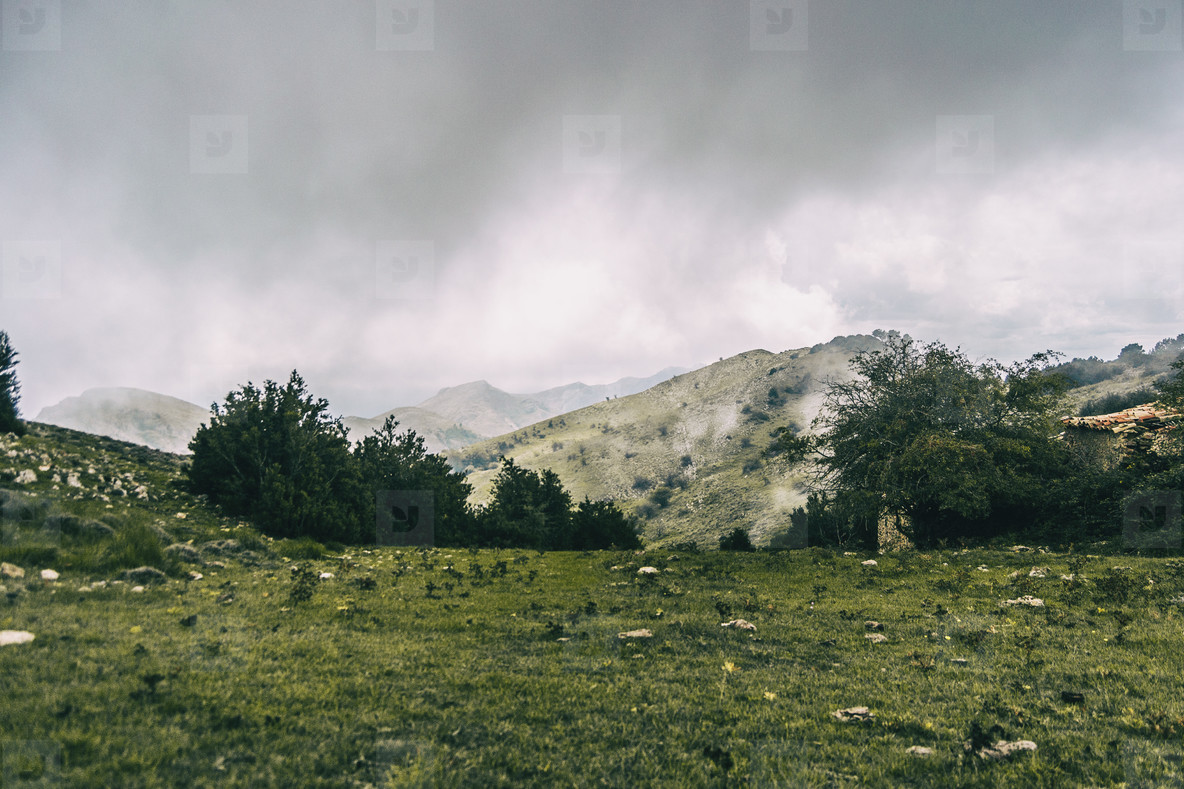
According to recent comprehensive European climate and sunshine studies, Spain doesn't just enjoy good weather—it utterly dominates the continental leaderboard. In fact, Spanish cities account for an astonishing two-thirds of the top 15 sunniest urban areas in all of Europe.
When researchers analysed average monthly sunshine hours and climate data across major European hubs, the results proved what sun-seeking expats have known for decades. Taking the overall European crown is the historic port city of Cartagena in the Region of Murcia, soaking up an incredible average of over 282 hours of sunshine every single month.
Hot on its heels are Andalusian powerhouses like Málaga and Seville, alongside regional hubs like Alicante and Murcia, all clocking astronomical sunshine scores that comfortably eclipse northern European norms.
Even when looking at Spain’s lower-ranked or cloudiest urban centres, the comparison against the UK is striking. Weather data highlights that even Spain and Portugal’s least sunny cities regularly leave the brightest spots in Britain looking dim by comparison. While cities like London average a modest 130 to 140 sunshine hours during peak months—often interrupted by persistent grey cloud cover—Spanish urban centres maintain relentless climate reliability well into the autumn months.
For British expats and property owners, the psychological and physical shift of living in a high-sunshine environment is one of the primary drivers for relocating to the peninsula.
-
The Extended Outdoor Season: While northern Europe begins dusting off winter coats and turning on central heating as September rolls around, much of Spain stays warm enough for shorts, T-shirts, and outdoor terrace dining deep into October.
-
The Vitamin D Factor: Cities like Málaga and Alicante offer a seamless blend of cultural infrastructure—from Roman theatres and Moorish fortresses to world-class museums—without forcing residents to compromise on daily sunlight.
-
Beating the Autumn Blues: Trading grey, overcast skies for dependable Mediterranean blue provides an immediate lift in lifestyle quality, explaining why coastal and southern Spanish property markets remain perennial favourites for international buyers.
Whether you are plotting a permanent escape from the British drizzle or simply planning an autumn getaway to recharge your batteries under a reliable blue sky, the data confirms what we already felt in our bones: in Spain, the sun is rarely a stranger.
2
Like
Published at 2:31 PM Comments (0)
Spam post or Abuse? Please let us know
|
|