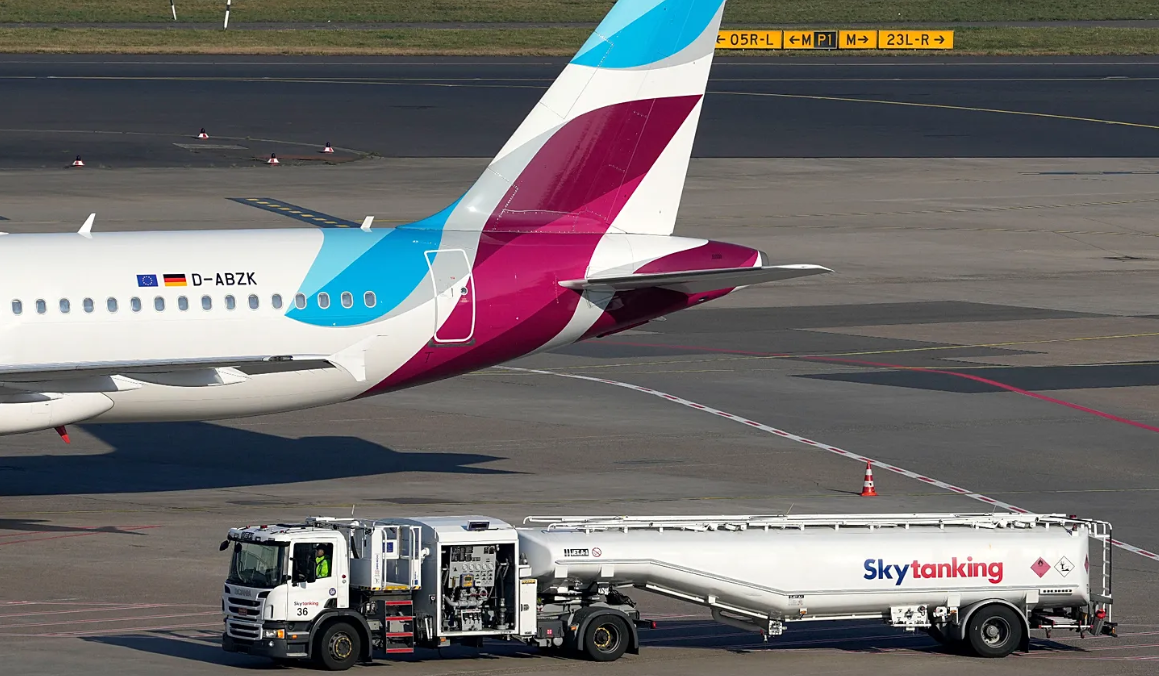
If you have been keeping an eye on the news lately, you will know that the aviation industry is facing severe turbulence. The ongoing geopolitical crisis in the Middle East has triggered a massive shock in energy markets, sending the cost of aviation fuel skyrocketing. Major airlines like British Airways, Lufthansa, and KLM have already begun trimming their schedules, and ticket prices are expected to jump by over £100 on some routes.
To make matters worse, regional low-cost carriers have been caught attempting to slap illegal "retroactive fuel surcharges" on passengers who had already bought their tickets, prompting an emergency intervention by the European Commission.
For the Eye on Spain community, "Surcharge Summer" is officially here. But if you refuse to pay extortionate flight prices—or if you're worried about sudden cancellations—there is good news: You don’t actually need to fly to get to your Spanish home.
With Europe’s rail and ferry networks expanding rapidly, travelling overland has become a viable, stress-free, and highly scenic alternative. Here is how to make the journey to Spain without setting foot on a plane.
1. The High-Speed Rail Route: London to Spain in a Day
Thanks to Spain’s massive investment in its AVE high-speed rail network and seamless connections through France, you can breakfast in London and enjoy tapas in Barcelona by late evening.
-
The Legs: You take the Eurostar from London St Pancras to Paris Gare du Nord (2 hours 15 minutes). After a quick metro or taxi transfer to Gare de Lyon, you board the direct TGV INOUI straight to Barcelona Sants (approx. 6.5 hours).
-
The Onward Journey: Once you arrive at Barcelona Sants, Spain’s high-speed lines can whisk you down to Madrid in 2.5 hours, or onward to Alicante, Málaga, and Seville in just a few more hours.
-
Why it works: There are no baggage weight limits, liquid restrictions, or three-hour airport queues. You watch the French countryside turn into the Pyrenees while working on your laptop or enjoying a coffee in the buffet car.
2. The Ferry Route: Cruise Direct to the North of Spain
If you want to bring your own car, a mountain of luggage, or your pets (while avoiding the strict new EU pet passport loopholes), the ferry is your absolute best option.
-
The Routes: Brittany Ferries operates regular crossings from Portsmouth and Plymouth to Santander and Bilbao in Northern Spain.
-
The Experience: These aren’t standard commuter ferries; they operate like mini-cruise ships. You can book a en-suite cabin, enjoy a meal in a sit-down restaurant, and walk your dog in designated pet areas.
-
The Drive: Once you dock in Bilbao or Santander, you are perfectly positioned to drive south. Spain's excellent (and largely empty) motorway network means you can reach Madrid in about 4 hours, or the southern coasts in a full day's comfortable driving.
3. The Slow Travel Route: Long-Distance Coaches
For the ultimate budget-conscious traveler, long-distance coach travel has undergone a massive modernization push.
-
The Operator: Companies like FlixBus run routes from London Victoria down to major hubs in Spain, including Barcelona and Madrid, with transfers in Paris.
-
The Reality: While it takes upwards of 24 to 30 hours, modern international coaches come equipped with free Wi-Fi, USB charging ports, extra legroom, and onboard toilets. If flight prices spike to peak-summer levels, the coach remains a rock-solid, fixed-price guarantee.
How to Book for the Best Value
If you are planning to switch from air to ground travel this summer, keep these tips in mind to keep costs down:
-
The 120-Day Rule: Eurostar and SNCF (French Rail) tickets generally open for booking 120 days in advance. Set an alert; the cheapest seats sell out within hours of release.
-
Use Booking Aggregators: Websites like Trainline or Raileurope are excellent for stitching together a cross-border journey into one itinerary, making it easier to manage connections.
-
Check Interrail Passes: If you are planning to take a leisurely route down to Spain with a couple of stops in France, a standard Interrail global pass can often work out much cheaper than buying individual point-to-point tickets.
The EOS Verdict
The jet fuel crisis is undoubtedly a headache for international travelers, but it is also forcing a welcome shift toward "slow travel." Ditching the airport drama for a cross-continental train journey or an ocean crossing turns the chore of traveling into part of the actual holiday.
Are you planning to boycott the airlines this summer? Have you tried the London-to-Barcelona train route before? Share your itineraries, tips, and travel times on the EOS forums.