Tee Times & Timelessness
Thursday, April 16, 2026
Thirteen unique cities and golf courses to enjoy. Spain's World Heritage Cities are a good alternative when it comes to planning a golfing holiday. You can enjoy your favourite sport and also discover monuments that will leave you speechless. Seeing is believing: Spain is perfect for golfers who also like art and culture. Here is the proof.
Play golf with sea views or surrounded by mountains. Admire buildings with different artistic styles and stroll through streets packed with history. See for yourself just how varied Spanish gastronomy is... These are just a few of the options available on this kind of sporting holiday: those to be found at Spain's World Heritage Cities.
Salamanca, Segovia, Santiago de Compostela, Cordoba… You have probably considered these places as perfect destinations for a cultural holiday. And for a day's golf? They are ideal too - you will find one or more spectacular golf courses close to all these cities. In general, they are modern facilities with good access and excellent value for money. What is more, there are courses to suit all tastes, ideal for experts and beginners alike. So get your clubs ready, because in Spain's thirteen World Heritage Cities you will have the chance to discover some of the country's most important monuments, and have fun getting over obstacles on the green.
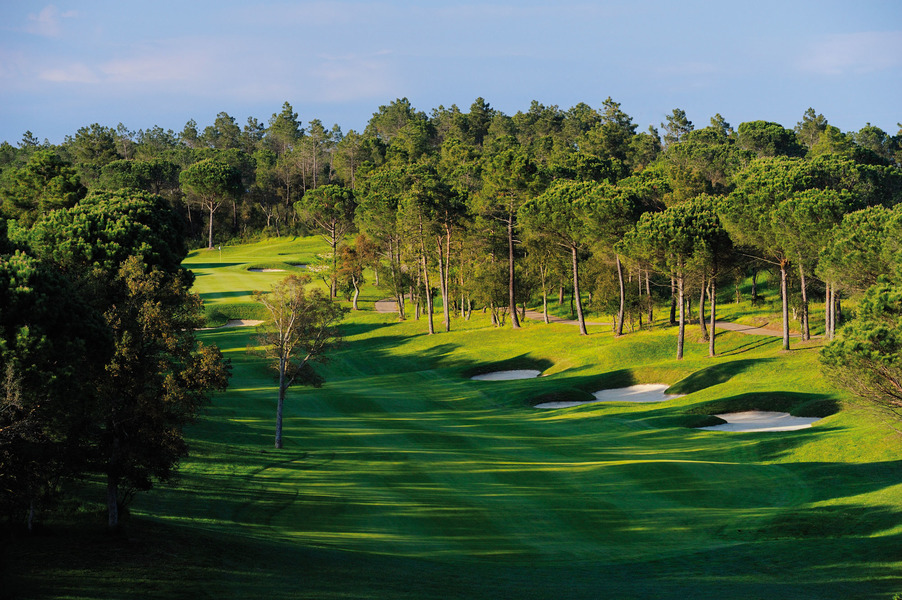
Several of these cities are located in central Spain. In Alcalá de Henares, just 30 kilometres from Madrid, don't miss the University, Main Street and the birth house of Miguel de Cervantes; later, practise your swing at the Encín Golf or El Robledal golf courses. In the Castile-La Mancha region there are two further destinations: Toledo and Cuenca. In the former, you should explore the narrow streets of its historic old town, where Muslims, Jews and Christians once lived together in harmony, and later you can play a few holes at the Layos Golf Club. In Cuenca you will love its unique setting and famous Hanging Houses. For golf, you can choose between the La Vereda and Villar de Olalla courses.
If you come to the region of Castile-León, you should visit the cities of Segovia, Ávila and Salamanca. They are fairly close by, so you can discover their most emblematic monuments in just a few days: the Segovia Aqueduct, Ávila City Walls, Plaza Mayor Square in Salamanca… Furthermore, several golf courses await you around Segovia (La Faisanera, Club Campo de Tiro and Los Ángeles de San Rafael are closest to the city), three in Ávila (El Fresnillo, Club Deportivo la Almarza and Casino Abulense) and three in Salamanca (La Valmuza, Villamayor and Salamanca Golf Course).
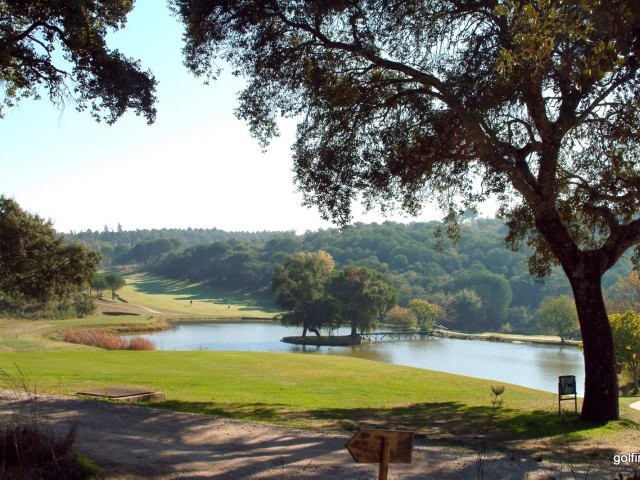
If you head south, to Andalusia, in Cordoba you can look back at the splendour of Moorish culture at the magnificent Great Mosque, and play a few holes whenever you like, at its Country Club. In the neighbouring region of Extremadura you should not miss the wealth of monuments in the historic centre of Cáceres and, of course, Mérida and its Roman Theatre. Later, you should go to Club Don Tello.
In the far northwest of Spain, in the region of Galicia, is Santiago de Compostela and its magnificent Cathedral, the final destination on the famous Way of Saint James. Golf Val de Rois is one of the nearby places to get out the clubs. Still in the north, but now on the eastern coast of Catalonia, you have the chance to visit Tarragona, where you can see its major Roman archaeological site. You can then choose between the Costa Dorada Club, Reus Aigüesverds, the PortAventura Golf Club and Bonmont Terres Noves when it is time to play golf.
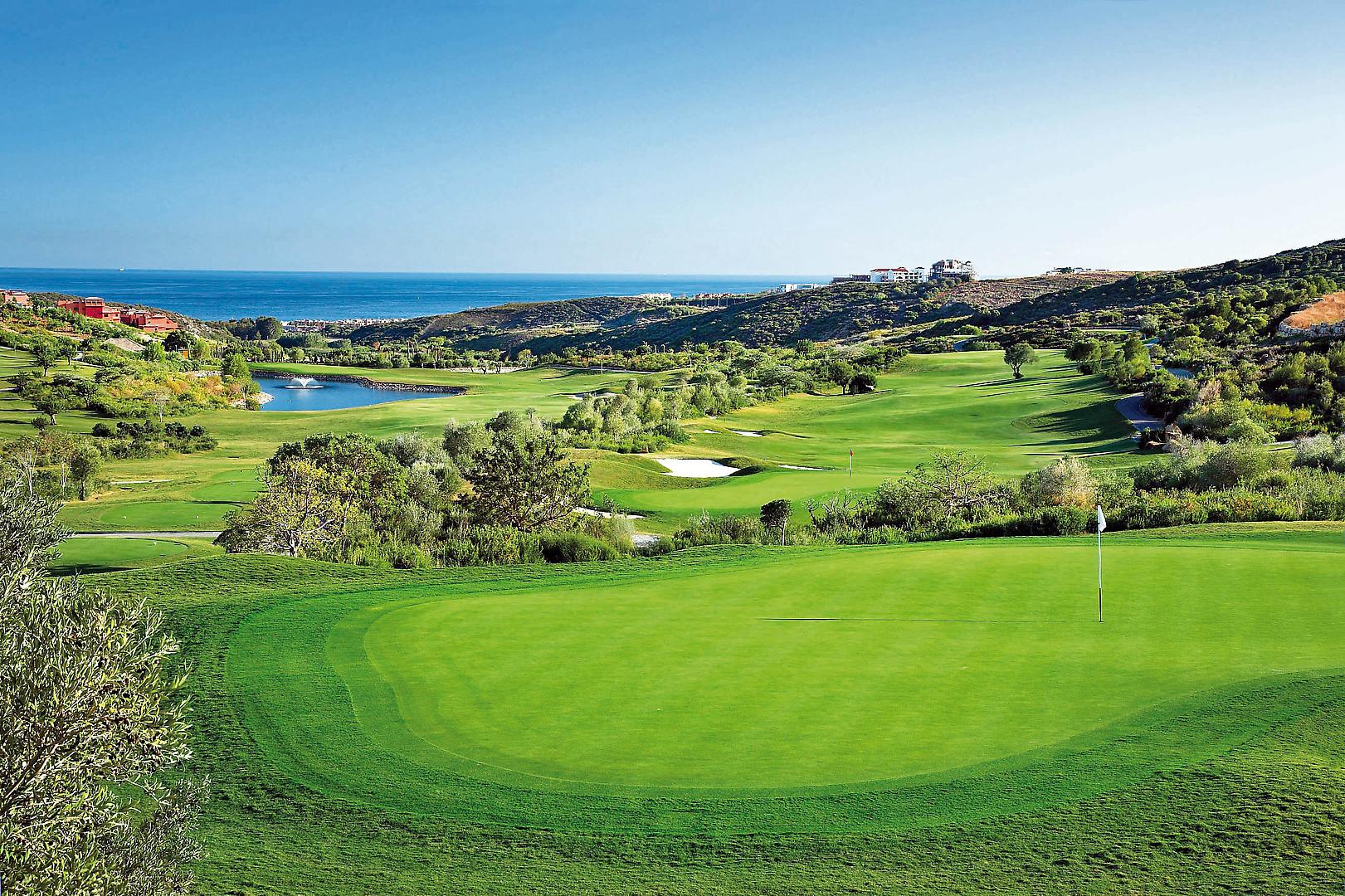
There are World Heritage Cities on the islands, too. In the Balearic Islands, the island of Ibiza is outstanding for its biodiversity and ancient monuments and is also home to the Ibiza Golf Club. In the Canary Islands, on the island of Tenerife, you will find the city of San Cristóbal de la Laguna, with its unique architecture and urban layout. Close by you will find the Real Club de Tenerife. However, just a short distance away you can also enjoy the island's other golf courses.
Try a different kind of holiday, and have great times on and off the green. Play golf, while you discover Spain's World Heritage Cities.
Choose your World Heritage City in Spain
Find your Golf Club
 0
Like
Published at 9:58 PM Comments (0)
0
Like
Published at 9:58 PM Comments (0)
Life on Wheels: Navigating Spain’s New 2026 Motorhome Regulations
Friday, April 10, 2026
For many of us in the Eye on Spain community, the dream of exploring the Iberian Peninsula in a motorhome or campervan is the ultimate expression of Spanish freedom. Whether it’s waking up to a sunrise over the Cabo de Gata or finding a quiet spot in the Picos de Europa, "van life" has exploded in popularity since the pandemic.
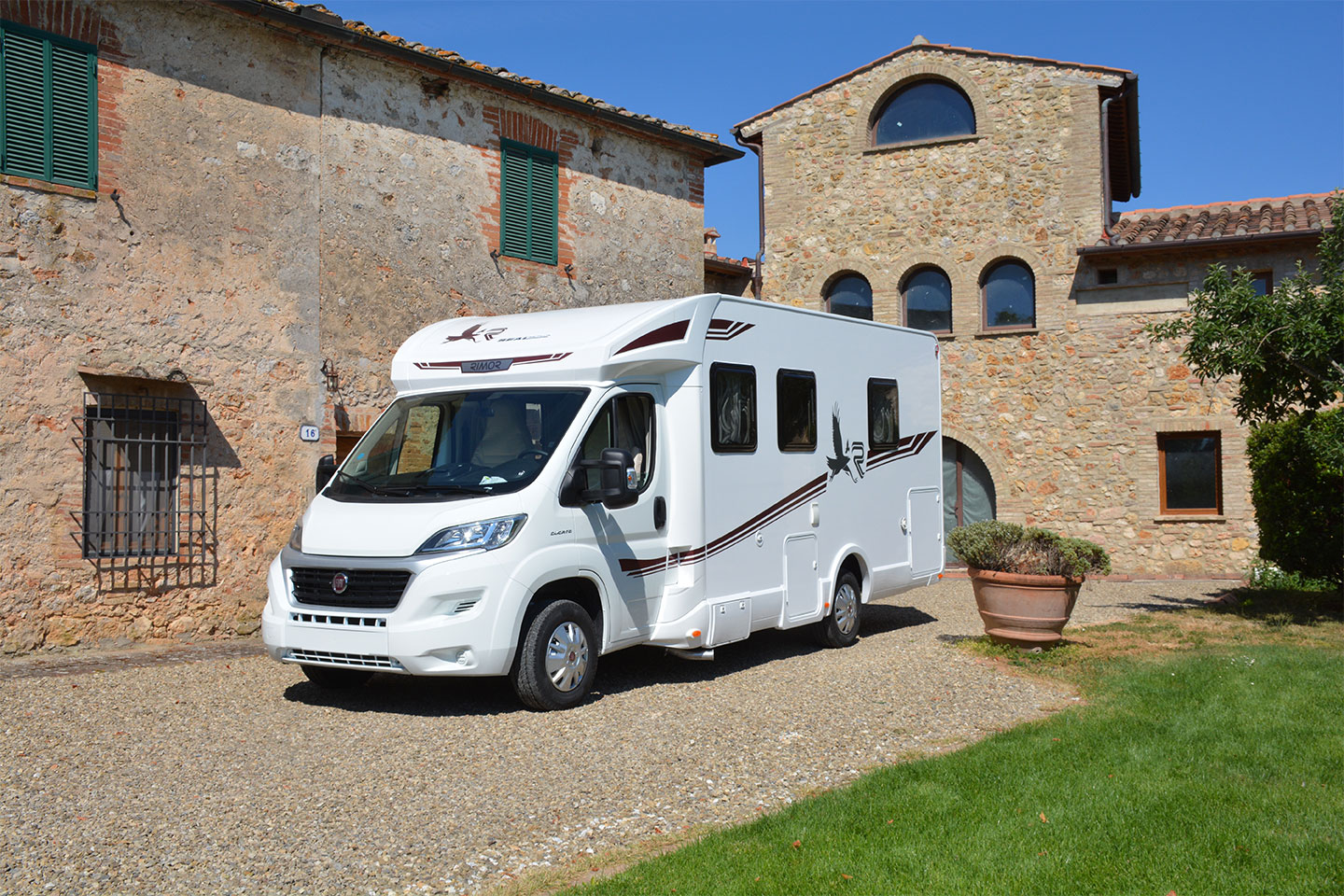
However, that popularity has brought growing pains. To address rising tensions in coastal towns and urban areas, the Spanish Traffic Authority (DGT) has released Instruction PROT 2026/04, a significant update to the 2023 framework. If you own a camper or are planning a road trip this summer, here is what you need to know to avoid a heavy fine.
1. Parking vs. Camping: The Golden Rule
The most frequent source of fines for expats is the confusion between "parking" and "camping." The DGT has now empowered local councils with much stricter authority to enforce the distinction.
-
You are PARKING (Legal): If your vehicle is in contact with the ground only via its tyres (no stabilisers), no windows or awnings are extended, and no liquids are being discharged. In this state, you have the same rights as any car.
-
You are CAMPING (Restricted): If you put out chairs, level the vehicle with chocks, or open a side awning. This is now strictly limited to designated campsites and "Area de Autocaravanas."
Local Power: Be warned—town councils (ayuntamientos) now have the green light to ban overnight stays in specific zones, even if you are just "parking," particularly in saturated tourist hotspots. Always check for the new S-128 sign, which indicates official waste disposal and parking zones.
2. Know Your Category: M vs. N
The DGT is cracking down on ITV (technical inspection) schedules. The frequency of your inspection now depends strictly on how your vehicle is registered:
-
Category M (Motorhomes): These follow the same rules as private cars. You are exempt for the first four years, then it’s every two years, and finally annually once the vehicle hits ten years old.
-
Category N (Campervans/Adapted Vans): Because these are technically "industrial" vehicles, the rules are tougher. They require an annual inspection from day one until they are ten years old, after which they must pass the ITV every six months.
Failure to follow the correct schedule for an N-type vehicle is becoming a "low-hanging fruit" for traffic police during roadside checks.
3. The New "Eco-Enforcement"
A major driver of these new rules is environmental protection. The DGT has noted a rise in the "unregulated dumping" of grey and black water. The new legislation encourages the use of designated reception areas which provide hookups and drainage.
For the Eye on Spain community, the takeaway is clear: while the open road remains open, the "wild" element of camping is being reined in. If you’re heading out, download a reliable app like Park4Night or Caramaps, but always cross-reference it with local signage. The "I didn't know" excuse will no longer hold water—literally or figuratively.
Are you a motorhome owner in Spain? Have you noticed stricter policing in your local area? Share your experiences in the comments section.
3
Like
Published at 8:44 PM Comments (1)
The Last Caña? Why Spain is Fighting to Save Its ‘Protected’ Barrio Bars
Friday, April 3, 2026
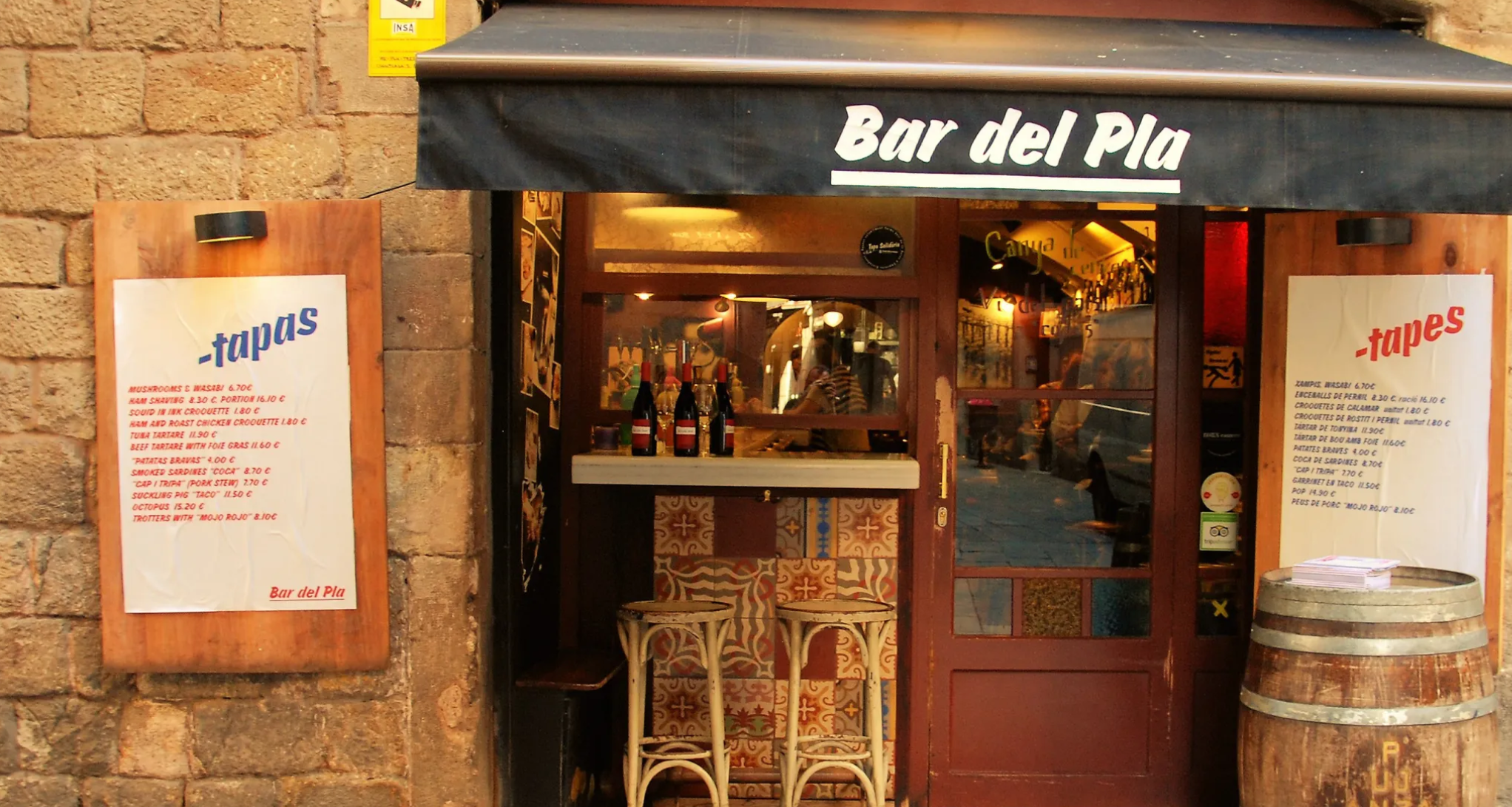
For many of us, the local "bar de barrio" is the heartbeat of Spanish life. It’s where we have our first café con leche of the morning, where we catch up on the local gossip, and where the waiter knows exactly how you like your caña.
However, a sobering new report from The Telegraph highlights a worrying trend: Spain is losing its traditional bars at a rate of roughly one per day. As the property market evolves and modern tastes shift, the classic "no-frills" tavern—with its stainless-steel counters, paper napkins on the floor, and legendary tapas—is under threat.
The Changing Face of the Barrio
The decline is being driven by a "perfect storm" of economic factors. Rising commercial rents in cities like Madrid, Barcelona, and Valencia are forcing out long-term family businesses. In their place, we often see international coffee chains or "chic" brunch spots designed for tourists rather than residents.
For property buyers and renters moving to Spain for "authenticity," this shift is a double-edged sword. While modern amenities are welcome, the loss of these social hubs can change the very character of the neighbourhood you chose to live in.
Madrid Fights Back: "Protected" Status
Recognizing that these bars are more than just businesses—they are cultural heritage—local authorities are starting to take action. In Madrid, several historic taverns have been granted "protected" status. This means:
-
Architectural Preservation: The original storefronts, hand-painted tiles, and internal fixtures cannot be removed or modernised beyond recognition.
-
Cultural Subsidies: In some cases, bars that have been in operation for over a century receive tax breaks to help them compete with global franchises.
What This Means for Property Buyers
If you are currently scouting for a property in Spain, the presence of a thriving local bar scene is often a "green flag" for a healthy, integrated community. Areas where these bars are closing rapidly are often undergoing intense gentrification, which can lead to higher property prices but a potential loss of that "authentic" Spanish feel.
Tips for Supporting Your Local Bar
If you’ve recently moved or are renting long-term, here is how you can help preserve the local culture:
-
Skip the Chain: For your morning coffee, try the family-run bar on the corner instead of the global franchise.
-
Embrace the "Menu del Día": It remains the best value-for-money lunch in Europe (often still found for £10–£12 / €12–€14) and keeps these kitchens running.
The barrio bar is the ultimate "low-friction" gateway to Spanish society. It’s where the community meets, and for expats, it’s often the best place to truly feel at home. Let’s make sure they stay open for the next generation of arrivals.
2
Like
Published at 7:14 PM Comments (0)
Spam post or Abuse? Please let us know
|
|