The Monumental Nativity
Friday, December 19, 2025
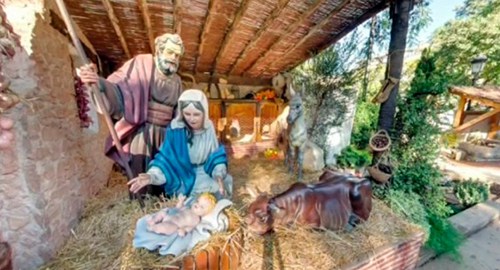
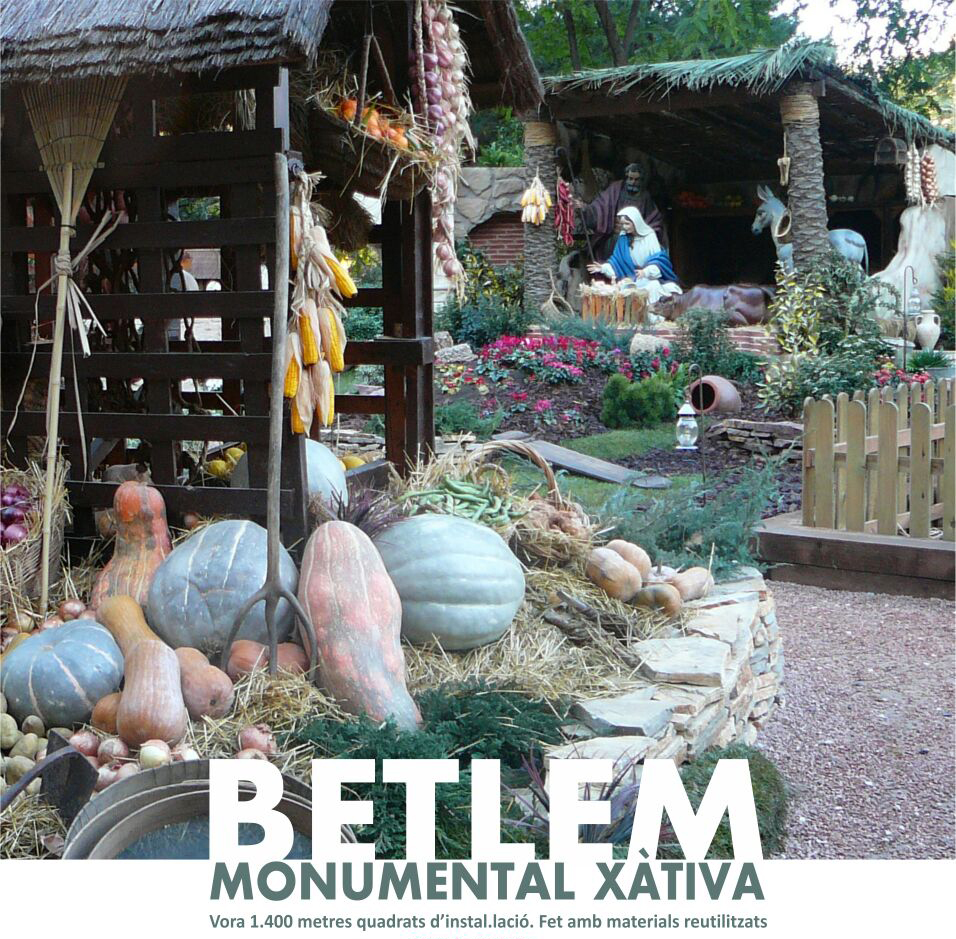 The Monumental Nativity scene in Xátiva has been declared the largest in Spain. When Christmas arrives, this Valencian city really takes the tradition to another level. The Monumental Nativity scene in Xátiva has been declared the largest in Spain. When Christmas arrives, this Valencian city really takes the tradition to another level.
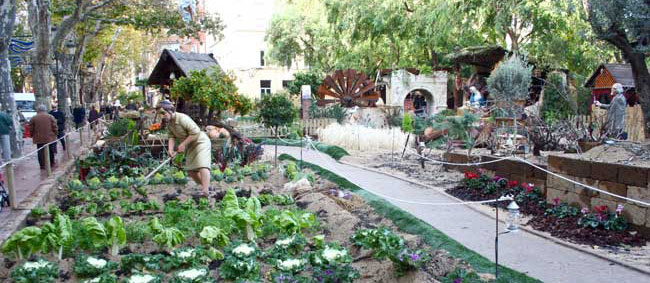
Each year the ‘Monumental Nativity’ grows a little more to show and interpret all the scenes from the Birth of the Messiah. It covers an area of 1600m2, it is approximately 70m long and 20m wide. It is already open and will be closing on 7th January.
It is such a wonderful creation and even if you are not particularly religious it is still a worthy way to spend the afternoon or the evening. If you have children in the family they are sure to love it. This unique spectacle in Spain has become a tourist attraction of the first order bringing tens of thousands of visitors every year.
However, if you do decide to visit there is some important information about this particular Nativity scene that makes it rather special, and you should know:
• Ecological: Throughout the year, City Council workers collect materials that will later be used to assemble the nativity scene. In addition, some of the tools used are of an ethnological character and are yielded by the locals to build the necessary scenes.
• Live animals: One of the great attractions is that in the scene there are live animals: ducks, geese, bulls, sheep, donkeys and turkeys among others. These animals are under veterinary control that care, at all times, for their welfare.


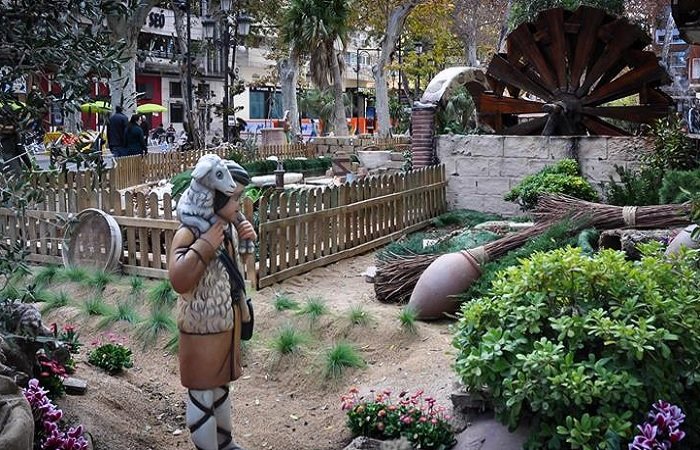
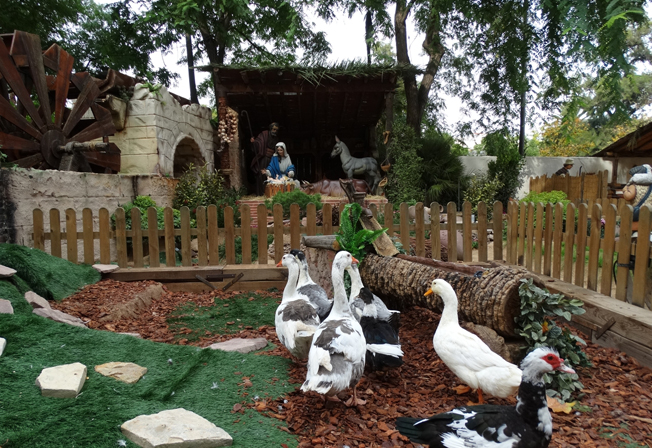
• Solidarity: The fruits and vegetables used and which are usually donated by local businesses are later donated on to charities that work with the needy in the local area. Visitors also throw coins in the fountains and once the event is over, all is collected and allocated to local NGOs.
• Falleros Artists: The majority of the figures are life-size and have been elaborated by traditional Fallas artists, making this nativity scene a genuinely Valencian one. At nightfall, the nativity acquires a special magic with bespoke lighting throughout.
If you happen to be in or near Xativa this Christmas, visiting the nativity scene is really a must.
 2
Like
Published at 4:18 PM Comments (1)
2
Like
Published at 4:18 PM Comments (1)
Spain's Christmas Lottery: How it works
Friday, December 19, 2025
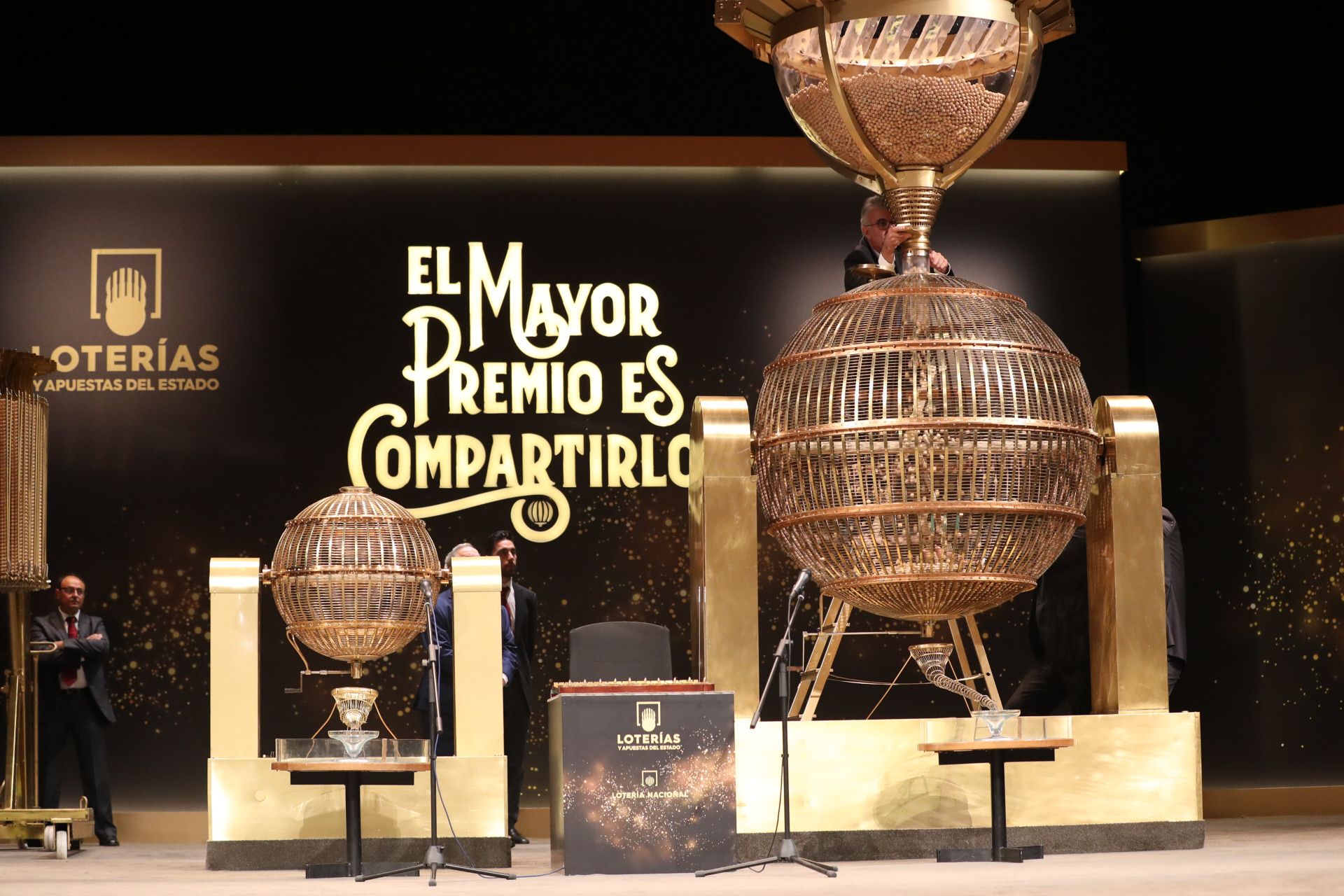
Spain's Christmas lottery, affectionately known as "El Gordo" (The Fat One), is one of the world's oldest and most massive lottery draws. Established in 1812, this lottery is not only a significant part of Spanish Christmas traditions but also a major source of excitement due to its enormous prize pool. The draw takes place annually on December 22 (next Monday!), and it captivates the entire nation.
How It Works
1. Ticket Structure
-
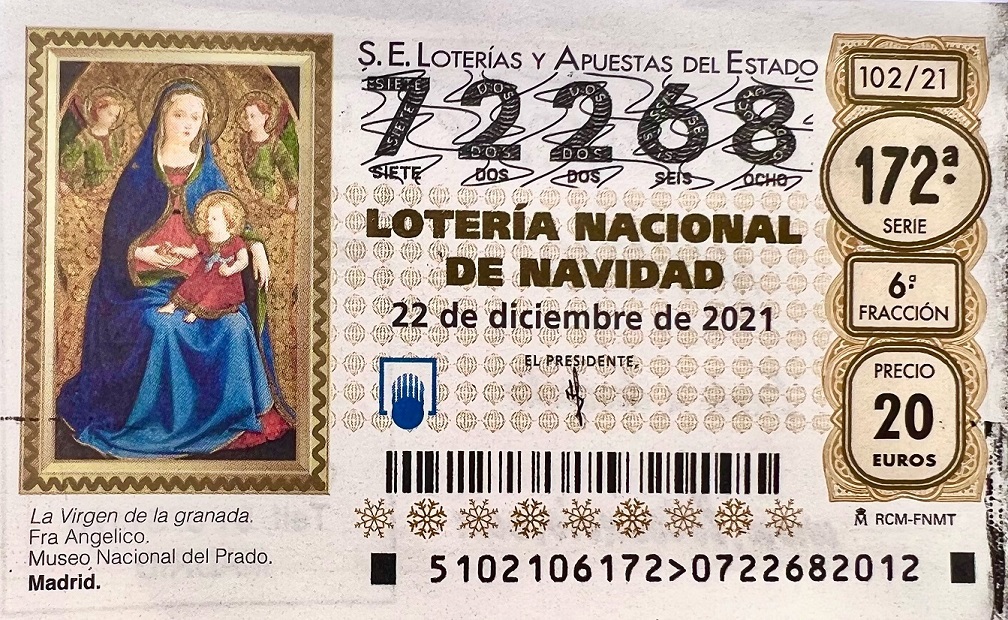
Billetes and Décimos: The El Gordo tickets are divided into "billetes" and "décimos." A full ticket, called a "billete," is quite expensive and costs €200. However, most participants opt to purchase a portion of a ticket, known as a "décimo," which costs €20. Each billete is divided into 10 décimos to make it more affordable.
-
Numbers and Series: Each billete is printed with a unique five-digit number ranging from 00000 to 99999. To increase the odds and diversity, each number is printed multiple times in different "series." For instance, a specific number like 12345 might exist in numerous series, each treated as a separate ticket.
2. Purchasing Tickets
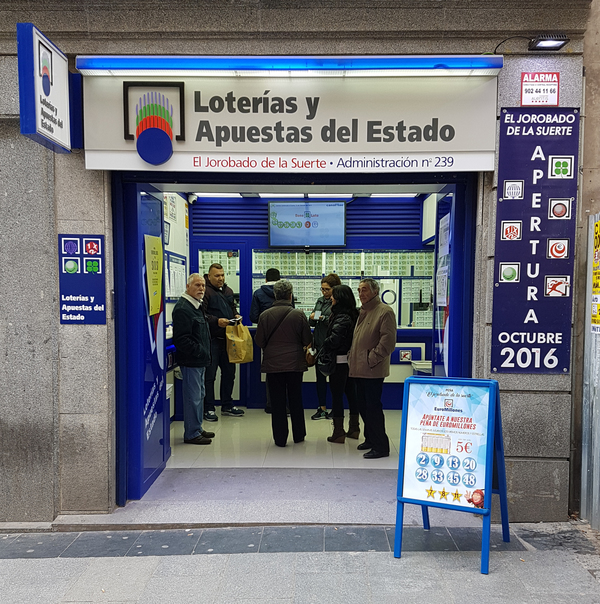
Tickets are sold throughout Spain at designated lottery retailers, called "administraciones de lotería," and online. Offices and organisations, including clubs and charities, often buy large quantities of tickets for resale.
3. The Draw
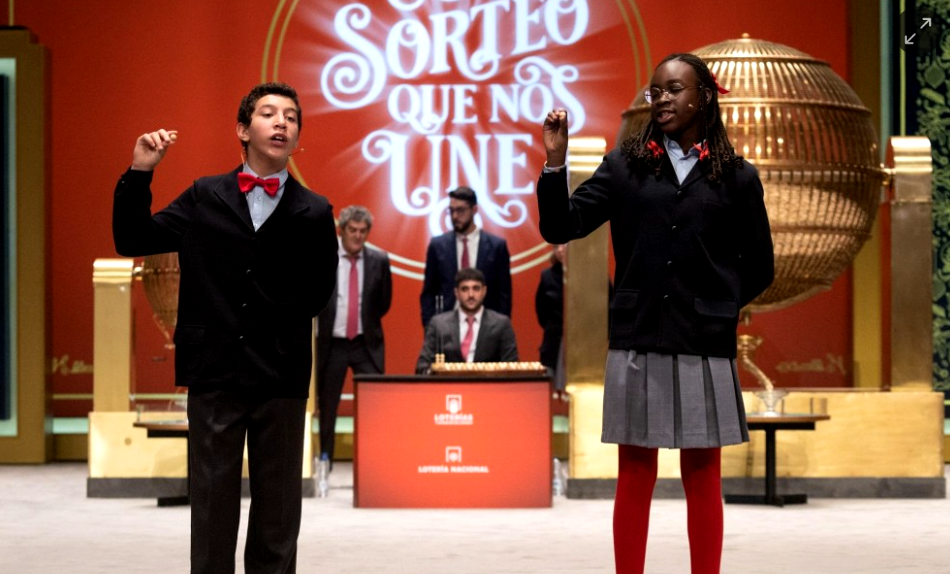
The much-anticipated draw occurs on December 22nd, watched by millions on television and online. The event is orchestrated by schoolchildren from the San Ildefonso school in Madrid. They sing the numbers and corresponding prizes from two large tumblers, maintaining tradition and adding to the event's ceremonial feel.
Potential Prizes
The total prize pool for El Gordo is mind-boggling, often exceeding €2 billion, with many tiers of prizes to distribute.
1. El Gordo (First Prize)
-
The grand prize, or El Gordo, awards €4 million to a billete (or €400,000 per décimo). If a ticket holder has one décimo, they would receive €400,000 before taxes.
2. Second Prize
3. Third Prize
4. Fourth Prizes
5. Fifth Prizes
6. Smaller Prizes and "La Pedrea"
-
Numerous smaller prizes, such as the "La Pedrea" (the shower), award €1,000 per billete (€100 per décimo) for thousands of tickets.
-
Additional smaller prizes also include refunds for certain numbers, ensuring that many participants win something.
Taxes on Winnings
It's important to note that lottery winnings in Spain over €40,000 are subject to a tax rate of 20%. Therefore, winners of larger prizes will need to account for this deduction when calculating their net winnings.
Spain's Christmas lottery, El Gordo, is a cherished national event, bringing hope, excitement, and tradition together every December. With a generous prize distribution and widespread participation, it remains a staple of Spanish culture and a pivotal moment in the festive calendar. Whether you're a local or a visitor, purchasing a décimo offers a chance to partake in this beloved tradition and potentially change your life with the magic of El Gordo.
So, you still have time to grab a ticket and join the ranks of hopeful participants in Spain's iconic Christmas lottery!
1
Like
Published at 3:53 PM Comments (0)
The Anti-Costa: Why Your Next Spanish Trip Should Be to Costa de la Luz
Friday, December 5, 2025
If the phrase "Spanish Costa" conjures images of high-rise hotels, neon-lit strips, and crowded beaches, it is time to reset your expectations. Hidden in plain sight on Andalusia’s Atlantic coast lies the Costa de la Luz (Coast of Light).
Stretching 120 miles from the tip of majestic Tarifa (where you can almost touch Africa) to the Portuguese border, this region offers a version of Spain that feels almost lost to time: wild, windswept, and unapologetically authentic.

The Vibe: Wild and Untamed
Unlike its Mediterranean cousins (the Costa del Sol or Costa Blanca), the Costa de la Luz faces the open Atlantic. The ocean currents are cooler, the winds are stronger, and the landscape is greener.
This geography has saved it from mass overdevelopment. Instead of concrete sprawls, you’ll find rolling sand dunes, pine forests, and vast stretches of golden sand. It is a favourite holiday spot for Spaniards themselves—a sure sign of quality—where "luxury" means understated heritage hotels rather than all-inclusive resorts.
The Hilltop Gem: Vejer de la Frontera
The region is dotted with pueblos blancos (white villages), but Vejer de la Frontera is the crown jewel. Perched high on a hill, its whitewashed houses glow pink and gold during the legendary sunsets that give the "Coast of Light" its name.
-
What to do: Wander the labyrinthine alleyways that reflect the town's Moorish past. Start your morning with coffee in the Plaza de España, watching the town wake up to the sound of sparrows in the orange trees.
-
The landscape: From Vejer, you can look down over the coastal plains. A short hike through the wildflower-filled La Breña y Marismas del Barbate Natural Park will take you down to the shore.
The Coast: Surf and Solitude
The beaches here are not for passive sunbed lounging; they are wild, elemental places. Near the fishing town of Conil de la Frontera, you won't find endless rows of umbrellas. Instead, you’ll see surfers scanning the Atlantic rolls and hikers exploring the dunes.
-
History in the Sand: Keep an eye out for the Tower of Castilnovo on the beach. This solitary stone structure is the last survivor of a fortress destroyed by the tsunami from the 1755 Lisbon earthquake. Today, it stands as a dramatic, "Hitchcockian" landmark occupied only by nesting crows.
The Ancient City: Cádiz
Driving north, you reach Cádiz, an ancient city tethered to the mainland by a slender bridge. Often described as looking like a "gold bar" due to the way the sun hits its stone amidst the surrounding blue water, Cádiz claims to be the oldest continuously inhabited city in Western Europe.
The city reached its peak in the 18th century through trade with the Americas. This era left a unique architectural legacy: merchant watchtowers.
-
Where to Stay: For a taste of this history, look for the Hotel Casa de las Cuatro Torres. Built for a merchant in the 1700s, it retains its original watchtowers (once used to spot incoming ships) and features extravagantly high ceilings with exposed timber from old shipwrecks.
Why Go Now?
The Costa de la Luz offers a rare combination in modern European travel: accessibility and authenticity. It is a place where the "nightlife" is a long dinner in a town square rather than a club, and the "attractions" are the light, the wind, and the history beneath your feet.
3
Like
Published at 5:55 PM Comments (0)
Spam post or Abuse? Please let us know
|
|