All EOS blogs All Spain blogs  Start your own blog Start your own blog 

EOS MAIL BOX

This blog will be available for all those who wish to publish a story or a anything of interest related to Spain and don't necessarily want to write a blog. Just forward your article or story to info@eyeonspain.com and we'll publish it for you....if it's interesting of course!

Why the True Wild West Began in the Marshes of Andalusia
Friday, October 16, 2026

When most British expats and Hispanophiles picture the classic "Wild West," their minds immediately conjure up images of rugged American plains, ten-gallon hats, and John Wayne. But if you want to find the true birthplace of cowboy culture, you need to look a lot closer to home.

Long before the American frontier was settled, the foundational blueprint for the cowboy lifestyle was being forged right here in southern Spain. Deep in the sun-scorched, water-logged marshes ( marismas ) of the Bajo Guadalquivir and Doñana, an ancient tradition of cattle raising and horsemanship was quietly setting the stage for one of history's most famous cultural exports.
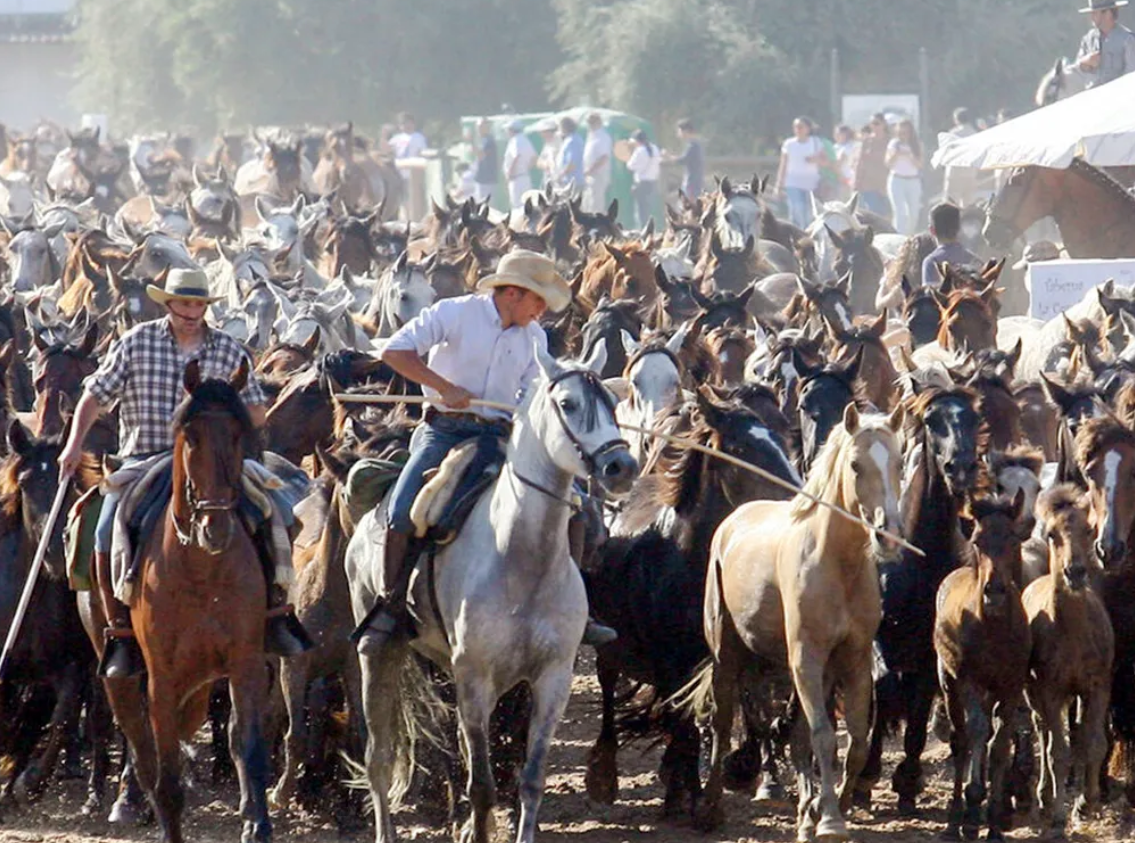


How Andalusian Horses Reached the Americas

The story of the American cowboy actually begins with a cheeky bit of Sevillian opportunism.

When Christopher Columbus was preparing for his second voyage to the Americas in 1493, the Catholic Monarchs signed a royal decree ordering that 12 magnificent Hispano-Arabian horses be loaded onto the ships. However, according to historical accounts, savvy Sevillian traders pulled off a last-minute swap. Instead of sending the prized royal stallions, they loaded the ships with pencos—scruffy, skinny, and incredibly tough marsh horses known locally as mesteños or retuertas.

While the royals may have been swindled, it turned out to be a stroke of historical brilliance. These resilient Andalusian horses were accustomed to the punishing conditions of the Guadalquivir marshes. They survived the arduous transatlantic crossing and proved exceptionally robust and easy to ride in the harsh American landscapes.


Linguistic Legacy: If the word mesteño sounds familiar, it should. As these abandoned or escaped Spanish horses bred in the wild across the American continent, the English pronunciation of the Spanish word eventually evolved into the iconic American term: Mustang.


The Andalusian Blueprint: Hats, Spurs, and Rodeos

When Spanish settlers expanded into what was then New Spain (the modern-day American Southwest), they encountered vast, dry plains where grass was scarce. To manage their cattle over such immense distances, they had to rely entirely on horseback—a practice they imported directly from Andalusia.

Long before Hollywood rolled its first camera, the cattlemen of the Doñana marshes were already living the "Wild West" lifestyle. They utilised wide-brimmed hats to block the blistering southern sun, wore heavy spurs, and practiced complex rodeos to corral the local mostrenca cows.

The famous gauchos of Argentina, the llaneros of Colombia, and the iconic American cowboys did not invent this rugged, romantic way of life—they merely inherited it from the horsemen of the Spanish south.
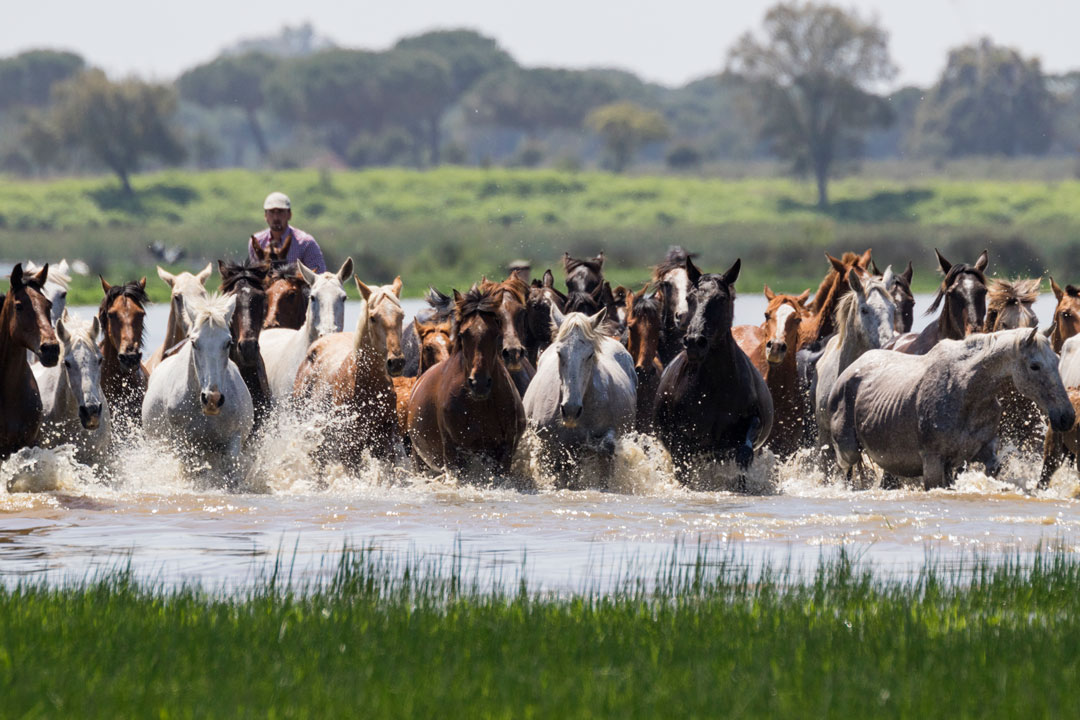
 

Witnessing History: The Saca de las Yeguas

Incredibly, this ancestral way of life hasn't just been relegated to the history books; it is still a living, breathing tradition that you can witness today in the province of Huelva.

Every year on the 26th of June, the region hosts the Saca de las Yeguas—a spectacular livestock drive whose origins date back well before 1504.

  • The Gathering: Local horsemen ( yegüerizos ) ride out into the wild marshes of Doñana at dawn to round up the free-roaming marismeña mares.

  • The Drive: In a scene straight out of a cinematic western, hundreds of wild horses are driven through the sandy, unpaved streets of the famous village of El Rocío, where they are traditionally blessed by a local priest.

  • The Fair: The majestic herd is finally guided into the town of Almonte for an agricultural and livestock fair, before being released back into the wild marshes days later.

If you are spending the summer on the Costa de la Luz or anywhere near Huelva and Seville, marking the 26th of June in your calendar is an absolute must. Arrive in El Rocío early to secure a safe vantage point; watching hundreds of wild horses thunder past the famous white sanctuary in a cloud of dust is an unforgettable, visceral experience that puts any Hollywood western to shame.


Like 1        Published at 11:05 PM   Comments (0)


Smoke Clears for Now: Spain’s Planned Terrace Smoking Ban Put on Hold After Snap Election Call
Friday, October 9, 2026

If you have spent the last few months wondering whether your leisurely afternoon caña on a sunlit plaza terrace would soon be strictly smoke-free, you can take a temporary breath of relief—or hold your fire.


In a sudden political twist, Spain’s sweeping anti-smoking overhaul, which aimed to ban cigarettes and vapes from all bar and restaurant outdoor terraces, has been officially shelved. Following Prime Minister Pedro Sánchez’s call for a snap general election scheduled for 29 November, the early dissolution of Parliament has brought current legislative proceedings to an abrupt halt, leaving the contentious bill stranded in parliamentary limbo.

For British expats, holidaymakers, and local hospitality operators across the Costas and islands, the move marks a dramatic pause in what was set to be Spain’s biggest tobacco crackdown in over a decade.

The Bill Left on the Table: What Was Planned?

Spearheaded by the Ministry of Health, the proposed reform sought to close outdoor loopholes and adapt tobacco legislation to modern habits. The draft text aimed to significantly extend smoke-free zones far beyond traditional enclosed venues:

  • Hospitality Terraces: A blanket prohibition on smoking and vaping across outdoor dining and drinking areas—whether fully open-air or sheltered by awnings.

  • Public Transit Hubs: Designated outdoor smoking bans expanding to bus shelters and transport stops.

  • Next-Gen Nicotine Products: Treating electronic cigarettes, disposable vapes, and nicotine pouches with the exact same legal restrictions and advertising curbs as conventional cigarettes.

For bar and restaurant owners, outdoor terraces represent the beating heart of trade, especially in tourism-heavy regions like Mallorca, Alicante, and Málaga where alfresco dining is a year-round way of life. The industry had voiced strong concerns that strict outdoor restrictions would disrupt trade and deter patrons who prefer to linger outdoors over drinks.

Why the Ban Has Collapsed (For Now)

Under Spain’s parliamentary system, when the Cortes Generales are officially dissolved ahead of a general election, any bills that have not yet cleared both houses and been signed into law automatically lapse.

Because the reform was still working its way through committees and debates, the current draft cannot become law before the election. Once the polls close in late November and a new administration takes office, ministers will face a clean slate: they can choose to resurrect the bill, water down the terrace restrictions, or abandon the controversial outdoor ban altogether.

The Local Catch: Watch Out for Regional Ordinances

While the national decree is frozen, property owners and visitors must remember that autonomous regions and municipal town halls (ayuntamientos) already hold substantial power to regulate public spaces:

  1. Smoke-Free Beaches (Playas Sin Humo): Many coastal town halls across the Balearics, Catalonia, and Andalusia have independent municipal bylaws prohibiting smoking on public sands, backed by local fines ranging from €30 to several hundred euros.

  2. Private Establishment Rules: Bar and restaurant proprietors retain the legal right to enforce smoke-free policies on their own private terraces if they choose to do so.

  3. Local Signage: Until a nationwide statute is passed by a future government, look out for establishment-specific signs rather than assuming a universal national rule applies.

Over to You: A Welcome Reprieve or a Missed Opportunity?

Do you welcome the pause on the terrace smoking ban, or were you looking forward to enjoying cleaner, smoke-free outdoor dining across Spain? How will this impact your local tapas visits?

Have your say in the comments below!


Like 2        Published at 9:48 PM   Comments (0)


Spam post or Abuse? Please let us know


This site uses cookies. By continuing to browse you are agreeing to our use of cookies. More information here. x