For non-EU nationals—especially British holidaymakers and second-home owners heading to the Mediterranean—passing through Spanish airport security has undergone its most radical transformation in decades. The transition period is officially over, and the European Union's fully digital Entry/Exit System (EES) is operating across Schengen borders.
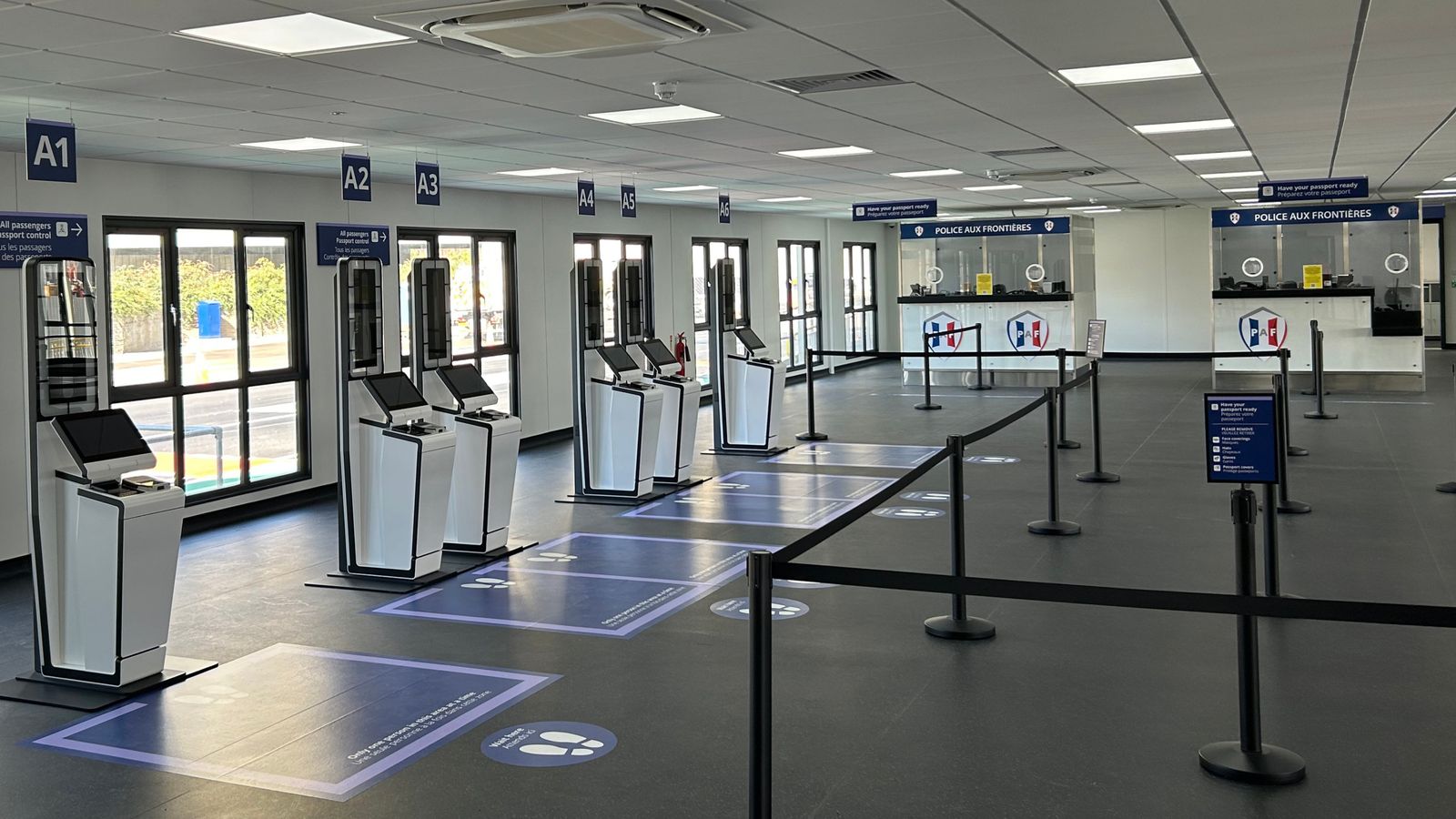
While the new facial scans and biometric kiosks promise a more modern border experience, the initial data released by the European Commission reveals a stark reality: the system is exceptionally efficient, highly unforgiving, and has already resulted in 32,000 travellers being denied entry at EU frontiers.
For the Eye on Spain community, this fully deployed digital net means manual passport stamping is a thing of the past—and keeping precise track of your days in Spain is no longer optional.
The Scale of the Digital Net
Since the new biometric border infrastructure was launched, the European Commission reports that a staggering 66 million non-EU nationals have been logged in the central database.
The system operates by capturing high-resolution facial scans and a digital print of four fingerprints from the right hand during a traveller’s first encounter with the kiosks. Once you are in the system, subsequent entries rely primarily on facial recognition technology to clear you through the eGates.
While the Commission insists the actual processing time takes a swift 70 seconds per passenger once at the kiosk, the collective impact of registering millions of first-time travellers has triggered significant friction:
-
32,000 Refusals: Travellers turned away at the border due to documentation issues, visa discrepancies, or automated flags.
-
7,000 Overstayers Caught: The system’s automated clock immediately calculates a traveller's stay, instantly flagging nearly 7,000 individuals who breached the rolling Schengen 90-day rule.
-
Security Risks Identified: Authorities successfully intercepted close to 800 individuals flagged as security threats across the bloc.
The Peak Season Panic: Will Spanish Airports Cope?
The official line from Brussels is that the EES is a major security victory. However, major low-cost airlines and travel industry chiefs are sounding the alarm as Europe heads into the high-traffic summer holiday period.
Airlines have pointed out that during peak arrival waves, even minor technical glitches or a high volume of unregistered passengers can cause massive backlogs. At major holiday hubs like Palma de Mallorca, Málaga, and Alicante, there are mounting fears that passport control queues could swell dramatically. Ryanair leadership recently criticised the rollout, noting that some passengers are spending as much time trapped in airport border queues as they did on their actual flight.
The Tweak
To prevent total gridlock, Spain is utilising a degree of built-in flexibility allowed by the EU. Frontline border staff have been given operational instructions to implement "fluidity measures" if biometric queues become unmanageable.
Specifically, at flashpoint airports, authorities have the capacity to temporarily divert families and passengers with reduced mobility back to traditional, manual checking queues if the wait time in the biometric lanes exceeds 25 minutes. Airport operators are also working behind the scenes to stagger flight arrival slots where possible to avoid overwhelming border control zones.
What EOS Readers Need to Do to Avoid Being Turned Away
The era of relying on a faint, illegible ink stamp to prove when you entered or left Spain is entirely over. The central database is now the absolute source of truth. To ensure your summer travel goes off without a hitch, keep these rules in mind:
-
Count Your Days Religiously: Because the EES tracks every entry and exit down to the second, overstaying your 90 days out of a rolling 180-day window will result in an immediate automated flag. Penalties can range from heavy fines at departure to a formal travel ban that will compromise future entry or ruin your chances of securing an ETIAS electronic travel authorisation later this year.
-
Allow Substantial Extra Time: If you are flying back to the UK or a non-Schengen destination, build an extra buffer into your airport arrival plans. Do not rely on past experiences of breezing through departure security in 10 minutes.
-
Ensure Passport Compliance: The automated kiosks are highly sensitive to passport validity. Your passport must be less than 10 years old on the day you enter the EU and must have at least three months of validity remaining beyond your planned departure date.
-
Residency Exemptions: If you hold a valid TIE card or green residency certificate, make sure you carry it alongside your passport. Legally resident expats are exempt from EES biometric logging, but you must present your physical residency proof to a border official to ensure you are not mistakenly processed as a tourist.
The digitalisation of Europe's borders is here to stay, and while it will ultimately streamline travel once the majority of passengers are registered, the immediate learning curve is steep. Stay informed, protect your documentation, and don't give the automated kiosks any reason to flag your trip.
Have you passed through the new EES biometric kiosks yet? Did you find the facial scans easy to use, or did you encounter massive queues at your local airport?