Beyond the Costas: 7 “Secret” Spanish Towns
Friday, February 27, 2026
Whether you’ve just moved to the Costas or you’ve been living in Spain for years, it’s easy to fall into the routine of visiting the same familiar hotspots. But beyond the well-trodden paths of the Costa del Sol and the big-city buzz of Madrid and Barcelona, Spain hides some truly magical corners.
A recent feature by National Geographic highlighted seven lesser-known towns that offer a glimpse into the "real" Spain—perfect for an expat weekend getaway or a scouting trip if you're looking for a quieter pace of life.
From the misty mountains of the north to the windswept Atlantic coast, here is the full list of destinations every Spain-based resident should have on their radar.
1. Beget (Catalonia): The Ultimate Off-Grid Escape
If you really want to leave the modern world behind, head to the Catalan Pyrenees. Beget is so tucked away that it wasn't even accessible by car until the 1960s and only received mobile phone service in 2023. Today, it remains a honey-hued treasure of cobblestone streets and stone bridges.
-
Don’t Miss: The 12th-century Church of Sant Cristòfol.
-
Best For: Hikers and those looking for authentic mountain cuisine. It’s a key starting point for the Camí de Nord, a stunning trail through ancient oak forests.
.jpg)
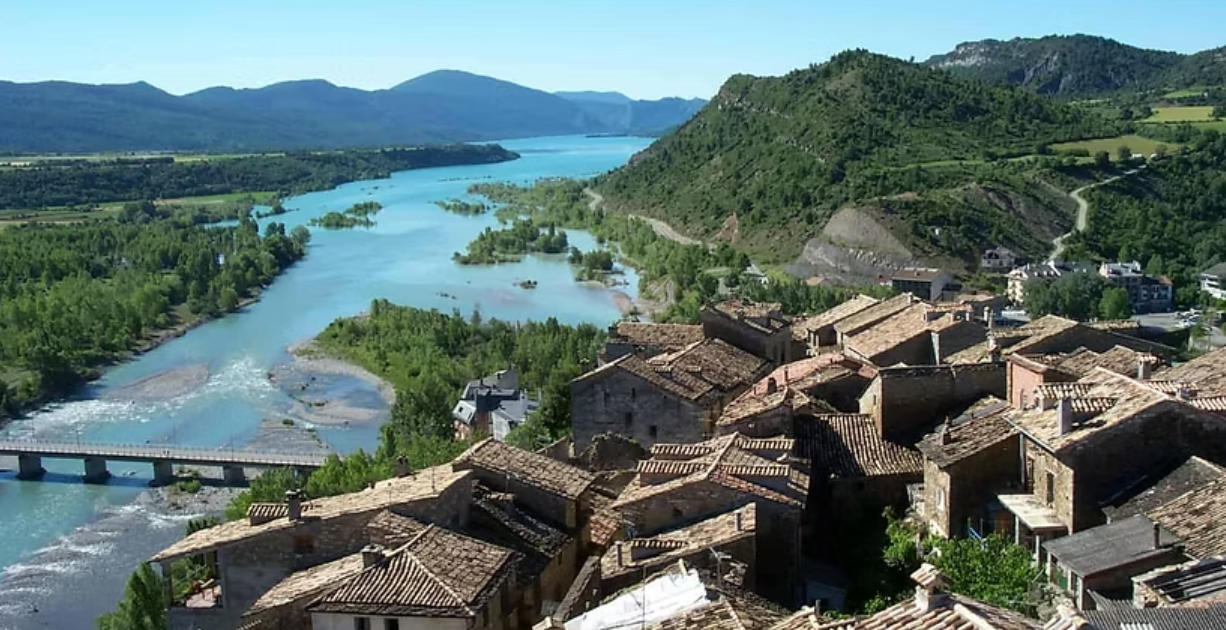
2. Aínsa (Aragon): A Medieval Fortress with a View
Located in the Aragonese Pyrenees near the Ordesa y Monte Perdido National Park, Aínsa is a dream for outdoor enthusiasts. It’s not just a gorgeous medieval village; it’s a strategic hub for some of the best birdwatching and mountain biking in Europe.
-
Highlight: The Zona Zero mountain biking destination features over 150 miles of marked trails.
-
Nature Lovers: Visit the Pyrenees Bird Centre along the town's fortress walls to see majestic birds of prey.
3. Combarro (Galicia): Coastal Charm Without the Crowds
Galicia offers a completely different vibe from the Mediterranean south. Combarro is famous for its hórreos—unique stone granaries raised on stilts that line the shoreline. While it is on a variant of the Camino de Santiago, it remains much quieter than the main routes.
-
Why Go: To see quintessential Galician architecture and enjoy some of the freshest seafood in the country.
-
Pro Tip: Visit during the low season (even if it rains!) to see the 60+ stone granaries without the summer crowds.
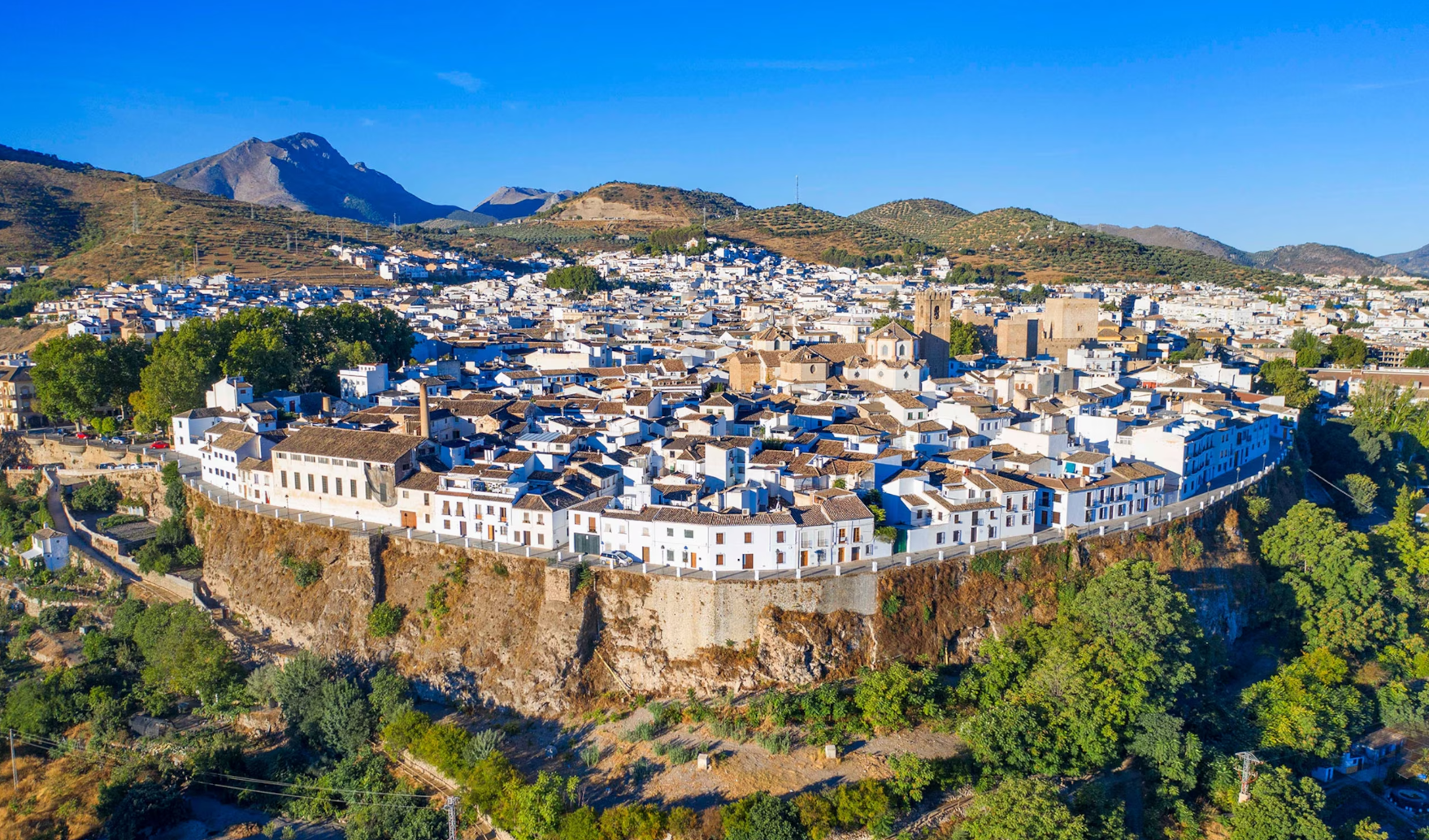
4. Priego de Córdoba (Andalusia): The World's Best Olive Oil
This village checks every box for a southern Spanish escape: whitewashed facades, cascading magenta flowers, and sweeping hilltop views. But Priego’s true "liquid gold" is its extra-virgin olive oil, which has been recognized as the best in the world for 14 consecutive years.
-
The Experience: Take a tour of 1,000-year-old groves at mills like Aceites Vizcántar to see the extraction process.
-
Don't Miss: A hike to La Tiñosa, the area’s highest peak, where you can see farmers still harvesting olives by hand.
5. San Martín del Castañar (Castile and León): A Step Back in Time
Located south of Salamanca in the heart of the Sierra de Francia, this town feels like a living museum. It features half-timbered houses, Roman bridges, and the second-oldest bullring in Spain.
-
Nature & Art: Hike the Camino de Espejos, a nearly 6-mile trek through chestnut forests where sculptures are hidden among the trees.
-
Summer Tip: Cool off like a local in the natural spring pool located in the Parque Municipal.
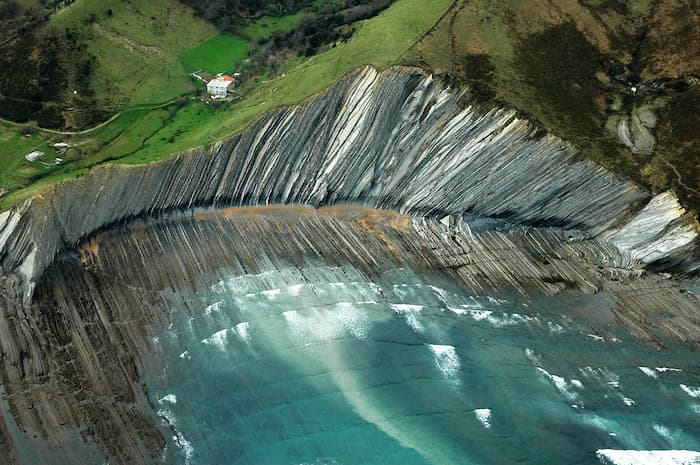
6. Zumaia (Basque Country): Geological Wonders and Txakoli
An hour east of Bilbao lies Zumaia, home to the "Flysch"—coastal rock formations that look like the pages of a giant stone book revealing 15 million years of history.
-
Must Do: Hike the coastal Ruta del Flysch from Deba to Zumaia. At low tide, you can walk right out onto the rocks.
-
Taste of the North: Sip on txakoli (the region's famous effervescent white wine) and, if you're feeling indulgent, head to nearby Getaria for the world-famous grilled turbot at Elkano.
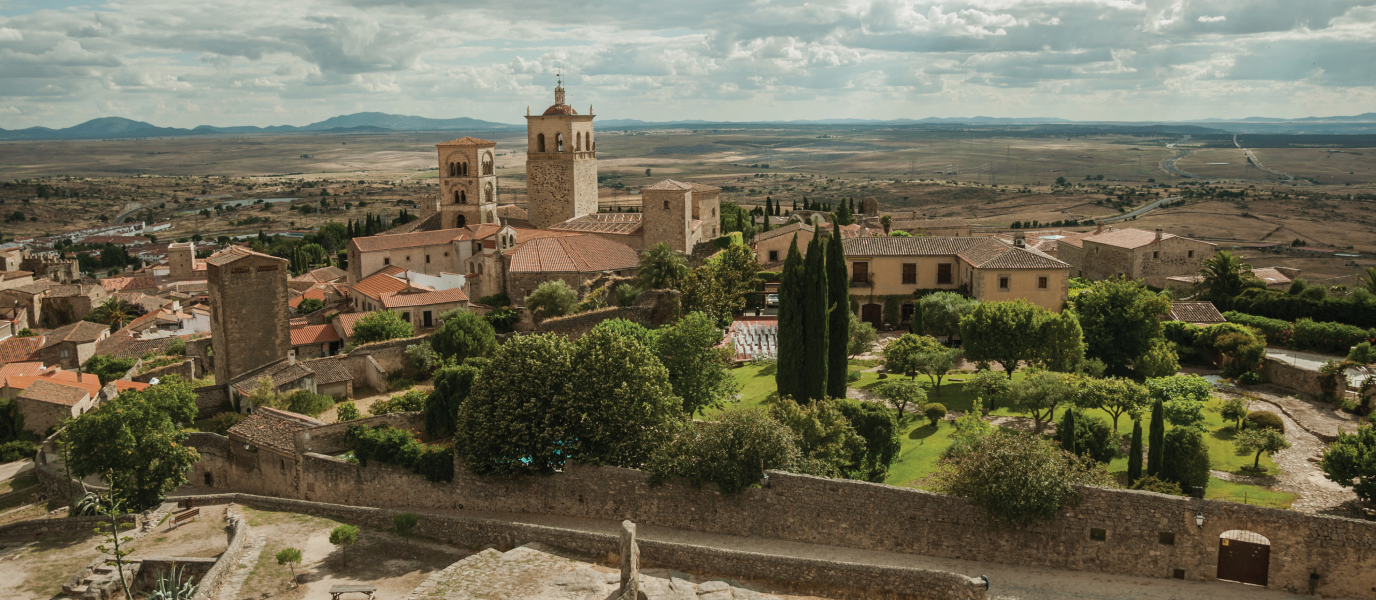
7. Trujillo (Extremadura): Ancient History and "3D" Art
Equidistant from Madrid and Lisbon, Trujillo is a powerhouse of history. Its Plaza Mayor and 10th-century Alcazaba (castle) are so atmospheric they were used as filming locations for Game of Thrones.
-
The History: Explore the Moorish architecture and the underground cisterns with a local guide.
-
Modern Twist: Drive 30 minutes to Romangordo to see the transpantojo murals—stunning 3D-style street art that pays homage to traditional village life.
 4
Like
Published at 8:35 PM Comments (0)
4
Like
Published at 8:35 PM Comments (0)
Spanish Rosé's are aging gracefully
Friday, February 20, 2026
In recent years, the narrative surrounding Spanish rosé has undergone a radical transformation. Long relegated to the category of "summer-only" refreshment or a second-tier substitute for reds and whites, Spanish rosados are now proving they possess a sophistication once thought impossible: the ability to age gracefully.
There is a growing movement of wineries that are treating rosé not as a fleeting seasonal product, but as a fine wine capable of developing "the charm of maturity." These producers are utilising old vines, barrel fermentation, and extended bottle ageing to create complex, gastronomic wines that rival the best reds and whites of Spain.
Here are the standout age-worthy rosés featured in the article that are redefining the category:
1. Viña Tondonia Gran Reserva Rosado 2008
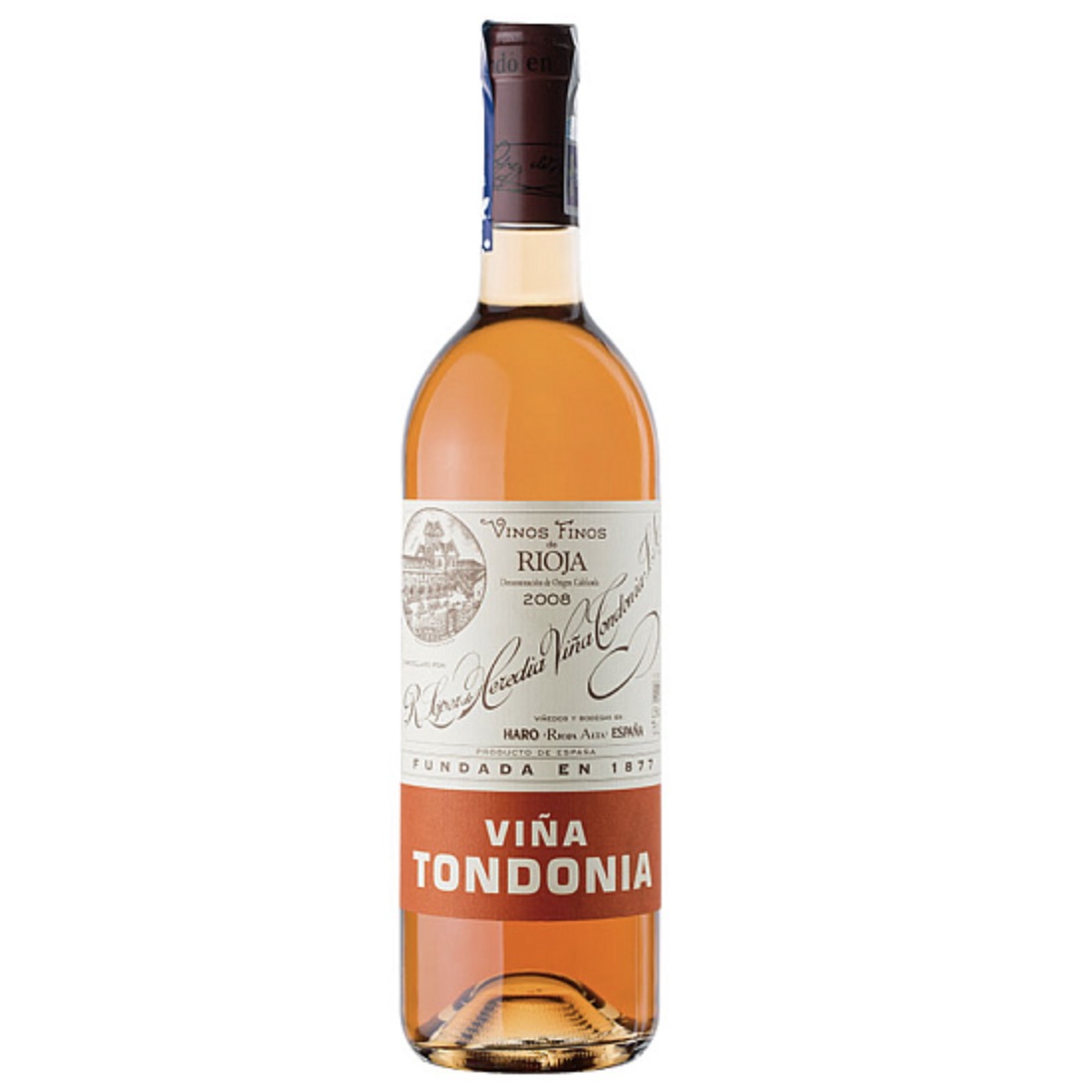
Winery: López de Heredia-Viña Tondonia (Rioja DOCa) A true legend in the wine world, this is the only surviving wine of its kind in Rioja. Released only in exceptional vintages (this 2008 is the first since 2000), it undergoes four years in barrels and four more in the bottle. It is celebrated for its delicate elegance, featuring notes of dried rose, cinnamon, and fresh almonds.
2. Chivite Colección 125 Rosado 2022
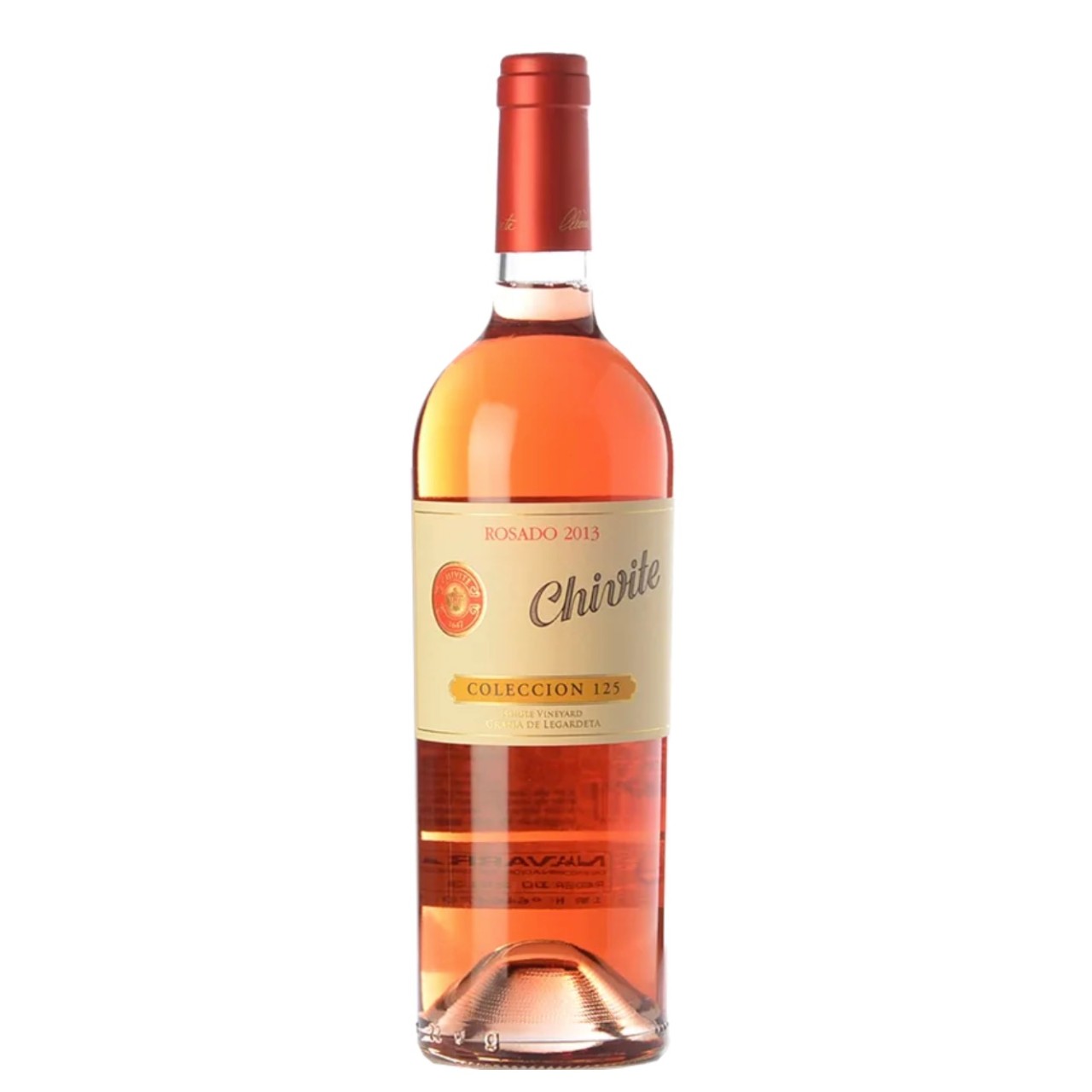
Winery: Chivite Family Estates (VT 3 Riberas) First created in 1985, this barrel-fermented blend of Tempranillo and Garnacha was a pioneer of quality rosé. While it is delightful when fresh, it is known to be truly surprising after eight years of bottle aging, offering a refined palate with high acidity and notes of noble woods and spices.
3. Classica Gran Reserva Rosado 2013
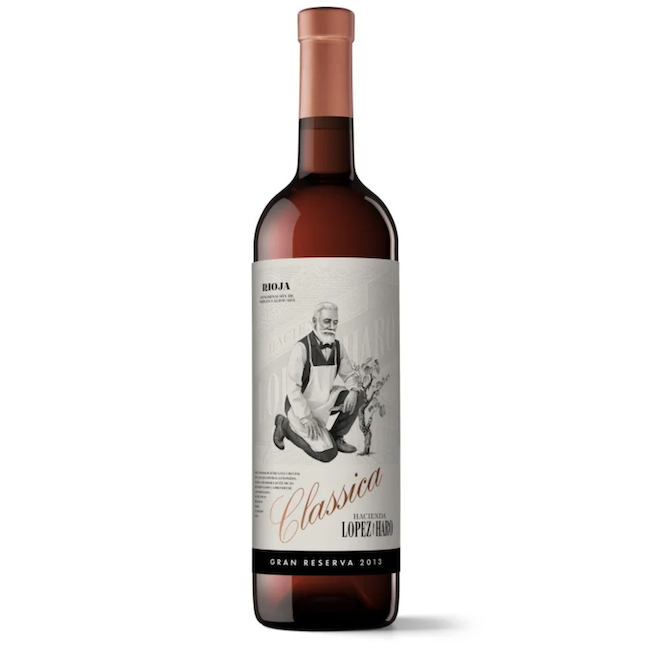
Winery: López de Haro (Rioja DOCa) Made from old-vine Garnacha Tinta and Viura, this wine spends four years in oak and at least six in the bottle. It is characterised by its bright acidity, spicy floral notes, and a persistence that promises a very long life in the cellar.
4. Le Rosé 2022
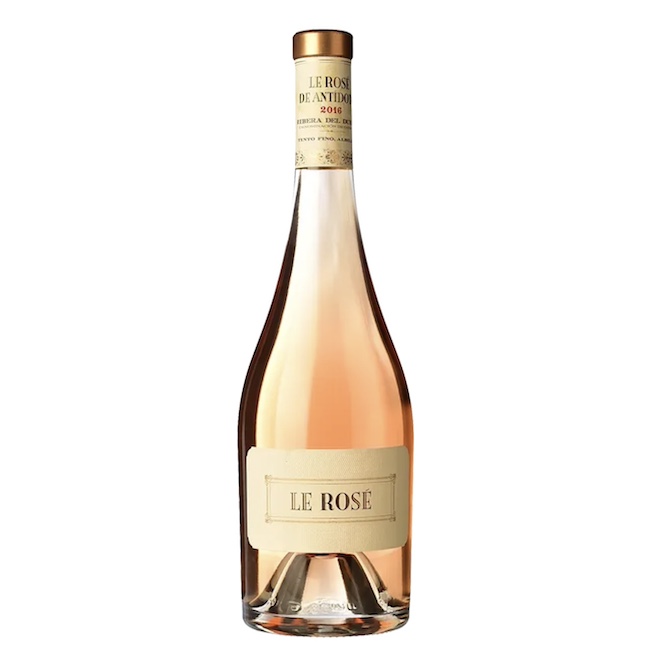
Winery: Antídoto (Ribera del Duero DO) Created by French winemaker Bertrand Sourdais, this "Grand Cru" of Ribera del Duero rosés is sourced from a single plot where Tinto Fino (Tempranillo) grows alongside white Albillo. Fermented and aged in barrels, it is a rich, mineral-driven wine that is stunning with age.
5. Valduero Rosado Reserva 2016
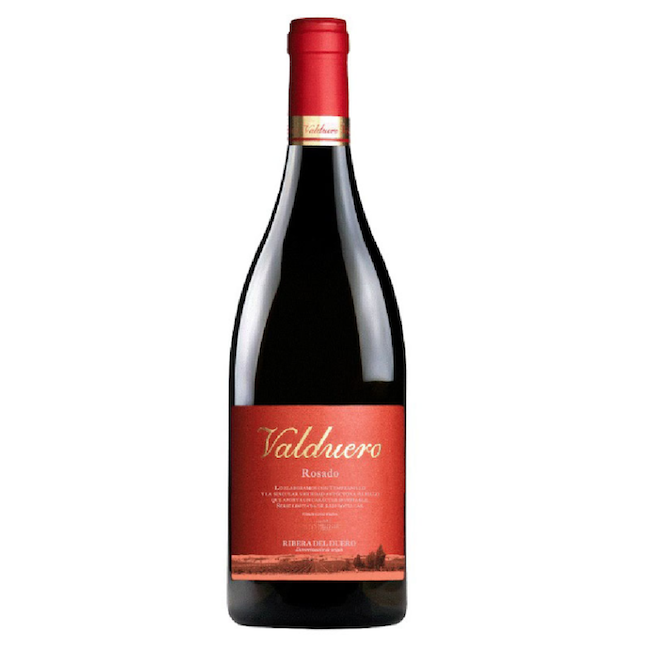
Winery: Valduero (Ribera del Duero DO) The García Viadero family applies their expertise in extended aging to this Reserva, which spends four years in barrel and two in bottle. It maintains vibrant red fruit and silky textures while gaining complex spicy undertones.
6. Gran Caus Rosado 2023
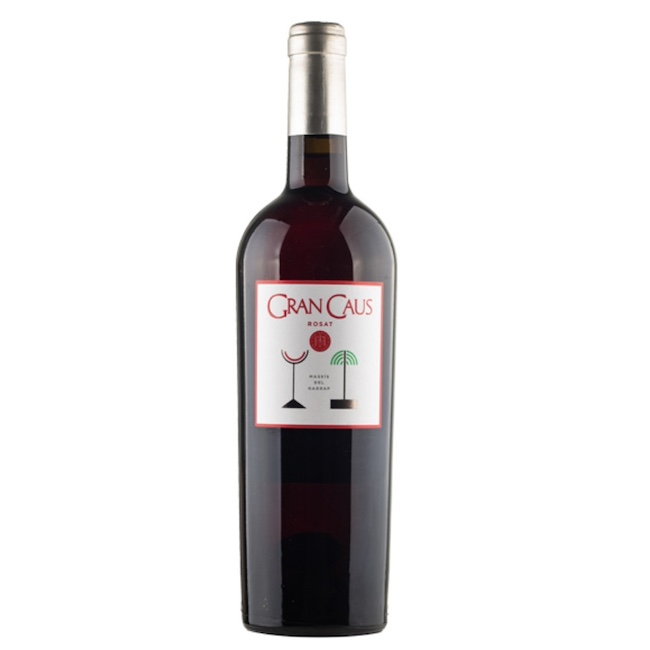
Winery: Can Ràfols dels Caus (Penedès DO). This 100% Merlot "rosé with a red soul" comes from the limestone soils of the Garraf Massif. Fermented with native yeasts and aged for six months in the bottle before release, its concentration and firm acidity allow it to evolve beautifully over time, defying the convention that Merlot rosés must be consumed immediately.
7. 200 Monges Rosado Reserva 2017
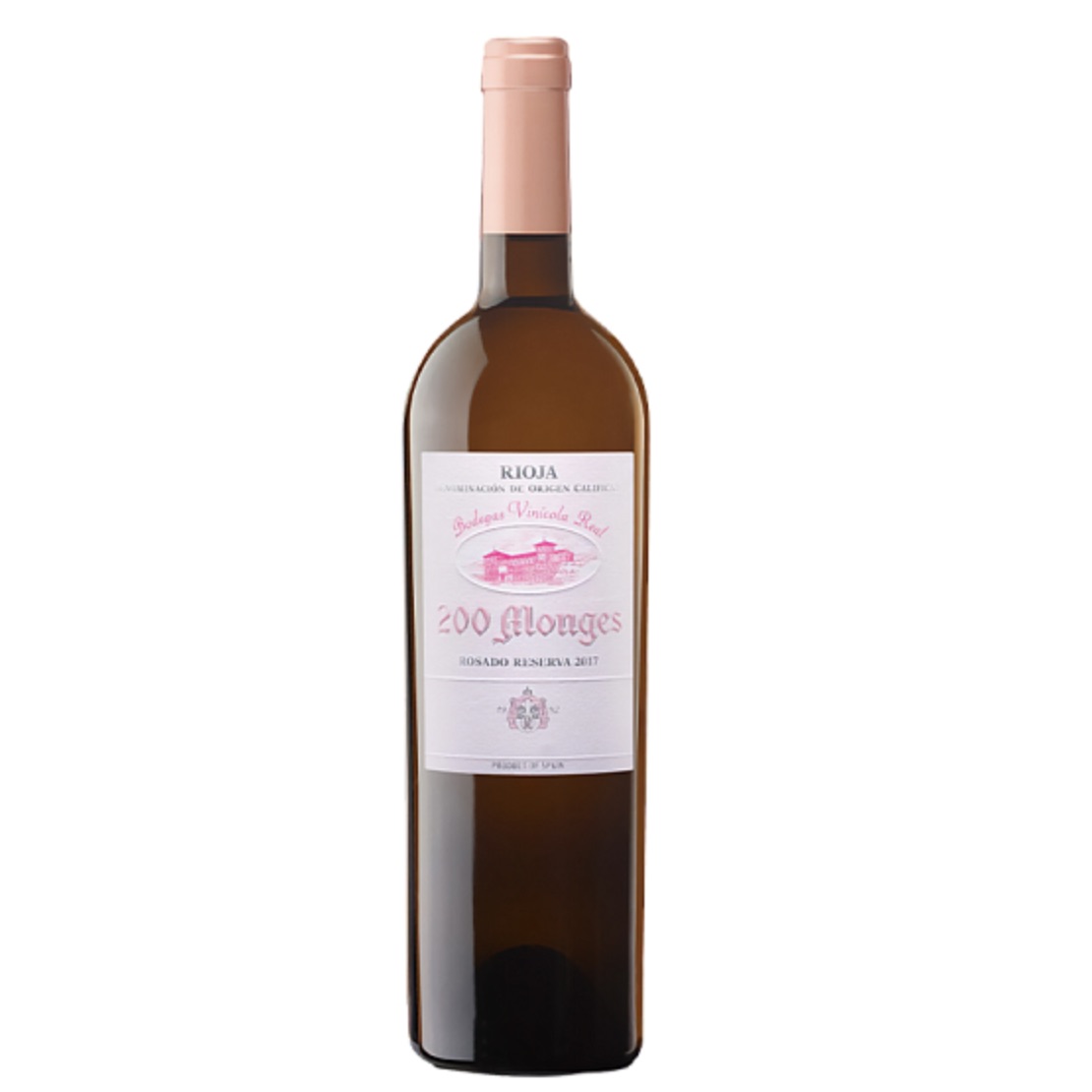
Winery: Vinícola Real (Rioja DOCa) Winemaker Miguel Ángel Rodríguez honours the Rioja tradition with this bold blend of Tempranillo and Garnacha. Aged for 20 months in new French oak barrels, it offers a sophisticated profile of fruit and sweet spice with a delicate, characteristic bitterness on the finish.
These wines represent a shift in the Spanish wine landscape. By embracing traditional techniques and the inherent potential of their terroirs, these wineries are proving that rosé can be a serious, collectable, and deeply rewarding experience for those patient enough to let them mature.
6
Like
Published at 10:20 PM Comments (0)
A Selection of Spain's UNESCO World Heritage Sites
Friday, February 13, 2026
Discover the rich cultural and natural heritage of Spain through its stunning UNESCO-listed sites. From ancient Roman ruins to stunning Moorish palaces and unique modern architecture, Spain's World Heritage Sites offer a fascinating journey through the country's history and diverse landscapes.
This breathtaking complex of palaces, gardens, and fortresses in Granada showcases the exquisite architecture and artistry of the Nasrid dynasty. The Alhambra and Generalife are prime examples of Moorish architecture, while the Albayzín district represents the medieval Moorish town.
The Monuments of Oviedo and the Kingdom of the Asturias are a group of pre-Romanesque buildings and structures in the region of Asturias, Spain. These monuments date back to the 9th and 10th centuries during the reign of the Kingdom of Asturias. They represent some of the earliest examples of Christian architecture on the Iberian Peninsula
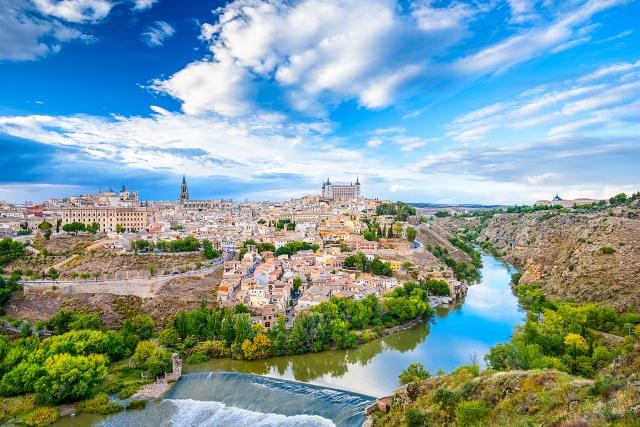
Once the capital of Spain, Toledo is a melting pot of Christian, Muslim, and Jewish cultures. Its narrow streets, historic bridges, and impressive cathedral make it a fascinating destination for history buffs.
In addition to the Sagrada Família, Gaudí's unique architectural style can be seen in various other buildings in Barcelona, such as Park Güell, Casa Batlló, and Casa Milà. The Colonia Güell Crypt, located just outside Barcelona, is also part of this UNESCO site.
The historic city of Santiago de Compostela is the final destination for pilgrims on the Camino de Santiago. Its impressive cathedral, Romanesque architecture, and narrow streets make it a truly unique site.
Salamanca is home to one of the oldest universities in Europe, and its historic city center is a stunning display of Renaissance, Baroque, and Gothic architecture.
This ancient Roman gold mining site in the region of León offers a glimpse into the engineering prowess of the Roman Empire. The unique landscape, with its red-hued soil and terraces, is a testament to the scale of the mining operations.
This vast wetland reserve in Andalusia is a haven for migratory birds and endangered species. Its diverse ecosystems, including marshes, lagoons, and sand dunes, make it a unique natural site.
This Gothic-style building in Valencia, once a silk exchange, is an exceptional example of European secular architecture from the late Middle Ages.
Known as the "Sistine Chapel of Paleolithic Art," the Altamira Cave is home to some of the world's most impressive prehistoric cave paintings, dating back around 15,000 years.
These are just a few of the many UNESCO World Heritage Sites in Spain, each offering a unique glimpse into the country's rich history, culture, and natural beauty. Whether you're a history enthusiast, architecture lover, or nature explorer, Spain's World Heritage Sites are sure to leave you in awe.
1
Like
Published at 5:37 PM Comments (0)
A Beginner’s Guide to Spain’s Famous Fortified Wine
Friday, February 6, 2026
If you ask the average wine drinker to define Sherry, you might be met with a blank stare or a vague reference to a sweet drink enjoyed by elderly relatives at Christmas. But here in Spain, and specifically in the south-west, Sherry (or Jerez) is a serious cultural institution with a complexity that rivals the world’s finest wines.
For expats and visitors looking to navigate the wine lists of Andalusia, understanding the basics is key. Based on insights from Foods and Wines from Spain, here is a primer on the dry Sherry styles that form the foundation of this iconic Spanish drink.
Sherry is exclusively produced in the "Marco de Jerez," a triangle of land defined by three towns: Jerez de la Frontera, El Puerto de Santa María, and Sanlúcar de Barrameda. While the region is famous for its unique solera ageing system, there is a growing movement returning to the roots of the vine, emphasising specific vineyard parcels (pagos) and how the land influences the final glass.
The vast majority of dry Sherry is made from the white Palomino grape. It is chosen for its neutral flavour profile, which acts as a blank canvas for the ageing process.
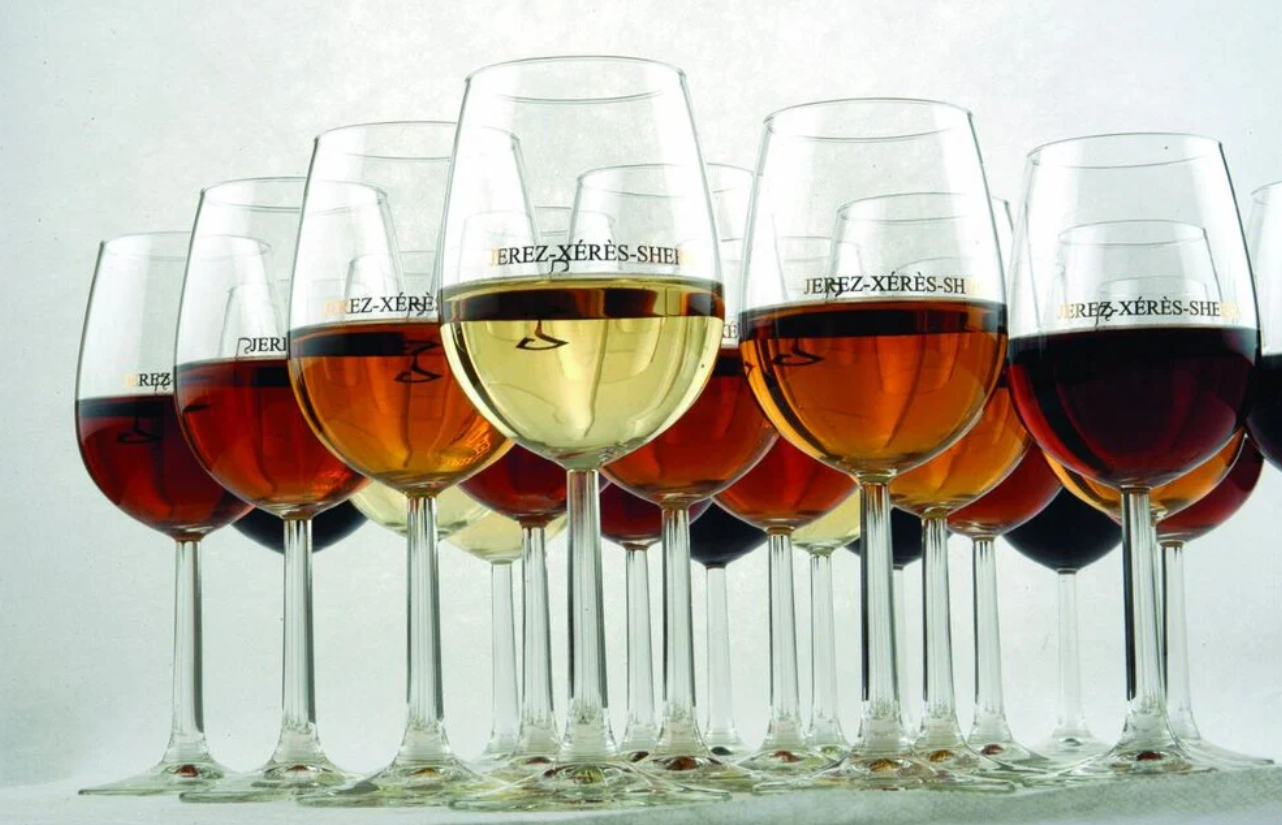
After fermentation, the wines are classified into two main paths:
-
Biological Ageing: Wines fortified to about 15.5% alcohol, allowing a layer of native yeast called flor to grow on the surface. This yeast protects the wine from oxygen and imparts unique flavours.
-
Oxidative Ageing: Wines fortified to at least 17% alcohol. This higher strength prevents flor from surviving, exposing the wine to oxygen and creating a darker, richer profile.
The Solera System
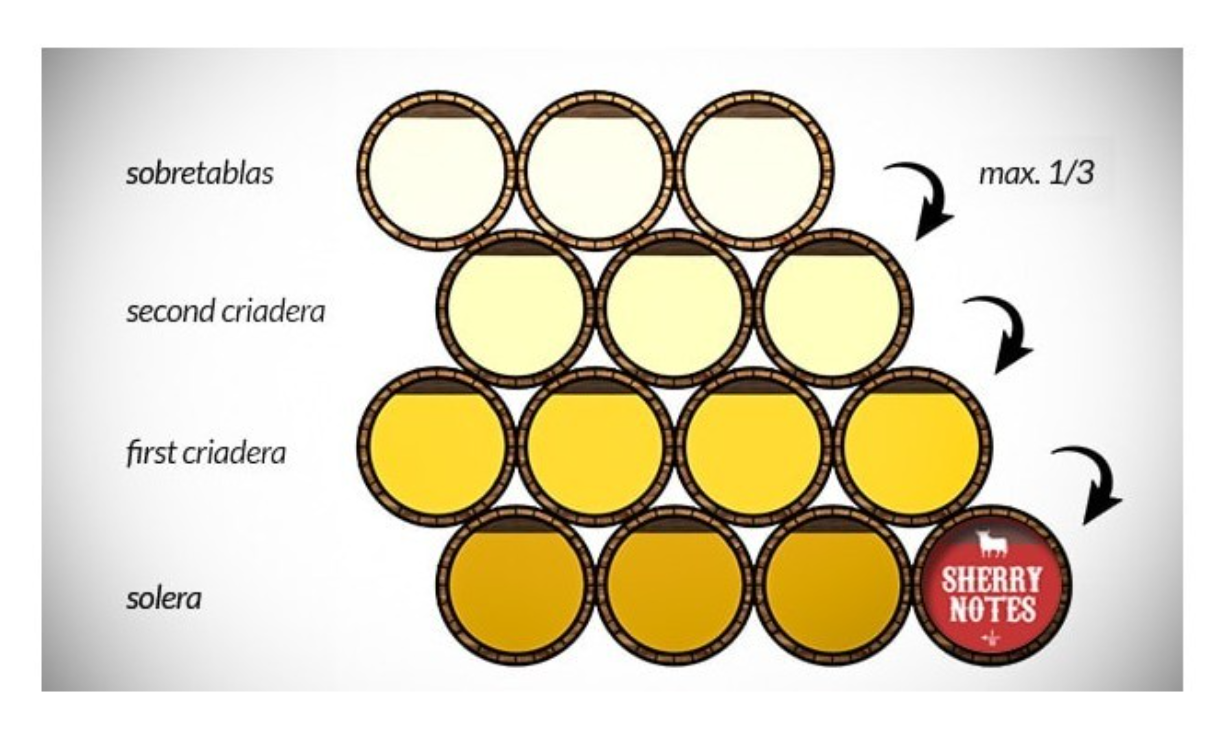
Have you ever wondered why Sherry bottles rarely show a vintage year? It’s because of the solera y criaderas system. This method involves fractional blending where younger wines are systematically mixed with older wines. The result is a consistent product where every bottle contains a tiny drop of wine that could be decades (or even a century) old.
The 5 Styles of Dry Sherry You Should Know
1. Fino
A pale, delicate wine aged entirely under the layer of flor yeast. It is dry, crisp, and carries notes of almonds, wild herbs, and dough. It is the perfect match for tapas, olives, and Iberian ham.
2. Manzanilla
Essentially a Fino, but produced exclusively in the coastal town of Sanlúcar de Barrameda. The humid sea air leads to a thicker layer of flor, resulting in a wine that is even paler and lighter, often with a distinctive salty, sea-spray "tang."
3. Oloroso
"Oloroso" means "fragrant." These wines are aged without flor, exposing them to oxygen. They are dark, nutty, and full-bodied, with flavours of toffee, leather, spice, and walnuts. With a texture similar to red wine, they pair beautifully with stews, game meat, and mature cheeses.
4. Amontillado
An Amontillado starts its life as a Fino (under flor) but is later refortified to kill the yeast, allowing it to age oxidatively. The result is an amber-colored wine that combines the yeasty, sharp aromas of a Fino with the nutty complexity of an Oloroso.
5. Palo Cortado
The rarest style, Palo Cortado is an elegant enigma. It technically undergoes a similar process to Amontillado (biological followed by oxidative ageing), but typically spends less time under the flor. Connoisseurs say it has the aromatic finesse of an Amontillado but the body and structure of an Oloroso.
Next time you are at a bar in Andalusia, don't just ask for a glass of wine—order a chilled copa of Fino or a glass of Oloroso with your lunch. You’ll be tasting centuries of tradition in a single sip.
4
Like
Published at 11:32 PM Comments (1)
Spam post or Abuse? Please let us know
|
|