8 Things You Must Know Before Installing a Swimming Pool in Spain
Saturday, August 29, 2026
For anyone living under the blistering sun of the Spanish interior or along the Mediterranean coast, few things sound more enticing than stepping out onto your patio and diving into your own private swimming pool. It is the ultimate Mediterranean dream.
.jpeg)
However, before you start dreaming about pool floats and evening cocktail parties by the water, it pays to understand that building or installing a pool in Spain is not as simple as grabbing a shovel or ordering a fibreglass shell online. Local bureaucracy, strict environmental laws, and property regulations mean a little planning can save you major headaches down the line.
Here are eight essential things every homeowner and expat should know before installing a swimming pool in Spain.
1. You Need a Building License (No Exceptions)
One of the most common myths among newly arrived property owners is that you can dig a hole in your own back garden without asking anyone. In Spain, an in-ground pool is classified as a permanent structural addition. This means you must apply for a municipal building permit (licencia de obra) through your local town hall (ayuntamiento). Building without a license can lead to hefty fines or, worse, orders to fill it back in.
2. The Paperwork Requires a Technical Project
Because a pool involves excavation, concrete engineering, and drainage, you cannot simply submit a napkin sketch to the town hall. For a standard in-ground pool, you will need to hire a technical architect or engineer to draw up a formal project report covering structural calculations, waste management, and plumbing compliance. Expect to pay municipal construction taxes (ICIO) alongside application fees, which typically run around 3% to 4% of the total project budget.
3. Boundary Setbacks Matter (Linderos)
You cannot place your dream pool wherever you like on your plot. Every municipality enforces strict setback rules (retanqueos) dictating how far a pool must be from your neighbours’ fences, public roads, and the main house. These distances usually range from 1.5 to 3 meters, and failing to adhere to them can invalidate your entire building permit.
4. Land Classification is Crucial
Where your property sits on the map dictates whether you can build at all. While installing a pool on urban land (suelo urbano) is usually straightforward once paperwork is cleared, trying to build a permanent pool on rustic or protected agricultural land (suelo rústico) is heavily restricted or outright illegal. Always verify your land classification before signing any contracts with builders.
5. Don't Forget to Update the Deeds and Catastro
Once the last tile is laid and the water is sparkling, your responsibilities aren't finished. Legally, you must declare the new construction before a Spanish notary (escritura de obra nueva) and update your property's records in the Land Registry and the Catastro (tax office). While this will slightly increase your annual municipal property tax (IBI), skipping this step can create major legal and financial problems if you ever decide to sell the property.
6. Community Rules for Terraces and Apartments
If you live in a townhouse, duplex, or apartment with a private terrace or rooftop solarium rather than a standalone garden, you cannot simply buy a prefabricated pool and fill it up. A small pool holding 4,000 liters of water adds an extra four metric tons of dead weight to a structure. You will need a structural load-bearing certificate and formal written approval from your homeowners' association (comunidad de propietarios), assuming the building's bylaws don't ban them outright.
7. The Rising Costs of Maintenance and Water
Building the pool is only half the financial equation. Operating a pool under the Spanish sun comes with ongoing running costs. Between electricity for the filtration pump, pool chemicals, and rising municipal water tariffs during dry summer months, budgeting for upkeep is essential. Opting for energy-efficient variable-speed pumps, salt-chlorination systems, and thermal pool covers can dramatically slash your annual electricity bills.
8. Buying a House with an Existing Pool? Check the Paperwork
If you are currently house-hunting in Spain and fall in love with a property that already features a stunning pool, do not assume it is legal. Have your independent Spanish lawyer verify that the pool appears on the property’s deeds (escritura) and municipal registry. Thousands of properties across Spain feature older, unregistered pools built decades ago; uncovering an unregistered pool after purchase means you inherit the legal liability and potential fines.
 0
Like
Published at 8:33 AM Comments (1)
0
Like
Published at 8:33 AM Comments (1)
Why Spain Is Dominating the Global Digital Nomad Scene
Thursday, August 20, 2026
If you thought the remote work revolution was just a temporary pandemic fad, think again. Location independence has become a permanent lifestyle choice for hundreds of thousands of professionals worldwide. As global indices continually track where the world's top talent is setting up their laptops, recent rankings—such as the latest global remote work reports and international indices—show a fascinating trend: while Asian hubs like Tokyo and Seoul capture headlines for sheer infrastructure density, Spain is quietly cementing its place as the undisputed European champion for digital nomads.
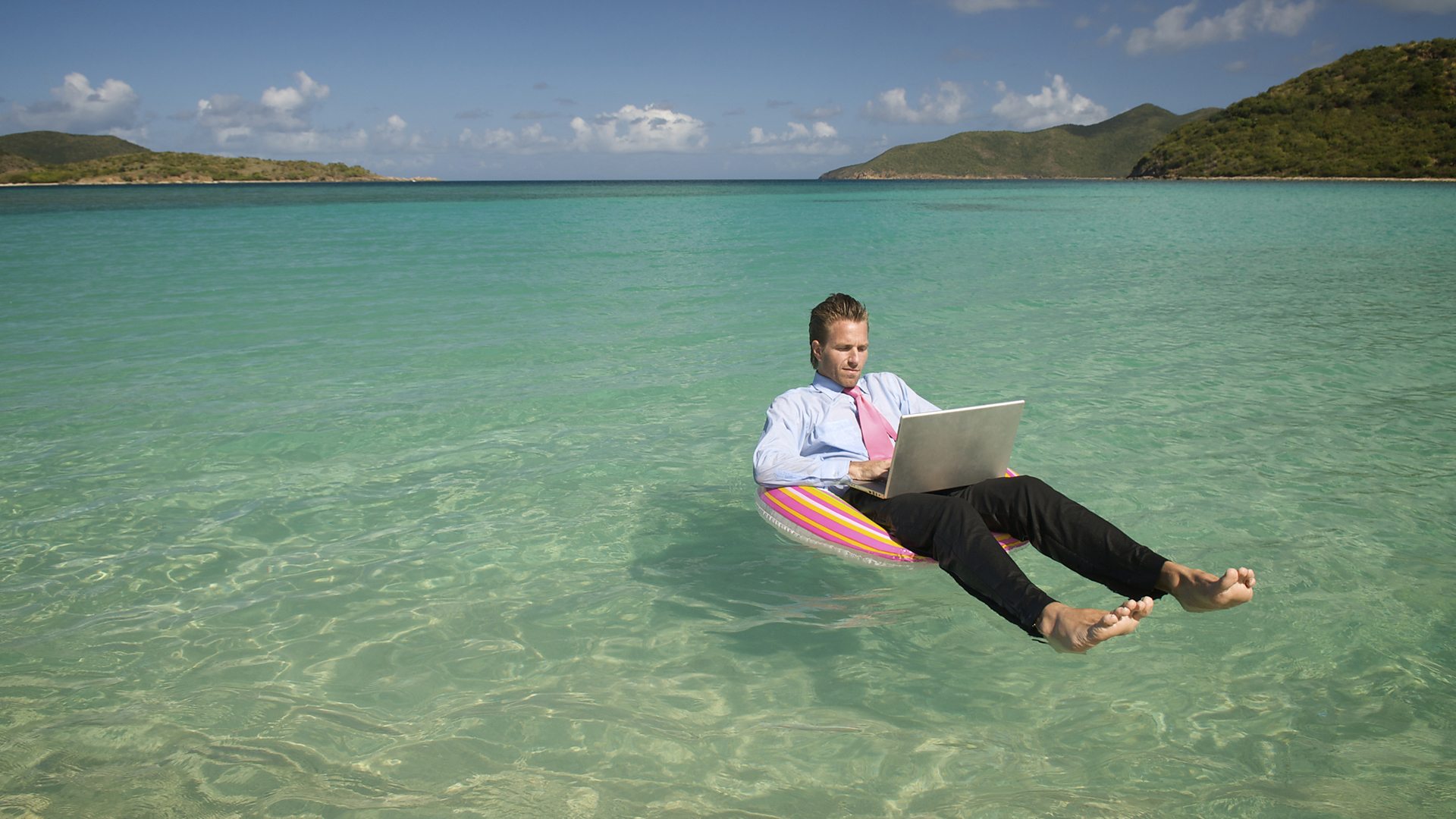
With three major Spanish cities breaking into global top-ten lists, Spain has become the go-to destination for professionals looking to balance high-end productivity with an unbeatable Mediterranean lifestyle.
The Secret Behind Spain’s Remote Work Boom
Why are tech workers, designers, and entrepreneurs trading London, Berlin, and New York for the Iberian Peninsula? It comes down to a perfect storm of infrastructure, financial accessibility, and lifestyle design that few other European nations can match.
-
The Fibre Superpower: You cannot work remotely if your Zoom calls drop every ten minutes. Spain invested aggressively in Fiber-to-the-Home (FTTH) infrastructure over the last decade, giving it some of the fastest and most widespread symmetrical broadband coverage in Europe. Whether you are in a bustling Barcelona tech hub or a coastal cafe in Andalusia, lightning-fast internet is practically guaranteed.
-
The Digital Nomad Visa: Introduced to streamline legal residency for non-EU remote workers, Spain’s dedicated visa framework provides a clear, reliable pathway for professionals earning foreign incomes to legally plant roots on the peninsula.
-
The Cost-of-Living Arbitrage: Compared to northern European capitals or major US tech hubs, Spain offers an exceptional cost-to-quality ratio. High-quality healthcare, world-class fresh produce, and vibrant social lives come at a fraction of the cost found elsewhere in Western Europe.
Spain’s Global Heavyweights for Remote Work
While traditional hubs like Barcelona and Madrid have long attracted international talent, recent global indices highlight how mid-sized Spanish cities are stealing the spotlight for remote professionals:
| Spanish City |
Global Ranking Position |
What Draws Digital Nomads Here |
| Valencia |
Top Global Tier (#3) |
The gold standard for balance: a thriving seaside lifestyle, vibrant food culture, and significantly lower rents than Madrid or Barcelona. |
| Las Palmas de Gran Canaria |
Top Global Tier (#8) |
Year-round spring weather, a legendary island surf culture, and a deeply entrenched international nomad community. |
| Seville |
Top Global Tier (#10) |
Rich cultural heritage, breathtaking historic architecture, and a slower, deeply immersive Andalusian pace of life. |
The Reality on the Ground: Balancing Lifestyle and Local Housing
For British expats and long-term observers watching Spain's economic evolution, the influx of high-earning digital nomads is a double-edged sword. While these professionals inject vital economic energy into local cafes, coworking spaces, and startup ecosystems, their presence has also intensified housing pressures in popular urban centres like Valencia and Malaga.
Municipalities are increasingly balancing the economic benefits of attracting global talent with the need to protect long-term residential rental markets. Yet, for remote workers seeking a community where deals are struck over an afternoon café con leche and evenings are spent strolling along the beach, Spain's magnetic pull remains stronger than ever.
Whether you are running a remote business from a sunlit terrace in Andalusia or watching the digital nomad transformation unfold in your local neighbourhood, the shifting dynamics of Spain's workforce are hard to ignore.
Have you embraced the remote work lifestyle here in Spain, or do you live in a city that has seen a massive influx of digital nomads over the last year? Drop your thoughts, experiences, and local insights in the comments below!
2
Like
Published at 4:55 PM Comments (0)
The Ultimate Spanish Beach Salad
Tuesday, August 11, 2026
When the August heat hits the Spanish coast and packing a picnic lunch for the beach requires careful strategy, most people default to standard ham sandwiches or a heavy pasta salad. But if you want to eat like a true local who knows how to survive a 35°C beach day without feeling sluggish, there is one staple dish that always reigns supreme in the cooler box: la ensalada de alubias blancas.
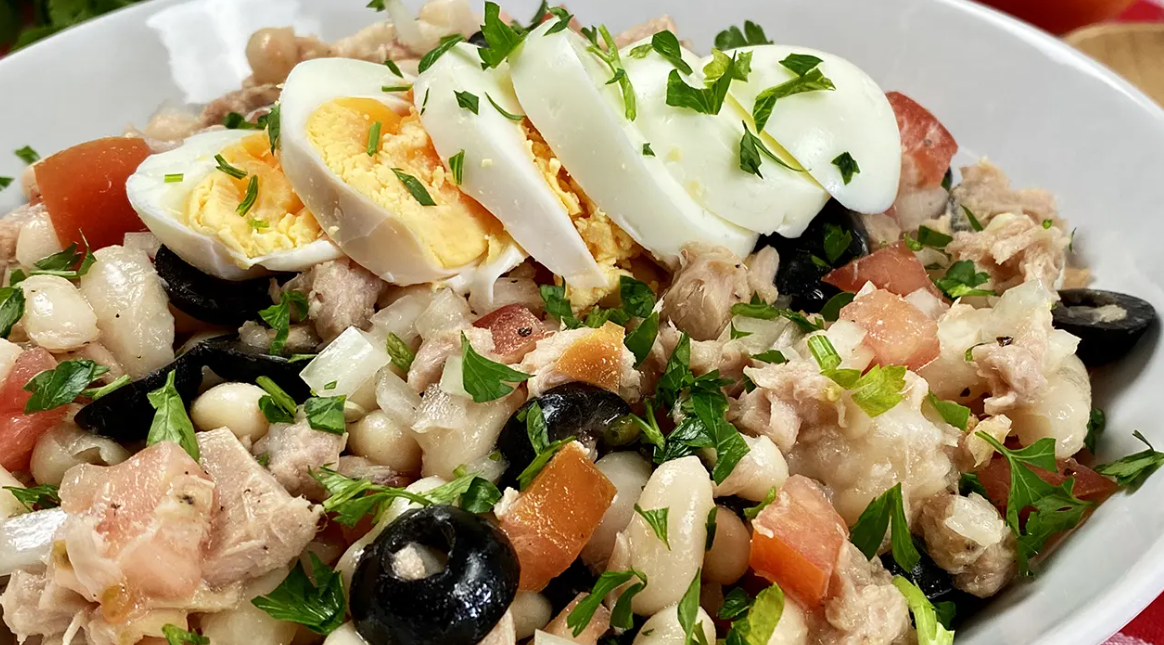
Packed with protein, effortlessly refreshing, and remarkably resilient against the summer heat, this classic Spanish white bean salad is the ultimate antidote to beachside lethargy.
The Ultimate Beach Cooler Companion
While hot bean stews like fabada are reserved for the chilly winter months in northern Spain, cold legume salads are a nationwide summer obsession. Across regions from Murcia to Galicia, home cooks rely on tinned or pre-cooked white beans (alubias cocidas) as a lightning-fast base for nutritious, no-cook meals.
What makes it the king of beach picnics? Unlike leafy green salads that wilt into a sad, soggy mess within twenty minutes of opening your tupperware container, a proper white bean salad actually improves the longer it sits. As it chills in the fridge, the beans absorb the punchy vinegar dressing and natural vegetable juices, becoming richer and more flavorful by the hour.
The Shopping List
You can assemble a massive, family-sized batch of this salad for five people in under 15 minutes using standard supermarket ingredients from Mercadona, Día, or Lidl.
Ingredients (Serves 4–6)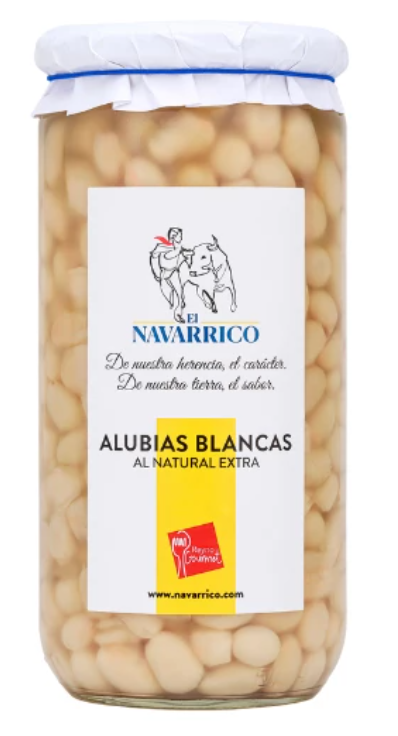
-
500g Cooked white beans: You can use good-quality jarred or tinned large white beans (alubias grandes).
-
300g Red bell pepper: Finely diced into small squares.
-
300g Green bell pepper: Finely diced.
-
4 Hard-boiled eggs (huevos cocidos): Finely chopped.
-
4 Medium ripe tomatoes: Diced.
-
1 Onion: Finely minced (red or sweet white onion works best).
-
1 Carrot: Coarsely grated.
-
100g Black olives: Pitted (ideally traditional Spanish cuquillo or Kalamata olives for colour contrast).
-
2 Cans of tuna (atún en aceite): Drained of excess oil.
-
100ml Extra virgin olive oil (EVOO).
-
40ml Wine vinegar: Sherry vinegar (vinagre de Jerez) gives it an authentic southern tang.
-
Fresh parsley: Finely chopped, along with salt and freshly cracked black pepper.
Step-by-Step Instructions
-
Rinse and Drain: Empty your cooked white beans into a colander and rinse them gently under cold running water to remove any starchy canning liquid. Shake well and transfer them to a large mixing bowl.
-
Dice the Garden Freshness: Finely chop your red pepper, green pepper, tomatoes, onion, and black olives into uniform, bite-sized cubes. Grate your carrot and finely chop the hard-boiled eggs. Add everything directly to the bowl with the beans.
-
Add the Protein: Flake your drained tinned tuna into the mix, distributing it evenly across the vegetables and beans.
-
Whisk the Dressing: In a small jug, combine the extra virgin olive oil, wine vinegar, sea salt, and black pepper. Pour the dressing over the salad along with a generous handful of fresh chopped parsley.
-
Toss and Chill: Mix everything very gently so you don't break up the soft white beans. Cover the bowl and place it in the refrigerator.
Tip: While you can eat this salad immediately, the golden rule of Spanish bean salads is patience. Leave it to marinate in the deepest part of your fridge overnight. By the next morning, the beans will have soaked up the dressing completely, making it the ultimate grab-and-go meal to throw into your beach bag right alongside your sun cream and towels!
1
Like
Published at 9:27 PM Comments (0)
The Surprising Royal Decision That Created Spain’s Capital
Friday, August 7, 2026
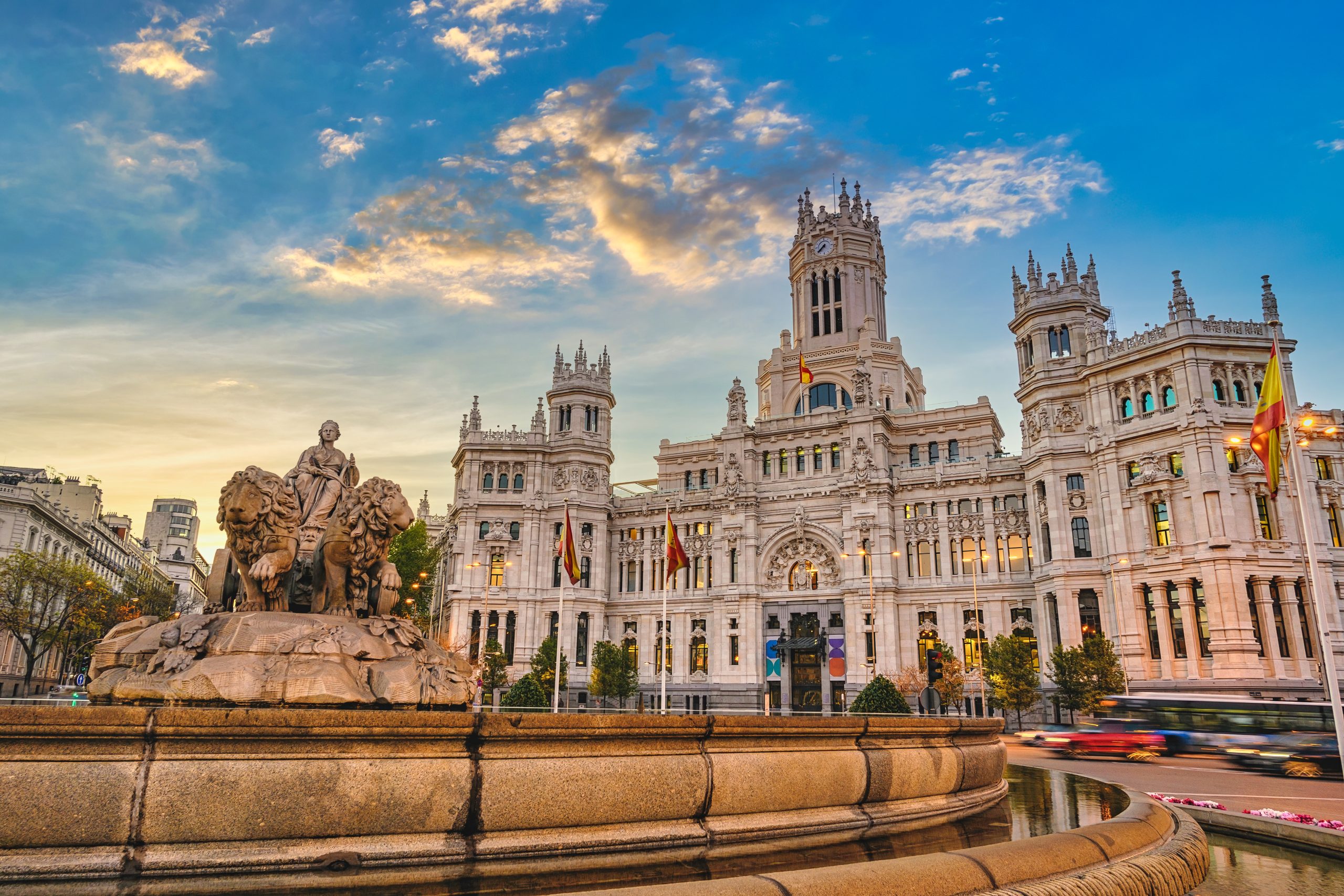
When visitors and new expats arrive in Madrid for the first time, they are often struck by a geographical quirk. Unlike London, Paris, or Rome—cities built on ancient navigable rivers or historic trade ports—Madrid sits awkwardly on a dry, windswept plateau right in the geographic centre of the Iberian Peninsula. It has no natural sea access, no major river for shipping, and summers that bake under punishing Castilian suns.
So how did a dusty medieval fortress town become the political and beating heart of Spain? The answer involves a 16th-century monarch, family medical drama, and a clever chess move to checkmate the nobility.
The Nomadic Kings of Old Spain
For centuries, medieval Spain didn't have a single fixed capital. Because the Christian kingdoms expanded slowly southward during the Reconquista, the royal court was effectively nomadic. Kings and their cabinets packed up their entire administrative apparatus into carts and travelled from city to city.
Depending on the year, the political centre of gravity shifted between Toledo, Burgos, Valladolid, Seville, and Segovia. Each city held historical weight, but none offered a permanent, neutral administrative home base for a unified Spanish empire.
Enter Philip II: The King Who Planted His Flag
The pivotal shift occurred in 1561, during the reign of King Philip II (Felipe II). Young, meticulous, and obsessed with centralising his vast global empire, Philip needed a capital that answered only to the crown—free from the political meddling of powerful regional bishops and independent-minded nobles.
He cast his eyes on Madrid, a modest walled town that had previously served as a quiet Moorish outpost (Mayrit) before being captured by Christian forces.
While royal historians point to Madrid's ideal central location on the Iberian map as the primary strategic driver, local folklore adds a more human twist. Rumour has it that Philip II’s third wife, Elisabeth of Valois, suffered severely from chronic respiratory ailments aggravated by the damp, humid river air of Valladolid and Toledo. Seeking a dry, high-altitude climate to cure her cough, the royal physicians recommended the crisp, clean mountain air of Madrid's plateau. Whether pure myth or happy coincidence, the move cured the queen and cemented Madrid's destiny.
The Ultimate Power Play Against Toledo
Moving the court to Madrid was also a brilliant tactical checkmate against the Church and the nobility.
At the time, Toledo was the ecclesiastical and spiritual capital of Spain, ruled by an immensely powerful Archbishop who wielded as much political influence as the King himself. By uprooting the royal administration and moving it 70 kilometres north to a sleepy, politically unaligned town, Philip II stripped the traditional elites of their daily leverage and established absolute royal control.
Within decades, the sleepy fortress exploded into a bustling imperial hub, sparking a golden age of architecture, literature, and art.
Madrid vs. Other Spanish Powerhouses: A Quick Comparison
If you look at Spain's economic and cultural giants today, it is fascinating to see how they stack up against the capital chosen by royal decree over 400 years ago:
| City |
Historical Status |
Current Expat / Economic Profile |
| Madrid |
Crowned capital by Philip II in 1561. |
The political, financial, and cultural powerhouse; landlocked corporate hub. |
| Toledo |
Former Visigothic and imperial capital; seat of the Church. |
A breathtaking open-air museum and tourist favourite; preserved in time. |
| Seville |
The gateway to the Americas during the colonial gold rush. |
Andalusia’s vibrant cultural capital; tourism, agriculture, and festivals. |
| Barcelona |
The medieval commercial heavyweight of the Crown of Aragon. |
The Mediterranean maritime capital; tech, design, and expat startup hub. |
Next time you are strolling through the historic Madrid de los Austrias or enjoying a coffee near the Royal Palace, remember that the city beneath your feet was essentially an administrative construction. Unlike coastal trading ports that grew organically through commerce, Madrid exists purely because a Renaissance monarch looked at a map, drew a circle right in the dead centre of Spain, and said, "Here."
Spain’s regional identities are fiercely proud, and many Spaniards will argue that their home city should have been named the capital instead!
1
Like
Published at 8:48 PM Comments (0)
Spam post or Abuse? Please let us know
|
|