New Year's Eve in Spain: A Celebration of Superstitions
Friday, December 26, 2025
New Year's Eve in Spain, known as Nochevieja, is a vibrant and exciting celebration steeped in unique traditions and superstitions. While people around the world celebrate the end of the year and the beginning of a new one, Spain stands out with its distinctive customs and beliefs surrounding this special night. From the iconic twelve grapes of luck to the symbolic act of starting the year on the right foot, Spaniards embrace a variety of superstitions to ensure good fortune and prosperity in the coming year. These superstitions offer a glimpse into the rich cultural heritage of Spain and its people's deep-rooted belief in luck, fortune, and the importance of starting the year with positive intentions. Let’s take a look at the most common:
-
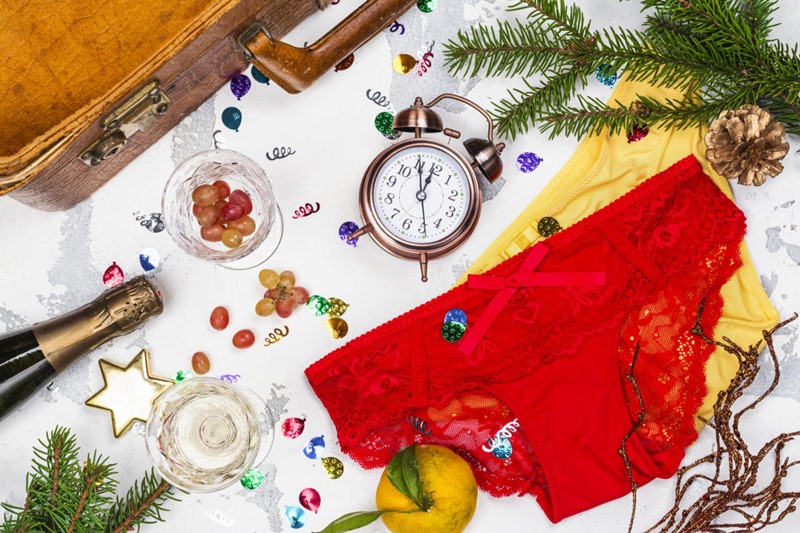
Eating twelve grapes: The most iconic New Year's Eve tradition in Spain is eating twelve grapes, one for each chime of the clock at midnight1. These grapes, known as "las doce uvas de la suerte" (the twelve grapes of luck), are believed to bring good luck for each month of the coming year.
-
Wearing red or yellow underwear: In addition to red underwear for love, some Spaniards also wear yellow underwear to attract money and prosperity in the new year. The colour yellow is associated with gold and wealth, making it a popular choice for those seeking financial fortune.
-
Starting the year on the right foot: To ensure a positive start to the year, many Spaniards believe that the first step you take after the bells chime should be with your right foot. This symbolic act is believed to set the tone for a year filled with good luck and positive experiences.
-
Dropping a gold object in Cava: Some Spaniards drop a gold object, such as a ring or coin, into their glass of Cava before the midnight toast. This superstition is believed to bring good fortune and financial prosperity in the new year. To ensure the good luck charm works, you must drink the entire glass of Cava after the toast and retrieve the gold object.
-
Burning coloured candles: In some regions of Spain, people burn coloured candles on New Year's Eve to attract different types of luck. For example, yellow candles are burned for abundance, orange for intelligence, green for health, and white for clarity.
-
Putting money in your shoe: For those seeking economic prosperity, there's a superstition of putting money in a shoe before midnight. This practice is believed to attract wealth and financial abundance in the coming year.
-
Burning a list of desires: Some people write down a list of up to three desires and stick it somewhere on their body before the last dinner of the year. Like with the red underwear, the list must be burned immediately after midnight to symbolize the release of those desires and the hope for their fulfilment in the new year.
-
Cleaning the house: On the last day of the year, it is customary to clean the house thoroughly with a broom to remove all bad energy and start the new year fresh. This practice is believed to cleanse the home of any negativity and prepare it for good fortune in the coming year.
The various superstitions, from the twelve grapes to the red underwear, offer a unique and memorable experience for those who participate. Whether you believe in the magic or not, embracing these customs allows you to connect with the Spanish culture on a deeper level and appreciate the importance of hope, renewal, and community in welcoming the new year.
As the clock strikes midnight and the fireworks illuminate the sky, remember to eat your grapes, raise a glass of Cava, and step into the new year with your right foot, embracing the spirit of Nochevieja and all the good fortune it may bring!
 3
Like
Published at 4:30 PM Comments (0)
3
Like
Published at 4:30 PM Comments (0)
Eat Like a Spaniard: The Essential Guide to Dining in Spain
Friday, December 5, 2025
Spain is a culinary paradise, but for the uninitiated, the dining culture can feel like a maze of unwritten rules. You might know your jamón from your chorizo, but do you know when to eat it, how to order it, and why the waiter hasn't brought your bill yet?
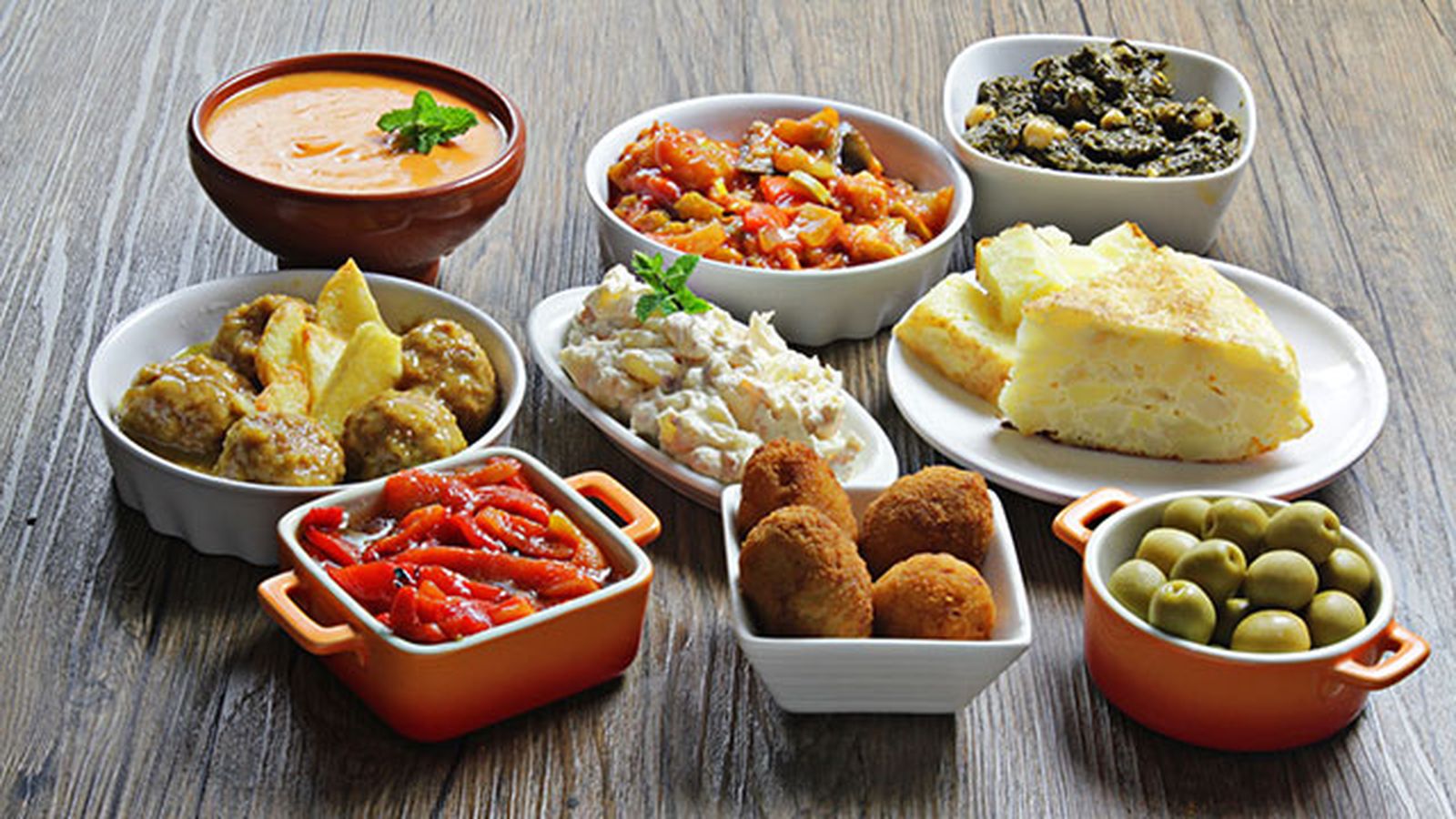
To help you transition from a "hapless tourist" to a savvy local, here is the expanded guide to Spanish food rules.
1. Reset Your Internal Clock
The biggest culture shock for travellers is the schedule. Spanish life revolves around a different rhythm.
-
Lunch (La Comida) is the main event: This happens late, typically between 2:00 PM and 4:00 PM. It is substantial, often multiple courses, and is the most important meal of the day.
-
Dinner (La Cena) is late and light: Restaurants often don't even unlock their doors before 8:30 PM, and locals won't show up until 9:30 PM or 10:00 PM.
-
The "Kitchen Gap": Be warned—kitchens often close completely between 4:30 PM and 8:00 PM. If you get hungry during this dead zone, you’re often limited to cold snacks or fast food.
2. Paella is for Lunch (And Only Lunch)
Ordering paella for dinner is the culinary equivalent of ordering breakfast cereal at a steakhouse.
-
Why? Paella is a heavy, rice-based dish originally eaten by farmworkers to fuel a hard afternoon of labor. It’s too heavy for a late Spanish dinner.
-
The Red Flag: If a restaurant serves paella at night, it is likely precooked, frozen, or aimed exclusively at tourists ("tourist trap" alert).
-
Dinner Alternatives: If you want a hot meal at night, opt for fish (merluza, bacalao), grilled meats (solomillo, secreto ibérico), or huevos rotos (fried eggs over potatoes).
3. Coffee has a Strict Timeline
In Spain, coffee is a ritual, not just a caffeine delivery system.
-
No Cappuccinos after 5 PM: Milky coffees like café con leche or cappuccinos are breakfast drinks. Ordering one after a heavy meal is seen as confusing—why fill your stomach with milk after eating?
-
The Post-Meal Coffee: After lunch or dinner, order a café solo (espresso) or a cortado (espresso with a splash of milk) to aid digestion.
-
Don't drink it before the meal: Coffee is the finale. You drink wine or water with your food, and coffee comes strictly after dessert.
4. Navigating the "Menu" vs. "La Carta"
This vocabulary distinction saves you money.
-
El Menú del Día: This is the holy grail of Spanish lunches. It is a fixed-price set menu (usually €12–€18) that includes a starter (primero), main course (segundo), drink (bebida—often wine!), bread, and dessert or coffee. It is high quality, economical, and what the locals eat.
-
La Carta: This is the standard menu with individual prices. You order from this at dinner or if you want something specific not on the set menu.
5. Tapas: Myths vs. Reality
-
There is no "Tapas Menu": In authentic places, you won't sit at a white-tablecloth table and order from a "tapas menu." Tapas are eaten at the bar or high tables.
-
Tapas vs. Raciones: A tapa is a small bite (sometimes free with a drink in regions like Granada or Madrid, but not everywhere!). If you are sitting down for a meal, you usually order raciones (larger, shareable portions).
-
Sharing is Mandatory: Spanish dining is communal. Don't order a dish just for yourself. Order 3–4 raciones for the table and put them in the middle ("para compartir").
-
Timing: Tapas hour is usually 1:00 PM–2:00 PM (pre-lunch) or 8:00 PM–9:00 PM (pre-dinner).
6. Drink Rules: Ice and Sangria
-
Sangria is for Tourists: Locals rarely drink Sangria. It is often overpriced and made with cheap wine.
-
Drink This Instead: Ask for a Tinto de Verano ("Summer Wine"). It’s red wine mixed with lemon soda (Gaseosa or Fanta Limón). It’s authentic, refreshing, and cheaper.
7. Service Etiquette: Be Assertive
Service in Spain is professional but "hands-off." Waiters will not hover asking "Is everything okay?" every ten minutes.
-
Getting Attention: It is not rude to wave your hand or make eye contact and say "Perdona" to flag a waiter down. If you don't, you might sit there forever.
-
The Bill (La Cuenta): The waiter will never bring the bill until you ask for it. To bring it early is considered rude, as if they are rushing you out. When you are ready, catch their eye and make a "signing" motion with your hand.
-
Bread & Appetisers: If a waiter puts bread, olives, or cheese on your table without you asking, it is not always free. It will appear on the bill as "Pan" or "Servicio," especially in tourist areas. If you don't want it, wave it away immediately. If you are in a village or a residential neighbourhood, it will probably be complimentary.
8. Tipping (Don't Overthink It)
The US 20% rule does not apply here. Service staff earn a living wage.
-
Cafés/Bars: Round up to the nearest euro. (e.g., if coffee is €1.80, leave €2.00).
-
Restaurants: For a sit-down meal, a tip is appreciated but optional. If the service was good, leaving 5% to 10% is generous.
-
Check the Bill: Look for "Servicio Incluido." If it's there, you definitely don't need to tip extra.
9. Food Sins to Avoid
-
Ketchup: Do not ask for ketchup for anything other than French fries (patatas fritas) or a hamburger. Putting it on a tortilla or meat is a crime.
-
Bread Dipping: Do not mix olive oil and vinegar in a bowl to dip your bread. Olive oil is drizzled on bread (often with tomato and salt), but the "balsamic sludge" dip is an Italian-American invention, not a Spanish one.
-
Butter: You will rarely get butter with bread at lunch/dinner. It's olive oil or nothing.
10. Sobremesa: The Art of Lingering
Finally, the most beautiful rule of all. When the meal is finished, do not rush.
-
Sobremesa is the time spent chatting at the table after the food is gone. It can last 30 minutes to an hour.
-
The waiter will not push you out. Order a chupito (herbal liqueur), relax, and enjoy the conversation. This is the heart of Spanish living.
3
Like
Published at 5:39 PM Comments (0)
Spam post or Abuse? Please let us know
|
|