For anyone who has driven or cycled along Spain’s scenic interurban routes—especially the winding mountain passes of the Tramuntana or the sun-bleached coastal stretches of the Mediterranean—the sight of cyclists spinning along the hard shoulder is completely woven into the landscape.
However, a significant regulatory shift published in Spain’s Official State Gazette (BOE) under Royal Decree 899/2025 is set to change the layout of these familiar tarmac stretches. Rumours have swirled that Spain is outright banning bikes from certain conventional highways, but the reality is a structural redesign aimed at a long-running friction point: the shared space between vehicles and bicycles.
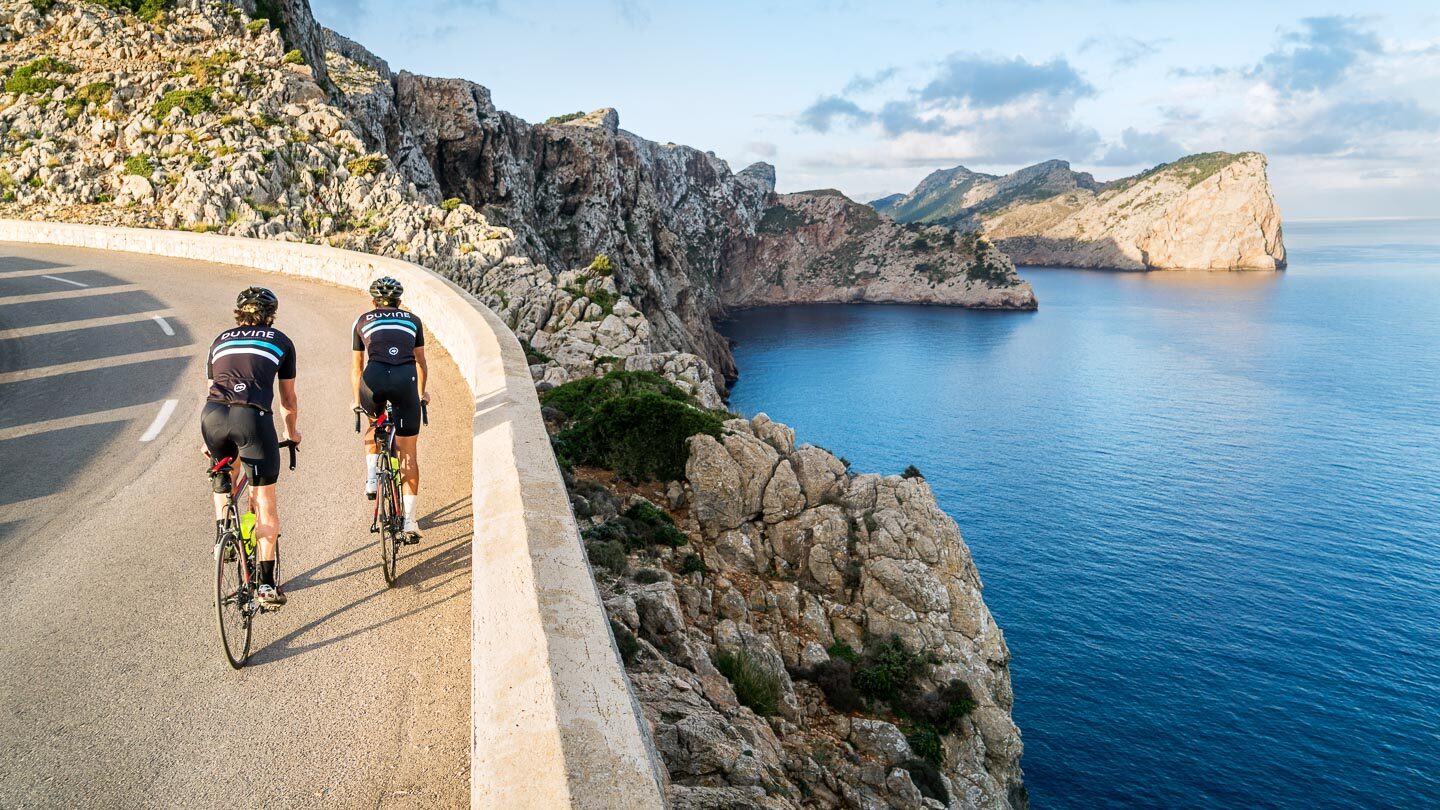
Instead of a blanket ban on riders, Spain is introducing legal frameworks that allow local authorities to reduce, narrow, or entirely eliminate traditional hard shoulders on specific interurban roads. The goal? To reclaim that space and convert it into physically segregated, protected cycle paths running alongside the main carriageway.
Shifting Infrastructure, Not Shifting Rights
The headline rolling across social media might sound alarmist to the cycling community, but the core objective of the reform is a major upgrade to road safety rather than a restriction of access.
Under the updated traffic framework, sections of road deemed high-risk or narrow will undergo a physical transformation. Where a standard asphalt hard shoulder once sat, highway authorities can now install barriers, bollards, or distinct curbing to separate cyclists from fast-moving motor traffic.
The move tackles a sharp uptick in serious accidents on conventional roads, where a simple lapse in concentration from a motorist can immediately encroach on an unprotected hard shoulder. By turning the shoulder into a dedicated, segregated lane, the direct interaction between vehicles and cycling groups is drastically reduced.
Balance on the Islands and Costas
While this law applies nationwide across Spain, its impact is being felt most acutely in major sports tourism hubs like Mallorca and the Costa Blanca. These regions attract hundreds of thousands of amateur and professional riders every year, pumping millions into local economies, but also creating immense logistical strain on local infrastructure.
The changes have instantly ignited a fierce debate online and in local town halls:
The Motorist Perspective: Many local drivers, frustrated by slow-moving groups riding two-abreast on tight holiday routes, welcome the physical separation. The hope is that dedicated lanes will ease traffic congestion and reduce the high-stakes overtaking manoeuvres that fuel local road rage.
The Cyclist Perspective: While safety infrastructure is always welcome, cycling advocacy groups have raised immediate operational concerns. Debris, gravel, and blown-out tire shards naturally collect at the very edge of highways. If these new segregated lanes are not rigorously swept and maintained by local councils, cyclists will be forced to puncture or steer back onto the main driving lanes, defeating the purpose of the barrier.
What Drivers and Riders Need to Know Moving Forward
As these structural changes begin rolling out on the asphalt over the coming months, everyone using Spanish roads needs to stay sharp on the evolving landscape:
Look Out for New Layouts: Expect sudden changes to familiar routes. A road that had a wide, rideable shoulder last season may now feature concrete dividers, narrower car lanes, or newly painted green and red cycle corridors.
The Overtaking Rules Still Stand: The introduction of segregated sections does not change Spain's strict overtaking laws on standard stretches. Motorists must still maintain an absolute minimum distance of 1.5 meters when passing a cyclist on the roadway, and they are legally permitted to cross solid white lines to do so, provided the oncoming lane is completely clear.
Local Jurisdictions Have the Final Say: Because the decree authorises the modification of hard shoulders rather than mandating a universal sweep, changes will happen incrementally. Local town halls and island councils will prioritise the most hazardous tourist hotspots and heavy commuter corridors first.
Ultimately, the closing of the traditional hard shoulder to cyclists isn't about pushing bikes off the road—it’s about acknowledging that the old model of high-speed vehicles and lightweight carbon frames sharing a thin strip of painted asphalt is no longer sustainable. Whether this massive engineering experiment succeeds in creating true road harmony depends entirely on how well these new lanes are built, cleaned, and respected by everyone on the move.
Have you noticed any of these new segregated cycle paths popping up on your local routes? Do you think physical barriers will make the roads safer, or will they cause more frustration for drivers and riders alike?