Santiago de Compostela, the historic Galician capital and the spiritual culmination point of the Camino de Santiago pilgrimage, is increasingly joining the ranks of European cities struggling with the negative consequences of overtourism. For centuries, residents lived in harmony with the influx of pilgrims, but a dramatic surge in visitor numbers has reached a critical tipping point, leading to a palpable sense of alienation among longtime locals.
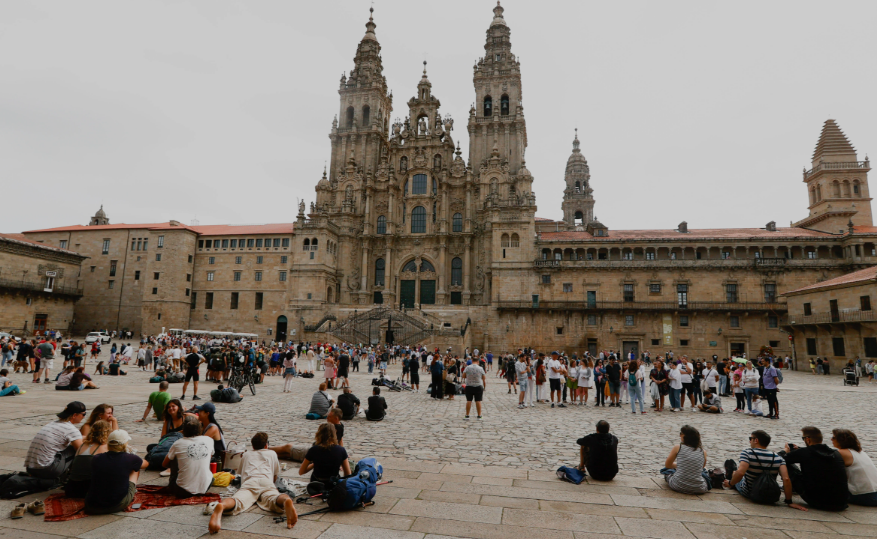
The statistics behind the crisis are staggering. Last year, a record half-million people officially completed one of the Camino routes, a number equivalent to five times the city's permanent resident population. This surge, turbocharged by social media and post-pandemic travel trends, has turned the UNESCO World Heritage-listed old town into a space almost exclusively dominated by outsiders.
The once-vibrant historic centre, which served as the hub of communal life for a millennium, is undergoing a profound transformation. As residents are priced out and essential services disappear, the old town is losing its soul. Roberto Almuíña, president of a local neighbourhood association, laments the loss of community infrastructure: "The city has emptied out... all we've got are closed, abandoned buildings that are falling apart."
The most immediate and painful effect of overtourism on residents is the spiralling housing crisis. The proliferation of short-term vacation rentals has decimated the long-term rental market, driving up prices and making it nearly impossible for ordinary citizens to live in the city centre.
According to a study commissioned by the city council, annual rent prices in Santiago de Compostela surged by 44% between 2018 and 2023. For young workers and families, finding an affordable apartment is now described as "mission impossible." The only people who manage to stay in the historic centre are those fortunate enough to inherit property. This trend is not unique to Santiago, mirroring nationwide street protests across Spain against unaffordable housing linked to the tourist boom.
The relentless pressure from tourism has stripped the old town of its fundamental purpose as a residential area. Permanent residents, reduced to an estimated 3,000, feel like they are "resisting like the Gauls" behind the thick stone walls of their buildings.
The community services that underpin daily life are disappearing: there are now virtually no hardware stores, newsstands, or functional bakeries left. These businesses have been replaced by a homogeneous landscape of cafes, souvenir shops, and ice cream parlours catering solely to the transient visitor.
Residents are not suffering from "tourism-phobia," as they emphasise they have always welcomed visitors. Their rejection only arises, as Almuíña states, "when the pressure goes beyond what is reasonable." As the number of pilgrims continues to break records this year, Santiago de Compostela faces the urgent challenge of balancing its role as a spiritual and cultural destination with the fundamental need to preserve its resident community.