If you ask the average wine drinker to define Sherry, you might be met with a blank stare or a vague reference to a sweet drink enjoyed by elderly relatives at Christmas. But here in Spain, and specifically in the south-west, Sherry (or Jerez) is a serious cultural institution with a complexity that rivals the world’s finest wines.
For expats and visitors looking to navigate the wine lists of Andalusia, understanding the basics is key. Based on insights from Foods and Wines from Spain, here is a primer on the dry Sherry styles that form the foundation of this iconic Spanish drink.
Sherry is exclusively produced in the "Marco de Jerez," a triangle of land defined by three towns: Jerez de la Frontera, El Puerto de Santa María, and Sanlúcar de Barrameda. While the region is famous for its unique solera ageing system, there is a growing movement returning to the roots of the vine, emphasising specific vineyard parcels (pagos) and how the land influences the final glass.
The vast majority of dry Sherry is made from the white Palomino grape. It is chosen for its neutral flavour profile, which acts as a blank canvas for the ageing process.
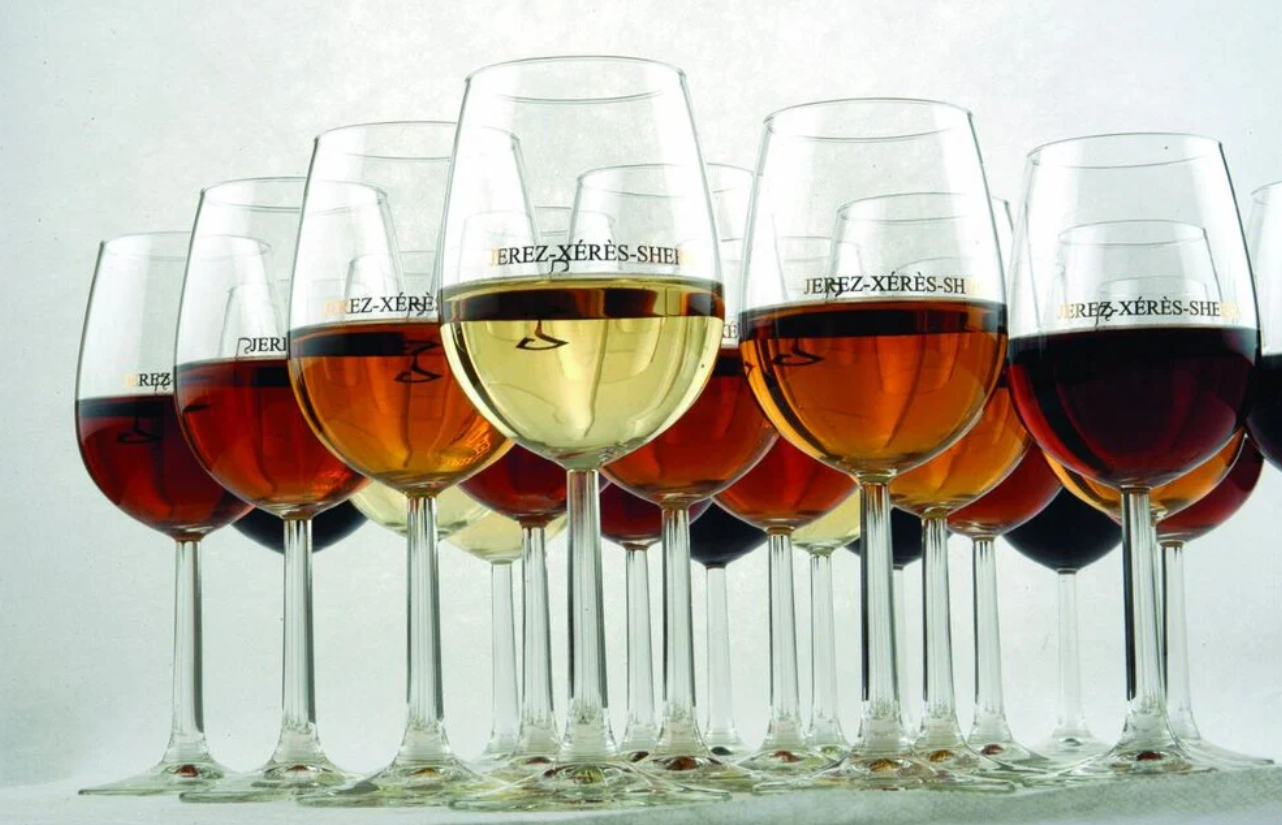
After fermentation, the wines are classified into two main paths:
-
Biological Ageing: Wines fortified to about 15.5% alcohol, allowing a layer of native yeast called flor to grow on the surface. This yeast protects the wine from oxygen and imparts unique flavours.
-
Oxidative Ageing: Wines fortified to at least 17% alcohol. This higher strength prevents flor from surviving, exposing the wine to oxygen and creating a darker, richer profile.
The Solera System
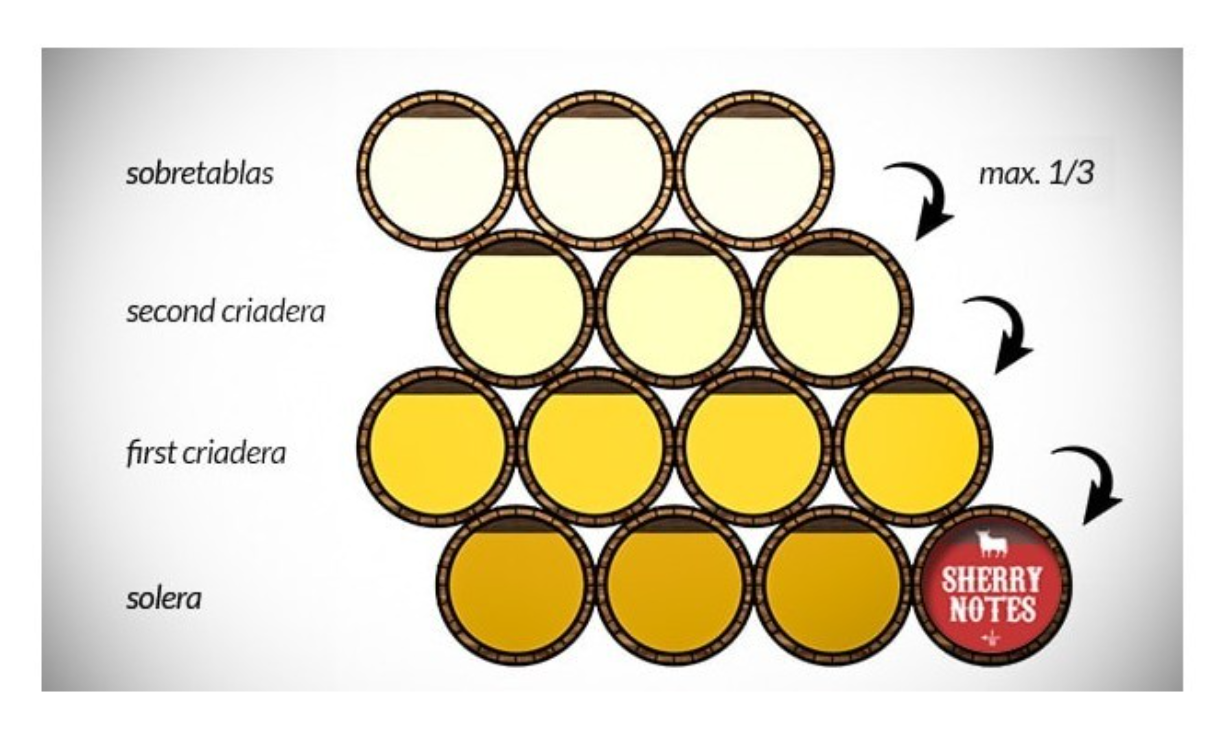
Have you ever wondered why Sherry bottles rarely show a vintage year? It’s because of the solera y criaderas system. This method involves fractional blending where younger wines are systematically mixed with older wines. The result is a consistent product where every bottle contains a tiny drop of wine that could be decades (or even a century) old.
The 5 Styles of Dry Sherry You Should Know
1. Fino
A pale, delicate wine aged entirely under the layer of flor yeast. It is dry, crisp, and carries notes of almonds, wild herbs, and dough. It is the perfect match for tapas, olives, and Iberian ham.
2. Manzanilla
Essentially a Fino, but produced exclusively in the coastal town of Sanlúcar de Barrameda. The humid sea air leads to a thicker layer of flor, resulting in a wine that is even paler and lighter, often with a distinctive salty, sea-spray "tang."
3. Oloroso
"Oloroso" means "fragrant." These wines are aged without flor, exposing them to oxygen. They are dark, nutty, and full-bodied, with flavours of toffee, leather, spice, and walnuts. With a texture similar to red wine, they pair beautifully with stews, game meat, and mature cheeses.
4. Amontillado
An Amontillado starts its life as a Fino (under flor) but is later refortified to kill the yeast, allowing it to age oxidatively. The result is an amber-colored wine that combines the yeasty, sharp aromas of a Fino with the nutty complexity of an Oloroso.
5. Palo Cortado
The rarest style, Palo Cortado is an elegant enigma. It technically undergoes a similar process to Amontillado (biological followed by oxidative ageing), but typically spends less time under the flor. Connoisseurs say it has the aromatic finesse of an Amontillado but the body and structure of an Oloroso.
Next time you are at a bar in Andalusia, don't just ask for a glass of wine—order a chilled copa of Fino or a glass of Oloroso with your lunch. You’ll be tasting centuries of tradition in a single sip.