Spain vs Italy: which is easier and cheaper to buy property in?
Saturday, August 29, 2026
For Italian buyers in particular, Spain and Italy are natural points of comparison — two Mediterranean countries with similar climates, comparable culture and cuisine, and a shared appeal as a place to buy a second home or relocate to. But the two property markets work quite differently in practice, from how taxes are calculated to how the buying process itself unfolds. This guide compares them honestly, covering what each country genuinely does well, so you can make the decision with a clear picture of both.
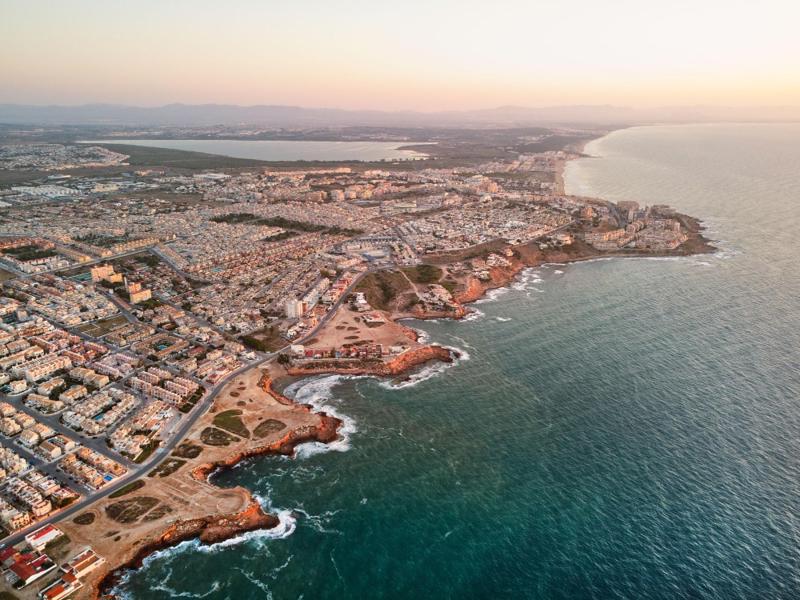 Spain's Mediterranean coast offers extensive, accessible coastal property — one of the reasons so many international buyers choose it over other Mediterranean markets. Photo: Freepik
Property prices in Spain vs Italy
Neither country is uniformly cheaper than the other — both have expensive capitals and coastal hotspots alongside genuinely affordable regions. Milan, Rome, and the Amalfi Coast command prices comparable to Madrid, Barcelona, or Marbella. But where Spain tends to have an edge for the specific profile of buyer looking at this comparison — a second home or relocation on the coast — is the breadth of accessible, well-connected coastal inventory at moderate prices. Spain's Mediterranean coastline offers a far larger stock of modern, move-in-ready apartments and villas in established international communities, at price points that remain accessible even close to the sea, particularly along the Costa Blanca and parts of the Costa del Sol.
Italy's equivalent value is found more often inland or in the south — Puglia, Calabria, Sicily — where prices can be very low, but the property stock is older, renovation needs are often significant, and English or Italian-speaking international infrastructure is considerably thinner than on Spain's established coasts.
Purchase taxes in Spain Vs Italy
This is the area buyers most often misunderstand, because the two countries calculate tax on different bases entirely.
Spain
For a resale property, Spain applies transfer tax (ITP) directly to the purchase price — generally 6% to 10%, depending on the autonomous community. For a new build bought from a developer, VAT (IVA) applies instead, at a flat 10%, plus stamp duty (AJD) of roughly 0.5% to 1.5%. All-in closing costs for a resale in Spain — taxes, notary, registry, and legal fees — typically land between 10% and 14% of the purchase price. The full breakdown of Spanish property taxes covers regional variations in more detail.
Italy
For a resale property bought from a private seller, Italy applies registration tax (imposta di registro) of 9% for a second home — but crucially, this is calculated on the property's cadastral value (valore catastale), not the market price. Cadastral values are typically 30% to 50% lower than what a property actually sells for, so the effective tax burden on the real purchase price often works out to roughly 5% to 7% — lower than the headline rate suggests. A reduced 2% rate applies to a primary residence, but this requires transferring official residency to the property's municipality within 18 months, a condition most non-resident second-home buyers do not meet. New builds from a developer attract VAT instead, at 10% (4% for qualifying primary residences, 22% for luxury categories), on the sale price rather than cadastral value.
The practical difference
Once notary fees, agency commission, and legal costs are added on both sides, total closing costs in Italy for a non-resident buying a second home typically also land in the 10% to 15% range — broadly comparable to Spain once all costs are accounted for. The genuine difference is less about which country is cheaper overall, and more about predictability: Spain's tax is calculated on what you actually paid, which is simple to budget for in advance...
Read more at thinkSPAIN.com
 1
Like
Published at 8:24 AM Comments (0)
1
Like
Published at 8:24 AM Comments (0)
Scorched Earth: Spain’s Record-Breaking Summer of Fire and Extreme Heat
Tuesday, August 11, 2026
If you have spent any time living in or travelling across Spain over the past few weeks, you haven't needed a thermometer to tell you something extraordinary is happening. The sheer weight of the heat has felt inescapable—a suffocating blanket settling over the peninsula, pushing air conditioning units to their absolute limits and turning rural landscapes into powder-dry tinderboxes.
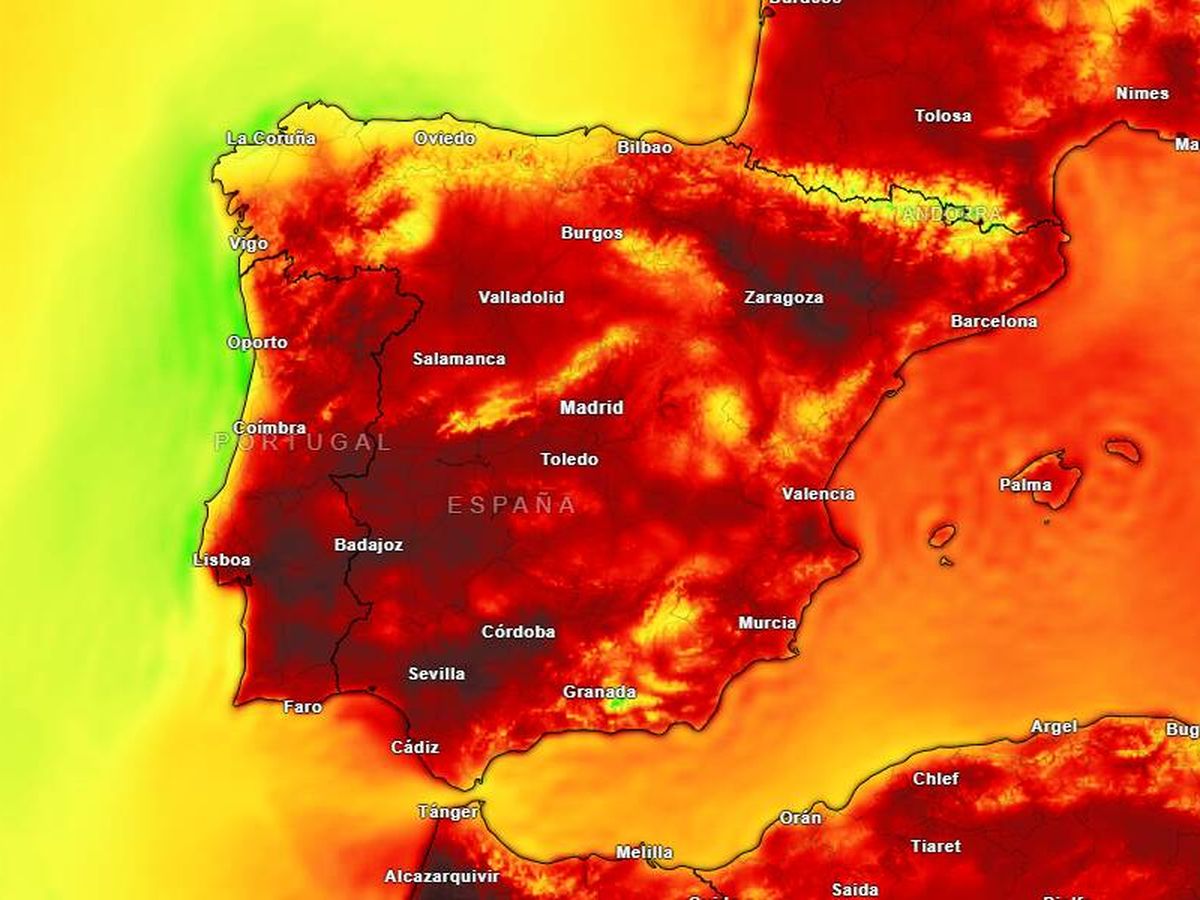
According to data released by Spain’s State Meteorological Agency (AEMET), July has officially tied with 2022 as the hottest July on record since modern meteorological records began in the mid-20th century. With an average daily temperature soaring to 25.7°C—a punishing 2.6°C higher than the historical baseline—this summer has unleashed a relentless succession of heatwaves that have tragically triggered some of the most destructive wildfires in modern Spanish history.
The Dangerous Formula: Weather Whiplash and Megafires
The unprecedented wave of forest fires scorching over 150,000 hectares across regions like Madrid, Ávila, Toledo, Guadalajara, and Castellón is not just bad luck. Climate scientists and international attribution groups point to a dangerous meteorological phenomenon known as "weather whiplash."
-
The Wet Winter: Spain kicked off the year with unusually heavy rainfall and wet winter conditions, encouraging massive bursts of spring vegetation growth.
-
The Sudden Drought: That lush green growth was followed by an exceptionally dry spring and an early, brutal onslaught of summer heatwaves.
-
The Perfect Fuel: The heavy vegetation rapidly withered and died, creating vast layers of hyper-flammable fuel across the countryside. When combined with July's record-shattering temperatures, international scientific studies show that these extreme fire-weather conditions were made at least 20 times more likely due to human-induced global warming.
The Human Toll and National Emergency
For the first time in modern Spanish history, the severity of the blazes forced the central government to declare a state of emergency of national interest across parts of Madrid and Ávila as massive fires threatened urban perimeters, forced tens of thousands of evacuations, and blanketed major cities in hazardous smoke.
| Affected Region |
Key Incidents & Impact |
| Ávila & Madrid |
Over 44,000 hectares consumed by a massive blaze, prompting state emergency declarations and widespread evacuations. |
| Castilla-La Mancha |
Destructive mega-fires tearing through Guadalajara and Toledo. |
| Andalusia |
Tragic localised fires, including severe incidents in Almería's Los Gallardos. |
What This Means for Long-Term Residents and Property Owners
For British expats and property owners living in Spain—particularly those in rural, semi-rural, or urbanización settings bordering pine forests and dry scrubland—the summer of 2026 serves as an urgent wake-up call regarding fire safety and property infrastructure.
EOS Insider Pro-Tip: If your Spanish home is located near wooded areas or dry fields, you must treat fire prevention as an absolute priority. Ensure your property has a cleared defensible perimeter (at least 10 to 15 metres of cleared vegetation away from structures), check that your gutters are free of dry pine needles, and familiarise yourself immediately with local municipal evacuation protocols. When local authorities issue red-flag high-risk fire warnings, compliance with outdoor restrictions (such as banning heavy machinery use or charcoal barbecues) is a matter of life and death.
Join the EOS Community Discussion
As Spain confronts a rapidly changing climate, the reality of living through these intense summer heatwaves and wildfire crises affects every corner of our community—from rural homeowners to urban dwellers dealing with poor air quality.
How has your local area coped with this record-breaking summer heat? Have you had to alter your travel plans or take special precautions around your home? Share your experiences and thoughts in the comments below.
1
Like
Published at 8:55 PM Comments (0)
Inside Spain’s Secret Luxury Housing Market
Tuesday, August 11, 2026
While property headlines across Spain frequently focus on surging rental costs, mortgage pressures, and the squeeze on standard residential housing, a parallel universe exists entirely divorced from traditional market realities. In Spain’s most exclusive enclaves, a massive shift is underway: an invisible, high-stakes real estate trade where properties never appear on public listing sites, and privacy is valued far above public exposure.
According to recent investigations by El País, off-market transactions—deals privately executed behind closed doors outside traditional public channels—have surged dramatically, powered by an elite class of international buyers seeking absolute discretion.
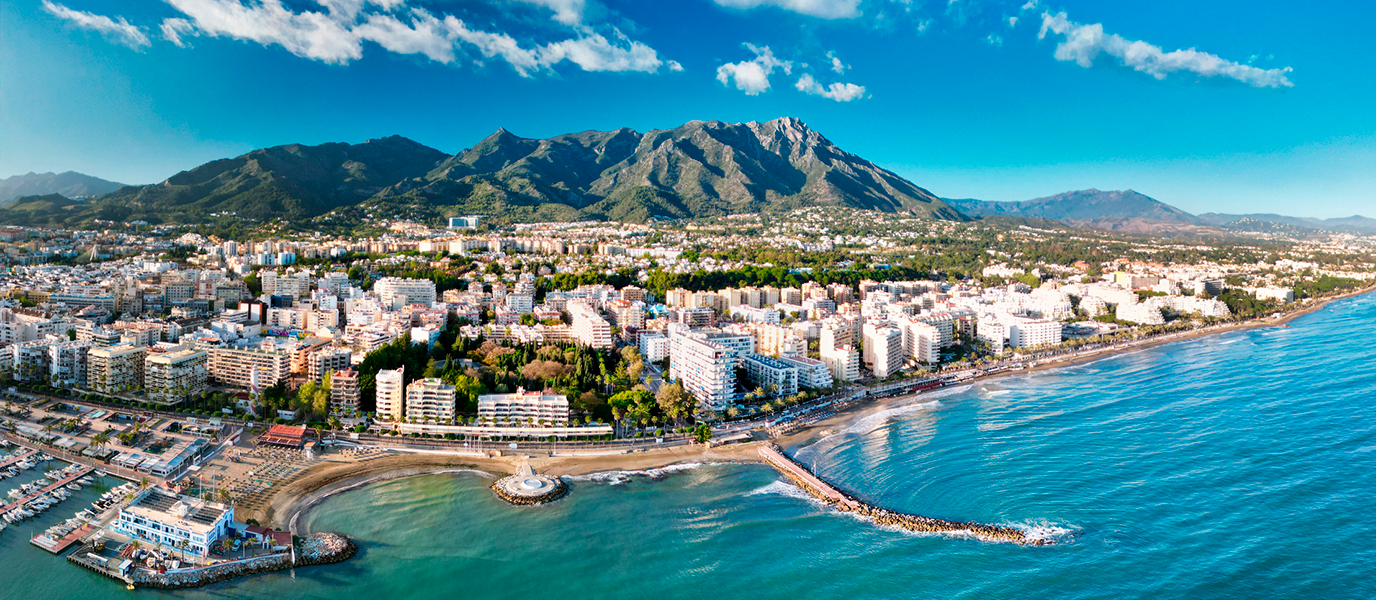
The Hidden Mechanics of Off-Market Real Estate
In the standard property market, success is measured by maximum visibility—glamorous portal listings, virtual tours, and wide social media promotion. In the ultra-luxury tier, however, the exact opposite is true.
Sellers of multi-million-euro estates often demand total anonymity. They do not want their personal residences photographed, catalogued, or openly discussed on property websites. Instead, specialised boutique agencies curate private portfolios, connecting vetted, high-net-worth buyers directly with sellers through encrypted networks and private viewings.
-
The Price Floor: According to industry experts, baseline entry into this hidden market typically starts at around £1.5 million ($1.75 million / €1.6 million).
-
The Upper Echelons: For ultra-luxury properties commanding between £10 million and £20 million, private, off-market sales are no longer just an option—they are standard operating procedure. Agencies specialising in this tier report that over a third of their total operations are conducted entirely out of the public eye.
Where Are Spain’s Secret Billion-Euro Enclaves?
This shadow market is heavily concentrated in specific geographical pockets where wealth, international mobility, and prime real estate intersect.
| Region / City |
Prime Off-Market Hotspots |
What Draws the Elite |
| Madrid |
Salamanca, Chamberí, Justicia |
Historic, architectural masterpieces, private members' clubs, and corporate high-flyers. |
| Costa del Sol |
Marbella, La Zagaleta, Puerto Banús, Milla de Oro |
Secure, gated ultra-luxury communities with helipads, golf access, and absolute privacy. |
| Cádiz |
Sotogrande |
Expansive private estates, world-class polo, and discreet marina living. |
The Pros and Cons of Going ‘Invisible’
For sellers, the appeal of an off-market deal goes beyond just the astronomical figures. As real estate professionals note, "In many cases, peace of mind carries as much value as the financial result of the sale itself." High-profile executives, athletes, and international investors avoid media scrutiny, curious neighbours, and potential security risks.
However, there is a flip side to the coin. By deliberately restricting a property's exposure to a hand-picked circle of buyers, sellers sacrifice competitive bidding wars. They rely entirely on the accuracy of their broker's private network, meaning a seller could potentially miss out on higher offers that might have surfaced on the open market.
Insider Pro-Tip: If you are browsing standard property portals like Idealista looking for a bargain in upscale neighbourhoods like Madrid's Salamanca or Marbella's Golden Mile, keep in mind that the most prestigious properties will never show up on your screen. The true crown jewels of Spanish real estate change hands quietly in private offices, proving that in the world of ultra-wealth, invisibility is the ultimate luxury.
Join the Community Discussion
The growing divide between Spain’s standard housing market and the secretive, multi-million-euro elite sector highlights just how dynamic the country's property landscape has become.
Have you noticed the changing face of high-end real estate in your local area? Do you think the trend toward private, off-market sales protects communities, or does it further alienate the traditional housing market? Let us know your thoughts in the comments below...
2
Like
Published at 8:48 PM Comments (0)
Top beaches to visit in Spain in summer 2026
Friday, August 7, 2026
Which are the best Spanish beaches to visit this summer? That's a tough question for an undisputed world blue flag leader with an 8,000-kilometre coastline. It also depends upon your preferences: Scenic, quiet, lively, easily accessible. But Spain's endless incredible beaches (some even several hours' drive from the sea) are always a hit, and not just in summer: Many are equally beautiful in winter.
Need inspiration? Here are some ideas.
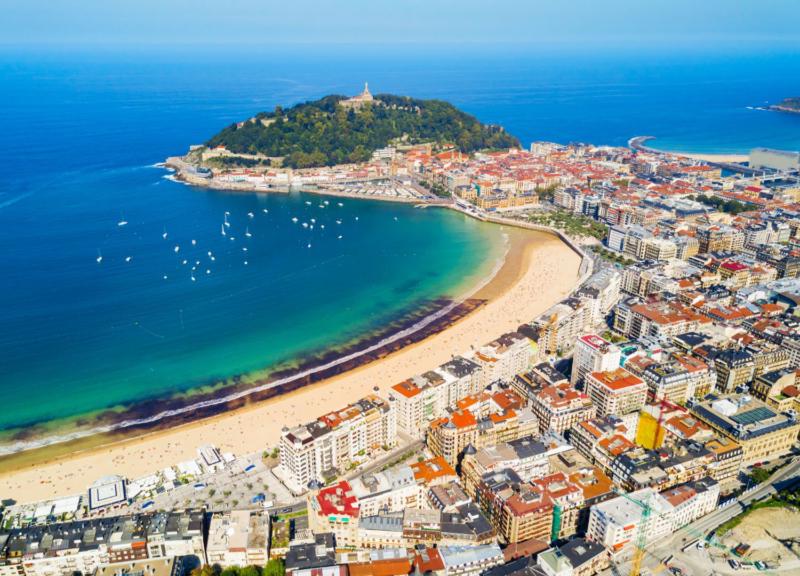
La Concha beach gives its name to the awards at San Sebastián International Film Festival and is conveniently located close to the city centre. Photo: Canva
Top Spanish beaches for sunshine holidays
Despite Spain's international fame as a beach holiday hotspot, it's not difficult to find remote, tranquil coves, even in the busiest tourism destinations, to escape the crowds. Quiet bays in beautiful, unspoilt surroundings abound in every coastal province.
But established seaside tourism belts guarantee a lively atmosphere, convenience, accessibility, and practical facilities: All ideal for an easy, hassle-free trip.
The best indicator of a well-equipped, good-quality beach geared up to holidaymakers is the blue flag. Here's a selection to suit every preference:
Begur, Girona province
On the Costa Brava, the remote, natural coves in Begur are a complete contrast to the bustling holiday feel of this well-loved coast. Zealously guarded by majestic cliffs and dense pine forests, with wooden walkways allowing you to explore the landscape en route to the crystalline waters of its many bays, the best parts to find peace and quiet are in the Aiguafreda ('Cold Water', but it's not especially, so don't take it literally), Sa Tuna, Sa Riera and Aiguablava ('Blue Water', and do take this literally) bays.
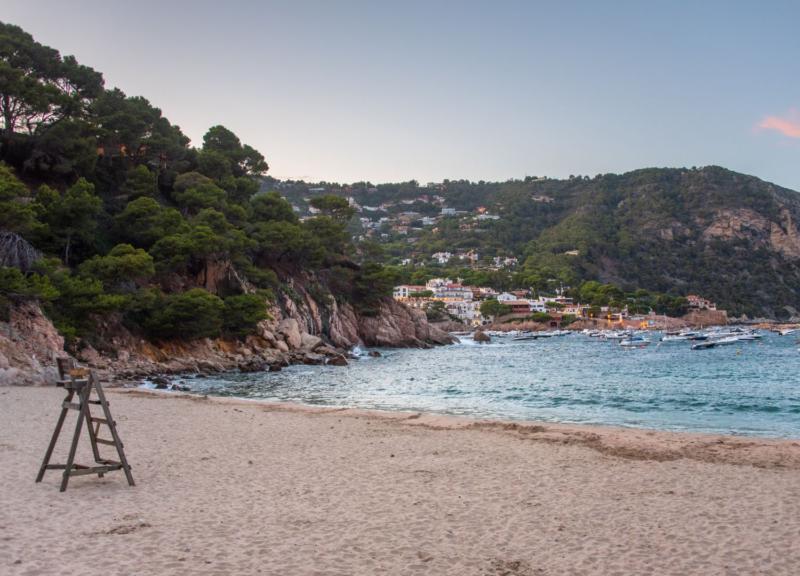
Aiguablava, a peaceful cove in Begur on the Costa Brava. Its name, which translates as 'Blue Water', is an accurate description. Photo: Getty Images
La Concha, San Sebastián, Basque Country
The name of this beach in Guipúzcoa province comes from its shape – that of a sea-shell, or concha in Spanish. Flat, wide and sandy, enclosed enough to keep out the strongest of the winds in autumn and winter, La Concha is sufficiently close to the city centre for maximum convenience, making it popular with holidaymakers from northern Spain and southern France.
Locals are so proud of their beach that the awards at the world-famous San Sebastián International Film Festival are named after it: The Concha de Oro ('Golden Shell') is presented for the best film, and the Conchas de Plata ('Silver Shells') to the best lead performer, supporting performer, and director.
Granadella and Portitxol, Jávea (Alicante province)
Famous as the Costa Blanca is for international seaside tourism, the Alicante province coastline actually has plenty of quiet beaches off the mainstream holiday trail. And although Jávea's urban shores are full of life in summer, two of its most sought-after beaches are completely secluded. Stunning cliffs, mountains, heathland, forest, and a tiny handful of private villas are the backdrop for these well-hidden bays. But numbers are restricted, as they're part of a marine reserve.
Granadella, officially one of Spain's most-featured on Instagram, becomes full from early morning. Beachgoers are known to start queuing before sunrise to ensure they get a parking space.
Portitxol, even more secluded, is often overlooked in favour of the Granadella, so it fills up less quickly. Portitxol bay has its own 'village' fiesta every summer, and retains its traditional essence of a remote clifftop fishing hamlet.

White fishermen's houses with their trademark blue doors and shutters are part of the traditional essence of Jávea's secluded Portitxol bay. Photo: Getty Images
Rincón de la Victoria (Málaga province)
One of Spain's top international beach destinations, the Costa del Sol (Málaga province coast) is vibrant, bright and refreshing, with tourists' every practical need covered. Mature sun, sea and sand enclaves such as Fuengirola, Torremolinos, Estepona, Benalmádena and Marbella are ideal for a sunshine break with minimal effort. But they can get busy and, in high season, feel less authentically-Spanish than at other times of the year.
Lesser-known yet equally convenient is Rincón de la Victoria, a long-standing favourite for families living farther inland. The beaches are low-rise and low-density, especially the semi-rural Torre de Benagalbón. Although there are plenty of hotels, most visitors are Spanish holiday-home owners who typically move in for summer. Everyday amenities are necessary even when you only live somewhere for two months, so short-term visitors will find all they need on their doorstep.
Sa Calobra and Es Trenc, Mallorca
Sunseekers looking for well-equipped urban beaches can find them almost anywhere on the largest of the Balearic Islands. But Mallorca is equally internationally-renowned for its remote, undeveloped bays and semi-rural coves, especially in the Alcúdia and Port Sóller areas.
Read more at thinkSPAIN.com
1
Like
Published at 9:04 PM Comments (0)
Spam post or Abuse? Please let us know
|
|