For decades, the classic British expat dream in Spain involved painstakingly restoring a crumbling inland finca or buying a traditional whitewashed villa with terracotta roof tiles. But as the demographics of second-home buyers shift, so too do their architectural tastes.
Recently highlighted by The New York Times, a growing wave of international buyers are turning their attention to the rugged cliffs of the Costa Brava—specifically hidden, pine-fringed coves like Sa Tuna—to acquire ultra-modern, glass-fronted properties that completely blur the boundary between the living room and the Mediterranean Sea.
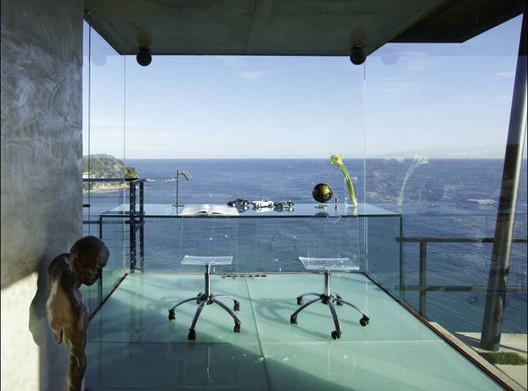
For property owners looking to split their time between their primary residence and Spain, this architectural pivot towards sleek, minimalist, light-filled spaces is quietly transforming Catalonia's most dramatic coastline.
Why the Costa Brava? The Anti-Resort Coastline
Unlike the sprawling, heavily developed holiday resorts found further south on the Costa Blanca or Costa del Sol, the Costa Brava (the "Rugged Coast" of Girona province) has fiercely protected its topography.
Towns like Begur, Cadaqués, and the tiny cove of Sa Tuna restrict high-rise developments, favouring low-density, high-value homes integrated directly into the steep coastal rock. This region appeals heavily to buyers who want a sophisticated, nature-driven lifestyle. Here, the focus is on secluded coves, Michelin-starred gastronomy, and world-class sailing, rather than bustling expat pubs and all-inclusive package holidays.
The "Wall of Glass" Appeal
The new holy grail for high-net-worth buyers in Catalonia is the "invisible" house. Instead of thick stone walls designed to block out the summer heat, modern buyers are investing in high-tech, floor-to-ceiling structural glass.
When a property is perched 200 feet above the sea, a retractable glass facade allows the entire ground floor to open directly onto a cantilevered terrace or infinity pool. Thanks to advances in solar-reflective glazing and high-efficiency climate control, these homes manage to stay cool in the height of August while offering uninterrupted, panoramic views of the Mediterranean.
The Financial Reality: Buying Modern on the Costa Brava
Building or buying a cutting-edge architectural masterpiece in one of Spain's most heavily protected coastal zones does not come cheap. If you are browsing the property portals for a modern, glass-fronted villa around Begur or Sa Tuna, you are entering a premium market.
| Property Type / Location |
Average Market Value (UK Sterling) |
What You Can Expect |
| Traditional Townhouse (Inland Begur) |
£400,000 – £650,000 |
Historic charm, stone walls, small courtyard, walking distance to the town hall and local markets. |
| Standard Coastal Villa (Pre-2000s Build) |
£850,000 – £1.2 Million |
Good sea views, traditional Spanish layout, kidney-shaped pool, requires modernisation. |
| Modern "Wall of Glass" Villa (Sa Tuna / Aiguablava) |
£1.8 Million – £3.5 Million+ |
Uninterrupted frontline sea views, open-plan living, infinity pool, smart-home technology, and premium bespoke finishes. |
EOS Insider Pro-Tip: If you are tempted to buy an older frontline property on the Costa Brava with the intention of tearing down walls to install massive glass facades, you must first consult a local architect regarding Spain’s strict Ley de Costas (Coastal Law). Properties sitting within the protected coastal transit zone are severely restricted in terms of structural expansions. What looks like a simple renovation can quickly be vetoed by the regional ayuntamiento if it alters the original footprint or visual impact from the sea.
The shift from traditional Spanish architecture to sleek, modern glass boxes is a divisive topic among expats. Some believe these contemporary homes are the pinnacle of luxury coastal living, while others feel they strip away the authentic charm of the Spanish seaside.
Where do you stand on the modern vs. traditional debate? Would you trade a rustic stone villa for a minimalist glass home with endless sea views, or do you prefer the classic Andalusian and Catalan styles? Let us know your thoughts in the comments below.