What are the benefits of moving to Spain to retire?
Wednesday, November 26, 2025
As anyone who has already done it will tell you, spending your retirement in Spain offers plenty of benefits in terms of physical and mental health, and general wellbeing. You may also find doing so comes with financial benefits too, depending upon where you are moving from.
Spain remains one of the most popular destinations for those seeking a change of scenery once their working lives end and they can enjoy endless free time at last – but what makes it so sought-after?
Here are some of the features of Spain that lead thousands of new pensioners to set up home here every year:

Retiring in Spain offers plenty of benefits in terms of physical and mental health. Photo: GettyImages
Climate
One of the key reasons for choosing a retirement in Spain is the climate, particularly on the islands, in the south and on the Mediterranean. On average, year-round temperatures are higher than in central and northern Europe, winter daylight hours are longer, and sunshine is abundant. In fact, even when the weather is cool, it is often still sunny, meaning a constant and free source of vitamin D – essential for bone and immune system health.
Some new pensioners considering moving to Spain may have concerns that it could, in reality, be too hot. Whilst it is true that the main summer months, from approximately June to September, can be extremely hot with temperatures well above 30ºC and high humidity, this is not the case all year round. Winters normally require a coat, but biting cold is rare at sea-level, and spring and autumn are mild, without being hot.
Much of Spain is at an altitude, given that it is the second-most mountainous country in Europe after Switzerland, meaning cold weather and even snow are possible in inland areas. Here, most homes are built with central heating as standard, and older properties frequently have wood-burning stoves and chimneys. On the coasts and islands, though, very little winter heating is needed, and air-conditioning units double up as heaters for those few weeks a year when it is.
All this means your winter heating costs are likely to be much lower than in central or northern Europe, but you may need to use your air-conditioning a lot in summer.
Lifestyle and culture
Thanks to the mild weather in spring, autumn and winter, life in Spain takes place outdoors far more than in colder countries. The benefits of this are obvious: Fresh air, vitamin D, and greater contact with other people, helping to combat isolation. Also, it means you can always find 'something to do' that doesn't have to cost money: In colder climates, wanting to get out of the house and enjoy a 'change of scenery' normally involves finding an indoor pursuit, such as shopping. In most of Spain and for most of the year, you can simply sit in a pavement café and watch the world go by, or go out for a walk on the beach, in the countryside or around town.
Despite common misconceptions, the pace of life in Spain is not necessarily slower, more relaxed, or less hassle than in any other first-world country – but it is much easier, in Spain, to simply 'be' rather than 'do'.
It's actually hard to get bored in Spain, because there's always something happening and a lot of it costs little or nothing. Nearly every town celebrates its patron saint fiestas once a year, which go on for several days and include vibrant, colourful processions, live music, street theatre, concerts, fêtes, and themed markets. Fiestas also take place during other key dates such as Easter or on the 'regional day' for wherever you live. In between these, craft markets, shopping and trade fairs, and open-air music shows are frequent, especially in summer, providing a constant backdrop of entertainment that anyone can enjoy. Spain has a very strong arts and culture scene, with almost all children learning to play at least one musical instrument at school, and its outdoor lifestyle means all ages of Spaniards get heavily involved in sports. Even if you're not keen on or able to take part in them yourself, public sporting events are a regular feature of Spanish life, and a great source of spectator entertainment.
Much of the day-to-day culture in Spain revolves around food. The country holds the record for the highest number of bars and restaurants per inhabitant in the world, meaning wherever you are, there'll be somewhere to stop for a coffee, a cool drink or a snack within a few paces. Eating out is not necessarily considered a luxury in Spain – it can be, and the high number of Michelin-starred restaurants nationwide is testimony to that – but it can also simply be an alternative to cooking at home.
Spain remains one of the most affordable countries in the developed world for eating and drinking outside the home, and its cuisine is so widely varied that you may find completely different dishes even between neighbouring towns. All regions have vastly different 'traditional' recipes – to such an extent that many Spaniards are surprised by the food when they travel elsewhere in their own country.
Read more at thinkSPAIN.com
 2
Like
Published at 8:08 PM Comments (1)
2
Like
Published at 8:08 PM Comments (1)
Global capital confirms Spain as Europe’s investment leader
Wednesday, November 26, 2025
The Spanish real estate market is generating excitement across global financial centres. Leading reports from international firms confirm that Spain is recording the largest upturn in property investment across Europe, firmly positioning the country as the continent’s leading safe haven for capital deployment in 2025.
This surge is not just a recovery; it’s an acceleration. While other major European markets face slow growth and uncertainty, Spain's investment landscape is projected to hit a colossal €16 billion in 2025. Spain has recorded the third-highest volume of real estate investment in the first nine months of 2025, behind only 2022 and 2018. As of the close of Q3, real estate investment in Spain had already reached 12.9 billion euros, 44% more than in the same period of 2024. A 20% growth in investment is expected by the end of the year, compared to last year. This powerful institutional confidence directly validates the long-term prospects for individual foreign buyers.
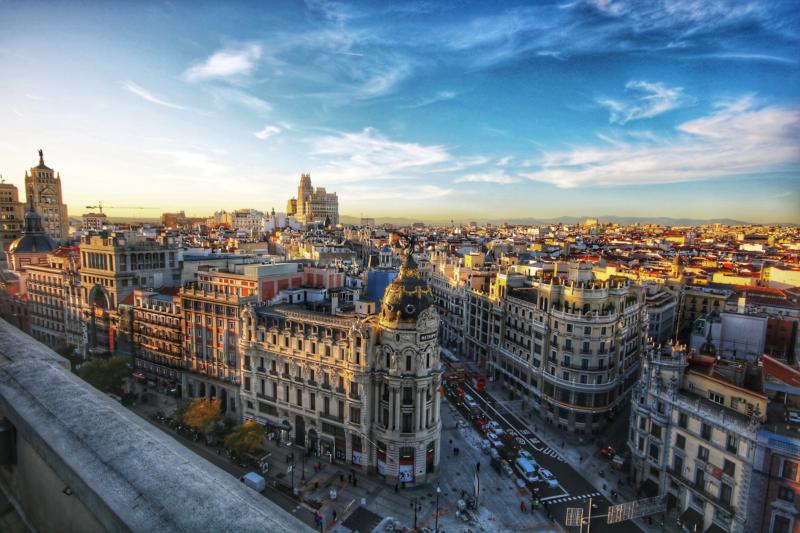
Madrid overtakes Paris as Europe’s second most attractive city for real estate investment. Photo: Unsplash
The structural advantage explained
Institutional investors are prioritising Spain because its growth is fundamentally sound, mitigating the volatility inherent in other major European markets. Spain's 20% investment forecast is highly compelling for three key reasons:
- Low volatility, high quality: Unlike some economies seeing high percentage rebounds from severely depressed asset values, Spain experienced less dramatic asset value decline during recent economic headwinds. The 20% growth here is seen as high-quality, structural growth, built on resilient fundamentals. Investors choose this stability over the riskier volatility, driving larger recovery figures elsewhere.
- Structural housing deficit: Spain suffers from a severe housing deficit—a chronic shortage of homes relative to demand driven by population growth and new household formation. This imbalance, which major institutional capital views as a permanent feature of the market, guarantees continued capital appreciation and rental income stability for the foreseeable future.
- Liquidity and returns: Spain offers compelling total returns (capital appreciation plus rental yield) that exceed 7% (in areas such as Valencia) in 2025, according to analysts. The market is recognised as highly liquid, meaning assets are easier to buy and, crucially, easier to sell—a major concern for large global funds.
The conclusion for investors is simple: The smart money chooses structural safety. Spain is the clear "leader in preference" for capitalising on Europe's economic rebound.
The prestige factor: Madrid eclipses Paris
The transformation of Spanish cities into global investment magnets is perhaps the most powerful signal of long-term stability. Price Waterhouse Coopers' Emerging Trends in Real Estate Report for 2025 has officially cemented Madrid's status as Europe’s second most attractive city for real estate investment, surpassing Paris. According to CBRE's Investor Sentiment Survey, Spain was the only country in Europe to place two cities—Madrid and Barcelona (ranked fourth)—in the top four, demonstrating nationwide market depth and consensus among major real estate analysts.
Read mroe at thinkSPAIN.com
0
Like
Published at 8:00 PM Comments (0)
Rural living close to the Costa: Cheap country houses in Málaga
Friday, November 21, 2025
Rural tranquillity and the Costa del Sol would not seem to go hand in hand when choosing your ideal location in Spain. But what if we told you that you could have both – and at a price well below the national average for a modest town flat? Cheap country houses in Málaga province could be the answer if you seek peace and quiet, privacy, space and clean air, yet are reluctant to relinquish the convenience of urban life altogether. This option offers a balance: Nature and serenity at home, but a lively holiday atmosphere and established expatriate community a short drive away if ever you want or need them – all this for less than €200,000.
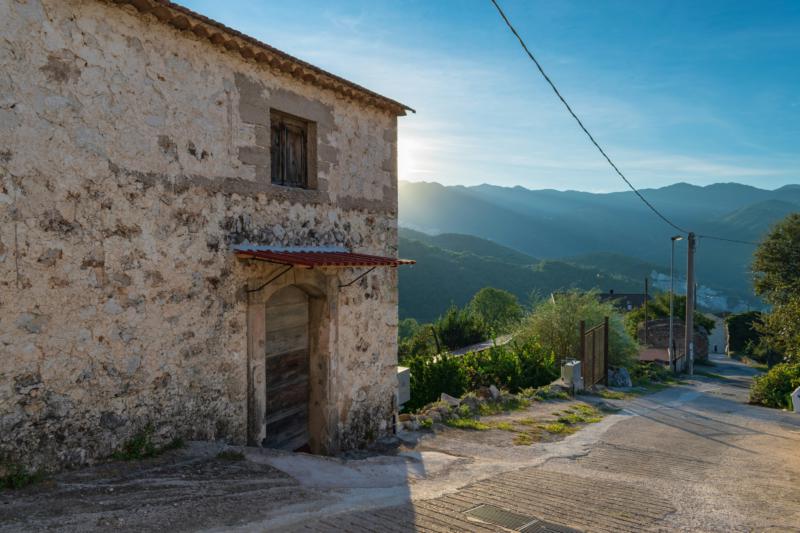
Nature, privacy and clean air, a short drive from the convenience of urban life - a country house in Málaga province offers an ideal balance. Photo: Unsplash
Types of country houses in Málaga
'Country houses', in Spain, is a definition that covers a multitude of property types. Many come with plenty of land. Some are quite distant from the nearest town; others are in the heart of a village with most necessary amenities at hand.
Your Málaga country house might be a blank canvas: A renovation project you can adapt to your taste, instantly increasing the value. Or it could already be renovated with modern fixtures, a swimming pool and fully-landscaped garden and terrace. It's perfectly possible to find these at affordable prices, too.
Cheap country houses in Málaga province might be described as a finca. This actually just means a 'piece of property', be it a building or empty plot, but which in everyday speak is often used to refer to a detached rural home of traditional design. In the southern region of Andalucía, which Málaga forms part of, larger country houses, especially with farmland and outbuildings, are frequently known as cortijos.
Where to find cheap country houses in Málaga
While beachfront bargains are rare, head just a few kilometres inland and you’ll find a wide range of affordable country homes in Málaga province. These properties often come with more space, privacy, and natural surroundings than coastal homes, all at a much lower price point.
Read more at thinkSPAIN.com
1
Like
Published at 10:45 PM Comments (0)
Spain ranked #1 in the world for Digital Nomads in 2025
Friday, November 21, 2025
Spain's popular "Digital Nomad Visa" (DNV) has become a major topic for remote workers globally. This special visa allows non-EU professionals to legally reside in the country while continuing their remote work for foreign companies or as entrepreneurs—combining the freedom of a digital lifestyle with the advantages of living in one of Europe’s most vibrant destinations.
Now, in the most comprehensive study of its kind, that visa has been officially validated. The Global Citizen Solutions "Global Digital Nomad Report 2025" has ranked Spain as the #1 destination in the world for remote workers.
Spain's victory in this prestigious index, which analyses the world's most popular nomad visas, is a testament to its perfect blend of lifestyle, infrastructure, and excellent accessibility. This ranking confirms Spain's status not just as a top retirement or holiday destination, but as the leading choice for the new generation of mobile, affluent professionals.
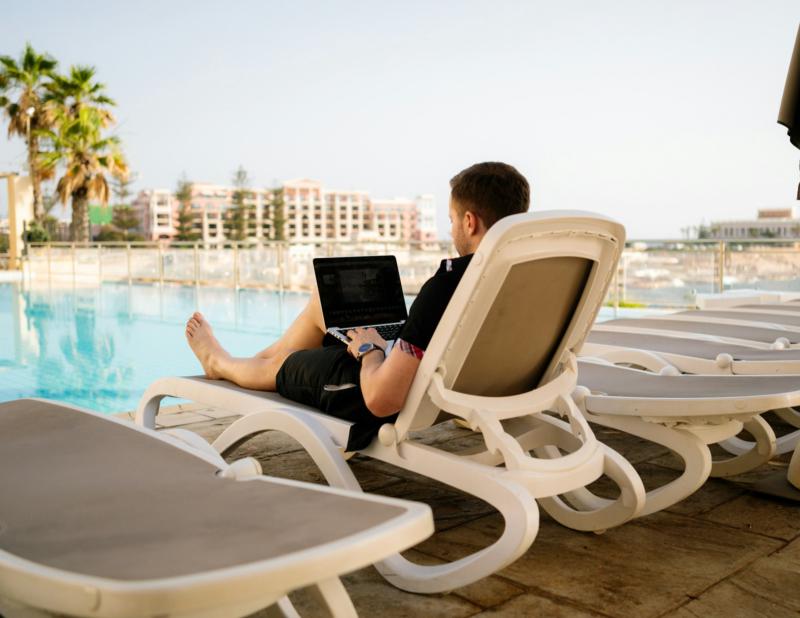
It's Official! Spain ranks #1 in the world for Digital Nomads. Photo: Unsplash
How Spain won the top spot
The Global Digital Nomad Report analyses countries across a wide range of metrics, and Spain’s success lies in its high scores across the board. It is the country that delivers the "total package" and is now the best in the world.
Spain excelled in key areas for digital nomads:
Read more at thinkSPAIN.com
2
Like
Published at 10:34 PM Comments (2)
Spanish Property Market- 2025 Q3 Review: Accelerated Growth
Friday, November 7, 2025
Building on the Q2 review, the Spanish residential real estate market experienced intense, accelerated growth in the third quarter of 2025, largely outperforming many of its European peers. This buoyant performance confirms the market's transition into a full upward cycle, characterised by significant price hikes, particularly in popular urban centres and tourist hotspots.
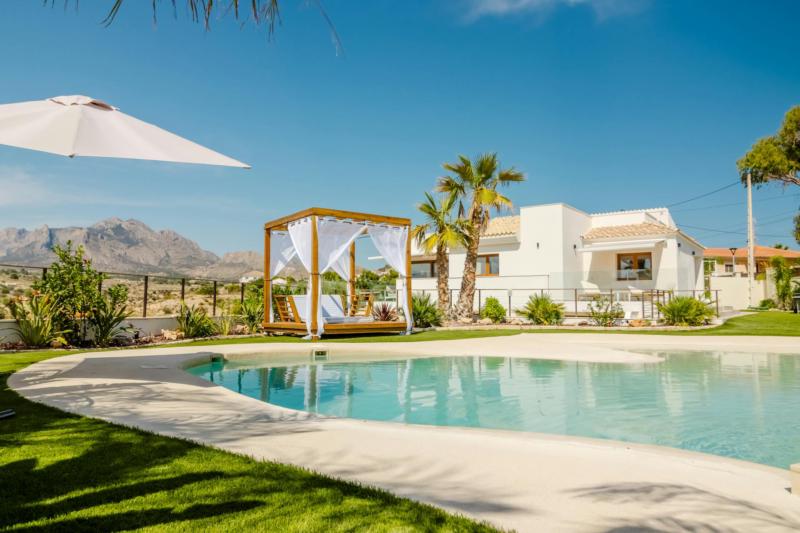
Spain's property market in Q3 2025 reflects an ongoing and even intensifying boom. Photo: Pexels
The market momentum is primarily fueled by a potent combination of robust demand - now nearing post-financial crisis highs - and a structural deficit in the housing supply. While the strong price appreciation offers opportunities for investors, it simultaneously amplifies the acute challenge of affordability for the average Spanish household. For expats considering a move, investment, or property purchase, understanding these intense regional variations and financial metrics is more critical than ever. The headline figures for Spain's property market in Q3 2025 reflect an ongoing and even intensifying boom, affecting both new and existing homes. These price increases were strong enough to accelerate the market's trajectory compared to the previous quarter.
National price movement in Spain 2025
The average price of finished homes (covering both newly constructed and resale properties) across the entire country saw a significant leap in value, as reported by the Tinsa IMIE Local Markets index:
- Year-on-Year (YoY) Change: The national average price increased by +11.7% in nominal terms compared to Q3 2024.
- Quarter-on-Quarter (QoQ) Change: Prices rose by +3.0% compared to the second quarter of 2025.

Interannual variances in recent quarters in Spain from Q4 2024 to Q3 2025. Source: Tinsa
- Real Growth: Crucially, even after adjusting for the effects of inflation (known as deflating the value), the Spanish property price experienced a +8.6% real growth. This figure indicates that property is genuinely becoming more expensive, not just keeping pace with general inflation. The mean value of residential property now stands at €2,018/m².
Regional growth intensifies in Spain
The strong momentum of the Spanish property market in Q3 2025 has led to a broadening of high growth rates across the country. Price growth is generalised across Spain, but the most intense rises are concentrated in regions driven by two key factors: employment poles and tourist centres. This spread is evidenced by the rapidly growing number of provinces registering double-digit annual growth (13 provinces), marking a notable increase from the nine provinces that had achieved this threshold in the previous quarter.
Read more at thinkSPAIN.com
1
Like
Published at 8:05 PM Comments (0)
Spam post or Abuse? Please let us know
|
|