Spanish Sparkling Wine - Four Things to Know About Cava

Published on 14/09/2009 13:38:52 in Spanish Culture

CavaIn both outdoor activities and relaxed summer afternoons, I always find myself picking up a few bottles of Cava to enjoy with company. Cava's approachable acidity and lovely fruity flavors offer great value buys for happy hours and fun occasion!

Cava, like Champagne in France, is made with the Traditional Method of sparkling wine production, however it can not be called "Champagne". The law prohibits the use of the term Champagne for sparkling wines outside of the Champagne region in France. While most people are used to call sparkling wines "champagne", the proper name for all sparkling wines other than Champagne thus is "sparkling wine".

1. Cava Winemaking Method:

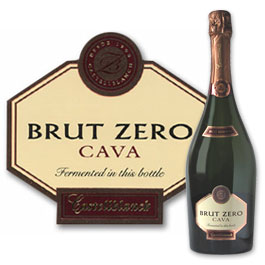
The bubbles or sparkles are produced during the Second Fermentation. In the Traditional Method of sparkling winemaking, the Second Fermentation does not take place in the pressure tank, but instead occurs in the bottle, the same bottle to be sold eventually.

2. Cava Wine Regions:

In Spain, Cava is produced in DO* Cava, which includes five regions. The grapes for Cava are Macabeo (or called Viura in Rioja), Xarel-lo and Parellada. Some producers now include a proportion of Chardonnay (one of the traditional grapes for Champagne) for its flavors that are familiar to international wine consumers.

*DO, Denominación de Origen, a Spanish quality wine classification.

3. Flavors and Styles of Cava:

Cava is required to age for at least 9 months in the bottle. Such aging time gives Cava the flavors of the pleasantly yeasty, green apple, cherry, berry, peach, and occasionally almond nut. Its clean finish with mellow acidity are always refreshing and friendly. There are quite a few different styles of Cava. Some best to pair with appetizers, others seafood dishes, and yet others by itself as delightful summer picnic wine or aperitif.

4. Sweetness Levels of Cava:

Another style difference is its various levels of sweetness. What's called Brut Nature would have only up to 3 grams sugar per liter of Cava wine, and when the sugar level increases to Extra Brut, it could include up to 6 grams of sugar per litre. Cava that has between 0 and 15 grams sugar per liter is called Brut. The rest of the Cava has increased sweetness level that could be detected by most palates. From low to high levels of sugar, these are Extra Dry, Dry, Semi Dry and finally Sweet.

A bottle of beautiful Cava could be about €10. What a bargain to add sparkles to your life!

Written by: Bonny-Morgan Lin

About the author:

Bonny-Morgan Lin is the author of the book, "A Crash Course in Wine - 7 Days to Become a Wino". With WSET Certificate, and French Wine Instructor Certificate. Bonny is a passionate wine educator & personal wine coach through her wine tasting seminars and webinars. Connect with her on Twitter & Facebook - Bliss Wine Academy.  For your free Weekly Wine Information full of valuable & interesting wine resources delivered to your email inbox every week, please visit http://www.MadameWine.com


Right arrow icon Send to friends   Right arrow icon Printer friendly version    Right arrow icon Submit your own article


Comments:


Have your say:

Name *
 
Spam protection:  What is the sum of 5 + 10 ? * 
 
Your comment *  (HTML not allowed)  

Comment Using Facebook:


Related articles in this category

 
A Culture of Benidorm
A Guide to Almeria City
A Guide To The Festivals Of Murcia
A History Of The Spanish Civil War
All About Albarino Wine
All About Tapas
All About Tempting Tempranillo
All You Need To Know About Spanish Wine
An American's Perspective of Spanish Food
Avoiding Misunderstandings In Spanish When You Like Somebody
Books Set in Spain - Five Novels to Read Before You Travel
Celebrating New Year's Eve in Spain
Christmas in Spain
Christmas Shopping in Spain
Devotion - Spain Celebrates Easter
Do you speak Spanish? What do we mean when we ask if someone speaks Spanish?
Easter in Spain
El Grumpy Gringo - Arts & Crafts
El Grumpy Gringo - At the Butchers
El Grumpy Gringo - Get A Heater!
El Grumpy Gringo - Good Old Telefonica!
El Grumpy Gringo - It ain’t ‘arf hot chum!
El Grumpy Gringo - Labels Over Labels
El Grumpy Gringo - Manners Maketh The Man (or Woman)
El Grumpy Gringo - Signposts
Experience Barcelona's Festival Spirit
Exploring The World Of Spanish Wines
Expose Your Child To Spanish
Five Ways Not to Insult the Locals in Barcelona
Flamenco Music - Is it really from Spain?
Follow The Festive Fun Across Spain
From Colonisation To Loss Of Empire; Nationalism And Decline In 19th Century Spanish And Colonial Art
From the Morris Dance to the Flamenco
Gaudi - Barcelona's Most Famous Attraction
Getting Close To The Spanish
Guggenheim Museum Bilboa
Halloween In Spain
Housing Bubble - Underground Living in Lanzarote
How not to give up learning Spanish
How To Kiss A Spaniard
How to Make Spanish Chorizo Sausage
Jamon Serrano - Typical Spanish Ham
La Tomatina Tomato Fight, Buñol Valencia
Language Swap
Learning Spanish - You can do it!
Learning Spanish with Speekee - A Review
Menu of The Day - A Cheap Meal In Spain
Old Friends in New Spain
Pollo al Ajillo - How to Cook the Classic Spanish Garlic Chicken
Processions, Processions, Processions: Semana Santa
Salvador Dali: Son of Girona
Save the Duero
Sherry or Jerez?
Spain After Franco
Spain/UK – A Study of Cultures
Spanish Cava Wine - A Better Alternative to Champagne?
Spanish Culture Has Been Shaped by Numerous Civilizations
Spanish Lies – Book Review
Spanish Sparkling Wine - Four Things to Know About Cava
Sporting Traditions on Gran Canaria
Stub it out in Spain
The Benefits of NOT Learning Spanish
The Magic of the Flamenco Guitar
The Mediterranean Modernistes of Barcelona
The Most Famous Spanish Explorers
The National Art Museum Of Catalonia
The Sirens of La Gomera
The Three Kings - Los Reyes Magos
This Must be New Spain
Top Tips For Learning Spanish - By A 'Mature' Expat
Tortilla Española - Spanish Omelette
Travel, Culture and Study in Spain
Watching TV in Spain
What Makes Spaniards Spaniards?
What We Can Learn From The Spanish
When Cultural Characters Conflict
Why is Spain One of the Most Corrupt Democratic Countries in the world?
Why Spaniards Can Survive La Crisis
Zapping in Spain

Click here for a list of all the articles from our magazine 

Spain insurance services


<