All About Albarino Wine

Published on 02/03/2010 18:10:21 in Spanish Culture

Albariño wine hails from the Rias Baixas region in Galicia in the northwest of Spain, just above Portugal. This region produces some of the most exceptional white wines of today, and it is lush and verdant.
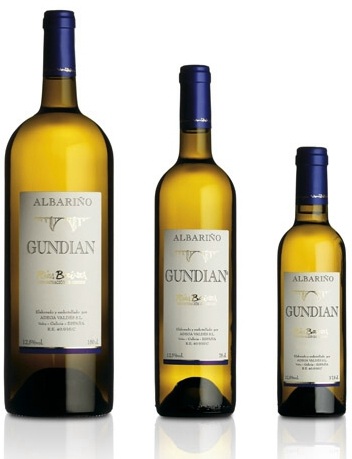
Albariño wineAlbariño is often likened to Riesling for its minerally qualities, and many wine experts argue that the two are in fact the same grapes, with the theory being that Riesling was brought to the area by German monks who were at the time establishing monasteries. The regulatory council of Rias Baixas disagrees with this theory however, insisting that the grape is indigenous to Spain. The wine is also similar to Viognier due to its aromatic qualities of peach and apricot.

Albariño is relatively new in terms of Spanish wine, having taken off in the late eighties. It became a very fashionable wine to drink in Madrid at the time and was expensive until further vineyards were opened and prices were reduced. It's still not cheap, and is unlikely to ever be cheap, due to the ripening challenges faced in the region.

Pairing with food

The climate of Galicia is damp and cool compared with the rest of Spain and this means that there are difficulties to be faced in terms of getting the grapes to ripen. This does however allow the wine to hold a delicious acidity, which means it goes very well as an accompaniment to fish and seafood.

Pair the wine with Antipasto, smoked fish or shellfish, backed goats cheese, chicken pate, Bouillabaisse, fish stew in general and brie and camembert.

These foods are widely accepted as good pairings but are by no means exhaustive. Don't be afraid to make up your own rules either; drinking this wine with food is for your own enjoyment and so do not be put off by wine snobs who look down on making unconventional wine/food pairings!

Good wine is also very enjoyable when drunk by itself.

Characteristics

This wine is a pale white with hints of green in it. It is medium-bodied and has a peachy aroma with a firm freshness. Albariño is best drunk very cold and while it is still young.

Other uses

The grape is often used in Portugal, where it is known as Alvarinho, as an ingredient in Vinho Verde, for which the Portuguese blend it with the Loureiro grape. Some good quality bottles of Vinho Verde have been produced in the last few years, and they boast a bright acidity and zesty grapefruity character.

Written by: Dominic Donaldson

About the author:

Dominic Donaldson is a wine expert. Find out more about Albarino and the wines waiting to be discovered.


Right arrow icon Send to friends   Right arrow icon Printer friendly version    Right arrow icon Submit your own article


Comments:


Have your say:

Name *
 
Spam protection:  What is the sum of 5 + 10 ? * 
 
Your comment *  (HTML not allowed)  

Comment Using Facebook:


Related articles in this category

 
A Culture of Benidorm
A Guide to Almeria City
A Guide To The Festivals Of Murcia
A History Of The Spanish Civil War
All About Albarino Wine
All About Tapas
All About Tempting Tempranillo
All You Need To Know About Spanish Wine
An American's Perspective of Spanish Food
Avoiding Misunderstandings In Spanish When You Like Somebody
Books Set in Spain - Five Novels to Read Before You Travel
Celebrating New Year's Eve in Spain
Christmas in Spain
Christmas Shopping in Spain
Devotion - Spain Celebrates Easter
Do you speak Spanish? What do we mean when we ask if someone speaks Spanish?
Easter in Spain
El Grumpy Gringo - Arts & Crafts
El Grumpy Gringo - At the Butchers
El Grumpy Gringo - Get A Heater!
El Grumpy Gringo - Good Old Telefonica!
El Grumpy Gringo - It ain’t ‘arf hot chum!
El Grumpy Gringo - Labels Over Labels
El Grumpy Gringo - Manners Maketh The Man (or Woman)
El Grumpy Gringo - Signposts
Experience Barcelona's Festival Spirit
Exploring The World Of Spanish Wines
Expose Your Child To Spanish
Five Ways Not to Insult the Locals in Barcelona
Flamenco Music - Is it really from Spain?
Follow The Festive Fun Across Spain
From Colonisation To Loss Of Empire; Nationalism And Decline In 19th Century Spanish And Colonial Art
From the Morris Dance to the Flamenco
Gaudi - Barcelona's Most Famous Attraction
Getting Close To The Spanish
Guggenheim Museum Bilboa
Halloween In Spain
Housing Bubble - Underground Living in Lanzarote
How not to give up learning Spanish
How To Kiss A Spaniard
How to Make Spanish Chorizo Sausage
Jamon Serrano - Typical Spanish Ham
La Tomatina Tomato Fight, Buñol Valencia
Language Swap
Learning Spanish - You can do it!
Learning Spanish with Speekee - A Review
Menu of The Day - A Cheap Meal In Spain
Old Friends in New Spain
Pollo al Ajillo - How to Cook the Classic Spanish Garlic Chicken
Processions, Processions, Processions: Semana Santa
Salvador Dali: Son of Girona
Save the Duero
Sherry or Jerez?
Spain After Franco
Spain/UK – A Study of Cultures
Spanish Cava Wine - A Better Alternative to Champagne?
Spanish Culture Has Been Shaped by Numerous Civilizations
Spanish Lies – Book Review
Spanish Sparkling Wine - Four Things to Know About Cava
Sporting Traditions on Gran Canaria
Stub it out in Spain
The Benefits of NOT Learning Spanish
The Magic of the Flamenco Guitar
The Mediterranean Modernistes of Barcelona
The Most Famous Spanish Explorers
The National Art Museum Of Catalonia
The Sirens of La Gomera
The Three Kings - Los Reyes Magos
This Must be New Spain
Top Tips For Learning Spanish - By A 'Mature' Expat
Tortilla Española - Spanish Omelette
Travel, Culture and Study in Spain
Watching TV in Spain
What Makes Spaniards Spaniards?
What We Can Learn From The Spanish
When Cultural Characters Conflict
Why is Spain One of the Most Corrupt Democratic Countries in the world?
Why Spaniards Can Survive La Crisis
Zapping in Spain

Click here for a list of all the articles from our magazine 

Spain insurance services


<