All EOS blogs All Spain blogs  Start your own blog Start your own blog 

Still Discovering Spain...

Here for over 25 years and I still discover new things every day...

Discover the Oldest Cities in each Spanish Province
Friday, February 13, 2026

In case you did not know, in Spain, any population centre that exceeds 10,000 inhabitants is considered a city, therefore, according to the National Institute of Statistics (INE), Spain has a total of 8131 municipalities distributed throughout the territory.

I thought it would be interesting to list which are the oldest cities in each province of Spain to give you an idea of the country's widespread heritage. Keep in mind that cities have not been founded on a specific day, but may have been built over several days, weeks or months. That is why the dates that appear are a year or a century since it is very difficult to specify the exact moment of its creation.
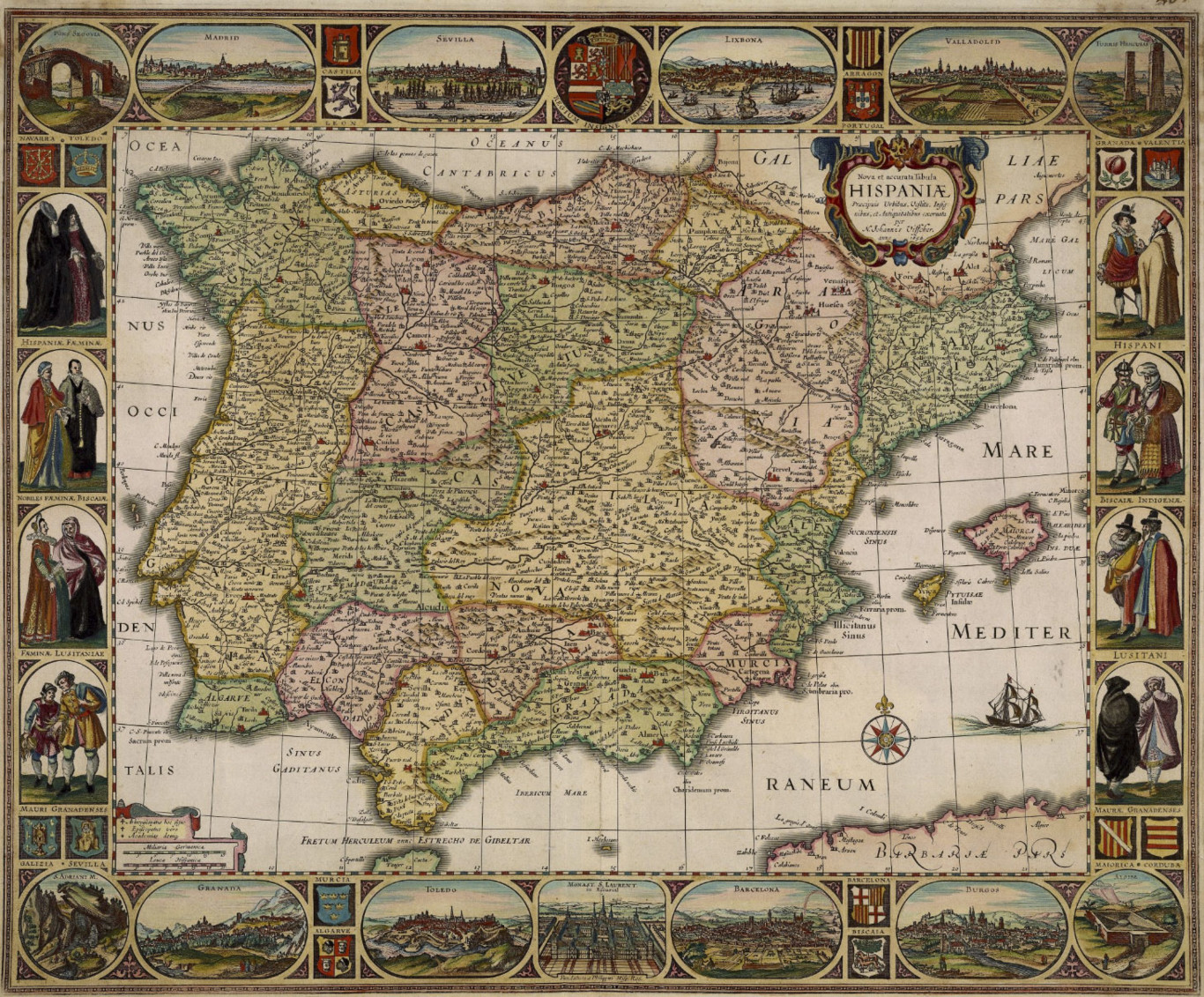


The oldest municipality in each province of Spain


1. Andalusia

- Almería: Adra (8th century BC).

- Cadiz: Cadiz (1104 BC)

- Córdoba: Córdoba (169 BC)

- Granada: Almuñecar (8th century BC)

- Huelva: Huelva (10th century BC)

- Jaén: Jaén (10th century BC)

- Malaga: Malaga (7th century BC)

- Seville: Seville (8th century BC)


2. Aragon

- Huesca: Huesca (179 BC)

- Teruel: Teruel (1,171)

- Zaragoza: Zaragoza (3rd century BC)


3. Asturias

- Asturias: Gijón (5th century BC)

4. Balearic Islands

- Balearic Islands: Ibiza (654 BC)


5. Canary

- Las Palmas de Gran Canaria: Las Palmas de Gran Canaria (1,478)

- Santa Cruz de Tenerife: Santa Cruz de Tenerife (1,493)


6. Cantabria

- Cantabria: Santander (26 BC)


7. Castile-La Mancha

- Albacete: Albacete (12th century)

- Royal City: Royal City (1,255)

- Basin: Basin (784)

- Guadalajara: Guadalajara (8th century)

- Toledo: Toledo (192 BC)


8. Castile and Leon

- Ávila: Ávila (1st century BC)

- Burgos: Burgos (884)

- Leon: Leon (29 BC)

- Salamanca: Salamanca (4th century BC)

- Segovia: Segovia (1st century)

- Soria: Soria (1,109)

- Valladolid: Valladolid (1,072)

- Zamora: Zamora (852)


9. Catalonia

- Barcelona: Barcelona (3rd century BC)

- Girona: Girona (79 BC)

- Lleida: Lleida (6th century BC)

- Tarragona: Tarragona (5th century BC)

10. Extremadura

- Badajoz: Medellin (79 BC)

- Cáceres: Coria (8th century BC)


11.Galicia

- A Coruña: Santiago de Compostela (820)

- Lugo: Lugo (1st century BC)

- Ourense: Ourense (1st century)

- Pontevedra: Vigo (2nd century BC)


12. Madrid

- Madrid: Alcalá de Henares (1st century)


13.Murcia

- Murcia: Cartagena (227 BC)


14. Navarre

- Navarre: Pamplona (74 BC)


15. Basque Country

- Álava: Victory (1181)

- Guipuzcoa: San Sebastian (1,180)

- Biscay: Bilbao (1,300)


16. La Rioja

- La Rioja: Calahorra (182 BC)


17. Valencia

- Alicante: Elche (5th century BC)

- Castellon: Castellon de la Plana (1,251)

- Valencia: Valencia (138 BC)


Like 1        Published at 7:04 PM   Comments (0)


7 New Gems: Spain’s “Most Beautiful Villages” List Expands for 2026
Saturday, February 7, 2026

In 2025, the prestigious association Los Pueblos más Bonitos de España (The Most Beautiful Villages of Spain) expanded its ranks, adding seven new hidden gems to its official list. For expats and regular visitors, these additions offer the perfect excuse to head off the beaten path and discover the "real" Spain.

Here is a look at the seven newcomers you should add to your Spanish bucket list this year.

1. Poza de la Sal (Burgos)
Perched on the edge of the Bureba plains, this medieval village is famous for its salt-mining history. The village is a maze of cobblestone streets and traditional half-timbered houses.

Don't miss: The Salt Museum to learn about its Roman origins, and the Rojas Castle, which offers breathtaking views of the "Balcony of Bureba."


2. Jerez de los Caballeros (Badajoz)
Deep in the heart of Extremadura, this town is a monument to the Knights Templar. Its skyline is dominated by four spectacular Baroque towers that rival the best in Spain.

Don't miss: The Templar fortress and the Church of San Bartolomé, famous for its incredibly intricate and colourful ceramic facade.

3. Llerena (Badajoz)
Often called the "Little Athens of Extremadura," Llerena was once the seat of the Inquisition and a hub for master Mudéjar architects. The result is a town filled with grand squares and noble mansions.

Don't miss: The Plaza de España, arguably one of the most beautiful squares in the region, featuring the stunning Church of Nuestra Señora de la Granada.

4. La Fresneda (Teruel)
Located in the Matarraña region (often called "the Spanish Tuscany"), La Fresneda feels like a film set. It is a place of golden stone, arched porticoes, and Renaissance elegance.

Don't miss: The 16th-century Town Hall and a hike up to the Santa Bárbara hermitage for views over the "Valley of Silence."


5. Berlanga de Duero (Soria)
History runs deep in this Castilian fortress town. From its Jewish quarter to its Renaissance collegiate church, Berlanga de Duero is a masterclass in Spanish architectural evolution.

Don't miss: The massive medieval castle and the unique San Baudelio de Berlanga hermitage nearby, known for its "palm tree" pillar and Mozarabic frescos.

6. Linares de Mora (Teruel)
Tucked away in the Sierra de Gúdar at over 1,300 meters above sea level, this is a destination for nature lovers. It is a quintessential mountain village of white walls and red-tiled roofs.

Don't miss: The Baroque Church of the Immaculate Conception and the surrounding hiking trails that lead to the "Pino del Escobón," a 100-year-old monumental pine tree.


7. Letur (Albacete)
Known as the "Pearl of the Sierra del Segura," Letur is perhaps the best-preserved example of Islamic urban design in the region. Water is everywhere here, with natural pools and streams running through the town.

Don't miss: A walk through the old quarter to see the traditional courtyards and the "Charco de Pataco," a crystal-clear natural swimming hole.

The Most Beautiful Villages brand isn't just a title; it’s a commitment to preservation and quality. Villages must pass a strict 40-point audit covering everything from cleanliness and traffic control to the conservation of their facades. Visiting these spots ensures you are seeing Spain at its most authentic and well-preserved.


Like 2        Published at 12:39 AM   Comments (1)


Spam post or Abuse? Please let us know


This site uses cookies. By continuing to browse you are agreeing to our use of cookies. More information here. x