The TIE Waiting Game: Why British Expats Are Facing a 14-Week Delay for Residency Cards
Friday, May 29, 2026
For British nationals living in Spain, securing or renewing a biometric residency card—the all-important Tarjeta de Identidad de Extranjero (TIE)—has rarely been a walk in the park. However, data from May 2026 reveals that the system is under unprecedented strain, with waiting times for an appointment stretching to an astonishing 14 weeks in certain parts of the country.
A perfect storm of automated booking "bots," administrative staff shortages, and an overwhelming surge in broader immigration applications has left thousands of British expats facing long delays, anxiety, and a complete lack of available slots.

If you are currently trying to book your appointment, or if your card is approaching its expiry date, here is what is happening on the ground and how you can protect your right to travel.
The Major Hotspots: Where Are the Delays Worst?
The backlog is not uniform across Spain. While smaller provinces and rural areas are still functioning relatively smoothly, Spain's major metropolitan hubs and coastal expat capitals are bearing the brunt of the pressure:
-
Madrid, Barcelona, and Valencia: Non-EU nationals (including post-Brexit Brits) are routinely facing waits between 8 and 14 weeks just to get through the door at designated police stations and immigration offices (oficinas de extranjería).
-
The Expat Costas: Heavily populated regions across the Costa Blanca and Costa del Sol are reporting similar gridlocks.
-
The Rural Exception: If you are registered in less-populated inland provinces, you can still find appointments within one to three weeks.
What is Causing the Gridlock?
While structural staff shortages within government departments are a perennial issue, two distinct factors have sent the system into overdrive this spring:
1. The "Cita Previa" Bot Problem: The official government portal for booking appointments operates on a rolling release schedule. Unfortunately, commercial entities and unscrupulous individuals are utilising automated "bots" to instantly snap up free appointment slots the second they go live. These slots are then illegally packaged and resold to desperate applicants for substantial fees—a practice that authorities are actively trying to combat but have yet to shut down completely.
2. The 2026 Migrant Regularisation Wave: Compounding the issue is a massive, time-limited government amnesty program that launched on April 16th and is set to close on June 30th, 2026. This extraordinary regularisation scheme allows up to half a million undocumented migrants currently living in Spain to apply for legal residence.
Because the 10-week application window is so tight, immigration offices and public security networks have been utterly swamped by an influx of applications. The sheer volume of traffic has put immense pressure on local infrastructure, inevitably spilling over into the processing times for standard TIE fingerprinting and card collection.
Crucial Advice for EOS Readers: How to Navigate the Backlog
If you are caught up in this administrative logjam, it is vital to know your legal rights and the tools available to keep you moving.
-
The 30-Day Arrival Rule: Officially, new arrivals in Spain are required to apply for their TIE within 30 days of entering the country. However, immigration authorities have explicitly clarified that, given the current systemic delays, you will not be penalised for missing this window. As long as you can show you are actively searching for or have booked the earliest available slot, your legal status remains secure.
-
The 2026 Renewal Peak: Many British expats who secured their first five-year TIE cards immediately after Brexit (in 2020 or 2021) are reaching their expiry dates this year. Legally, you have a 90-day grace period after your card expires to submit a renewal request for your permanent 10-year TIE. Your underlying right to live and work in Spain remains completely valid during this transition, even if your physical card has lapsed.
-
Need to Travel? Get an "Autorización de Regreso": If your TIE has expired or your application is frozen in the backlog, and you absolutely must travel outside of Spain, you must apply for a Return Authorisation (Autorización de Regreso). This document allows you to pass through border control and bypass the automated Entry/Exit System (EES) gates without being flagged as an overstaying tourist. To get one, you will need to present your passport, your expired card, and your official fingerprint application receipt (resguardo).
The EOS Verdict
While it is incredibly frustrating to see the booking system hijacked by automated bots and slowed by bureaucratic gridlock, it is important to remember that a plastic card is simply proof of your residency, not the residency itself. Under the Brexit Withdrawal Agreement, your rights are protected by law.
Keep logging onto the portal (early morning slots on Mondays and Fridays are often cited as the best times to catch new releases), document your attempts to secure a slot, and make sure your paperwork is perfectly in order before you finally step into the police station.
Have you been trying to secure a TIE appointment recently? Have you been quoted ridiculous prices by third parties to "buy" a slot? Share your experiences, tips, and successes with the comments section.
 1
Like
Published at 9:11 PM Comments (1)
1
Like
Published at 9:11 PM Comments (1)
The Eurozone Inflation Pinch: Why Your Cost of Living in Spain is Creeping Up
Friday, May 22, 2026
For many expats, moving to Spain represents a chance to lower the cost of living while enjoying a higher quality of life. From affordable menus del día to reasonable utility bills, your pound or euro has traditionally stretched further here than in the UK or Northern Europe.
However, recent economic data shows that the cost of living in Spain is rising faster than in the rest of the major Eurozone economies. According to the latest figures from Eurostat, Spain’s year-on-year inflation rate hit 3.5%, placing it significantly above the Eurozone average of 3.0%.
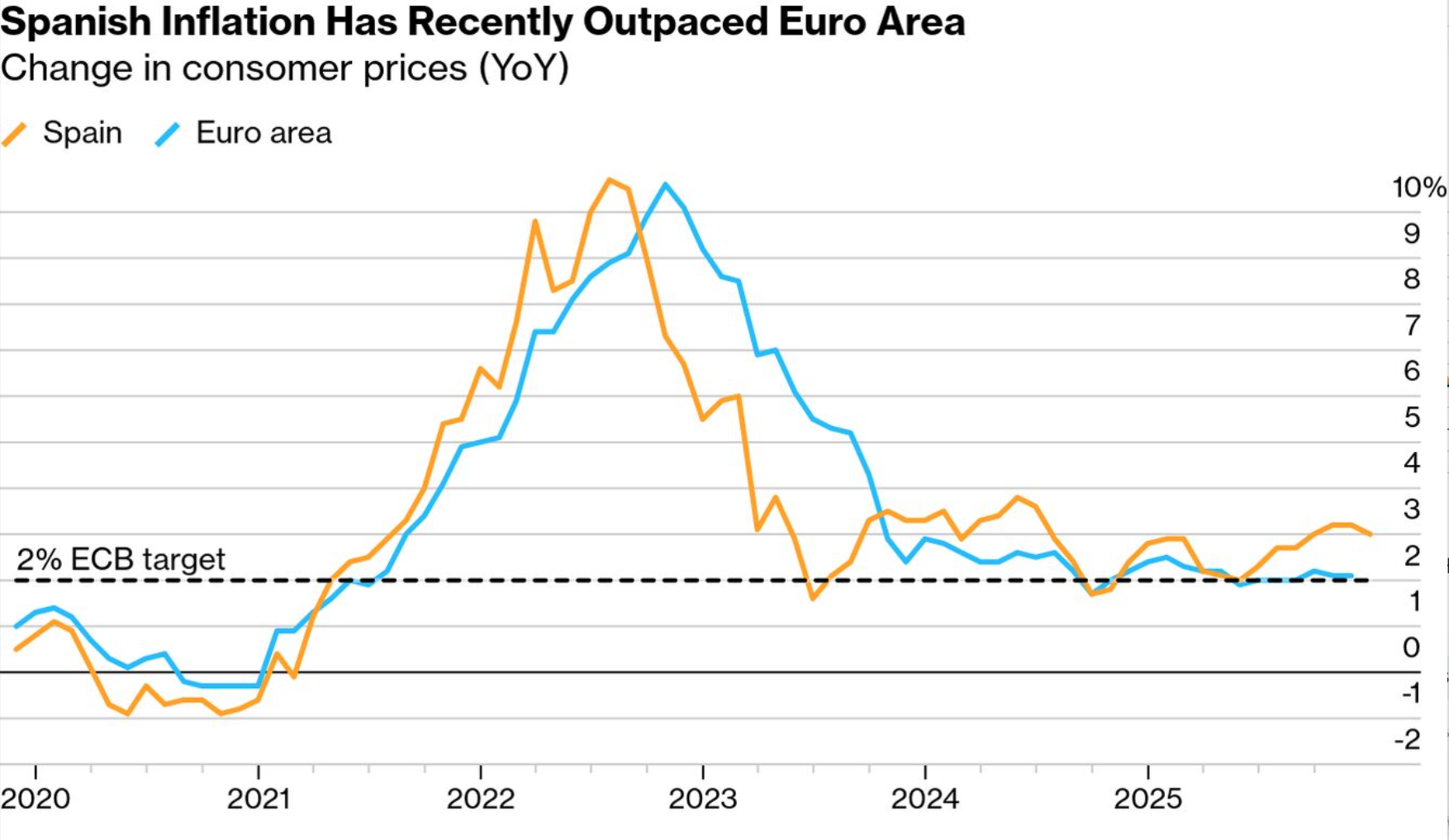
For the Eye on Spain community—particularly retirees on fixed incomes and landlords trying to balance budgets—this shift means everyday expenses will require a bit more careful planning.
The Data: How Spain Compares
Throughout the year, Spain has consistently outpaced the Eurozone’s major economic engines when it comes to price increases.
| Country |
Inflation Rate |
| Spain |
3.5% |
| Germany |
2.9% |
| Italy |
2.8% |
| France |
2.5% |
| Eurozone Average |
3.0% |
While Spain’s inflation rate sits at 3.5%, its core inflation (which strips out volatile energy and fresh food prices) rests at 2.8%. This tells economists that price pressures are firmly baked into the wider domestic economy.
Why Are Prices Rising So Fast in Spain?
There are two main drivers behind this recent spike. One is a global issue, while the other is a byproduct of Spain's own domestic success.
1. The Global Energy Shock
The ongoing conflict in the Middle East has had a direct impact on energy markets, causing fuel costs to jump. Across the Eurozone, energy costs saw a staggering 10.8% year-on-year increase. Because Spain relies heavily on imported energy, these higher costs trickle down into everything from the price of fuel at the pump to the electricity needed to run household appliances. Additionally, fresh food prices across the country have ticked up by 4.6%.
2. A Booming Economy Putting Pressure on Services
Ironically, part of the reason for the inflation is that Spain's economy is actually performing very well. Strong job creation, a booming tourism sector, and healthy consumer spending have created an unusual situation: Spain is growing faster than the European average.
This economic strength puts direct pressure on local demand. With millions of tourists and residents spending money, sectors like hospitality, leisure, transport, and housing are feeling the strain, allowing businesses to raise prices.
What This Means for Expats and Property Owners
If you are living in Spain or managing a holiday home, you are likely to notice these micro-increases in a few key areas:
-
The Weekly Shop: Fresh food and dining out will continue to feel slightly less "cheap" than they did eighteen months ago.
-
Running a Car: With energy and transport costs feeling the pinch of the global oil market, the cost of commuting or taking long road trips across the peninsula remains high.
-
Property Maintenance: Strong domestic demand and a busy housing sector mean that sourcing builders, decorators, and materials for property renovations will come with a premium.
The Silver Lining
While higher inflation is never welcome news for consumers, the underlying reason—a robust, growing economy driven by strong employment—means that Spain remains an incredibly vibrant place to invest. Property values in major hubs and coastal regions are supported by this economic resilience.
Furthermore, even with a 3.5% inflation rate, the baseline cost of living in Spain for day-to-day items remains significantly lower than in the UK or Germany. It simply means that keeping a closer eye on your monthly budgets is the smart move.
Have you noticed your weekly grocery shop or utility bills creeping up over the last few months? Is the rising cost of living changing your retirement or travel plans? Join the discussion on the EOS forums and share your perspective.
0
Like
Published at 11:10 PM Comments (0)
The Push to End the 90-Day Rule: What it Could Mean for British Property Owners
Friday, May 22, 2026
For British second-home owners and long-stay tourists in Spain, few regulations have caused as much ongoing frustration as the Schengen 90-day rule. Since the UK left the European Union, non-resident British citizens have been strictly limited to spending no more than 90 days out of any rolling 180-day period within the Schengen Zone.
However, a major shift could be on the horizon. Reports from Spanish tourism and regional officials indicate a growing, unified push to lobby the European Union—or establish bilateral agreements—to effectively abolish or extend the 90-day restriction for British nationals.
 - Copy 1.jpeg)
For the Eye on Spain community, this is the news many have been waiting five years to hear. Here is what is being proposed and how it could completely change the game for British expats and property owners.
What Spanish Officials Are Proposing
The strict enforcement of the 90-day limit has had a visible economic impact on regions that traditionally rely heavily on British "snowbirds"—retirees and part-time residents who traditionally spent the entire winter layout in warmer coastal areas.
Recognising this, tourism leaders and regional government officials across Spain are exploring pathways to lift the restriction:
-
The 180-Day Target: The primary goal is to allow British tourists and property owners to remain in Spain for up to six consecutive months (180 days) without needing a complex, expensive residency visa (like the Non-Lucrative Visa).
-
Reciprocity Argument: Spanish officials are framing this around fairness and reciprocity. Currently, Spanish and other EU citizens are legally allowed to visit the UK for up to six months at a time without a visa. Spain wants to mirror that exact allowance for Britons.
-
Bilateral vs. EU-Wide: While changing the overarching Schengen rules requires consensus from all EU member states, Spain is exploring whether it can utilise specific bilateral agreements directly with the UK to bypass the blanket Schengen restrictions for tourists entering Spanish territory.
Why the Sudden Momentum?
The push isn't born out of sentimentality; it is driven by pure economics. Local businesses, property developers, and nightlife industries in hotspots like the Balearic Islands, the Costa del Sol, and the Costa Blanca have felt the pinch.
When British owners are forced to split their time or cut their stays short, local economies lose out on months of sustained consumer spending on dining, home maintenance, vehicle upkeep, and local shopping. Regional representatives are increasingly warning that the restriction is driving potential property buyers to look outside the EU—to destinations like Turkey, Cyprus, or Egypt—where long-stay rules are more accommodating.
What This Means for Your Property and Lifestyle
If the campaign is successful, it will fundamentally restore the pre-Brexit lifestyle for thousands of British families:
-
True "Snowbird" Freedom: You would once again be able to close up your UK home in November and return in April without counting days on a calendar or tracking rolling 180-day windows.
-
Property Value Boost: The demand for holiday homes in expat-heavy areas would likely see a sharp resurgence, as the ease of using the property for extended periods becomes attractive to UK buyers again.
-
Tax Considerations Remain: It is vital to note that even if a 180-day tourist stay is approved, the 183-day fiscal rule will still apply. If you spend 183 days or more in Spain during a calendar year, you are legally considered a tax resident and become liable to pay Spanish tax on your worldwide income.
The Hurdles Ahead
While the political will within Spain is strong, it is important to manage expectations. Any change to border control rules involves navigating the bureaucratic machinery of Brussels. The European Commission has historically been highly protective of the integrity of the Schengen Borders Code, and granting a specific exception to one non-EU nation could set a precedent other member states might oppose.
However, the fact that Spanish officials are now openly and actively fighting the corner for British visitors is a massive psychological win for the community.
Would an extension to 180 days change how much time you spend at your Spanish property? Are you holding off on buying a home until the rules change? Let us know your thoughts in the comments section.
2
Like
Published at 11:03 PM Comments (8)
The End of the Road for Cheap Driving? The Rising Cost of Car Ownership in Spain
Friday, May 1, 2026
For decades, one of the greatest joys of moving to Spain was the freedom of the open road—affordable fuel, relatively low insurance, and the ability to reach hidden pueblos and coastal coves at a moment's notice.
However, as we move through 2026, the narrative is shifting. A recent surge in maintenance, taxes, and environmental levies has pushed the cost of keeping a car in Spain to record highs, leaving many in the Eye on Spain community asking: Is it still worth it?
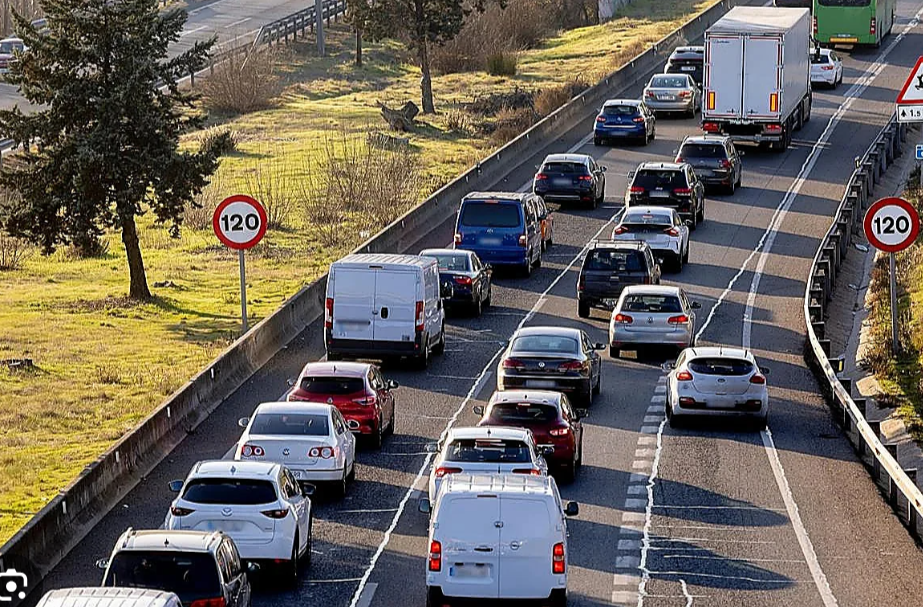
The Price of "Being Mobile"
According to recent industry data, the average cost of car ownership in Spain has spiked significantly over the last 12 months. This isn't just about the price at the pump; it’s a "perfect storm" of several factors:
-
Insurance Hikes: Premiums have risen by an average of 12–15% since last year, driven by higher repair costs and a shortage of spare parts.
-
The ITV Bottleneck: Technical inspection fees have crept up, and in many regions like the Costa del Sol and the Balearics, getting an appointment has become a logistical nightmare, often requiring months of forward planning.
-
Maintenance & Labour: Garage hourly rates in expat-heavy areas are catching up to UK prices. A standard annual service that used to cost €150 can now easily tip over €250 once VAT (IVA) and environmental disposal fees are added.
The Rise of the ZBE (Low Emission Zones)
Perhaps the biggest hidden cost for property owners is the expansion of Zonas de Gran Afluencia and Zonas de Bajas Emisiones (ZBE).
By law, Spanish towns with more than 50,000 residents must now restrict access for older, more polluting vehicles. If your "trusty" 2012 diesel SUV doesn't have the correct Distintivo Ambiental (DGT sticker), you could face daily fines of €200 just for driving to your local supermarket. For many retirees with older cars, the cost of "upgrading" to a hybrid or electric vehicle to remain compliant is a financial hurdle they didn't anticipate.
Taxes: The "Impuesto de Circulación"
The annual road tax (Suma) varies wildly depending on your municipality. Some cash-strapped town halls have increased this levy by up to 20% in 2026 to fund local infrastructure projects. While it remains cheaper than the UK’s VED in many cases, the gap is closing fast.
Is it time to ditch the keys?
For those living in urbanisations or city centres, the alternatives are becoming more attractive:
-
The Multi-Modal Boom: Spain’s investment in high-speed rail (AVE) and the expansion of bus networks mean that many "trips to the city" are now faster and cheaper by public transport.
-
Car Sharing: Platforms like Amovens or SocialCar are gaining traction among expats who only need a vehicle for the big monthly shop or a trip to the airport.
-
The Rental Strategy: Some expats have reported that it is actually cheaper to rent a car for the 4–6 weeks they spend in Spain each year than to pay for year-round insurance, tax, ITV, and airport parking.
The EOS Verdict
If you live in a remote finca in Almería or the mountains of Granada, a car remains a non-negotiable necessity. But for those in well-connected coastal towns, 2026 might be the year to run the numbers. When you add up the €2,500+ average annual cost of depreciation, insurance, fuel, and taxes, that "cheap runaround" starts to look like a luxury.
Are you considering selling your car and switching to public transport? Have you been hit by a surprise ITV bill or ZBE fine? Share your thoughts on the Eye on Spain forums.
3
Like
Published at 4:30 PM Comments (1)
The €200 Universal Child Benefit: What Expat Families in Spain Need to Know
Friday, May 1, 2026
The Spanish government has unveiled a bold new proposal that could see every family in Spain receiving a €200 monthly allowance per child. Included in the "2030 Sustainable Development Strategy," this universal benefit aims to simplify the current web of "means-tested" aid and provide a direct financial cushion for parents.
For the Eye on Spain community, where many families are navigating the complexities of raising children in a foreign country, this could represent a significant shift in household budgeting—if it passes into law.

The Core Proposal: "Universal" Means Everyone
Unlike previous benefits that were strictly reserved for low-income households, this new 2026 proposal is designed to be universal.
-
Amount: €200 per month, per child (amounting to €2,400 per year).
-
Age Limit: Available for all children under the age of 18.
-
No Income Cap: The government's current plan does not set a maximum household income limit. Whether you are an autónomo or a salaried employee, the benefit is tied to the child, not the parents' earnings.
-
Estimated Cost: With nearly 8 million minors in Spain, the plan carries a staggering price tag of over €19 billion per year.
What are the Requirements for Foreign Residents?
This is the part that matters most for our readers. The benefit is not just for Spanish nationals; it is for legal residents. To be eligible once the plan is active, you will likely need to prove three things:
-
Legal Residency: You must hold a valid TIE (for non-EU/British residents) or a Green Residency Certificate (for EU citizens).
-
The "Empadronamiento": Your municipal registration must be up to date, proving that both the parents and the children are physically living in Spain.
-
Documentation: You will need your Libro de Familia (Family Book) or an equivalent birth certificate from your home country, officially translated if necessary, to prove the parental link.
The "Loophole" Check: It’s Not for Everyone
While the word "universal" sounds all-encompassing, there are strict guardrails. The proposal explicitly states it is not for:
-
Non-residents or those on "Digital Nomad" visas who haven't yet secured permanent/long-term residency status.
-
Families whose children do not live with them in Spain.
-
"Illegals" or those without a valid NIE/NIF.
When will the money arrive?
It is important to manage expectations. As of late April 2026, this is a proposal within a larger strategic framework.
-
The Status: Preliminary phase.
-
The Hurdle: It must still be approved in the next General State Budget.
-
The Conflict: Economists are currently debating how to fund a €19 billion annual commitment, with some suggesting a "Wealth Tax" on large fortunes to bridge the gap.
Why the Shift?
Spain is currently facing two major social crises: one of the lowest birth rates in Europe and a child poverty rate that hovers near 30%. By moving to a universal €200 payment, the government hopes to remove the "stigma" of social aid and encourage younger couples (and expats) to see Spain as a financially viable place to raise a family.
Do you think a universal payment is the right way to support families, or should it remain targeted at those in need? Join the debate on the EOS forums and let us know your thoughts.
1
Like
Published at 4:20 PM Comments (1)
Spam post or Abuse? Please let us know
|
|