Spain is consistently one of the most popular countries in the world for holiday home buyers. The combination of reliable sunshine, accessible flights from most of Europe, a wide range of property types, and a well-established international buying market makes it a practical as well as enjoyable choice. The question most buyers arrive at quickly is not whether to buy in Spain, but where.
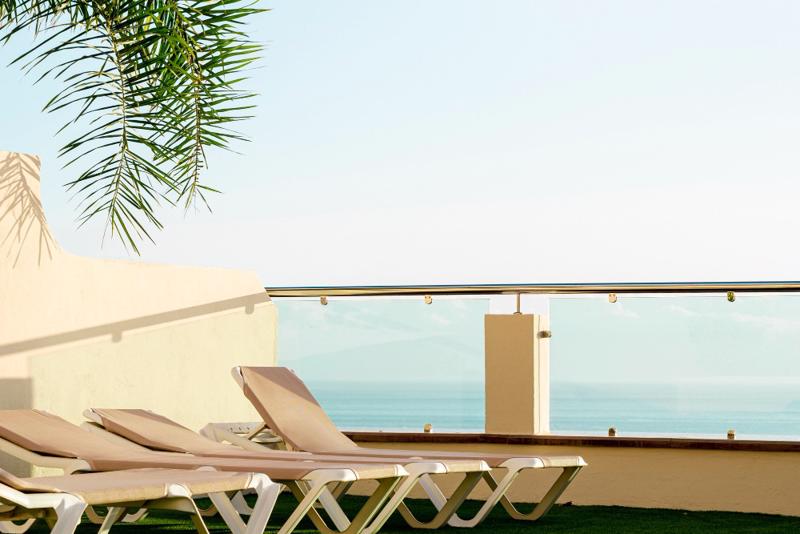
A sunny terrace with sea views — the kind of setting that draws holiday home buyers to Spain's Mediterranean coast. Photo: Freepik
The answer depends on what you are looking for. Spain's coastline stretches over 8,000 kilometres, taking in everything from the lively resort towns of the Costa del Sol to the quieter, more rural stretches of the Costa de la Luz and the island landscapes of the Canary Islands. If you are less familiar with the different coastal areas, our guide to the Spanish costas is a useful starting point. Each area has a distinct character, a different price range, and a different kind of buyer experience. This guide covers the most established destinations for holiday home buyers, and the practical questions you will need to answer before you begin your search.
Is buying a holiday home in Spain a good idea?
For many buyers, yes — though it is worth being clear about what you are buying it for. A holiday home in Spain can offer genuine personal enjoyment, a reliable escape during the colder months, and, in the right location, the option to generate rental income when you are not using it. Property in the most popular coastal and island areas has held its value well over the long term, and whether buying a property in Spain is a sound investment depends largely on location, budget, and how you intend to use it.
That said, a holiday home is a significant financial commitment. Running costs — including the annual IBI (property tax), community fees, insurance, and maintenance — apply whether you are using the property or not. Non-residents also pay an annual Modelo 210 income tax, even on a property that is not formally rented out. If you do plan to let it, you will need a regional tourist licence; the requirements vary by autonomous community, and some areas have introduced restrictions on new licences, so it is worth checking the rules for your specific region before purchasing with rental income in mind. The financial and legal considerations involved in buying a second home in Spain are covered in detail in a separate guide.
How much deposit do you need to buy a holiday home in Spain?
As a non-resident buyer, Spanish banks typically lend up to 60% to 70% of the property's purchase price or valuation — whichever is lower. This means you should plan for a minimum deposit of 30% to 40% of the property value, according to mortgage specialists active in the Spanish market.
On top of the deposit, purchase costs add approximately 10% to 12% of the purchase price, covering transfer tax (ITP), notary fees, Land Registry costs, and legal fees. For new-build properties, ITP is replaced by 10% VAT (IVA) plus stamp duty, though the total upfront cash requirement is broadly similar. Taken together, a non-resident buyer should typically plan for around 40% to 50% of the total purchase price in cash before taking out a mortgage.
The best places to buy a holiday home in Spain
These are the destinations that consistently attract the highest number of international holiday home buyers, each for different reasons.
Costa del Sol — Andalucía
The Costa del Sol remains the most established holiday home market in Spain. Stretching along the southern coast of Málaga province, it offers reliable sunshine for more of the year than almost anywhere else in mainland Europe, excellent international flight connections from Málaga Airport, and a very wide range of properties — from affordable apartments in Torremolinos and Estepona to high-end villas in Marbella and Benahavís. The infrastructure for international buyers is well developed, with English-speaking lawyers, agents, and property managers widely available.
Read more at thinkSPAIN.com