 European countries are busy reforming their pensions.
Why?
Because the population is ageing; birth-rates, even in Catholic Spain and Italy, are through the floor; and pension pots are in the red.
[© Caixa Vida]
With this in mind, several governments are touting solutions to the problem.
Germany will establish a compulsory levy of 2% on top of salaries and wages.
France and Denmark are upping the age at which people may retire.
Italy will maintain its increases which are tied to life expectancy.
The Netherlands will link the amount of the pension to contributions made.
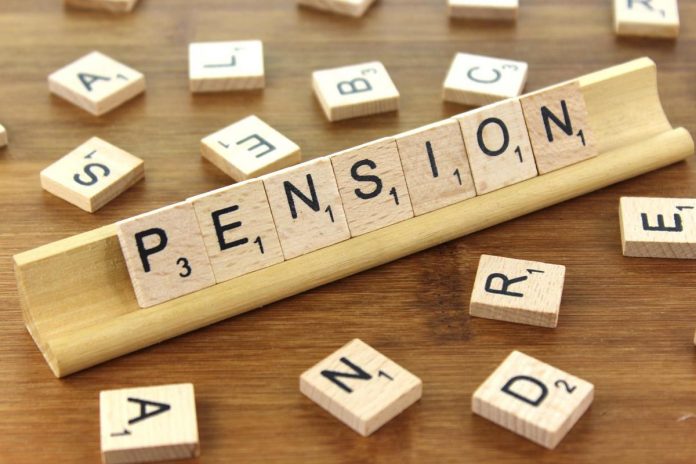 In the UK since 2011 the so-called triple lock has ensured that annual state pension increases are in line with inflation, cost of living and bank interest rate, or a minimum of 2.5%. Despite this, UK state pensions remain among the lowest in Europe.
The new Labour government led by prime minister Andy Burnham has decided to suspend this arrangement from 2030.
[© DEVESA]
 Spain, in contrast to its neighbours, has opted for an increase in contributions in order to sustain the system. The AIREF (Autoridad Independiente de Responsabilidad Fiscal - Independent Fiscal Responsibility Authority) has warned that expenditure on pensions will move from 13% of GDP in 2025 to 16.4% in 2050. This will coincide with the retirement en masse of the 'baby-boom' generation.
[La Vanguardia]
Right-wing commentators, typically, forecast that this plan will not work.
© Pablo de Ronda MMXXVI
Thanks:
Diario Sur
Translation © Paul Whitelock
Pictures:
Caixa Vida, DEVESA, La Vanguardia
Tags:
Caixa Vida, DEVESA, Diario Sur, La Vanguardia, Paul Whitelock