Sitting down at the dinner table at 11 pm affects our digestion and our metabolism.
Fact.
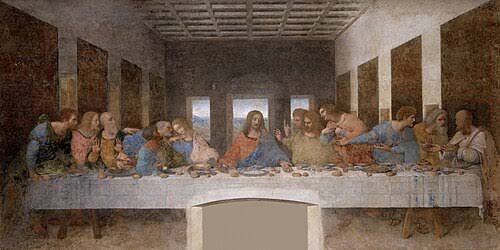
"The Last Supper" by Michelangelo [Wikipedia]
So, in a country where it's normal to have our cena late, especially in the summer when it's hot earlier in the evening, what's the solution?
 According to Dr Maria Jose Martinez, co-ordinator of the Grupo de Cronobiologia de la Sociedad Española del Sueño (Spanish Sleep Society Chronobiology Group), the key is to introduce small changes to eating habits.
She suggests bringing the digestive process forward with a more substantial merienda (late afternoon snack) and eating a lighter cena later on.
[YouTube]
Martinez also advises against "snacking" constantly from early evening into the small hours.
 "Keep the same meals timetable on holiday," she adds. "Eat bigger breakfasts and lunches too."
In addition she recommends exposure to natural sunlight and keeping active during the day.
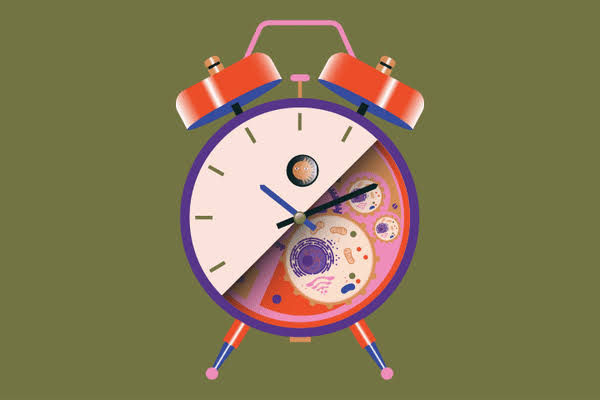
"This helps our biological clock to maintain a rhythm, despite long dinner/supper times," the doctor concludes.
[Chemistry World]
On a personal note .....
Since I've lived in Spain I have adjusted my eating schedule. Early breakfast, followed by a second breakfast or lunch in the afternoons and a late dinner. It suits me well.
© Pablo de Ronda
Pictures:
Chemistry World, Wikipedia, YouTube
Thanks:
Diario SUR, Paul Whitelock (Translations)
Tags:
biological clock, breakfast, cena, Chemistry World, chronobiology, Diario SUR, digestive process, dinner, keeping active, lunch, Maria Jose Martinez, merienda, natural sunlight, Paul Whitelock, sleep, supper, Wikipedia, YouTube