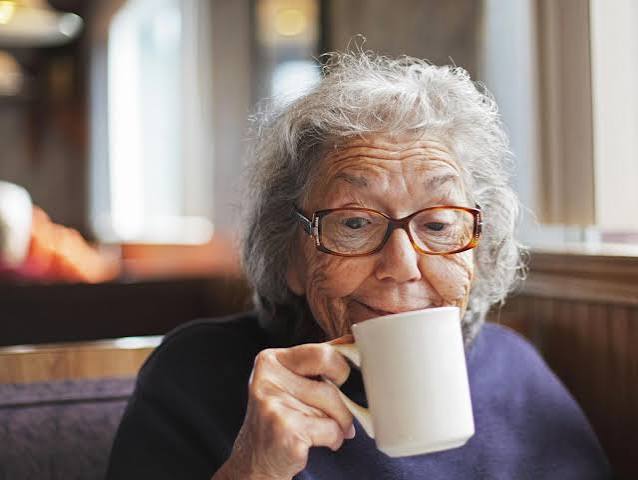
 "Eating dinner early, skipping breakfast ..... or getting through much of the morning on just a cup of coffee may seem like no big deal," writes Iria Ugalde in SUR in English.
The question is does fasting offer the same benefits over time when you are in your sixties.
[© SciTechDaily]
Nutritional needs change over the years; muscle mass decreases and vulnerability to long periods without eating increases.
In older people this habit often masks a lack of appetite, tiredness or illness. It can also be because cooking and swallowing have become more difficult.
What the experts say
The Karolinska Institute in Sweden recently published the results of a study in the Journal of Internal Medicine involving 3000 people aged over 60 and following them for 15 years. The results showed that those who went without food for periods between 14 and 24 hours developed chronic conditions more rapidly.
The research reinforces an important idea, namely that going for prolonged periods without eating is not a neutral practice for older people.
 Francisco José Tarazona, a Doctor of Medicine and President of the Spanish Society of Geriatrics and Gerontology, points out that "as we age, our physiological reserves decline and we are more prone to nutritional deficiencies, loss of muscle mass and feelings of tiredness".
[© Adobe Stock]
“Occasional fasting may have no impact, but when prolonged periods without food intake are repeated, particularly in frail individuals, the risk of functional and cognitive decline increases,” insists Tarazona.
Furthermore, many older people suffer from chronic conditions which “increase nutritional requirements or make it difficult to eat properly”, meaning that fasting can hinder the management of these conditions.
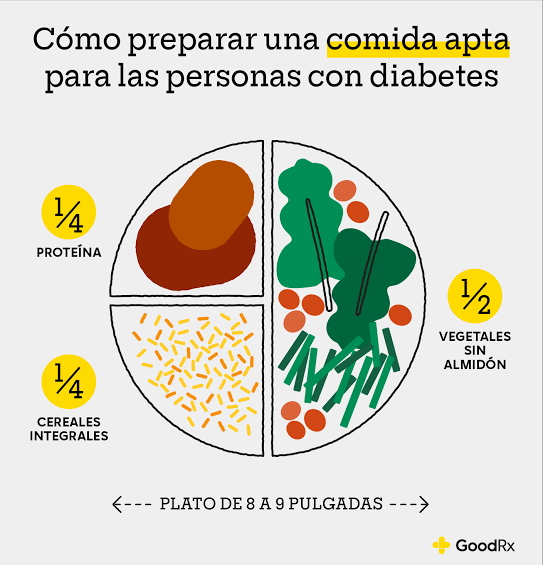 To take just one example, diabetes medication "could increase the risk of developing hypoglycaemia" if meals are skipped, according to Dr Samara Palma Milla, a member of the Spanish Society of Endocrinology and Nutrition. She points out that "age, generally speaking, is associated with a higher likelihood of malnutrition and dehydration", and notes that there are medicines whose absorption or effectiveness changes depending on whether or not they are taken with food. Added to this is the fact that breaking one’s daily routine makes it easier to forget to take tablets, a factor that can affect treatment.
[© GoodRx]
I am a Type 2 diabetic. My doctor advised me to eat little and often, which I do. My medication is held in a weekly container which ensures I don't miss my vital medication.
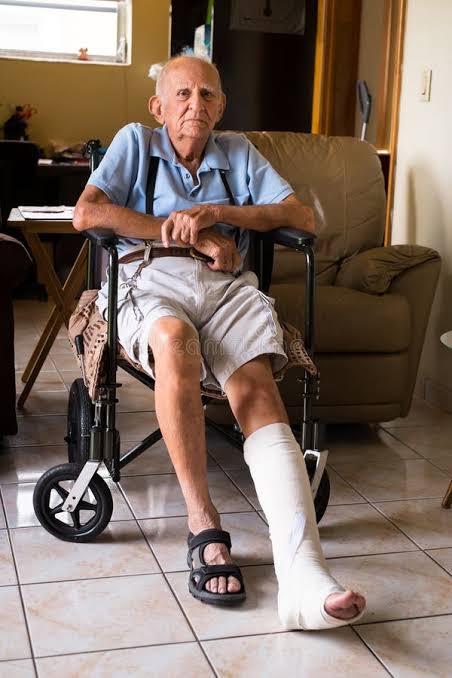
Nor are everyone’s needs identical. Two 80-year-olds may have different requirements depending on “the presence of illnesses, functional capacity and physical activity,” as Dr Palma Milla points out.
She goes on to list other factors: “An increased risk of falls and fractures, dependence on others for basic activities of daily living, heart or lung disease, cognitive decline, movement disorders and a poorer quality of life.”
[© Dreamstime]
Families can spot certain signs before a more serious complication arises: “An increasingly empty fridge, food past its use-by date, less variety in the diet or a noticeable reduction in shopping,” says Tarazona.
Paula Crespo, vice-president of the General Council of Official Associations of Dietitians and Nutritionists, adds that, when appetite is low, “rather than insisting on very large meals, it may be helpful to offer smaller portions throughout the day”. The aim, she points out, is to ensure “sufficient protein and energy intake”.
“A long period of fasting reduces the time available for eating,” Palma emphasises.
For this reason, Crespo advises against having dinner too early or breakfast too late, whilst also warning about loss of appetite: “Loss of appetite is common among older people, but we mustn’t accept it as an inevitable part of ageing.”
Tarazona, for his part, gets to the root of the problem: “We mustn’t just focus on how much they eat, but on why they’re eating less.”