A rare diplomatic spat between two Mediterranean heavyweights has spilt over into the travel sector, as Spain implements temporary border checks on arrivals from Italy. The move marks an escalation in a mounting political feud over migration policy within the European Union.
The emergency controls follow a similar move by Rome earlier in the month, leaving travellers navigating sudden spot checks and fueling an intense debate among European leaders regarding open borders and regional security.
The Catalyst: The Ceuta Border Crisis
The friction between Madrid and Rome traces back to an unprecedented mass migration event at the end of July, when tens of thousands of people crossed from Morocco into Ceuta, Spain’s North African territory.
While Spanish authorities quickly mobilised to regain control of the perimeter and returned the vast majority of arrivals to Morocco within days, the dramatic scenes sent shockwaves across the EU. Insisting on a hardline stance against irregular immigration, Italian Prime Minister Giorgia Meloni’s government responded on August 1 by imposing its own temporary border controls on maritime and air arrivals coming from Spain.
Madrid immediately condemned Rome's actions, calling them unfair, discriminatory, and a direct threat to European unity. When Italy refused to lift the restrictions, Spain retaliated by announcing its own mirror-image measures.
How the New Border Controls Work
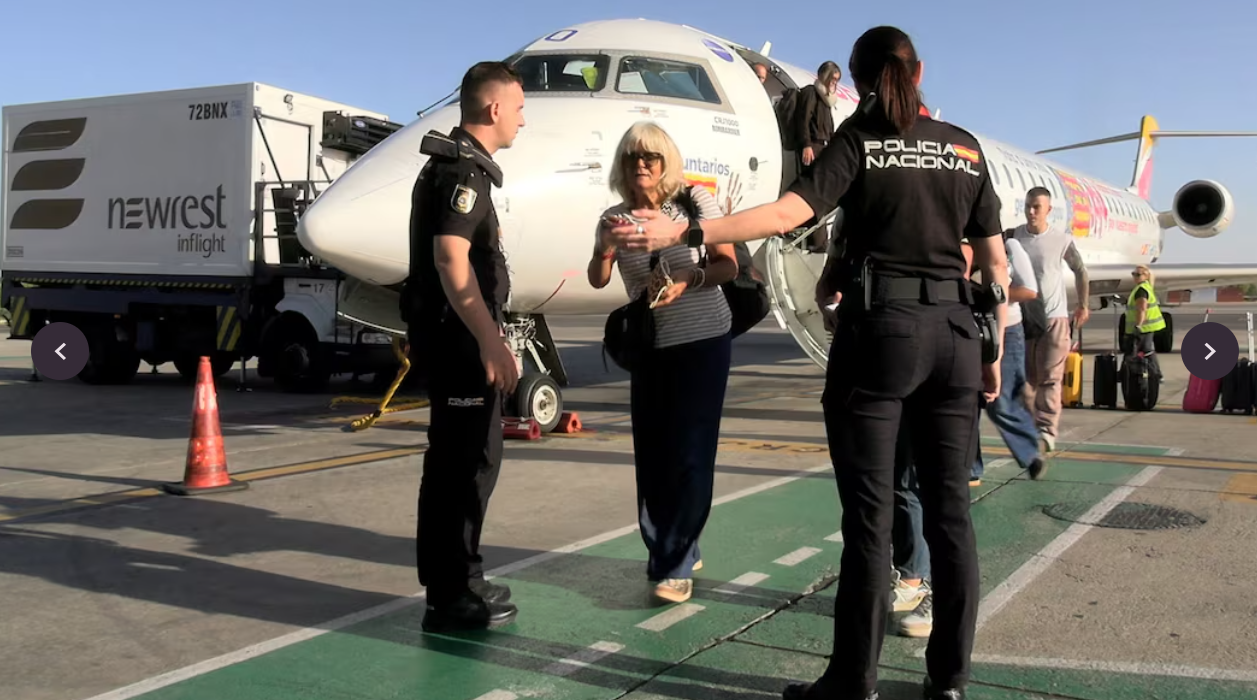
Spain's interior ministry confirmed that the temporary checks began at midnight on Saturday and are scheduled to remain in place until September 7, matching the duration of Italy's restrictions.
While the controls do not dismantle the foundational principles of the Schengen free-movement zone, they have introduced visible friction at transport hubs connecting the two nations:
-
The Scope: The measures primarily target discretionary spot checks, passport verifications, and documentation reviews for third-country nationals entering Spain from Italian air and sea ports.
-
The Justification: Madrid officially instituted the checks citing "persistent irregular migration pressure," mirroring the exact phrasing used by Rome weeks prior, while underscoring the absurdity of the restrictions given that Ceuta sits entirely outside the Schengen zone with no direct transit corridors into continental Europe.
-
The Diplomatic Fallout: Despite interventions by EU migration commissioners urging de-escalation, Italian officials have defended their actions as a necessary safeguard for national security, refusing what they termed "ultimatums" from Madrid.
Impact on Travellers and the Schengen Zone
For long-term residents, frequent flyers, and expats travelling between Spain and Italy, the political stand-off has introduced an unwelcome layer of logistical frustration during the peak of the summer holiday season.
While European officials maintain that these internal border suspensions are strictly temporary and designed to wind down as regional tensions cool, the rare public feud has laid bare the fragile consensus underpinning Europe's passport-free travel framework when member states face sudden political pressures.