There are two kinds of energy – one that is mined from the earth and the other which comes from the skies (or the lakes). The first is expensive to obtain, is (eventually) limited in supply and is a contaminant.
The other is wind, sun and water: limitless, free and easily harvested.
For a while there, the solar and wind energy were considered such a threat to the oil industry (and its taxes) that the PP government of Mariano Rajoy came up with a ‘Sun Tax’ (2015 – 2018) to disincentivise the solar industry. It was aimed at consumers who would be harvesting their own energy (principally from solar panels) and thus depriving the power company of its due. A bit like growing one’s own tomatoes but still having to pay a levy to the supermarket. Plus, of course, handing over the ones you didn’t eat. 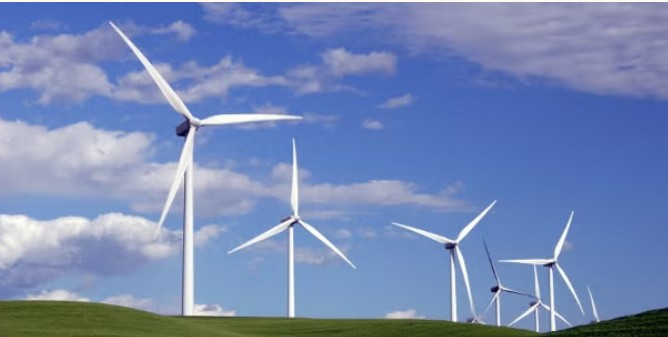
Silly, really, with all the sun we have here. We read: Spain typically receives over 2,500 to over 3,000 hours of sun annually, while Germany averages around 1,600 to 2,000 hours, and the UK generally receives 1,300 to 1,500 hours.
Back in 2012, Germany’s "Energiewende" (energy transition) and consistent feed-in tariffs spurred massive solar installations, making it the European market leader. The country had more solar power than Spain, despite their cloudy skies. Indeed, it still does today.
Here in Spain, we have plenty of clean energy, but oddly, we are still heavily reliant on oil.
Which has gone up thanks to its scarcity – for reasons to do with faulty politics elsewhere.
Then, the Government steps in to give subsidies, to lower the tax on gasoline from 21 to 10%, and help the farmers, the fishermen and certain other sectors.
Faced with every oil crisis, says journalist Ignacio Escolar, Spain repeats the same formula: fuel discounts we don't have, paid for with public money we don't have to spare. It's a populist, ineffective, and regressive recipe. A misguided idea that has been backfiring for half a century.
Oil embargos or suddenly heightened prices (usually something to do with middle eastern aggression) are resolved in Spain with a desperate plan to avoid unpopular increases at the pump, meaning discounts which – along the way – would negatively affect Spain’s balance of payments. Consumption therefore remains unchanged, while the evidence to switch to clean fuels (such as electric vehicles) is largely ignored. Spain (normally speaking) has the second lowest taxes on petrol in Europe after Bulgaria – although it’s true that the base price for petrol and diesel varies slightly between countries.
As for electric vehicles, Spain can claim about 5.4% of its fleet to be fully electric (against Germany at 18.4%). ‘Oh, but they take so long to charge up’, you might say. However, it’s an industry that’s changing fast. The latest BYD Flash Charging stations available in China now take five minutes for a full charge.
Having one’s own solar energy panels, says some bright spark, is a call for independence (imagine if Cuba was thus prepared). Having the entire country run on redeemable energy (if and when) is even more so. Neither coal nor oil to be torn from Mother Earth and turned – in part – into smoke, fumes and toxic pollution. Furthermore, a country like Spain with no domestic oil or gas production, can only keep its imports down with clean energy alternatives.
Today, Spain produces cheaper electricity thanks to renewables, which account for almost 60% of production. “Last Saturday, the price of a megawatt-hour in Spain was 14 euros, compared to more than 100 in Italy, Germany, or France,” boasted Pedro Sánchez at his press conference last week. “Spain is better prepared than almost any other country in our region for this energy shock,” he added. This is only half true.
In renewable electricity production, we have done our homework. Spain gets very good marks. However, in transportation, the failure is absolute.
Nobody wants to take such an unpopular measure as raising gasoline or diesel prices – or allowing them to rise. Electricity in Spain—the wholesale price—is among the cheapest in Europe. There are times, almost every week, when renewable energy production exceeds total demand. And yet, here we are: subsidizing energy we don't have through taxes, instead of investing in the energy we have in surplus.