When British expats first settle into life in Spain, they quickly realise that the country's daily rhythm operates on a completely different temporal scale. Lunch (la comida) stretches well into the afternoon, dinner rarely starts before 9:30 PM, and restaurants shut their kitchens tight during the late afternoon hours.
Yet, if you peek into local cafes, neighbourhood bakeries, or neighbourhood plazas around 5:00 PM, you will witness a bustling daily ritual that bridges the long gap between midday and midnight: la merienda.
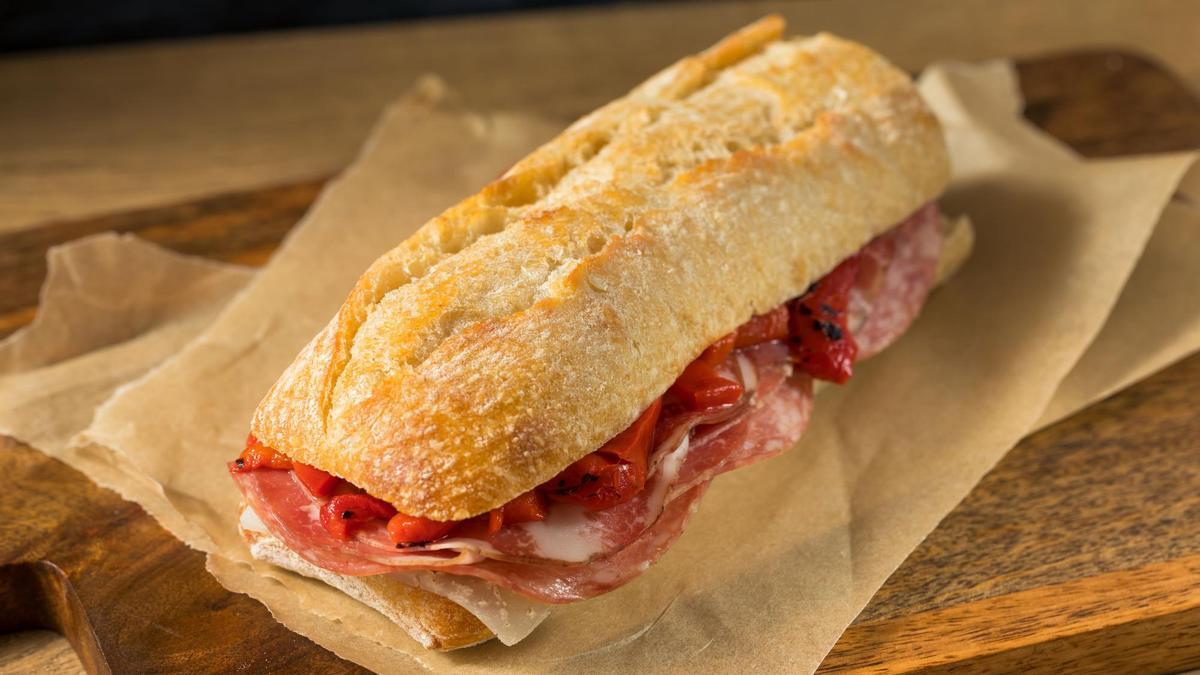
Often casually translated as Spain's version of afternoon tea, this sacred fourth meal is an indispensable cornerstone of daily life across the peninsula.
The Latin Roots of ‘Deserving’ a Snack
To understand how deeply embedded merienda is in Spanish culture, you have to look back at its linguistic origins. The word stems directly from the Latin merenda, which evolved from the verb merere, meaning "to earn" or "to deserve."
Historical lexicographers note that classic writers and scholars like Virgil used the term to denote a reward or gift given after hard labour. In his foundational Spanish dictionary, the 17th-century Toledan author Sebastián de Covarrubias observed that the afternoon snack was consumed precisely because it had been deserved through a hard day's work.
While neighbouring Romance languages like Italian and Portuguese retained the term primarily to mean a daytime or midday snack, Spanish culture carved out merienda specifically as the late-afternoon buffer against evening hunger.
From Childhood Nostalgia to Social Ritual
For generations of Spaniards, merienda has served two distinct cultural purposes:
-
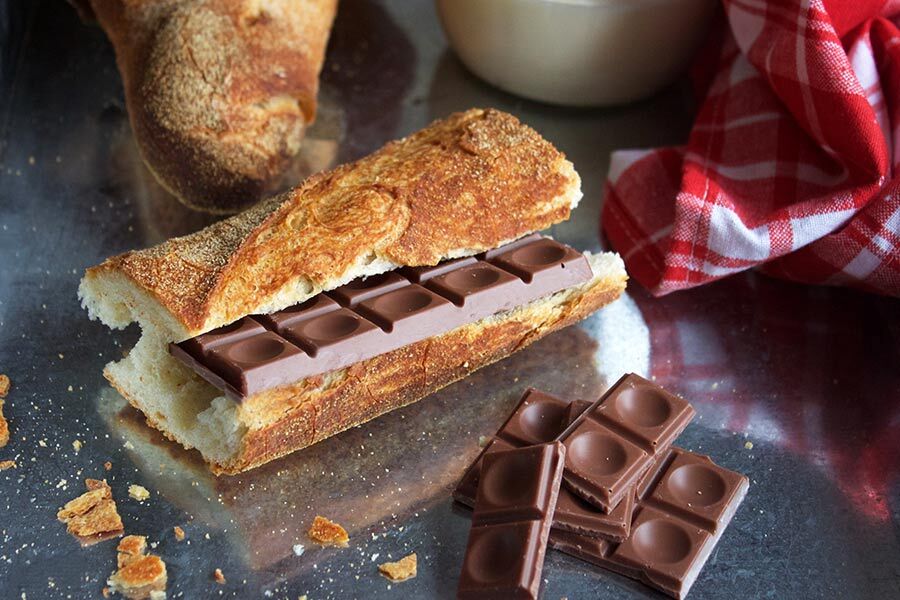
The Childhood Staple: For school children returning home in the evening, merienda is the ultimate comfort meal. Boomer generations fondly recall classic, unpretentious snacks such as pan con chocolate (a slab of chocolate sandwiched inside crusty bread), bread rubbed with olive oil and sugar, or a simple bocadillo of Serrano ham.
-
The Adult Social Pause: For adults, it serves as a civilised mid-evening pause. Whether it is an elderly couple sharing a coffee and pastry at a traditional cafetería or colleagues catching up after a long workday, it offers a moment to socialise before heading home to a late supper.
Regional Variations of the Afternoon Table
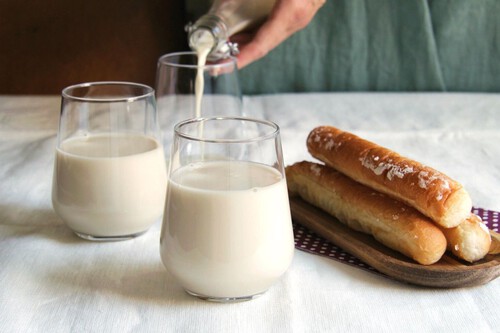
Just as Spain's main meals vary dramatically by geography, the contents of a proper merienda change entirely depending on which region you happen to be visiting. Across Valencia and the eastern coast, afternoon tables are synonymous with chilled horchata paired with sweet, elongated fartons designed specifically for dunking. Head up to the rainy northern strongholds of Galicia, Asturias, and Cantabria, and the atmosphere calls for thick, decadent hot chocolate (chocolate a la taza) served alongside crispy churros or buttery sponge cakes like sobaos.
Down in Andalusia and the sun-drenched south, the tradition leans toward savoury local bites, featuring warm molletes or toasted bread slathered with olive oil, tomato, and cured ham. Meanwhile, throughout towns and cities nationwide, the ultimate portable merienda remains the classic, endlessly customizable bocadillo packed with cheese or sausage.