All EOS blogs All Spain blogs  Start your own blog Start your own blog 

Fiestas in Spain

In Spain, you are not going to get bored because there are so many popular festivities spread throughout the year that there is always an interesting date on the calendar.

There are well over 250 fiestas or celebrations to choose from and I will endeavour to introduce you to a few!

Planning Your April: A Guide to Spain’s 2026 Spring Holidays and Long Weekends
Friday, March 27, 2026

For those of us living in or visiting Spain, April is often the "sweet spot" of the year. The orange blossom is out, the terraces are bustling, and—crucially for property owners and renters alike—the calendar is packed with some of the most significant dates in the Spanish cultural year.


If you are planning a viewing trip, managing a rental property, or simply looking to escape for a long weekend, here is everything you need to know about the Spanish holiday calendar for April 2026.

The Big One: Semana Santa (Holy Week)

In 2026, the highlight of the spring season falls squarely in April. Semana Santa will take place from March 29th to April 5th.

For those unfamiliar with the tradition, this is one of Spain’s most intense and beautiful cultural displays. Whether you are in a major city like Seville or a quiet white village in the Axarquía, expect daily processions, hooded penitents, and a truly unique atmosphere.

Key Dates to Note:

  • April 2nd (Jueves Santo): A public holiday in almost all of Spain (except Catalonia and Valencia).

  • April 3rd (Viernes Santo): A national "Red Day" (public holiday) across the entire country.

  • April 6th (Lunes de Pascua): Easter Monday is a holiday in several regions, including Catalonia, the Basque Country, and the Balearic Islands.

Property Tip: If you are a landlord, this is a "Platinum" rental week. Demand for short-term lets skyrockets during this period. Conversely, if you are planning to visit banks or law firms for a property purchase, keep in mind that many offices will close from midday Thursday through to Monday.

Regional Highlights and Long Weekends

April isn't just about Easter. Several regions celebrate their own "Bridge" (Puente) holidays, which can cause local businesses to close.

  • April 20th (Monday): While not a national holiday, this serves as a key date for regional festivities. In particular, it marks the celebration of San Vicente Ferrer in the Valencian Community, creating a three-day weekend for those on the Costa Blanca.

  • April 23rd (Thursday): This is a major day for two very different reasons.

    • Castile and León: It is the regional "Day of Castile and León."

    • Aragon and Catalonia: It is the feast of Sant Jordi (St. George). While not a public holiday in Catalonia, it is arguably the most beautiful day of the year in Barcelona, where the streets are filled with stalls selling books and roses.

Don’t Forget: The Seville April Fair (Feria de Abril)

While Semana Santa is the solemn side of Spanish culture, the Feria de Abril is its joyful, high-energy counterpart. Because the Fair traditionally begins two weeks after Easter, the 2026 dates are set for Tuesday, April 21st to Sunday, April 26th.


What to Expect:

The festivities technically begin on the night of Monday, April 20th with the "Night of the Fried Fish" (la noche del pescaíto) and the spectacular lighting of the fairground gate (el Alumbrao) at midnight. For the following six days, the Los Remedios district of Seville transforms into a city of striped tents (casetas), horse-drawn carriages, and thousands of people in traditional flamenco dress.

Property & Travel Insights:

  • Seville is "Closed": If you are looking at property in Seville during this week, be aware that the city effectively grinds to a halt. Appointments with lawyers or local officials will be nearly impossible to book as the city focuses entirely on the Real de la Feria

  • The Rental Premium: For buy-to-let investors, this is another peak week. Hotel and short-term rental prices in Seville and surrounding towns like Dos Hermanas or Alcalá de Guadaíra can triple during the Fair.

  • The "Wednesday" Holiday: Local tradition often sees the Wednesday of the Fair (April 22nd, 2026) declared a local holiday in the city of Seville, so expect local businesses there to be closed.

A Tip for Visitors:

Most of the casetas are private (invitation only), but there are several large public ones where anyone can enjoy a glass of rebujito (sherry and lemonade) and watch the sevillanas dancing. For a budget-friendly afternoon, a couple of rounds of drinks and some tapas will usually cost you around £15–£25 (approx. €18–€30), but keep an eye on your wallet—prices inside the fairgrounds can be higher than in the city centre!

Planning Ahead for May 1st

It is worth noting that April ends right on the cusp of May Day (Día del Trabajador) on Friday, May 1st. Because this creates a natural three-day weekend (Friday to Sunday), many Spaniards will be traveling to the coasts starting on the evening of Thursday, April 30th.

Practical Advice for Expats

  1. Shopping: On national holidays (Red Days), most supermarkets (Mercadona, Carrefour, etc.) will be closed. Stock up on essentials the day before.

  2. Traffic: Expect heavy traffic on the AP-7 and other coastal routes at the start and end of Semana Santa.

  3. Currency: For our UK readers, remember that while the Euro is the currency of the land, local prices remain stable. If you are budgeting for a spring trip, a mid-range dinner for two will typically cost you between £35 and £50 (approx. €42–€60) depending on the region.

April 2026 is set to be a vibrant month. Whether you’re here for the religious spectacle of the processions or just to check on your holiday home, knowing these dates ensures you won't be caught out by a closed bank or a booked-out restaurant!


Like 1        Published at 4:35 PM   Comments (0)


The Grand Finale: A Night of Fire and Glory for Fallas 2026
Friday, March 20, 2026

Valencia has just bid a thunderous, smoke-filled farewell to Fallas 2026. As the echoes of the final mascletà fade and the scent of gunpowder lingers over the Turia, the city is already catching its breath from what has been an extraordinary year for the world’s most famous fire festival.

The 19th of March, the feast of San José, is always a day of mixed emotions—immense pride, frantic energy, and that inevitable touch of lloranza (nostalgia) as the towering monuments are reduced to ash. But before the torches were lit for the Cremà, all eyes were on the leaderboard to see who would take home the most coveted trophies in Spanish art.

The Big Winners: Convento Jerusalén Triumphs Again

In the Sección Especial—the "Premier League" of Fallas, where budgets reach into the hundreds of thousands—the competition was fiercer than ever.

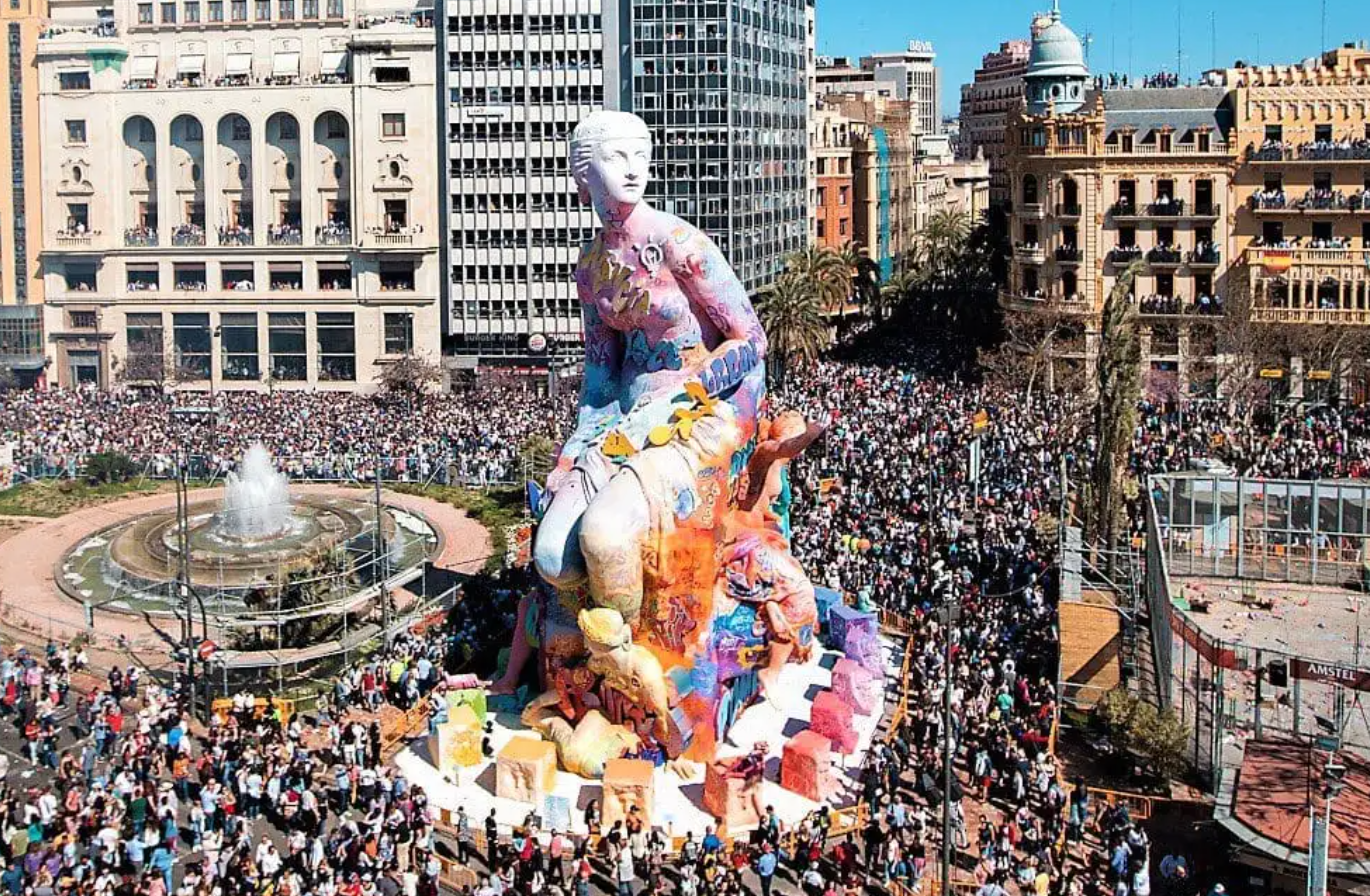
  • First Prize: Falla Convento Jerusalén-Matemático Marzal has once again been crowned the king of Valencia. Their monument, titled "Redimonis" and designed by the visionary David Sánchez Llongo, blew the judges away with its sheer scale and intricate depiction of mythological demons and fauns. This marks their 19th victory in the top category and an incredible fourth consecutive win.


  • Second Prize: L'Antiga de Campanar took a hard-fought silver, continuing their streak of excellence with a stunningly detailed display.

  • Third Prize: Plaza de Na Jordana rounded out the podium, proving why they remain a fan favourite year after year.

In the Sección Especial Infantil (Children’s Category), the top honour went to Falla Espartero-Gran Vía Ramón y Cajal. Their artist, Zvonimir Ostoic (Zeta), created a whimsical masterpiece that not only won the first prize but also saw its central ninot (figure) voted as the Ninot Indultat—the only piece of the monument saved from the flames to live forever in the Fallas Museum.


The Night of the Cremà: Burning it All Down

The final day followed the traditional, heart-pounding rhythm that makes Valencia the place to be in March. After a final, bone-shaking mascletà at the Plaza del Ayuntamiento at 2:00 PM, the city transitioned into the Cabalgata del Fuego (Fire Parade) at 7:00 PM—a spectacular display of correfocs (fire-runners) and sparks.

Then came the moment everyone waits for: La Cremà.

  • 8:00 PM: The children’s fallas were the first to go, a bitter-sweet moment for the younger falleros.

  • 10:30 PM: A massive crowd gathered to watch the winning Convento Jerusalén monument go up in flames.

  • 11:00 PM: The festival officially concluded with the burning of the Municipal Falla in the Plaza del Ayuntamiento, accompanied by a final, staggering fireworks display by Pirotecnia Hnos. Caballer.


A Bit of Controversy

It wouldn't be Fallas without a little drama! This year, the Cuba-Literato Azorín commission made headlines after finishing 9th in the Special Section. They issued a formal complaint against their artist, claiming the final structure didn't match the ambitious designs they were promised. It’s a reminder of just how much passion (and money) goes into these ephemeral works of art.

Planning for 2027? If you missed out this year, it’s never too early to start looking at accommodation. Just remember: in Valencia, the party never really stops—the commissions are likely already meeting to plan next year's monuments!


Like 1        Published at 9:10 PM   Comments (0)


Experience the Magic of Las Fallas in Valencia 2026
Thursday, March 5, 2026

Valencia’s renowned Las Fallas festival is a unique cultural experience that should be on everyone's bucket list. Celebrated from the 1st to the 19th of March, Las Fallas transforms the city into a vibrant spectacle of artistry, tradition, and sheer excitement, culminating in a spectacular burning ritual from the 15th to the 19th. Let's explore what makes this festival so extraordinary, from its historical origins to its modern-day celebration


.


A Historical Celebration of Spring

The origins of Las Fallas can be traced back to the Middle Ages. During this time, carpenters in Valencia would burn old wooden tools and scaffolding to mark the end of winter and the coming of spring. These humble beginnings gradually evolved into a more elaborate celebration, where wooden sculptures, known as "fallas," were crafted and set alight. What started as a simple bonfire took on more creative and satirical forms, eventually becoming the grand festival we know today.


Timeless Traditions and Spectacular Events

Las Fallas has grown into one of Spain’s most visually stunning cultural events, drawing visitors from around the globe. The festival's centrepiece is the creation and display of over 800 intricate sculptures, called "ninots," made from materials such as wood, cardboard, and papier-mâché. These sculptures often depict satirical themes, offering commentary on political and social issues, thus transforming Valencia into a temporary, open-air museum.

The entire city buzzes with activity during Las Fallas. Daily events include vibrant parades, enthralling firework displays, concerts, and traditional dances, each contributing to the festival’s electrifying atmosphere.

One particularly thrilling tradition is the daily "Mascletà." Held at midday in the Plaza del Ayuntamiento, this rhythmic and deafening fireworks display is a highlight for both locals and visitors. The Mascletà is not just a feast for the eyes but an experience that thunders through your very core, connecting everyone in shared excitement.

The Grand Finale: La Cremà

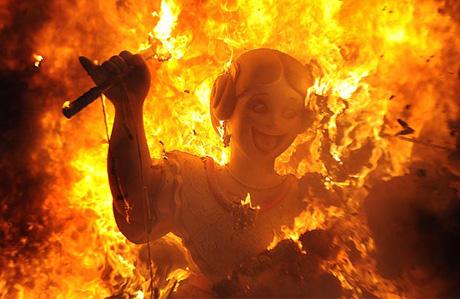
The climax of Las Fallas occurs on the 19th of March, a day known as "La Cremà." This is when the festival reaches its incredible conclusion by setting the fallas sculptures ablaze in enormous bonfires. La Cremà symbolises renewal and the arrival of spring, and the spectacle is both awe-inspiring and moving. The fallas infantiles (children’s sculptures) are burned earlier in the evening, while the main monuments go up in flames later at night, with the final fire traditionally consuming the falla in the Plaza del Ayuntamiento.

Each year, one ninot is saved from the flames through a public vote. This fortunate sculpture, known as the "ninot indultat," is preserved in the Fallas Museum, serving as a charming remnant of the festival long after the fires have died down.


The Cultural Significance of Las Fallas

Las Fallas is far more than a festive celebration; it is a vivid expression of Valencia’s cultural identity, history, and community spirit. The festival honours Saint Joseph, the patron saint of carpenters, linking it deeply to the city’s historical roots. Through the meticulously crafted fallas, the festival showcases the incredible artistic talent and creativity that thrives in Valencia.

The burning of the fallas, or "la cremà," marks a new beginning, symbolising the city’s readiness to embrace a fresh cycle of growth and renewal. This act of transformation is a powerful reminder of the cyclical nature of life and the promise of new opportunities.

Moreover, Las Fallas plays a crucial role in boosting tourism and the local economy. By attracting thousands of visitors, the festival helps to showcase Valencia’s rich heritage and vibrant culture on a global stage.

Traditional Attire and Culinary Delights

During Las Fallas, many locals and participants dress in traditional Valencian attire, adding to the festival’s rich, colourful tapestry. Women often don intricately embroidered dresses made from exquisite silk, accompanied by elaborate hairstyles adorned with decorative combs known as "peinetas." Men wear historic costumes such as waistcoats, sashes, and embroidered jackets.

While traditional attire is a common sight at official events, such as the Ofrenda de Flores (a floral offering to the Virgin Mary), most visitors opt for casual attire, sometimes adding themed accessories to join in the festive spirit.

The festival is also a time for indulging in local culinary delights. A popular treat during Las Fallas is "buñuelos de calabaza," which are sweet, pumpkin-flavoured doughnuts often served with hot chocolate. Another favourite is "horchata," a creamy drink made from tiger nuts, which is both refreshing and delicious.

Valencia: A City of Art and Science

Valencia, the third-largest city in Spain after Madrid and Barcelona, offers more than just its famous festival. Located on the Mediterranean coast, Valencia boasts a mix of historical landmarks and modern attractions. The City of Arts and Sciences is a must-see. This modern architectural complex includes museums, an opera house, and the Oceanarium sea life centre.


Other notable sites include the stunning Valencia Cathedral, the Miguelete tower, the Torres de Serranos, and the Torres de Quart. The Lonja de la Seda, a UNESCO World Heritage site, is another gem, showcasing the city’s historical significance as a centre of commerce and culture.

While the main festival takes place from 15th to 19th March, preparations and some festivities for Fallas often begin earlier and can extend beyond the official dates.

Whether you’re a first-time visitor or a seasoned festival-goer, Las Fallas offers an unforgettable mix of culture, art, and community spirit. It’s a celebration that not only honours the past but also embraces the future with open arms, ensuring that Valencia remains a city vibrant with life and creativity.

If Valencia's Fallas festival has piqued your interest, now is the perfect time to visit Valencia and experience this remarkable event firsthand. Enjoy the explosion of colour, creativity, and tradition that makes Las Fallas one of Spain’s most spectacular celebrations.


Like 0        Published at 11:01 PM   Comments (2)


Spam post or Abuse? Please let us know


This site uses cookies. By continuing to browse you are agreeing to our use of cookies. More information here. x