All Saints' Day in Spain
Friday, October 31, 2025
While the world gears up for Halloween tonight, Spain takes a more sombre approach to the season, commemorating All Saints' Day (Día de Todos los Santos) tomorrow, on November 1st. This public holiday is a time for families to honour and remember loved ones who have passed away.
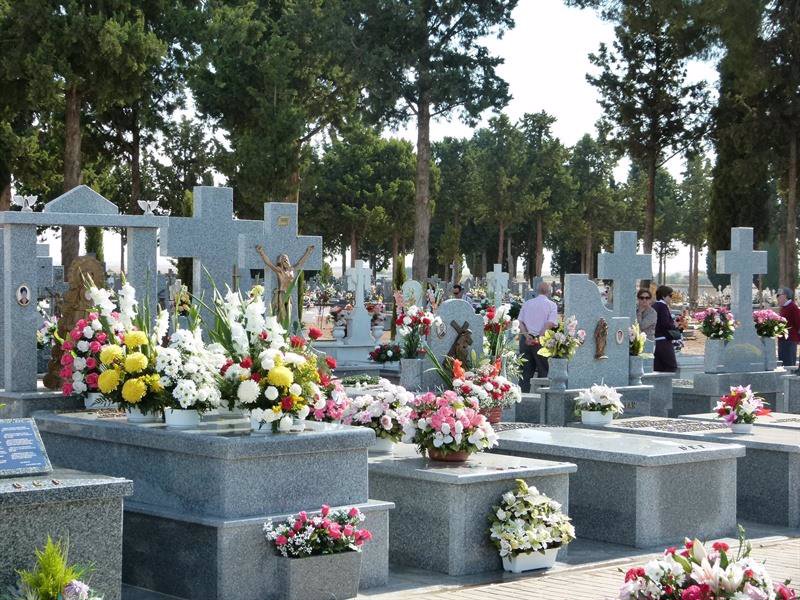
A Deeply Rooted Tradition:
The tradition of All Saints' Day is deeply ingrained in Spanish culture, with roots tracing back to the 9th century. It's a day of reflection and remembrance, observed with a blend of religious and familial customs.
How Spain Celebrates:
-
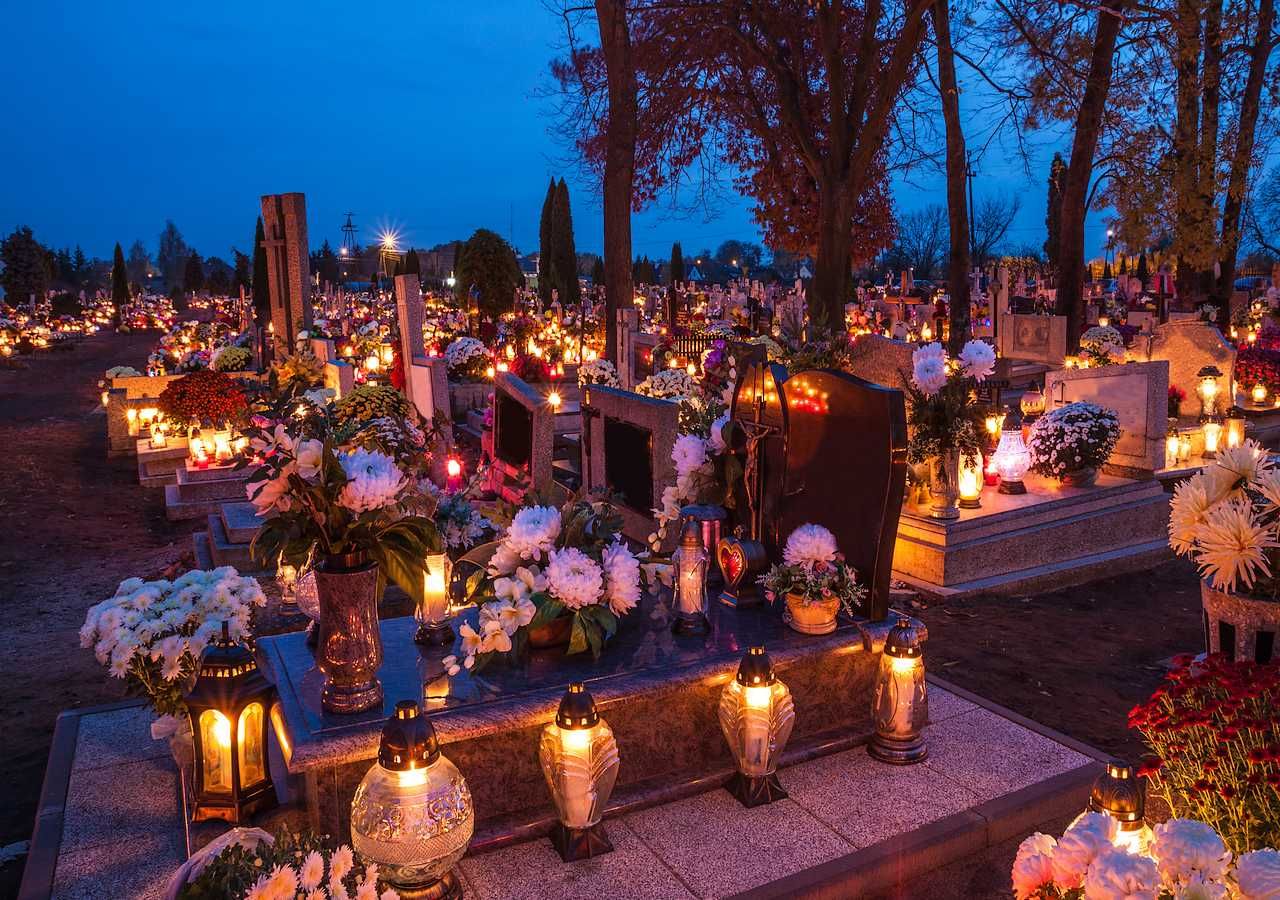
Cemetery Visits: The most prominent tradition is visiting cemeteries. Families gather to clean and decorate the graves of their loved ones with flowers, often chrysanthemums, and candles. It's a poignant scene as cemeteries come alive with colour and the flicker of candlelight.
-
Special Masses: Many attend special masses held in churches throughout the day. These services offer prayers and blessings for the departed souls.
-
Family Gatherings: While a solemn occasion, All Saints' Day is also a time for families to come together. Sharing stories and memories of those who have passed helps to keep their spirit alive.
-
Regional Variations: While the core traditions remain consistent, certain regions have unique customs. For instance, in Galicia, a traditional cake called "Huesos de Santo" (Saint's Bones) is enjoyed.
Sweet Traditions:
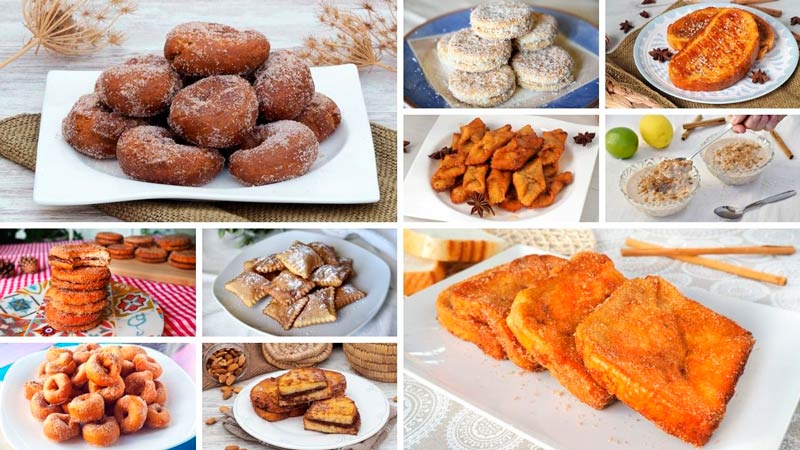
All Saints' Day in Spain is also marked by the consumption of specific sweets, adding a touch of sweetness to this day of remembrance. Here are some of the most popular treats:
-
Huesos de Santo: These "Saint's Bones" are perhaps the most iconic All Saints' Day treat. Made from marzipan, they are shaped to resemble bones and filled with a sweet egg yolk cream. Their name and appearance might seem a bit macabre, but they are a delicious and symbolic treat.
-
Buñuelos de Viento: These light and airy fritters are another favorite. The name translates to "wind fritters," referring to their delicate texture. They are often enjoyed dusted with sugar or cinnamon.
-
Panellets: Primarily enjoyed in Catalonia, these small marzipan balls are covered in pine nuts and are a true delight. Other variations include chocolate coatings or fillings.
-
Roasted Chestnuts: The aroma of roasting chestnuts fills the air in many Spanish towns during this time of year. Sold by street vendors, they are a warm and comforting treat enjoyed by many on All Saints' Day.
.jpeg)
A Contrast to Halloween:
While Halloween's popularity is growing in Spain, especially among younger generations, All Saints' Day holds a more profound significance for many Spaniards. It's a day that emphasizes family ties, honouring ancestors, and cherishing memories.
If you find yourself in Spain on November 1st, take a moment to observe the quiet dignity of All Saints' Day. It offers a glimpse into the heart of Spanish culture and its enduring respect for the past.
 1
Like
Published at 11:06 PM Comments (0)
1
Like
Published at 11:06 PM Comments (0)
National Day of Spain 2025: What to Expect on October 12th
Saturday, October 11, 2025
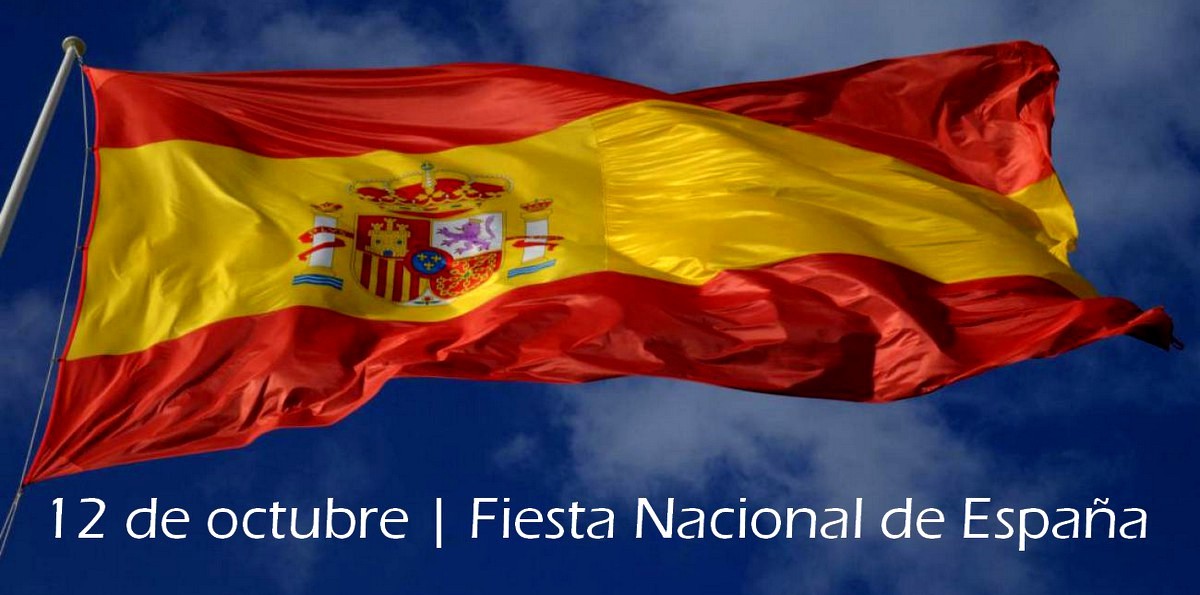
October 12th marks the Fiesta Nacional de España (National Day of Spain), also widely known as Día de la Hispanidad. It’s a day steeped in history, celebrated across the country with a vibrant mix of grand military pageantry and profound local traditions, centering on themes of civic unity and cultural heritage.
The Grand Parade in Madrid
The epicentre of the state ceremony is Madrid, where the celebration is headlined by a magnificent military display.
-
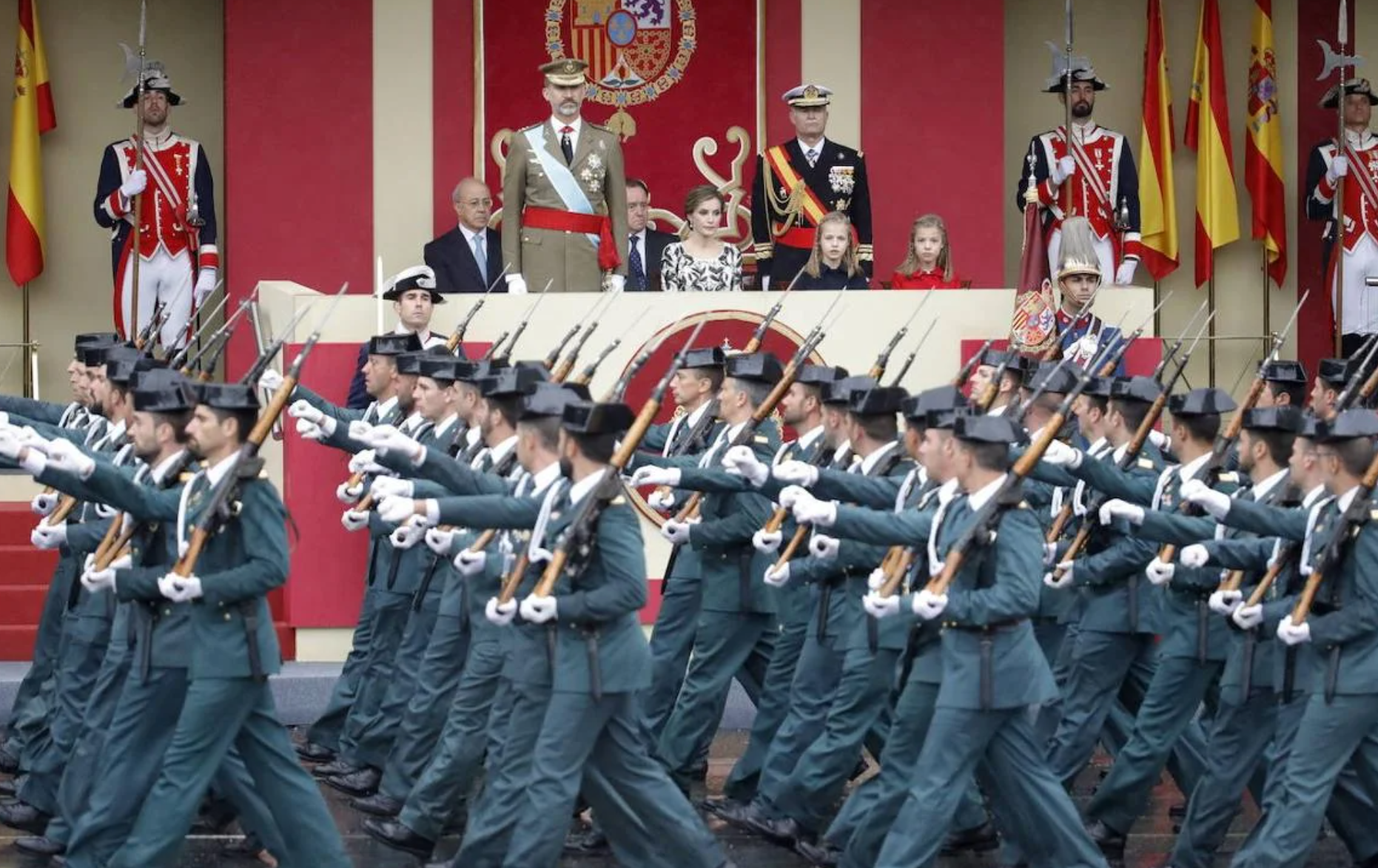
The Royal Ceremony: The King and Queen preside over the formal state act, which typically begins around 11:00 am.
-
The Parade: The main event features a tribute to the national flag, honours for those who died in service, and a large Armed Forces ground parade. Units from the Civil Guard, National Police, and Maritime Rescue also participate.
-
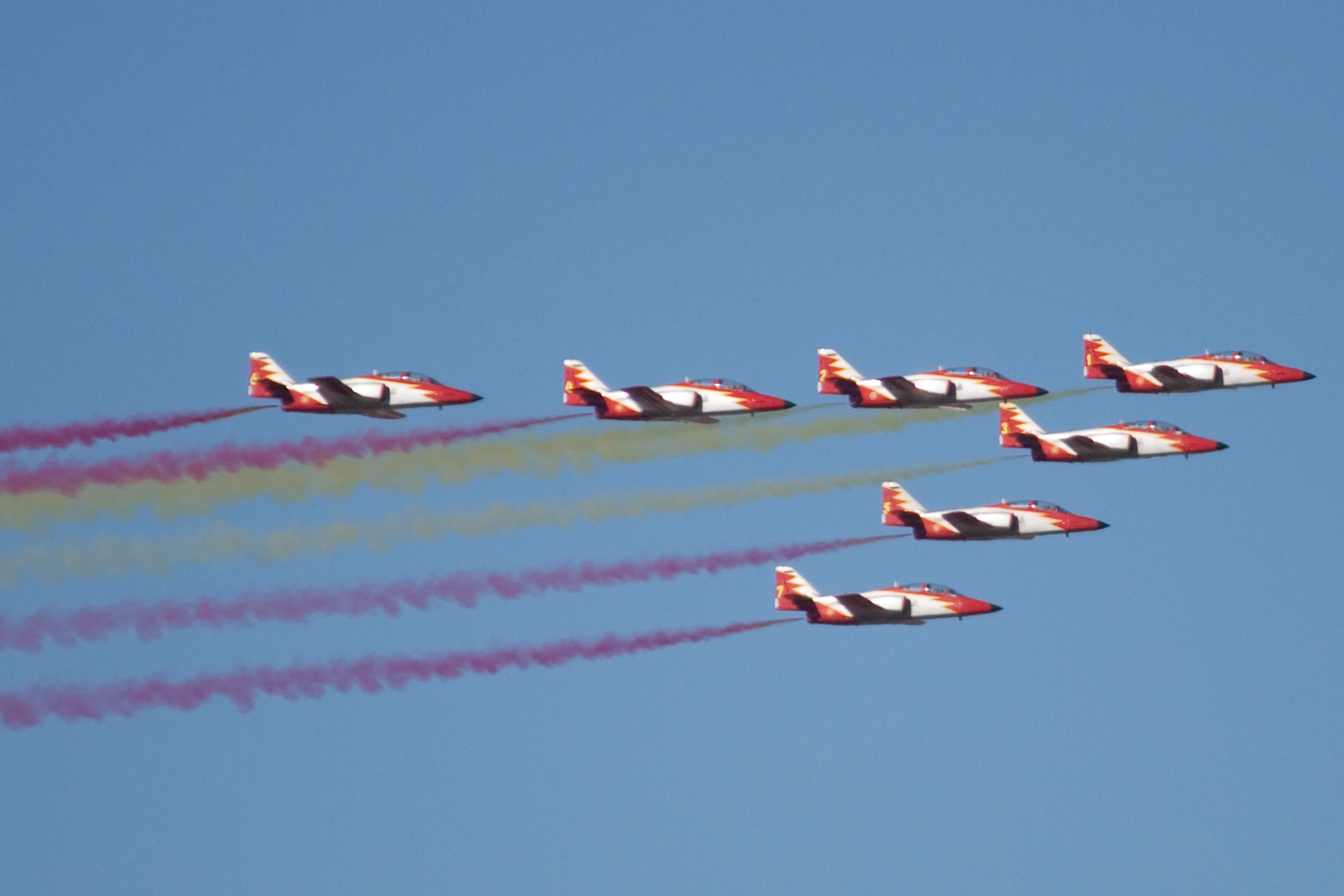
Aerial Display: A key highlight is the impressive Air Force flypast, featuring the famous Patrulla Águila team, which paints the sky with the colours of the Spanish flag. In 2025, the ceremony includes a special parachute jump unfurling a flag to mark the 10th anniversary of King Felipe VI’s proclamation.
A Ten-Day Celebration in the Capital
For 2025, Madrid extends the festivities into a ten-day city program, running from October 3rd to the 12th. With Argentina designated as the guest country, the city hosts over 150 free events in flagship spots like Plaza Mayor and Puerta del Sol. Visitors can enjoy a rich offering of music, theatre, folklore, visual arts, and literature, transforming the capital into a hub of Spanish and Hispanic culture.
A National Public Holiday (And What That Means for Your Weekend)
The National Day of Spain is an official nationwide bank holiday. As such, banks, schools, and most offices close, and public services typically run on reduced schedules.
In 2025, since October 12th falls on a Sunday, whether the following Monday, October 13th, is observed as a bank holiday depends on the regional government. For this year, only five autonomous communities have elected to take the Monday off: Andalusia, Aragón, Asturias, Castilla y León, and Extremadura. If you are travelling or living outside these regions, expect normal working hours to resume on Monday.
Regional and Cultural Dimensions
While the official state ceremony dominates Madrid, the day carries different meanings and traditions across Spain:
-
Zaragoza and Fiestas del Pilar: In Zaragoza, October 12th is deeply tied to the Fiestas del Pilar, honouring the patron saint of the city and the day's religious holiday. The city comes alive with the celebrated floral offering, concerts, and family gatherings that turn the celebration into a major regional festival.
-
Regional Variation: For many, the day is a civic holiday celebrating shared institutions and the broader Hispanic world. However, in regions like Catalonia and the Basque Country, observance is often low-key, with some communities opting for cultural programs that emphasise local identity or even pro-independence demonstrations as a counterpoint to the centralist symbolism.
Whether you find yourself in the heart of Madrid, witnessing the military might, or participating in the floral offerings of Zaragoza, Spain's National Day offers a profound glimpse into the country's complex history and vibrant cultural identity.
3
Like
Published at 10:56 AM Comments (0)
Spam post or Abuse? Please let us know
|
|