A Guide to Surviving and Enjoying La Tomatina
Saturday, July 18, 2026
Every year on the last Wednesday of August, the small Valencian town of Buñol transforms into a battlefield of red pulp and sheer pandemonium. If you are new to Spain, or perhaps planning your first trip to this iconic event, La Tomatina might seem like the height of madness. But to locals and seasoned residents, it is a masterclass in community spirit—a ritual where social status, professional worries, and the summer heat are all washed away in 150,000 kilograms of overripe tomatoes.
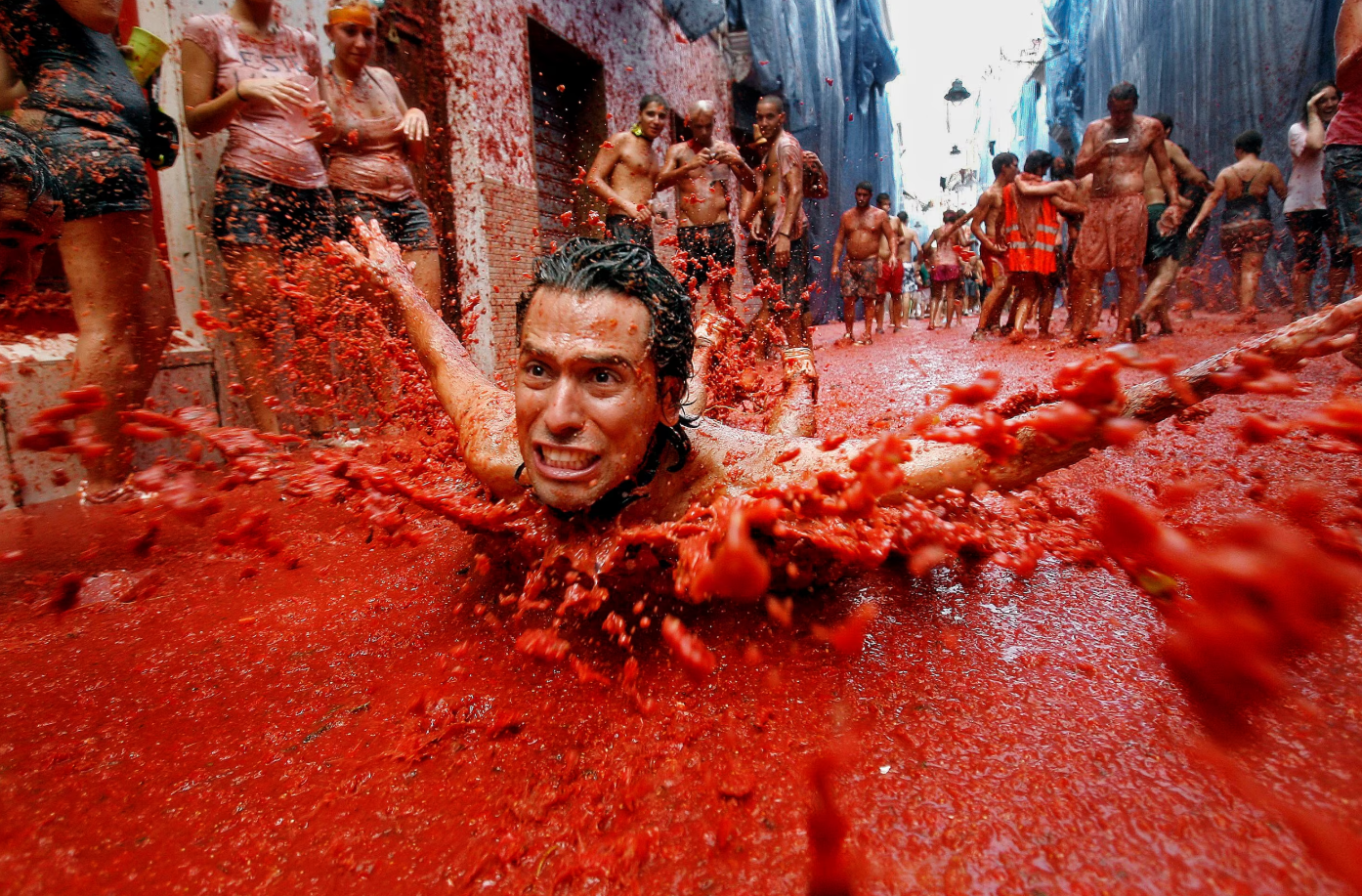
If you are thinking of heading to Buñol this summer, let’s strip away the "tourist trap" reputation and look at what actually happens on the ground.
A Chaotic Origin Story
Unlike many Spanish festivals that trace their roots back to religious or ancient agrarian ceremonies, La Tomatina was a happy accident.
Historical Context: In 1945, a group of young people hanging out in the town square during the Gigantes y Cabezudos (Giants and Big-heads) parade started a brawl near a vegetable stall. They began grabbing tomatoes and throwing them at each other. It was so much fun that they did it again the following year, and the year after that. Despite attempts by the local authorities to ban it in the 1950s (at one point even arresting participants), the event became so beloved that the town eventually embraced it as their own.
The Rules of the Red Battlefield
This is not a free-for-all; it is a highly managed, logistical operation. Since 2013, the town council has strictly regulated attendance to keep the narrow streets safe. You must buy a ticket to gain access to the battle zones.
| Rule |
The Logic |
| Squash before you throw |
A hard, uncrushed tomato can cause serious injury to a fellow participant. |
| No glass bottles |
The streets become dangerously slippery; glass would turn a fun event into an A&E disaster. |
| Wear old clothes |
You will not be wearing these again. The acidity of the tomatoes will permanently stain most fabrics. |
| Respect the signal |
The fight starts with a loud firework and ends with a second, signalling the trucks to stop. Once the second shot fires, drop your tomatoes. |
Insider Tips for the 'Tomatillo' First-Timer
If you are planning on attending, don’t just show up in your best holiday trainers. Here is how you survive the experience without turning it into a regretful ordeal:
1. The Prep List
-
Goggles are non-negotiable: Tomato juice in your eyes burns. Cheap plastic swimming goggles will save your day.
-
Closed-toe shoes: Do not wear flip-flops. You will lose them in the pulp, and you will almost certainly slice your foot on broken paving stones.
-
A GoPro or waterproof case: Unless you have a professional waterproof housing, leave your expensive smartphone in a secure locker outside the town centre.
2. The Logistics
The battle lasts exactly one hour—from 12:00 PM to 1:00 PM. The trucks roll through, dumping the harvest, and the town is scrubbed clean by fire hoses almost immediately after. Budgeting for your trip: Tickets typically cost around £10–£15, but when you factor in your train from Valencia, storage lockers for your bags, and post-battle showers (which locals often sell in their private garages), expect to spend around £40–£60 total for the full experience.
EOS Insider Pro-Tip: The best view is not from the ground, but from one of the private balconies overlooking the main square. If you are serious about the festival, book a package with a local tour operator that includes balcony access. It gets you out of the crushing density of the street and provides a much better perspective on the sheer scale of the chaos.
Where do you stand? Have you braved the pulp-filled streets of Buñol, or do you prefer to keep your distance from the festival chaos? Let us know in the comments below!
 0
Like
Published at 1:11 PM Comments (0)
0
Like
Published at 1:11 PM Comments (0)
Sun, Sea, and Sport: Why the Valencia Region is Becoming Europe’s Active Lifestyle Capital
Saturday, May 16, 2026
When looking for a property in Spain, most buyers have a familiar checklist: reliable sunshine, proximity to the beach, good local restaurants, and a welcoming expat community. But over the last few years, a new priority has skyrocketed up the list for property seekers and renters alike: access to top-tier sports and active lifestyle infrastructure.
Recent travel and lifestyle analysis highlights that the Comunidad Valenciana (comprising the provinces of Valencia, Alicante, and Castellón) has officially secured its spot as Europe’s premier sports destination. Driven by 300 days of annual sunshine, a diverse landscape of mountains and coastlines, and massive municipal investment, the region is attracting a new wave of active expats, training athletes, and sports tourists.
For the Eye on Spain community, this trend is reshaping local property markets and introducing exciting new amenities right at our doorsteps.
The Perfect Natural Arena
The Valencia region’s geography is uniquely suited to outdoor activities. Unlike flatter coastal stretches of Europe, this area provides an immediate contrast between the Mediterranean waters and the rugged, mountainous interior.
-
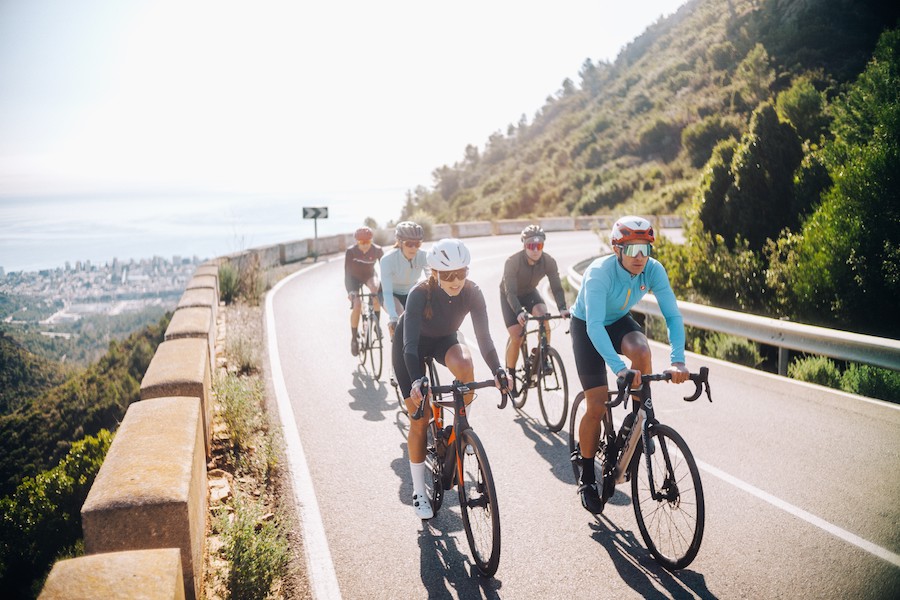
World-Class Cycling: The mountains of Alicante and Castellón are no longer a hidden secret. Every winter, the world’s elite professional cycling teams (including UAE Team Emirates and INEOS Grenadiers) set up training camps here. The smooth tarmac, challenging climbs like the Coll de Rates, and driver-respectful roads make it a paradise for amateur cyclists and weekend riders.
-
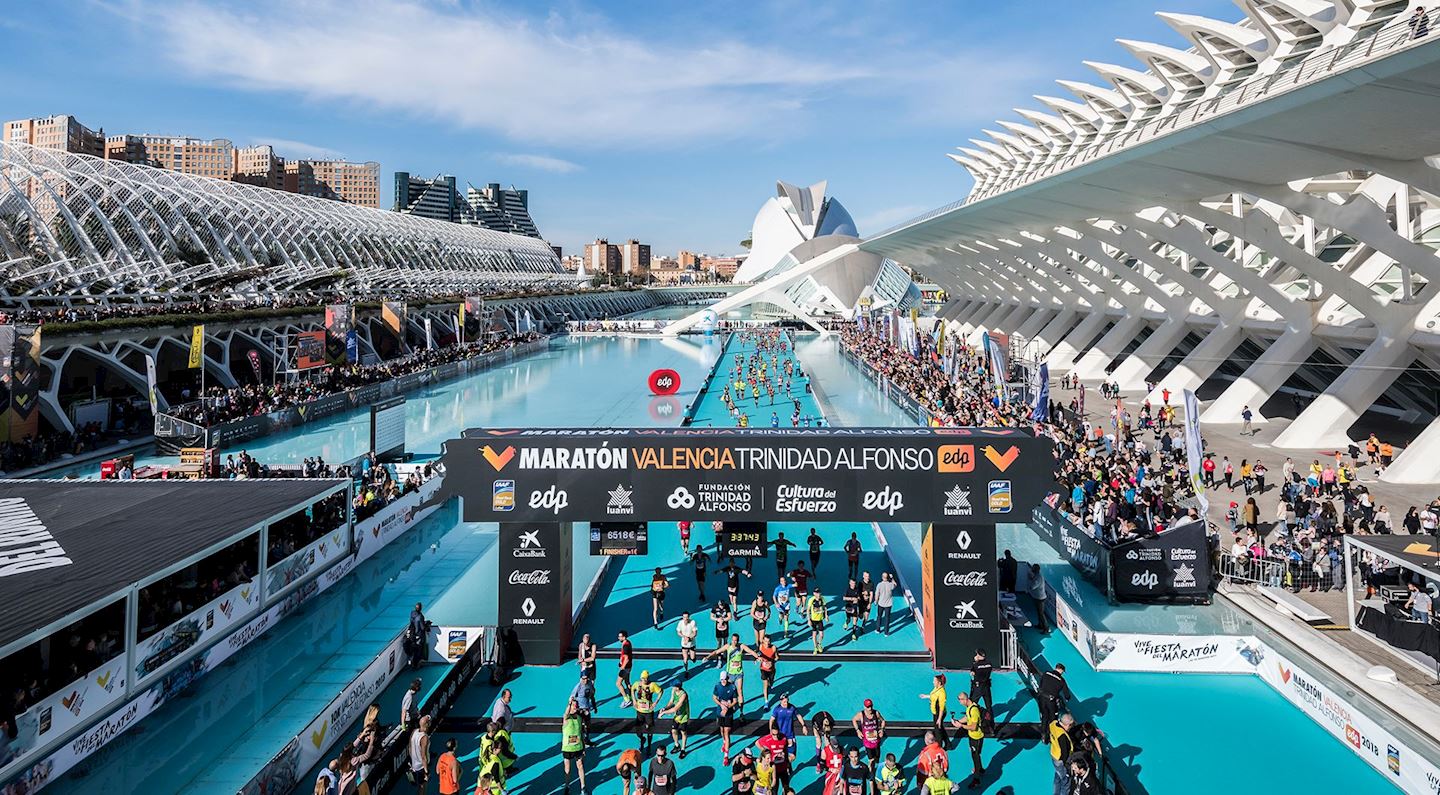
The Running Capital: Valencia city has firmly established itself as the "Ciudad del Running." Its flat terrain, combined with the spectacular Turia Gardens—a 9-kilometre diverted riverbed turned verdant linear park—features dedicated, cushioned running tracks that host the world-famous Valencia Marathon every December.
-
Nautical Excellence: With miles of Blue Flag beaches and thermal winds, towns like Dénia, Torrevieja, and Santa Pola have become major hubs for sailing, kitesurfing, paddleboarding, and open-water swimming.
Infrastructure: Not Just for Pros
What makes the region stand out for long-term residents and property owners is that this "sports boom" isn't just for elite athletes. Local town halls (ayuntamientos) across the region have heavily invested in public infrastructure.
Almost every medium-sized town now boasts a modern Polideportivo (municipal sports complex). For a fraction of the cost of a UK gym membership, residents gain access to Olympic-sized indoor and outdoor swimming pools, athletics tracks, and cheap Pádel courts—the fast-paced racket sport that has completely taken over Spanish social life.
The Impact on the Property Market
This shift toward health and wellness is directly influencing what buyers want and where they are investing:
1. The Rise of the "Active Hubs" Towns in the Marina Alta region, such as Xàbia (Jávea), Dénia, and Calpe, are seeing sustained demand from buyers who want immediate access to both hiking trails and marine reserves. Properties that feature secure bike storage, proximity to trailheads, or space for sports equipment are commanding a premium in the rental market.
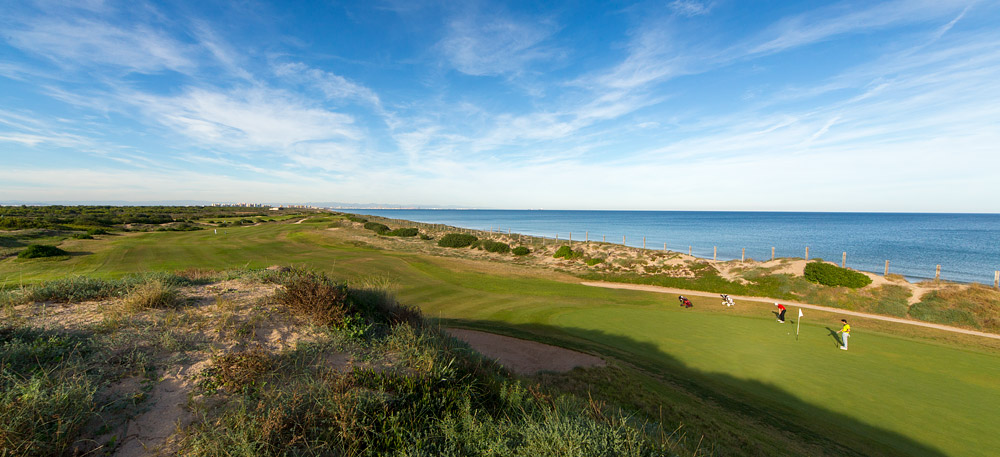
2. Golf and Resort Living The southern Alicante province remains a powerhouse for golf tourism, with world-class courses like Las Colinas, La Manga (just across the Murcia border), and Villamartín. Properties on these developments aren't just attracting golfers anymore; they are being rebranded as "wellness communities" featuring tennis academies, fitness centres, and yoga pavilions to cater to a broader demographic.
3. Year-Round Rental Income For property investors, the sports tourism boom helps solve the oldest problem in the book: the winter lull. While traditional beach tourists pack up in September, hikers, cyclists, and golfers arrive in droves from October through May. Owning a property tailored to these groups can effectively turn a 3-month summer rental into a 10-month income stream.
The EOS Verdict
The Valencia region is successfully proving that there is more to the Spanish lifestyle than just lounging by the pool with a sangria. Whether you want to take up golf in retirement, train for a triathlon, or simply enjoy a morning walk along a world-class promenade, the infrastructure here is designed to keep you moving.
Investing in an area that prioritises public health, green spaces, and sports facilities isn't just a win for your physical well-being—it’s a highly secure bet for your property's future value.
Are you an active expat in the Valencia region? Do you spend your time cycling the mountains or playing pádel at the local club? Tell us how the region's sports scene has changed your lifestyle on the EOS forums.
0
Like
Published at 12:43 AM Comments (0)
The Sweet Spot: Why May is the Best Value Month for a Spanish City Break
Friday, May 8, 2026
As the 2026 travel season swings into high gear, the debate over the "perfect" time to visit Spain’s iconic cities is heating up. While summer promises sun-drenched plazas and winter offers budget-friendly solace, savvy travellers are increasingly pointing to May as the ultimate "sweet spot" for value, weather, and authentic culture.
For the Eye on Spain community, understanding these seasonal shifts is key—not just for planning your own trips, but for advising friends and family who are inevitably eyeing a visit to your corner of the Mediterranean.
Why May Wins the 2026 Value Race
According to the latest travel analysis from iNews and European tourism boards, May 2026 is emerging as the premier month for a city escape. Here is why the "shoulder season" is outperforming the peak summer months:
-
The "Goldilocks" Climate: In cities like Seville, Madrid, and Córdoba, May temperatures hover around a pleasant 21°C to 24°C. This is ideal for walking tours and alfresco tapas. By contrast, July and August can see inland cities "shut down" as temperatures soar past 40°C, making sightseeing nearly impossible.
-
The Price Drop: Flight and hotel data for 2026 shows that mid-week stays in May are up to 30% cheaper than in July. You get the "summer vibe" without the "summer surcharge."
-
Daylight Dividends: With the sun setting around 9:00 PM, you have nearly the same amount of exploration time as in June, but without the suffocating humidity.
Destination Spotlight: The Value Winners
If you are looking to book a break this month, three cities are currently offering the best "bang for your Euro":
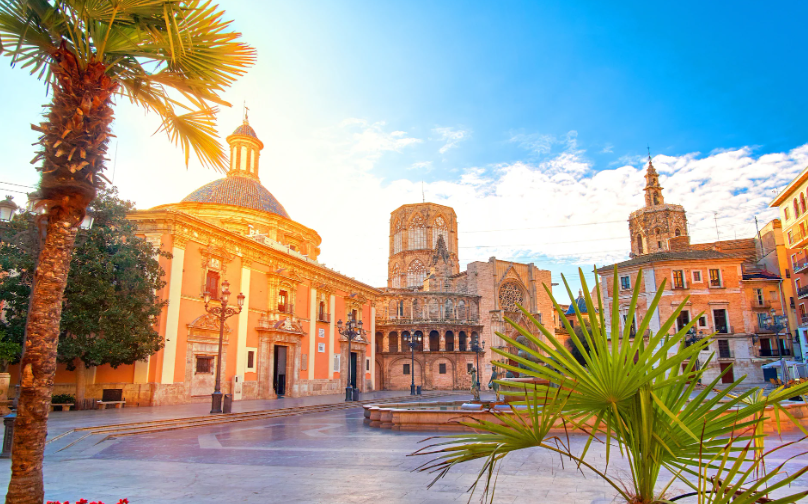
1. Valencia: The Modern Classic. While Barcelona remains a magnet for tourists, Valencia is proving to be its more affordable, laid-back cousin. In May, the Turia Gardens are in full bloom, and the city’s wide beaches are quiet enough for a peaceful stroll. Local "Menu del Día" prices remain significantly lower than in the Catalan capital, often including three courses and wine for under €15.
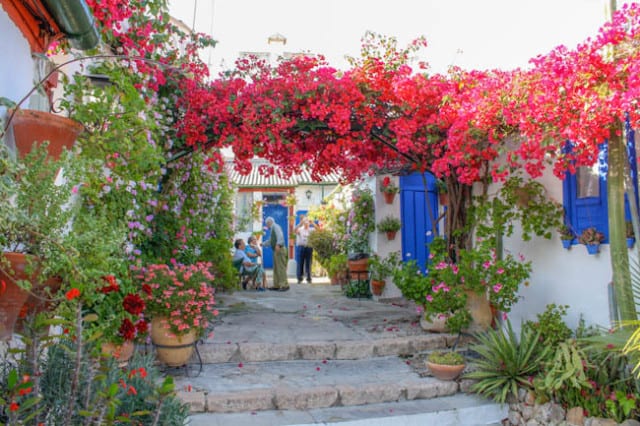
2. Córdoba: The City of Flowers. May is famously the month of the Patios Festival in Córdoba. While the city gets busy, the experience of seeing the historic Jewish Quarter draped in thousands of geraniums is unparalleled. Because it is a smaller city, your accommodation budget goes much further here than in nearby Seville
3. Madrid: Before the "Infierno" There is a local saying: "Nueve meses de invierno, tres de infierno" (Nine months of winter, three of hell). May is the brief window where Madrid is neither frozen nor baking. It’s the best time to visit the "Art Triangle" (Prado, Reina Sofía, Thyssen) before the massive summer queues form.
Top Tips for the EOS Community
If you’re hosting visitors or planning a quick getaway, keep these 2026 trends in mind:
-
Book the "Shoulder" of the Shoulder: The very first and last weeks of May typically offer even better rates than mid-month.
-
The Tuesday Trick: Data shows that flying on a Tuesday or Wednesday into Spanish hubs like Málaga or Alicante can save you up to €80 per person compared to Friday departures.
-
Watch the Holidays: Be aware of local bank holidays (like San Isidro in Madrid on May 15th). While they offer great cultural insight, hotel prices in the specific city will spike for that weekend.
The Verdict
The era of "Spain in July" being the default choice is fading. As flight costs and urban temperatures rise, the "Lovely May" strategy isn't just a lifestyle choice—it's a financial one. You get the best of Spanish culture, the best of the weather, and a significantly healthier bank balance.
Are you a fan of May travel, or do you prefer the quiet of the winter months? Tell us your favourite "secret" time to visit your favourite Spanish city on the EOS forums.
1
Like
Published at 3:53 PM Comments (0)
SPAIN CRACKS DOWN: 20,000 Holiday Rentals Axed in the Balearics as Government Declares War on Illegal Listings
Friday, February 20, 2026
PALMA DE MALLORCA – The Spanish government is celebrating a massive shift in the country's tourism landscape following a sharp decline in short-term holiday rentals. New data reveals that the Balearic Islands alone have seen nearly 20,000 tourist apartments removed from the market, marking a significant victory for local authorities in their ongoing battle against illegal holiday lets.
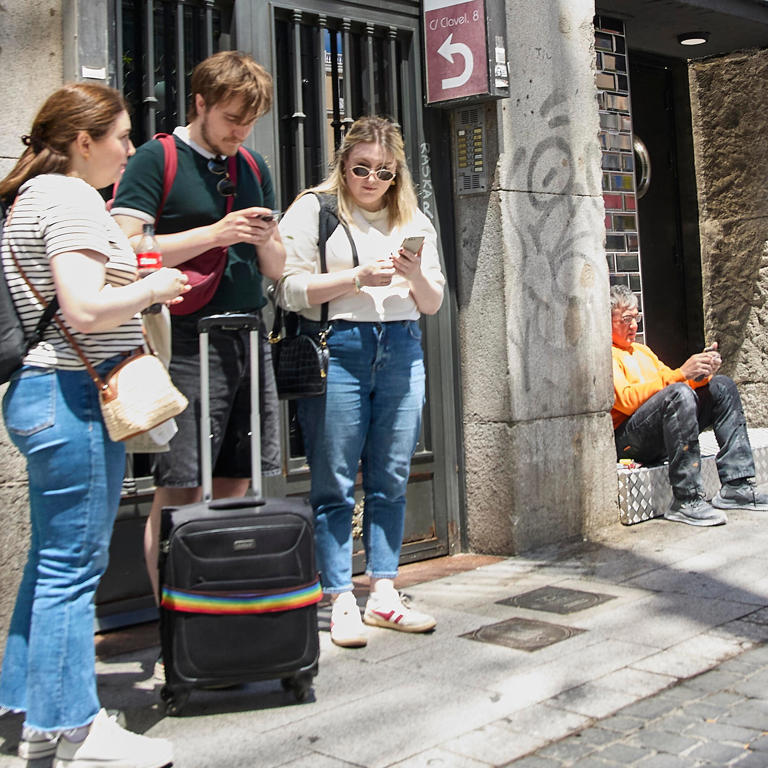
The Minister of Social Rights, Consumer Affairs and Agenda 2030, Pablo Bustinduy, hailed the figures as definitive proof that "regulation and intervention work." According to recent data from the National Statistics Institute (INE), the number of holiday flats marketed on digital platforms across Spain plummeted by 12.4% year-on-year by November 2025.
The End of "Illegal" Dominance
At a press conference following a Council of Ministers meeting, Bustinduy described the previous scale of unregulated holiday rentals as "absolutely inconceivable." He highlighted that the government’s aggressive legal stance has already forced major platforms like Airbnb to remove tens of thousands of listings.
The crackdown hasn't just been verbal; it has been financial. Last December, the Ministry imposed a staggering €64 million fine on a major rental platform for hosting illegal advertisements.
“We won in court on several occasions. Those advertisements have been removed,” Bustinduy celebrated, noting that the current supply of holiday homes is at its lowest level in three years.
Regional Impact: Winners and Losers
While Andalusia still leads Spain with over 91,000 tourist apartments, other regions have seen dramatic reductions:
-
Madrid: Saw the sharpest decline at -26%.
-
Valencia: Closely followed with a -25% drop.
-
Galicia: Experienced a -22.5% reduction.
-
The Balearics: Saw a -19.8% drop, bringing the total number of registered holiday flats down to 19,398.
In Palma, holiday rental properties are now technically banned, a move reflected in the dwindling numbers. The Ministry of Housing recently notified online platforms of an additional 86,275 illegal listings nationwide, demanding their immediate removal. These properties failed to secure the mandatory registration numbers required under the new laws that took effect in July 2025.
A Divided Public Opinion
The government's "celebration" is met with mixed reactions from the public and industry experts. Supporters of the crackdown argue that the reduction in tourist flats will help alleviate Spain’s housing crisis and lower rental prices for residents.
However, some critics warn of a "double whammy." Critics suggest that reducing the supply of holiday rentals gives hotels more power to hike prices, potentially making the islands less accessible to middle-class travellers.
As of February 2026, the Spanish government shows no signs of slowing down. With a single national register now in place and European regulations tightening, the era of the "unregulated" Spanish holiday let appears to be coming to a definitive end.
1
Like
Published at 10:52 PM Comments (0)
Public holidays in Spain in 2026
Friday, December 12, 2025
Spain celebrates a number of national public holidays every year and, in addition, most regions have their own. In fact, many individual towns have separate public holidays – usually on the day of their specific patron saint on the Catholic calendar. Some public holidays are on the same date every year, but others change annually.
You should be aware that, on a public holiday, nearly all shops and businesses will be closed. Exceptions include petrol stations, emergency services, most bars and restaurants, and some 24-hour or late-opening supermarkets in tourist districts.

Spain will have seven national holidays on weekdays in 2026. Photo: Canva
If a national public holiday falls on a Saturday or Sunday, it is not moved to the nearest weekday, meaning it is effectively missed out on. Non-national holidays may be moved to the nearest weekday if the regional government in question decides to do so. Sometimes, if two or more public holidays are very close to each other or to the nearest weekend, certain businesses and some public sector services will also close on the days in between. This is known as a puente, which translates as 'bridge'.
Here are the official dates for Spain's public holidays in 2026.
National public holidays in 2026
Many of Spain's national holidays are observed elsewhere in the world, and usually on the same date. Some, though, are unique to Spain. This year's national holidays are:
Like most countries, Spain takes New Year's Day as a national holiday. It is referred to as El Día del Año Nuevo.
The Epiphany, or the 12th day of Christmas, is a national holiday in Spain, and is known as Los Reyes ('The Kings'). Tradition dictates that the Three Wise Men from the biblical Nativity story – referred to in Spain as the Three Kings – deliver presents to children on the night of January 5; the following day is then a day of rest.
In 2026, Good Friday falls on April 3, and is the one of the biggest days of Easter week. As well as being a national holiday, it's a time when beautiful, moving parades take to the streets to depict the biblical story of the crucifixion of Jesus Christ.
Even in years when it falls on a weekend, May 1 is a holiday in Spain for Labour Day, or El Día del Trabajador ('Day of the Worker'). This coming year, as it falls on a Thursday, the workers it is designed to commemorate will get the day off.
Celebrated in many countries with a Catholic tradition, August 15 is known as 'Day of the Assumption' (Día de la Asunción). It commemorates the date when, according to the Christian bible, Jesus Christ's mother, the Virgin Mary, went up to heaven. Although not many parts of Spain hold celebrations specifically in the name of the Assumption, the summer months are key festival time throughout the country, so you may well find processions and activities taking place on or around this public holiday anyway.
Read more at thinkSPAIN.com
4
Like
Published at 7:37 PM Comments (0)
Helpless in the Face of History’s Worst Animal Pandemic: African Swine Fever Strikes Spain
Friday, December 5, 2025
Madrid — The scenario that Spanish authorities have feared for over thirty years has become a reality. African Swine Fever (ASF)—often described as "viral Ebola for pigs"—has broken out in Spain, ending the country’s three-decade status as a disease-free sanctuary for the pork industry.

The outbreak, confirmed on December 3, 2025, has sent shockwaves through the global agricultural sector. Spain is not just another producer; it is the European Union’s largest pork producer and the second-largest exporter in the world, an industry valued at over €8.8 billion. Now, that economic engine is facing an existential threat against which modern science currently has no defence.
The "Sandwich" Theory: How it Began
The epicentre of the outbreak is the Collserola Natural Park, on the outskirts of Barcelona. According to investigations led by the Catalan government and communicated by Spain's Ministry of Agriculture, the virus did not arrive via herd migration or trade. Instead, it likely arrived via a "hypothetical sandwich."
Experts believe the virus made a single, catastrophic jump from an infected country to Barcelona inside a processed meat product—likely a sausage or ham sandwich discarded by a traveller or truck driver. This contaminated waste ended up in a trash can or on the ground, where it was scavenged by wild boars, the primary vector for the disease.
As of this week, nine wild boars have been found dead in the area, their bodies testing positive for the hemorrhagic virus. While no domestic pigs have yet been infected, the proximity of these cases to Catalonia’s dense pig-farming region—responsible for 40% of Spain’s pork production—has triggered a "Code Red" response.
Despite being the "worst animal pandemic in history," there is currently no effective vaccine for African Swine Fever.
The virus (Asfivirus) is a biological tank. It is exceptionally large and complex, containing nearly 200 genes—20 times more than the coronavirus responsible for COVID-19. It does not induce neutralising antibodies, making it similar to HIV in its ability to evade the immune system.
Current containment strategies are brutal and primitive:
-
Mass Culling: If the virus breaches a farm, every single animal must be slaughtered.
-
Military Deployment: The Military Emergency Unit (UME) has been deployed to Collserola to disinfect the terrain and hunt wild boars.
-
Drones and Snipers: Surveillance drones are monitoring the movement of boar sounders to prevent them from spreading the virus to nearby farms.
Previous attempts at vaccines have failed tragically. A recent trial in Vietnam was suspended after vaccinated pigs began dying. The only barrier left is biosecurity—fences, hygiene, and luck.
The Economic Precipice
The stakes for Spain could not be higher. In a country where pigs strictly outnumber people (54 million pigs vs. 49 million humans), pork is often referred to as "Spanish olive oil"—a national treasure and a massive economic driver.
The markets have already reacted. China, the destination for 42% of Spain's pork exports, has immediately halted imports from the Barcelona province. While the rest of Spain is currently allowed to continue exporting under "regionalisation" agreements, confidence is shaken. If the virus spreads outside Catalonia, a total embargo could cost the Spanish economy billions and devastate rural communities.
A War on Two Fronts
Spain is now fighting a war on two fronts. On the ground, veterinarians and soldiers are scouring the forests of Catalonia, hoping to encircle the outbreak before it reaches a commercial farm. In the labs, scientists are racing against time to crack the genetic code of a virus that has baffled researchers for 50 years.
For now, the world watches and waits, hoping that a discarded sandwich in Barcelona does not mark the beginning of the end for the global gold standard of ham.
1
Like
Published at 6:06 PM Comments (1)
Spain Sweltered With Hottest Summer on Record
Friday, September 26, 2025
Spain has confirmed that this past summer was the hottest on record for the southern European nation, underscoring the severe impact of climate change across the Mediterranean region.
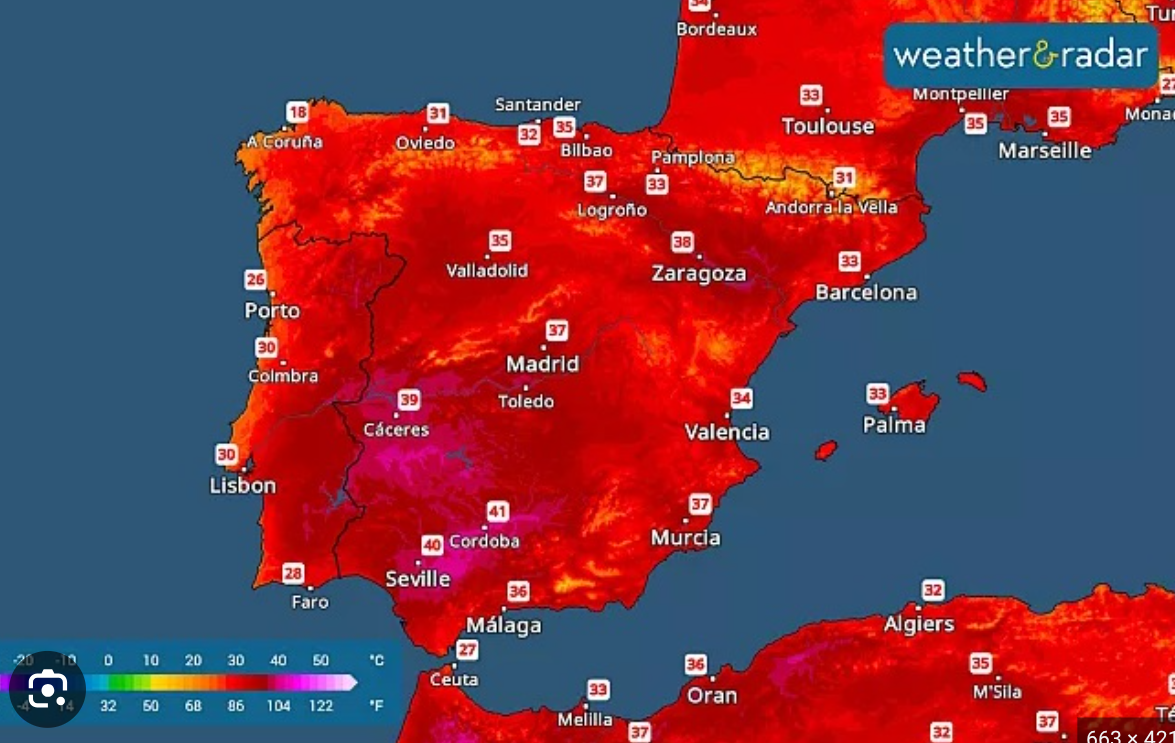
According to Spain's national weather service, the country registered an average temperature of 24.2°C (75.5°F) between June 1 and August 31. This figure is the highest since record-keeping began in 1961, narrowly exceeding the previous record of 24.1°C set in the summer of 2022. The summer was also notably warmer, registering 2.1 degrees Celsius (3.7°F) hotter than the national average recorded between 1991 and 2020.
Heatwaves and Unprecedented Wildfires
The scorching temperatures peaked on August 17, when the highest single-day temperature was recorded at 45.8°C (119.3°F) in Jerez de la Frontera, located in southern Spain, during a fierce heat wave.
The relentless heat and corresponding drought had devastating effects on the Spanish countryside, fueling a record-breaking fire season. According to data compiled by the European Union's European Forest Fire Information System (EFFIS), an unprecedented 382,000 hectares (944,000 acres) were burned in wildfires. This surpasses the previous high of 306,000 hectares burned in 2022. The weather service noted that the summer was particularly dry, especially in the northwest areas where the wildfire damage was most severe.
The Mediterranean—A Climate Change Hotspot
Spain's extreme summer is a grim indicator of a broader regional crisis. Data from the United Nations shows that the Mediterranean region is currently heating up 20% faster than the global average. The dramatic weather shift poses long-term challenges to the economy, agriculture, and public health of all nations bordering the sea.
As Spain continues to grapple with these environmental extremes, the record-breaking summer highlights the urgent need for robust climate change mitigation and adaptation strategies across the European Union.
1
Like
Published at 10:55 PM Comments (0)
Spain’s Retail Culture Shifts to Accommodate British Expats
Saturday, September 6, 2025
In parts of Spain with sizeable British expat populations, a noticeable shift in shop opening hours is underway. Local businesses, particularly in popular coastal towns, are increasingly adopting a continuous 9 a.m. to 5 p.m. schedule, moving away from Spain’s traditional split working day.

This trend is a direct response to a simple economic reality: businesses are adapting to cater to British customers, who are accustomed to continuous daytime trading hours. In areas like Alicante, Málaga, Granada, and the Costa Blanca, where British residents make up a significant portion of the local population, businesses are seeing the benefit of aligning their hours with the habits of retirees, remote workers, and tourists from the UK.
For many years, Spain’s retail culture has been defined by the jornada partida, or split working day. This rhythm involves a long midday break, often from 2 p.m. to 5 p.m., with shops reopening late into the evening. This schedule reflects the country’s climate, lifestyle, and family-centered culture. However, supermarkets, hardware stores, and veterinary clinics are among the businesses now trialing uninterrupted hours to boost sales and provide convenience to their foreign clientele.
The owner of a veterinary clinic in Granada explained the decision by noting that they were able to serve more of their predominantly British, retired clients by remaining open from 9 a.m. to 5 p.m. without a midday break. The change not only increases potential sales but can also reduce costs, such as staff travel or extended breaks. Furthermore, it can distribute foot traffic more evenly throughout the day, reducing late-evening congestion.
The benefits extend to staff as well, as a continuous workday can avoid the fatigue of late closing times and better align with international working patterns.
However, this shift is not without its critics. Some argue that the trend risks eroding Spain’s distinctive cultural identity. The siesta and the split working day are not merely traditions but practical responses to the country’s hot climate. By adopting a more northern European model, businesses may be sidelining practices that support family life and community rhythms. For Spanish employees, continuous hours can clash with established family mealtimes and childcare arrangements, and businesses risk alienating local customers who still prefer evening shopping.
While some analysts suggest that younger Spaniards are also moving towards uninterrupted workdays, indicating a broader modernisation trend, the influence of expat communities is undeniable. For British residents, the change is largely welcomed as a sign of integration. However, it also raises concerns among others who fear that too much adaptation could create “little Britains” along the Spanish coast, where expat needs overshadow local customs.
Ultimately, the rise of the 9-to-5 schedule in expat-heavy areas of Spain highlights the delicate balance between economic opportunity and cultural preservation. For business owners, the question remains whether staying open through the afternoon brings more sales and customer satisfaction or if it risks losing a part of what makes Spanish life unique.
2
Like
Published at 6:57 AM Comments (1)
Christmas Markets You Must Visit in Spain
Thursday, December 19, 2024
As the festive season approaches, there's nothing quite like the charm of Christmas markets to get you into the holiday spirit. Spain, with its rich traditions and vibrant culture, offers some of the most enchanting Christmas markets. Here's a roundup of the best Christmas markets in major Spanish cities like Madrid, Barcelona, and Seville.
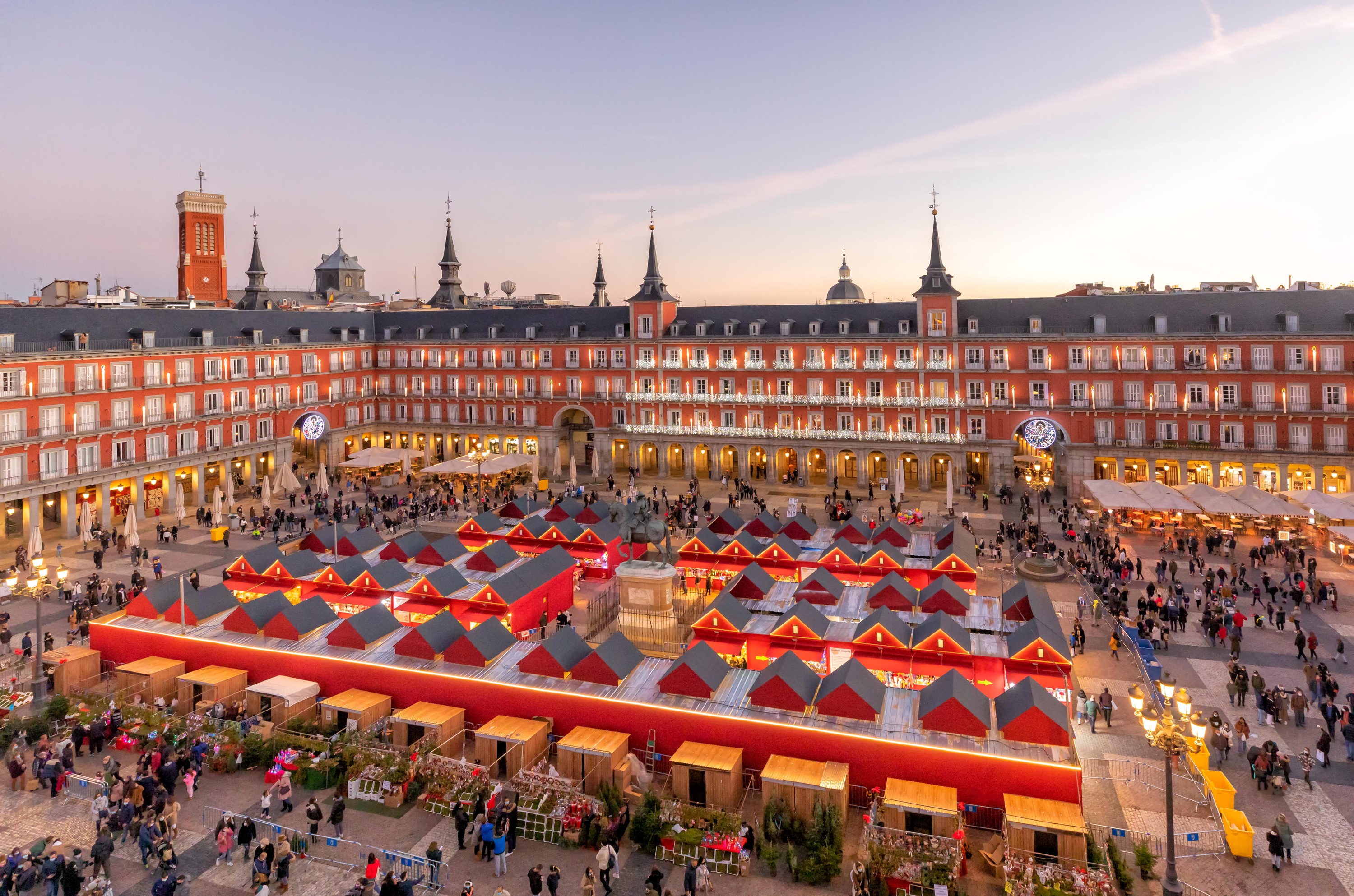
Madrid: Mercado de Navidad de la Plaza Mayor
Overview
Nestled in the heart of Madrid, the Plaza Mayor Christmas Market is an annual tradition that dates back to the 17th century. This iconic market transforms the historic square into a winter wonderland, complete with twinkling lights, festive decorations, and a bustling atmosphere.
Highlights
- Artisan Goods: Explore over 100 stalls offering a variety of handmade crafts, ornaments, and nativity scene figures.
- Gastronomy: Indulge in traditional Spanish treats like turrón (nougat), marzipan, and churros with hot chocolate.
- Entertainment: Enjoy live performances, carol singing, and children’s activities that add to the festive cheer.
Dates
Late November to December 31st
Barcelona: Fira de Santa Llúcia
Overview
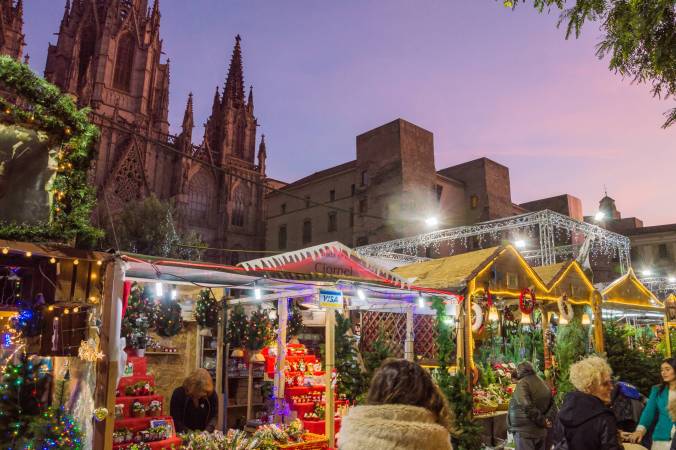
The Fira de Santa Llúcia, one of Barcelona's oldest Christmas markets, dates back to 1786. Located just in front of the city’s Gothic Cathedral, this market is a must-visit for anyone wanting to experience the magic of a Catalonian Christmas.
Highlights
- Nativity Scenes: Discover an array of nativity scene figures, known locally as "pessebres," which are a key feature of the market.
- Handcrafted Gifts: Shop for handmade decorations, jewelry, and gifts crafted by local artisans.
- Traditional Exhibits: Explore the “Caganer” figures, a unique Catalonian tradition, along with "Tió de Nadal" logs.
Dates
Late November to December 23rd
Seville: Feria del Belén
Overview
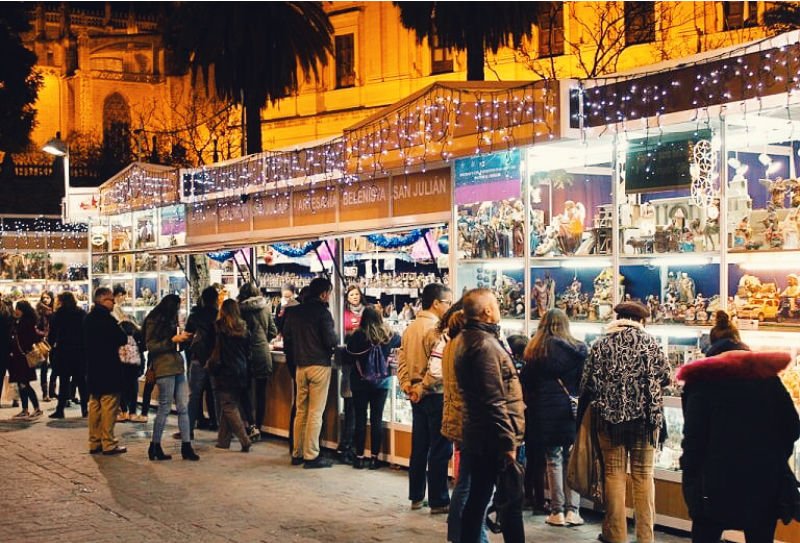
Seville’s Feria del Belén is a market dedicated to nativity scenes and Christmas decorations. Situated near the iconic Cathedral and the Giralda, it offers visitors a unique glimpse into Andalusian festive traditions.
Highlights
- Nativity Accessories: The market specializes in figures and accessories for elaborate nativity scenes, including miniature landscapes and intricate details.
- Local Crafts: Browse an assortment of handcrafted items, from ceramics to textiles, reflecting Seville's artistic heritage.
- Festive Atmosphere: Experience Andalusian Christmas traditions with vibrant decor and a lively atmosphere.
Dates
Late November to December 23rd
Other Notable Markets
Valencia: Mercado de Navidad en la Ciudad de las Artes y las Ciencias
- Modern and Traditional: Set against the backdrop of Valencia’s futuristic City of Arts and Sciences, this market blends contemporary architecture with traditional Christmas spirit.
- Family Fun: Enjoy ice skating, a giant Ferris wheel, and workshops for children.
Málaga: Mercado de Navidad en el Paseo del Parque
- Seaside Celebration: Located along Málaga’s scenic Paseo del Parque, this market features beautiful light displays and a variety of stalls.
- Cuisine: Savor Andalusian delicacies and Christmas sweets, accompanied by live music and performances.
Spain’s Christmas markets are steeped in tradition and brimming with festive cheer. Whether you're exploring the historic Plaza Mayor in Madrid, the Gothic surroundings of Barcelona’s Fira de Santa Llúcia, or the nativity-focused Feria del Belén in Seville, each market offers a unique and enchanting experience. So grab a warm coat, immerse yourself in the festive atmosphere, and discover the magic of Christmas in Spain.
Tips for Visitors
- Timing: Visit the markets in the evening to enjoy the lights and festive atmosphere.
- Local Treats: Don’t miss out on trying traditional Spanish Christmas treats.
- Stay Warm: Although Spain enjoys mild winters, it's best to dress warmly to fully enjoy the outdoor markets.
May your holiday season be filled with joy, and may your visits to Spain’s Christmas markets be a highlight of your festive celebrations!
3
Like
Published at 6:05 PM Comments (1)
2021 Best city in Europe to retire to
Friday, May 28, 2021

Retirement is a long-awaited and important period for most people, it is also the moment in one's life when one may make the decision to move abroad to enjoy life to the fullest, especially if certain creature comforts such as good weather are not that common in one's home country.
It goes without saying that the country in which you decide to retire will determine the quality of life you will enjoy especially if you wish to move to a capital city. A recent study carried out by Audley Village, a property builder and manager in the British retirement property industry, has analysed the retirement age, state pension schemes and health status of 37 OECD (Organisation for Economic Co-operation and Development) countries and their respective capitals to discover where the best conditions for retirement reside. Among the best places to retire in 2021, Madrid has come out on top with the best quality of life.
Spain also tops the list of countries of best places to retire, largely because it has the second-longest period of retirement, averaging 22 years, and one of the longest life expectancy rates, almost 84 years. Spain is also among the top 10 countries to retire to in terms of pensions, with an average pension equivalent to 83.4% of pre-retirement income. What's more, the country also has the best levels of health, an indicator that analyses health risks, availability of drinking water, malnutrition and causes of death according to Audley Village.
Falling behind Spain are countries such as Greece, Austria, Italy and Luxembourg, with an average retirement age below 63, and an average life expectancy above 82. Meanwhile, in Italy, Luxembourg and in Austria, the replacement rate reaches 90%, in Spain, it remains at 84%.
As far as capital cities are concerned, Madrid was confirmed as the leading capital city to retire to, with the best standard of living for retirees so why not consider retiring in the European city with the best quality of life?
1
Like
Published at 12:29 PM Comments (0)
Spam post or Abuse? Please let us know
|
|