Stay informed, stay legal, and enjoy Spain without worrying. As we move through 2026, the rules for non-residents in Spain are being monitored with unprecedented precision. With the EU’s Entry/Exit System (EES) now fully operational at Spanish borders, the days of "flying under the radar" with passport stamps are over.
If you are a Spanish property owner, a digital nomad, or a frequent visitor from a non-EU country (like the UK, USA, or Canada), understanding the difference between the "90/180 rule" and the "183-day rule" is critical to avoiding fines, tax bills, or entry bans.
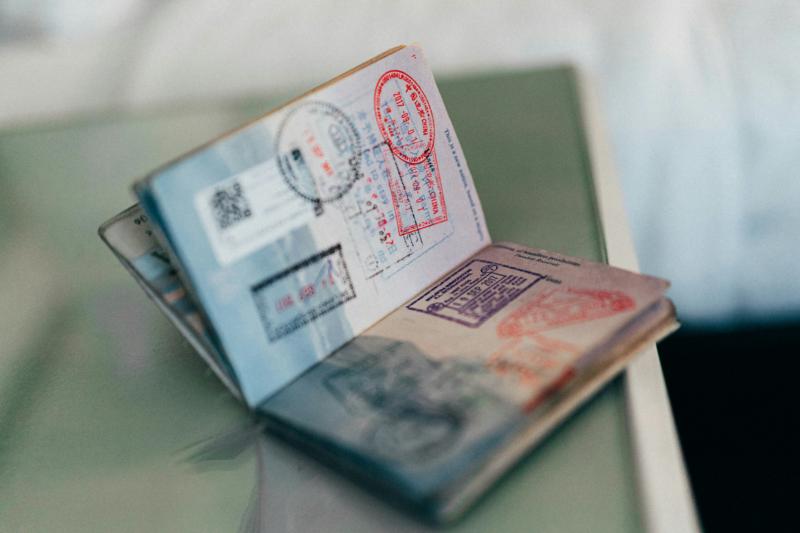 The EU’s Entry/Exit System (EES) is now fully operational at Spanish borders, the days of passport stamps are over. Photo: Unsplash
Here is everything you need to know about staying in Spain without residency in 2026, whether it be a short stay or a long stay. This is what you need to know:
What is the 90/180 rule in Spain?
The 90–day rule in Spain is the maximum time non-EU/EEA visitors can stay without a visa: You can stay in Spain for a maximum of 90 days within any rolling 180-day period. The 90 days apply to the entire Schengen Area, not per country.
It is vital to understand that this is a rolling window, not a calendar year. You cannot simply reset your days on January 1st. To check if you are legal to enter or stay today, you must count back 180 days. If you have already spent 90 days in the Schengen Area (Spain plus countries like France, Portugal, Italy, etc.) during that window, you must leave, even if you own a property.
Who needs to comply with the 90/180-day rule in Spain?
This rule applies to citizens of "third countries" (non-EU/EEA).
EU, EEA, and Swiss citizens are not subject to the 90/180-day rule. They do not need a visa to enter Spain, and their passports are not stamped.
However, "free movement" has its own administrative milestones:
- The 90-day "Free stay": EU citizens can stay in Spain for up to 90 days with just their national ID or passport. During this time, they have no obligation to register with the authorities.
- The requirement to register (NIE): If an EU citizen intends to stay in Spain for longer than 90 days, they are legally required to register at the Central Register of Foreigners. Upon registration, they receive a "Green Certificate" (often called the Certificado de Registro de la Unión Europea). To find out more and see the requirements, read our article: How to get a NIE Number in Spain.
How can I avoid violating the 90-day rule in Spain?
In 2026, avoiding a violation requires careful calculation because the new EES biometric border scanners calculate your stay to the exact second.
- Use a Calculator App: Do not rely on mental math. Use a "Schengen Calculator" app to track your days.
- Plan ahead: Remember that the 90-day limit applies to the entire Schengen Zone, not just Spain. A weekend in Paris counts toward your allowance for your Spanish villa.
- Leave a buffer: Never plan to leave on day 90. Strikes, flight cancellations, or illness could force you to overstay, and the automated border gates are not lenient.
Note: With the ETIAS (European Travel Information and Authorisation System) set to launch later this year, ensure you have your travel authorisation sorted before booking flights for late 2026.
What happens if you stay in Spain for more than 90 days?
Read more at thinkSPAIN.com