When British expats and winter visitors spend December in Spain, festive tables quickly become a glorious overload of almond nougat (turrón), marzipan, polvorones, and mantecados. Yet up in Aragón—from the Pyrenean foothills to the streets of Zaragoza—one particular crunch steals the spotlight: guirlache.
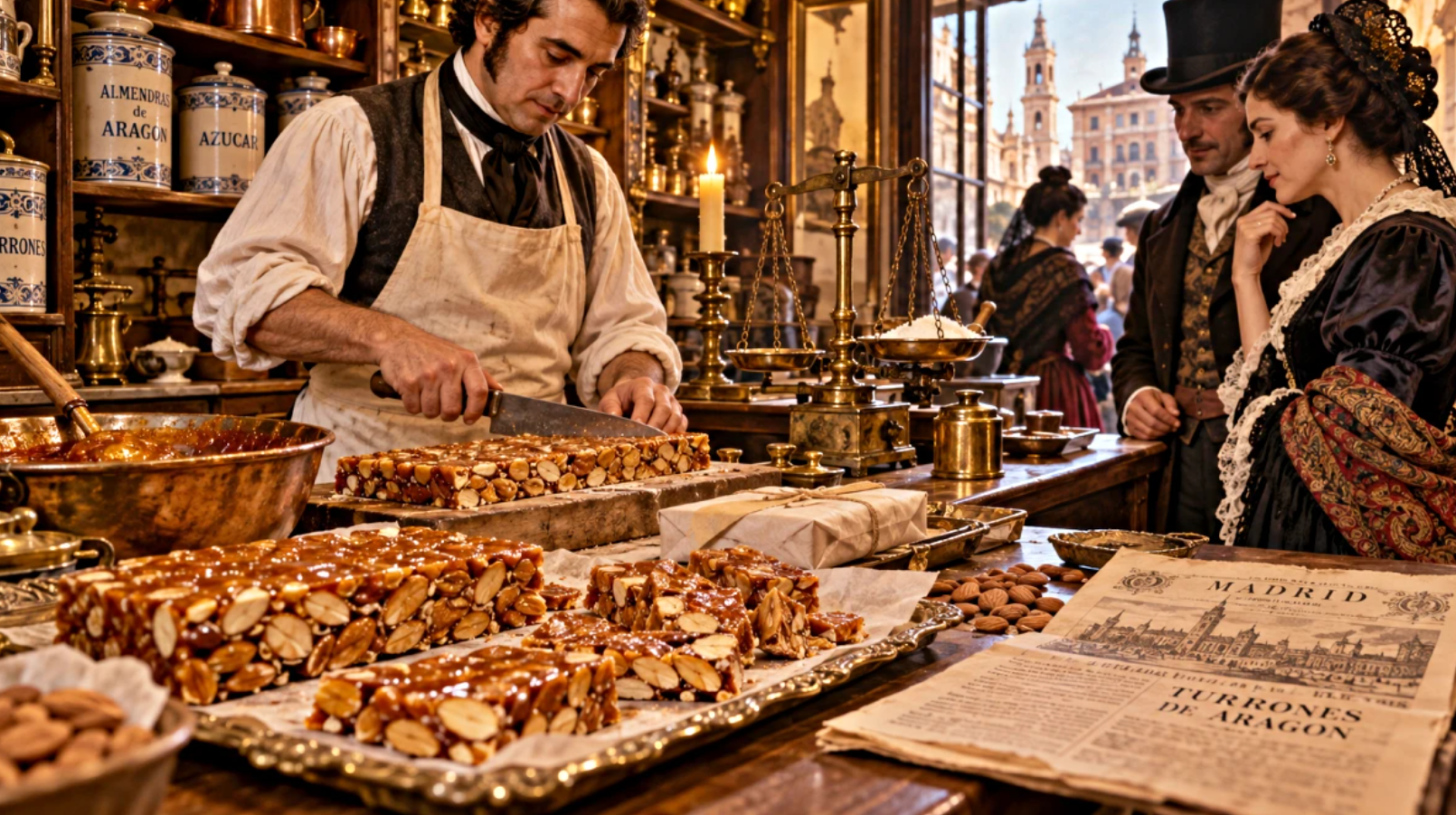
While it shares the seasonal stage with classic turrón, guirlache has a character all its own. It is glossy, amber-brown, unapologetically crisp, and built on a remarkably short list of humble pantry staples—making it just as rewarding to make at home as it is to pick up from an artisanal pastry shop (pastelería).
From French Grillage to Aragonese Tradition
Although the exact birthplace and date of guirlache are lost to history, its roots are firmly tied to Aragón and date back centuries. According to the Instituto Cervantes, the word guirlache derives from the French term grillage, referring to a roasted treat.
Documented traces stretch back to the 18th and 19th centuries:
-
1747: Juan de la Mata described a similar confection in his treatise Arte de la repostería.
-
22 December 1817: An advertisement in the Diario de Madrid promoted turrones made in Zaragoza, listing guirlache among them.
-
19th Century: Pre-Christmas newspaper adverts in Madrid and Barcelona helped spread the sweet beyond Aragón, cementing its status as a seasonal staple across Spain.
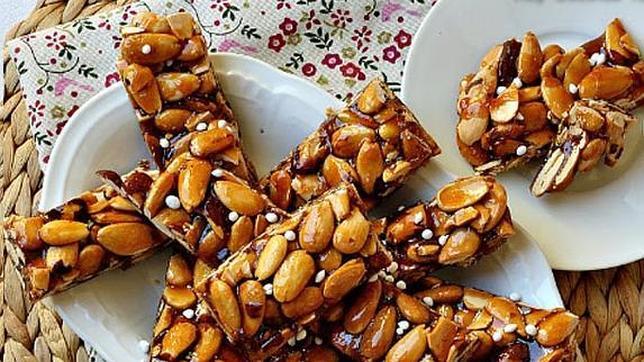
Today, quality guirlache produced under the Government of Aragón’s C'alial quality mark uses whole, peeled, lightly toasted almonds—specifically approved varieties such as largueta desmayo, marcona, belona, and soleta—often finished with aniseed sugar-coated dragees (grageas de anís or anisetes), with honey optional.
The Shopping List (Serves 6–8)
You can pull together a batch of homemade guirlache in roughly an hour (about 5 minutes prep, 25–30 minutes cooking, and 30 minutes cooling) using budget-friendly staples:
-
200g raw, peeled almonds (almendras crudas y peladas — marcona or largueta work brilliantly)
-
160g white sugar (azúcar)
-
40g honey (miel)
-
2 tsp lemon juice (zumo de limón)
-
Aniseed confectionery dragees (anisetes de confitería), to taste
-
A few drops of sunflower oil (aceite de girasol) for greasing
Step-by-Step Preparation
-
Toast the Almonds: Preheat your oven to 160°C. Spread the almonds evenly on a baking tray lined with baking parchment and toast for 5 to 10 minutes, keeping a close eye on them so they turn a light golden hue without burning. Remove and set aside so they stay warm.
-
Prep Your Surface First: Line a heatproof tray with baking parchment and lightly grease it with a few drops of sunflower oil. Having your landing zone ready before you start the caramel is essential—once caramel is ready, it moves fast.
-
Make the Caramel: Combine the sugar, honey, and lemon juice in a heavy-based saucepan over medium-low heat. Warm gently until the sugar dissolves and turns a rich amber colour, watching the temperature carefully so it doesn't scorch and turn bitter.
-
Coat the Almonds: Once the caramel reaches the right point, stir in the toasted almonds gently until every nut is coated. Take the pan off the heat.
-
Spread and Scatter: Pour the mixture onto your lined tray and spread it out with a heatproof spatula into an even sheet. Scatter the anisetes over the top before the caramel sets.
-
Score and Cool: Once the slab has lost some of its initial heat—while it is still workable rather than rock-hard—use a sturdy knife to score or cut it into small bars or rectangles. Leave it to cool completely until firm and crisp, then serve.
Kitchen Pro-Tip: Never touch or taste molten caramel while it is hot—it reaches extreme temperatures and causes severe burns. Once cool, store your bars in an airtight container in a cool, dry spot, separating layers with baking parchment to stop them sticking together and protect that crisp snap from humidity.
Whether you prefer your festive sweets soft and almond-rich or hard, snappy, and caramel-coated, Aragón’s winter treats bring serious crunch to the table.