Water Bottles - Are they Clean?
Tuesday, September 8, 2026
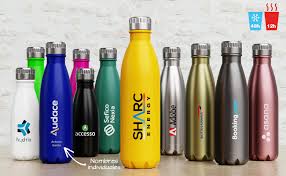 If you simply rinse your water bottle before re-filling it, you could end up with a severe tummy upset from drinking contaminated water. If you simply rinse your water bottle before re-filling it, you could end up with a severe tummy upset from drinking contaminated water.
So says Dr Francisco Guillen, professor of Preventive Medicine and Public health at Navarra University.
[Flashbay]
 In drinking direct from a re-usable water bottle, we inadvertently introduce micro-organisms from our mouths into the receptacle. In drinking direct from a re-usable water bottle, we inadvertently introduce micro-organisms from our mouths into the receptacle.
The bacteria can include streptococcus, actinomyces, neisseria or rothia and can lead to an unpleasant bout of gastro-entiritis.
streptococcus [CDC]
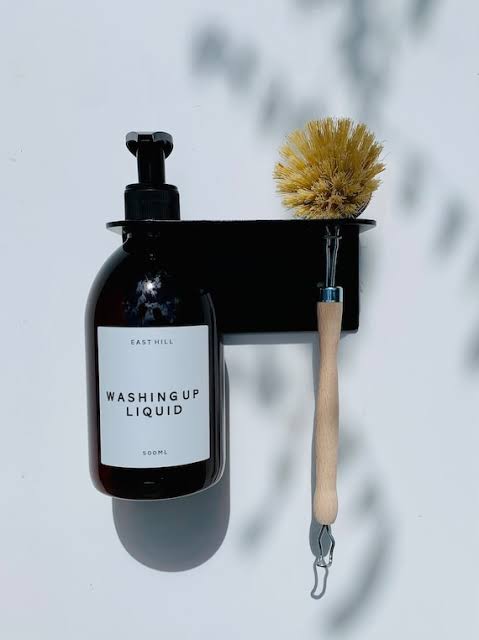 So, it's essential to wash out the bottle with washing-up liquid, using a bottle brush and plenty of elbow grease. So, it's essential to wash out the bottle with washing-up liquid, using a bottle brush and plenty of elbow grease.
It's also important to pay attention to the screw top, the thread and drinking straws if used.
If your bottle is used for tea, coffee or juice, it's even harder to clean out the residues, so extra effort is needed.
[Etsy]
© The Merry Tippler MMXXVI
Pictures:
CDC, Etsy, Flashbay
Thanks:
Francisco Guillen, Paul Whitelock (translations), Silvia Osorio, SUR,
Tags:
actinomyces, bacteria, CDC, Etsy, Flashbay, Francisco Guillen, micro-organisms, neisseria, Paul Whitelock, rothia, Silvia Osorio, streptococcus, SUR
 0
Like
Published at 7:11 AM Comments (0)
0
Like
Published at 7:11 AM Comments (0)
Spanish Wine
Saturday, April 25, 2026
 Time was, when I was younger, Spanish wines had a bad reputation. In the UK, the Netherlands and Germany they were the cheapest on the market and in France - well, they had their own fine Bordeaux and Burgundy wines, as well as excellent vins de pays. Time was, when I was younger, Spanish wines had a bad reputation. In the UK, the Netherlands and Germany they were the cheapest on the market and in France - well, they had their own fine Bordeaux and Burgundy wines, as well as excellent vins de pays.
[FontSpace]
Preamble
Nowadays, the opposite is the case. Spain continues to offload its banal and indifferent quality wines to the UK, Germany and elsewhere, but the country now produces top quality red wines from Ribera del Duero and Rioja, and dry, refreshing whites from Cadiz, Galicia and Valencia.
A relatively 'new kid on the block' is Ronda (Malaga) where many wines in the area have gained the coveted denominacion de origen (= appellation controlee) of Sierras de Malaga.
Pioneers
The first to get off the ground was Friedrich Schatz, originally from Baden-Wuerttemberg in Germany, also an important wine region.
Others followed from other parts of Spain and Europe, including Austria and Switzerland, when it was realised that the soil and climate were very conducive to wine-making. Now there are some 25 bodegas in the Serrania de Ronda, most of which have gained DO status, unfortunately with a price tag to match.
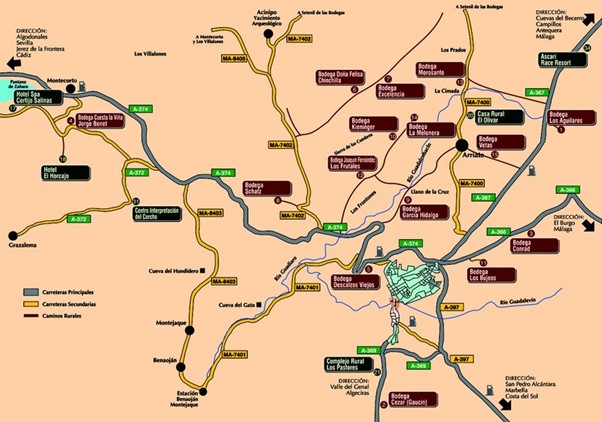
[Map courtesy of Karl Smallman, Secret Serrania]

Cheaper wines are produced in areas such as Campo de Borja, Cataluña and even Valdepeñas and represent good quality.
The wine expert Andrew J Linn has singled out a 2024 Borsao (Campo de Borja) at around € 5.50 per bottle, as representing the best quality-price ratio in the world.
In a recent SUR in English Linn tells of a young female wine-maker from the north of Spain who has moved to Ronda and transformed the wine-making process at one of the area's top wineries.
[correo del vino]
Julia Losantos at Bodega Doña Felisa
 Originally from Burgos Losantos has joined the bodega which produces the well-known Chinchilla wines, and has embarked on a subtle revolution. Originally from Burgos Losantos has joined the bodega which produces the well-known Chinchilla wines, and has embarked on a subtle revolution.
A second-generation winemaker she has inherited her parents' pioneering spirit while combining that with a contemporary approach. Her philosophy is that Andalucia can rival any European wine region in elegance, complexity and freshness.
[VinoTEC]
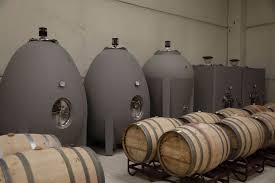 That said, she believes that a vineyard must be managed with ecological awareness and supported by modern wine-making techniques. One change she has made, based on the use of qvevri - large clay amphorae - originating from Armenia and Georgia some 8,000 years ago, has inspired interest from other wine-makers. That said, she believes that a vineyard must be managed with ecological awareness and supported by modern wine-making techniques. One change she has made, based on the use of qvevri - large clay amphorae - originating from Armenia and Georgia some 8,000 years ago, has inspired interest from other wine-makers.
[SUR in English]
A Personal Note
I live in Ronda, within a stone's throw of several vineyards, including Doña Felisa, Friedrich Schatz, Gonzalo Beltran, Joaquin Fernandez, Kieninger and relative newcomer Badman. They all have the DO classification, so their wines are very good quality but therefore, sadly, too expensive for this OAP.
Links:
Days of (Ronda) Wine… and Roses - Secret Serrania de Ronda
Kilómetro 26 - Help me, Ronda
Ronda Wines - Are they any good?
© The Merry Tippler
Pictures:
correo del vino, FontSpace, Karl Smallman, SUR in English, VinoTEC
Thanks:
Andrew J Linn, Paul Whitelock, SUR in English
Tags:
amphorae, Andrew J Linn, AC, appellation controlee, Badman, Cadiz, Chinchilla, correo del vino, DO, denominacion de origen, Doña Felisa, ecological awareness, FontSpace, Friedrich Schatz, Galicia, Gonzala Beltran, Joaquin Fernandez, Julia Losantos, Karl Smallman, Kieninger, modern wine-making techniques, Paul Whitelock, qvevri, Ribera del Duero, Rioja, Ronda, Sierras de Malaga, SUR in English, Valencia, VinoTEC
2
Like
Published at 3:30 PM Comments (0)
Plastic
Sunday, March 29, 2026
I can remember a time in Spain when refilling a branded whisky, gin or rum with a cheaper version was normal practice in bars. You could always tell, because the bottle on the shelf was grubby as hell, from being used and re-used for a long time. For those customers in the know, there was a genuine bottle kept under the counter for them.
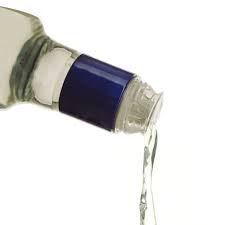 Then, one day, it all changed. Bottles acquired a dosificador, that little plastic insert through which the licquor was poured. The dosificador was difficult to remove, putting an end to the sharp practice described above. Then, one day, it all changed. Bottles acquired a dosificador, that little plastic insert through which the licquor was poured. The dosificador was difficult to remove, putting an end to the sharp practice described above.
Now, Diageo, one of the biggest alcoholic drinks suppliers in the world, with brands like Johnny Walker Whisky, Tanqueray Gin and Bacardi Rum, have announced they are phasing out the little plastic gizmo for eco-friendly reasons. Apparently the company generates a ton of these plastic inserts per year.
[alcodisonline.es]
They actually announced their intentions at the start of 2025, but the initiative has been slow to get off the ground. Now, however, they are no longer distributing bottles with the dosificador fitted.
The question is: will unscrupulous bar owners start the old practice all over again?
We need to be vigilant!
Footnote:
Talking of plastic and spirits bottles, if you buy "duty-free" on an aeroplane, the whisky, gin, rum and brandy, etc, will be in a plastic bottle for obvious reasons. However. that doesn't explain why the bottle of Gordon's Gin in my drinks cabinet is in a plastic bottle - I bought it locally in a drinks outlet in Ronda. Oh well ..... !
© The Merry Tippler
Pictures:
alcodisonline.es,
Sources:
Diageo, Paul Whitelock, Wikipedia
Tags:
alcodisonline.es, Bacardi Rum, Diageo, dosificador, Gordon's Gin, Johnny Walker Whisky, Paul Whitelock, Tanqueray Gin, The Merry Tippler, Wikipedia
0
Like
Published at 6:50 PM Comments (1)
"Last night of the 'Pons'!"
Tuesday, January 20, 2026
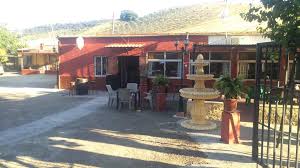 What a good title for this short piece! What a good title for this short piece!
"Pons" is the Latin for "bridge", in Spanish"puente".
And last night, Monday January 20th, was the last night of Venta El Puente .....
..... not for ever, of course.
[Facebook]
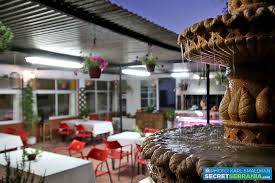 The family that runs "The Bridge" is taking a well-earned break. Two weeks. Dad Manolo said: The family that runs "The Bridge" is taking a well-earned break. Two weeks. Dad Manolo said:
"We're not going away, we're simply having a rest!"
When asked why they weren't off to Tenerife or somewhere else warm, the portly paterfamilias responded with a twinkle in his eye:
"Keep it to yourself, but maybe I shall nip off somewhere on my own .....!"
[Karl Smallman]
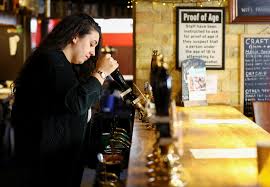 This is interesting. In the UK and other countries of northern Europe, the pubs never close for holidays; they don't even have rest days. This is interesting. In the UK and other countries of northern Europe, the pubs never close for holidays; they don't even have rest days.
They make use of staff rotas to cover the long opening hours and if the landlord, landlady or pub manager wants to go on holiday with their family, relief staff take over in order to maintain the status quo.
[Reuters]
Last night
So, I arrived around 8.45 pm, expecting it to be packed. There were just two locals at the bar, until shortly aterwards a young couple and child arrived.
There were nearly more staff than customers.
The family's publicity, ie word of mouth, clearly hadn't worked.
© The Merry Tippler
Pictures:
Facebook, Karl Smallman, Reuters
Thanks:
Paul Whitelock, Venta El Puente
Tags:
Facebook, Karl Smallman, landlady, landlord, paterfamilias, Paul Whitelock, pub manager, Reuters, Tenerife, The Merry Tippler, Venta El Puente
0
Like
Published at 9:30 AM Comments (0)
"Things Can Only Get Better!"
Monday, January 19, 2026
 This 1994 hit by "D:Ream" was chosen by the Labour Party as their campaign song for the 1997 general election in the UK, which resulted in a landslide victory for Tony Blair and "New Labour". This 1994 hit by "D:Ream" was chosen by the Labour Party as their campaign song for the 1997 general election in the UK, which resulted in a landslide victory for Tony Blair and "New Labour".
[BBC]
I've used it here as an appropriate title for this article about the current sad state of hosteleria in the area where I live near Ronda.
 It all started when the Ronda Valley Hotel (formerly known as The Don Benito) suddenly shut its doors in early December. It all started when the Ronda Valley Hotel (formerly known as The Don Benito) suddenly shut its doors in early December.
We already knew it had been sold, but we did not expect this sudden closure.
[LinkedIn]
What to do?
We already knew that the Hotel Molino del Puente was going to be shut for the winter and La Perla Blanca had changed hands and didn't have the correct permit for non-staying-guests to use the bar.
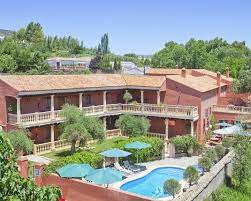 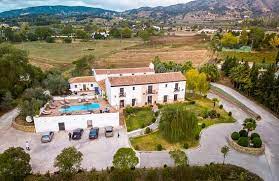
Hotel Molino del Puente [KAYAK] Hotel La Perla Blanca [PB]
All the other places were a bit of a drive away and didn't open every day; some didn't do evenings.
"Things can only get better!"
Today is Monday January 19th, 2026. I described earlier the situation we have been exposed to over the Christmas / New Year / "Reyes" period, and it's set to get worse before it gets better.
Venta el Puente closes after tonight for two weeks staff / family holiday, so there'll be even fewer options for a drink.
After that, at last, "things" start to "get better"!
The Ronda Valley Hotel / Don Benito is scheduled to re-open in mid- February ..... as the "Don Miguel".
Hotel Molino del Puente / Restaurante La Cascada are due to re-open for Valentine's Day, February 14th, after their three-month winter closure.
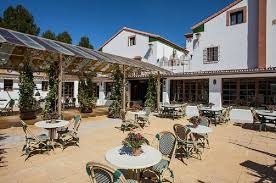 
The new Don Miguel [Paul Whitelock] The family at Rte. La Cascada / Htl. Molino del Puente [HMP]
Hotel Molino del Santo in Benaojan Estacion also.
Bar Stop, re-incarnated as Bar Ankanita, is back in the hands of Anita and her family, and re-opened last week after undergoing a "makeover".
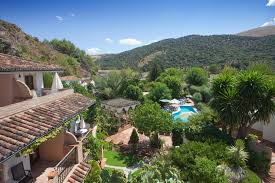 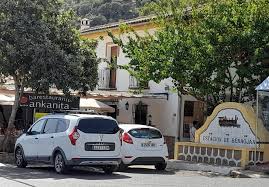
Molino del Santo [booking.com] Bar Ankanita [Paul Whitelock]
Asador El Muelle in Benaojan Estacion continues as before, as does namesake .....
El Muelle de Arriate under the inspired leadership of Dutchman Frank Rottgering.
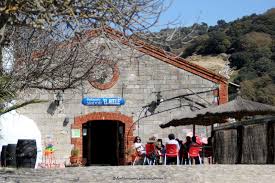 
Asador El Muelle [Karl Smallman] El Muelle de Arriate [Secret Serrania]
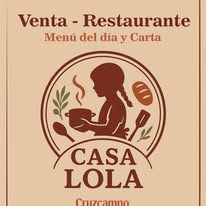 Casa Lola, recently opened in the premises of Las Banderas, is at your service from 12.00 - 18.00 for drinks, snacks and lunch daily except Wednesdays and Thursdays. Casa Lola, recently opened in the premises of Las Banderas, is at your service from 12.00 - 18.00 for drinks, snacks and lunch daily except Wednesdays and Thursdays.
Local celebrity chef Alberto and his wife Samantha are "mine hosts".
[Facebook]
"Things" are definitely getting "Better!"
 So, just as I've been prevailed upon by several doctors to finally give up alcohol for my health (I'm a Type 2 diabetic), everywhere's going to be open again! So, just as I've been prevailed upon by several doctors to finally give up alcohol for my health (I'm a Type 2 diabetic), everywhere's going to be open again!
What irony!
Oh well, I'll have to drink cerveza "sin" or tonica cero.
[PACE Hospitals]
I'm currently carrying out taste tests. Best non-alcohol beers to date are Victoria "sin" tostada and El Aguila 0,0 sin filtrar.
Results of my full taste test coming soon .....
Links
D:Ream - Things Can Only Get Better (1993) (Official Video)
© The Merry Tippler
Pictures:
Booking.com, BBC, Facebook, Hotel Molino del Puente, Karl Smallman, KAYAK, LinkedIn, PACE Hospitals, Paul Whitelock, Secret Serrania, Trip Advisor
Thanks:
Facebook, Paul Whitelock, Wikipedia
Tags:
1997 general election, Booking.com, BBC, D:Ream, Facebook, Hotel Molino del Puente, Karl Smallman, KAYAK, Labour, LinkedIn, New Labour, PACE Hospitals, Paul Whitelock, Secret Serrania, The Merry Tippler, "Things Can Only Get Better!", Tony Blair, Trip Advisor
2
Like
Published at 7:41 AM Comments (0)
Ronda Wines - Are they any good?
Saturday, October 11, 2025
There are some 25 bodegas in the area in and around Ronda (Malaga).
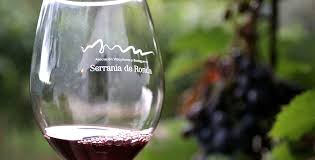 I've lived in the City of the Tajo for 17 years and I've watched as Ronda wines have established themselves, improved and gained a reputation for quality. In addition new vines have been planted in soil that is very conducive to winemaking. I've lived in the City of the Tajo for 17 years and I've watched as Ronda wines have established themselves, improved and gained a reputation for quality. In addition new vines have been planted in soil that is very conducive to winemaking.
[Photo: Milamores Ronda]
Most of the Ronda bodegas have attained denominacion de origen status - equivalent to appellation controlee in France.
A personal view
I've visited most of the bodegas - in fact, I live a stone's throw from ten of them - and enjoy many of the wines they produce.
So, back to my question. Are they really any good?
 I ask because I've just acquired a copy of a National Geographic "Special" devoted entirely to wine tourism in Spain, and Ronda wines do not feature. I ask because I've just acquired a copy of a National Geographic "Special" devoted entirely to wine tourism in Spain, and Ronda wines do not feature.
This respected publication covers 20 wine-producing areas BUT NOT RONDA!
I enjoyed reading about these other wine-producing areas, and the photos are stunning, but I still don't understand why Ronda was omitted. Other decent wine-producing areas from Central Spain were also not covered.
[Front cover courtesy of El Correo del Vino]
Perhaps the bodegas have to pay to be included, and Ronda didn't want to "stump up"!
Epilogue
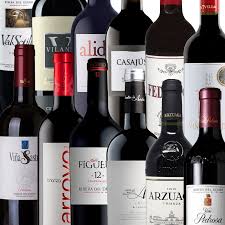 I like wine with food and I know a little bit about Spanish wine. I like wine with food and I know a little bit about Spanish wine.
Ronda wines are good, but they are expensive and therefore not suitable for daily consumption (at least, not for an old age pensioner like me!)
I'll stick with my Ribera del Duero, Valdepeñas, Campo de Borja and Alboriño. All between 2 and 3 euros a bottle and perfectly drinkable.
[Image: VinosRibera.com]
© The Merry Tippler
Links:
Days of (Ronda) Wine… and Roses - Secret Serrania de Ronda
Kilómetro 26 - Help me, Ronda
Images:
El Correo del Vino, Milamores Ronda, VinosRibera.com,
Tags:
appellation controlee, bodega, City of the Tajo, denominacion de origen, El Correo del Vino, Malaga, Milamores Ronda, Ronda, VinosRibera.com, www.help-me-ronda.com, www.secretserrania.com
3
Like
Published at 8:48 PM Comments (0)
Drinking by numbers
Wednesday, October 30, 2024
By The Merry Tippler
Thursday, 31 October, 2024
0,0; 1; 7; 10; 12; 18; 42; 43; 51; 56; 60; 70; 80; 103; 108; 501; 1615; 1866; 1885; 1888; 1895; 1906; and 1925
My alter ego, Joe King, wrote this back in March, but I think it fits better in this blog. Please enjoy the article - and, perhaps, some of the drinks.

Photo courtesy of YouTube
A surprising number of drinks, alcoholic and non-alcoholic, have a number in their name. From cerveza 0,0 (sin) via 7-UP lemonade to 1925 lager.
Here’s a light-hearted look at all the ones I can think of, mainly Spanish products, but also from the Caribbean, Chile, France, New Zealand, North America, Peru and Scotland.
0,0
This is cerveza sin, ie beer without alcohol. These days, I guess all European brewers have this disgusting product in their repertoire. I hate the aftertaste, and the higher price, compared to beer WITH alcohol.
No. 1
Pimms No. 1, to be precise. Only for posh people in England, I reckon, although I have tried it and like it and I am NOT posh.
7
I guess we’ve all drunk 7-UP in our time. Produced by US giant PepsiCo, it’s similar to rival Coca Cola’s Sprite, a lemonade.

But they are not equivalent. When my son was very young, he was diagnosed with ADHD (Attention Deficit Hyperactive Disorder), which caused him to lack concentration, to be anti-social and naughty. Our specialist informed us that it was a condition that was made worse by chemical additives in food and drink – E numbers.
By cutting out these colourings and additives from his diet, combined with brain exercises, we managed to hold the condition in check, until it largely disappeared in adulthood.
So, the only drinks possible for Tom as a child and a teenager were water, milk and 7-UP! which, back then, was advertised as containing no added preservatives. Sprite, on the other hand, is riddled with these “poisons”.
This caused a a problem whenever we came to Spain, as the Spanish regard the two drinks as equivalents. If the bar or restaurant sold Pepsi products, no problem, but if the establishment was contracted to Coca Cola, they just served Sprite.
Try explaining to a Spanish waiter about ADHD, at least back at the end of the 20th century. It’s 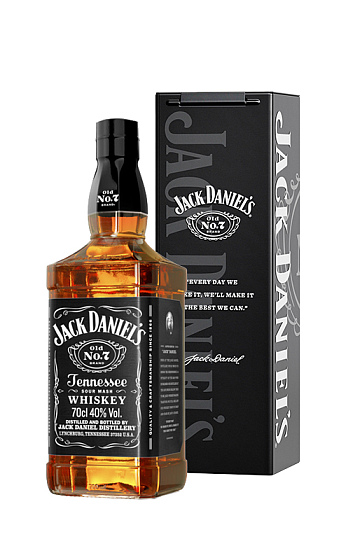 a bit like trying to explain that vegans eat no animal products, yet they still used to serve my vegan stepson, Johannes, salads with tuna and boiled egg. a bit like trying to explain that vegans eat no animal products, yet they still used to serve my vegan stepson, Johannes, salads with tuna and boiled egg.
No. 7 is also a whiskey from the Jack Daniels stable in Tennessee (USA).
10; 12; 18
These numbers refer to the years a whisky is allowed to mature before release. I spotted an 18-year old single malt in a local wholesalers priced at 800-and-something euros a bottle!
42
42 Below is a vodka from New Zealand.
43
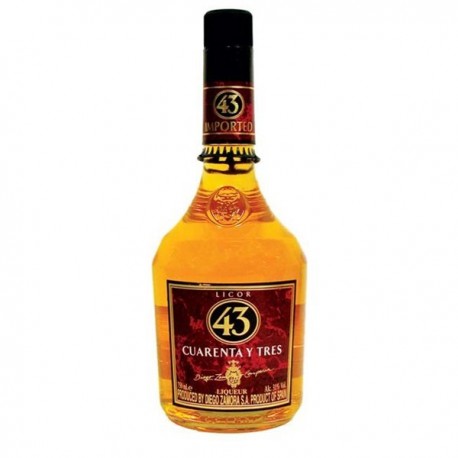 Cuarenta y tres is a Spanish liqueur with 43 natural ingredients which is produced in Cartagena (Murcia). I’ve never tried it, but it is everywhere. Cuarenta y tres is a Spanish liqueur with 43 natural ingredients which is produced in Cartagena (Murcia). I’ve never tried it, but it is everywhere.
When I was a student living in Spain, my fellow female students used to like it. (I think it’s a girlie drink – am I allowed to say that?)
51
This number has been chosen for two completely different spirits from two different countries.
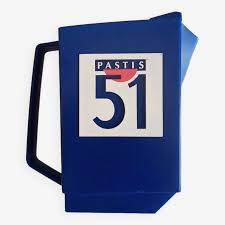
Firstly, it is a pastis, an anis-based aperitif from France. Distilled by the French company Pernod of Marseille, it refers to the alcoholic strength of this yellow-green liquid.
I must confess to a liking for “un pastis”, a small amount of the spirit topped up with water.
But I haven’t had one since the last time I was in France, some dozen years ago.
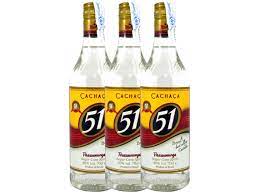 51 is also the name of a cachaça, a distilled spirit made from fermented sugarcane juice, originating from Madeira but transferred to Brazil. It is widely available in Spain. I’ve never tried it, and probably never shall. 51 is also the name of a cachaça, a distilled spirit made from fermented sugarcane juice, originating from Madeira but transferred to Brazil. It is widely available in Spain. I’ve never tried it, and probably never shall.
56
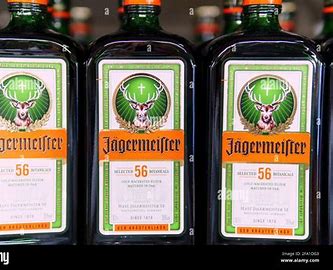 Jägermeister is a German digestif made with 56 herbs and spices. Developed in 1934 by Wilhelm and Curt Mast, originally vinegar manufacturers, it has an alcohol by volume (ABV) of 35%. Jägermeister is a German digestif made with 56 herbs and spices. Developed in 1934 by Wilhelm and Curt Mast, originally vinegar manufacturers, it has an alcohol by volume (ABV) of 35%.
The recipe has not changed since its creation and continues to be sold in its signature green glass bottle. It is the flagship product of Mast-Jägermeister SE, headquartered in Wolfenbuettel, Germany.
I always have a bottle in my drinks cabinet, although I haven’t personally drunk it since I was in my twenties.
60, 70 and 80 Shilling
These are generic names for types of ale produced by many breweries in Scotland. The 'shilling' designation refers to the amount of duty paid on different strength beers. The higher the number, the stronger the beer.
Types include:
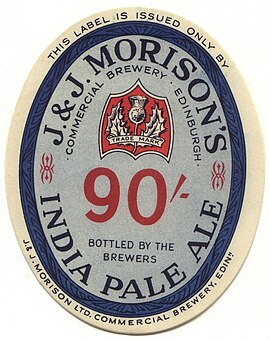 Scottish Light (60 Shilling): Although rare, this style is experiencing a bit of a renaissance. It’s often only available in casks. These beers are weaker, sweeter, and darker than modern-day English beers. Scottish Light (60 Shilling): Although rare, this style is experiencing a bit of a renaissance. It’s often only available in casks. These beers are weaker, sweeter, and darker than modern-day English beers.
Scottish Heavy (70 Shilling): Also known as Scottish Heavy, this beer falls into the same category. It shares characteristics with the Scottish Light but has a slightly higher gravity. These beers are clean, malty, and finish dry, with occasional hints of peaty earthiness (smoke).
Scottish Export (80 Shilling): The Scottish Export is richer and stronger than the previous two. It boasts a deep amber colour, moderate bitterness, and a clean, neutral finish.
In summary, these Scottish ales are malt-forward, low in hops, and distinct from their English counterparts. Their unique flavours and historical context make them a delightful choice for beer enthusiasts.
103
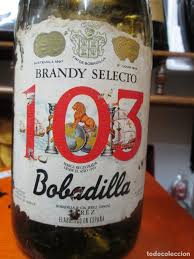
Ciento tres is an economy coñac (brandy) in Spain, distilled from sherry by the Osborne group in Jerez de La Frontera (Cádiz). That too is available everywhere in Spain, like Guinness is in the UK and Ireland.
108
This is a non-alcoholic drink made by Seedlip. So, not for me!
1615; 1866; 1885; 1895; 1906; 1925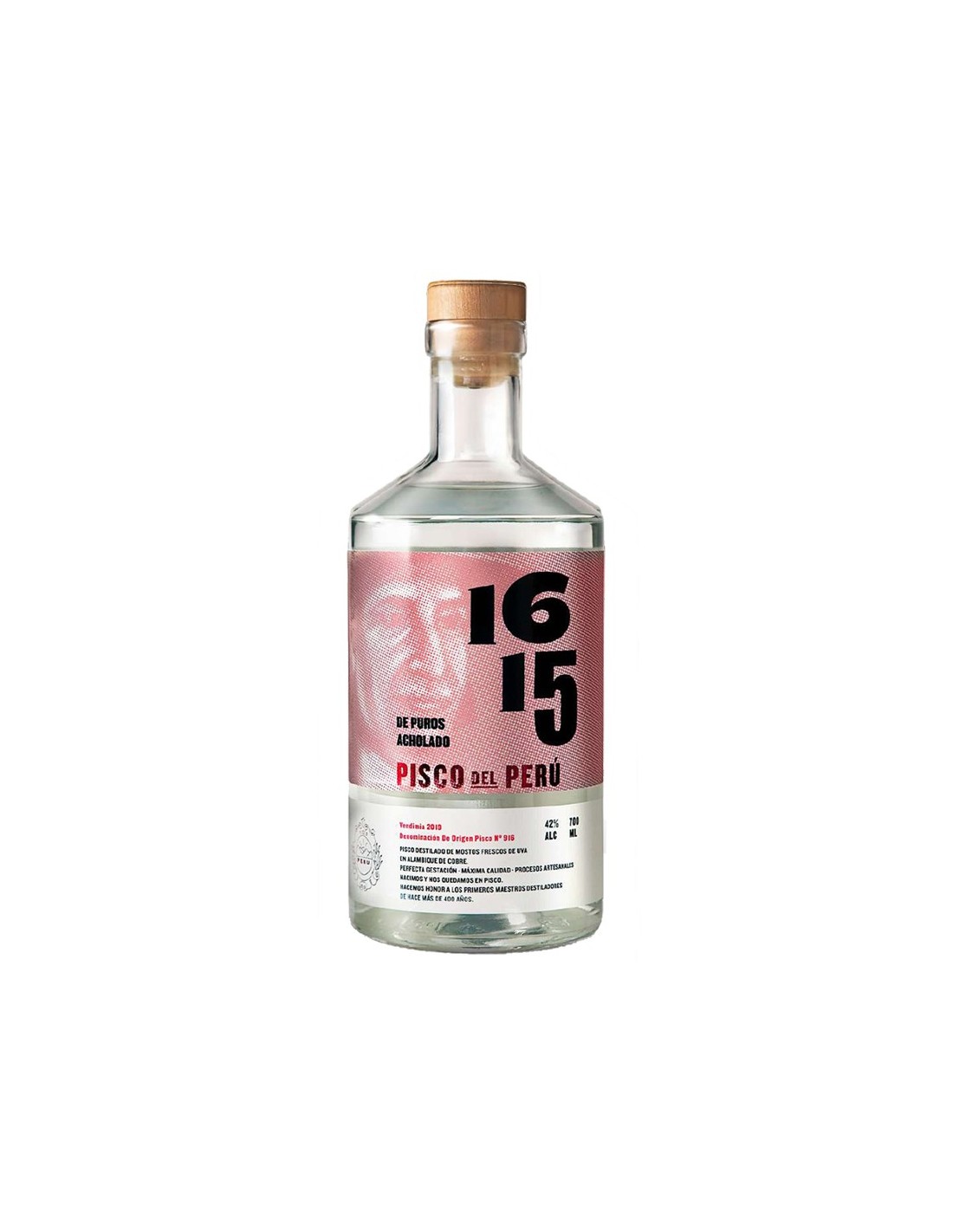
These are all alcoholic drinks that bear the date of first manufacture.
Pisco 1615 is a colourless or yellowish-to-amber-coloured spirit produced in winemaking regions of Peru and Chile. Made by distilling fermented grape juice into a high-proof spirit, it was developed by 16th-century Spanish settlers as an alternative to orujo, a pomace brandy that was being imported from Spain.
1866 is a premium brandy from sherry producer Osborne in Jerez de La Frontera (Cádiz).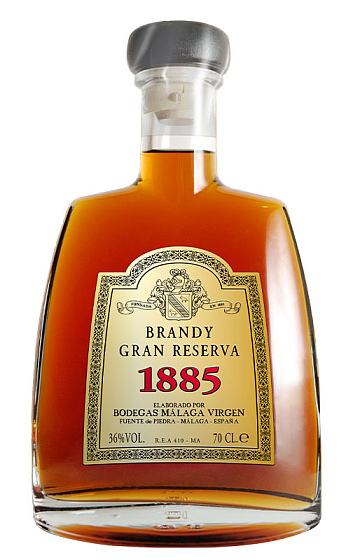
1885 is another premium brandy produced in Málaga by distilling DO Málaga wines. A bottle costs a mere 129 euros!
1888 is a premium rum distilled in the Dominican Republic by the company Brugal. Also out of my price range.
1895 is a whiskey from Jack Daniels of Tennessee (USA).
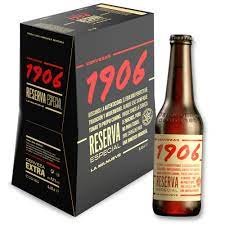 1906 appears on the labels on bottles and cans of a premium lager brewed by Estrella Galicia, up in the northwest of Spain. It refers to the year the brewery was established in La Coruña. A lovely drink. 1906 appears on the labels on bottles and cans of a premium lager brewed by Estrella Galicia, up in the northwest of Spain. It refers to the year the brewery was established in La Coruña. A lovely drink.
1925 is the date which appears on a premium lager from the Alhambra brewery in Granada and is the year that the factory opened there. That too is a very drinkable beer.
© Joe King
Acknowledgements:
Cervezas Alhambra (Granada)
Coca Cola
Estrella Galicia (La Coruña)
Osborne (Jerez de la Frontera)
PepsiCo
Pernod
Wikipedia
YouTube
Tags:
7, 7-UP, 42, 43, 51, 60, 60 shilling, 70 shilling, 80 shilling, 103, 1906, 1925, ale, Alhambra, beer, brandy, Brazil, cachaça, cerveza, Chile, Coca Cola, coñac, duty, Estrella Galicia, Gonzalez Byass, Granada, Jack Daniels, Jerez de la Frontera, Joe King, La Coruña, lager, Madeira, Marseille, New Zealand, orujo, pastis, PepsiCo, Pernod, Peru, Tennessee, whiskey
1
Like
Published at 8:29 PM Comments (1)
SAN MIGUEL – an ambitious beer
Wednesday, October 30, 2024
By The Merry Tippler
Not many people know this but San Miguel beer was first brewed in ….. The Philippines.
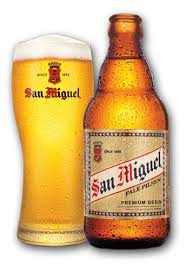 Yes, arguably Spain’s most famous beer started life in Manila, capital of Las Islas Filipinas, in 1890, while the archipelago was still a Spanish colony. Eight years later, in 1898, Spain lost Cuba, Guam, Puerto Rico and The Philippines as a result of the Treaty of Paris which ceded independence from Spain to these countries. Yes, arguably Spain’s most famous beer started life in Manila, capital of Las Islas Filipinas, in 1890, while the archipelago was still a Spanish colony. Eight years later, in 1898, Spain lost Cuba, Guam, Puerto Rico and The Philippines as a result of the Treaty of Paris which ceded independence from Spain to these countries.
Background to San Miguel
A group of Spanish “empresarios” who were settled in Manila decided to set up a brewery there in order to quench the thirst of the many colonialists living and working in the country.
The filipinos got to like it too.
And so did the rest of Asia. The enterprise was so successful that it became the most consumed lager in the whole of Asia by the middle of the 20th Century.
Launched on St Michael’s Saint’s Day, 29 September, in 1890, hence the name San Miguel, the beer was a sensation.
Development and growth
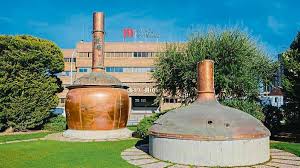 San Miguel lager first made an appearance in Spain when a brewery was established in Lerida, in Cataluña. San Miguel lager first made an appearance in Spain when a brewery was established in Lerida, in Cataluña.
It went on to become one of the pioneering brands of internationalisation. In the 70s San Miguel’s rather smug advertising slogan told it like it was: “Por mucho que usted viaje, no necesitará cambiar de cerveza, si es San Miguel, naturalmente.”
San Miguel nowadays has a presence in more than 40 countries and plays a key role in the geographical diversification strategy of Mahou San Miguel (San Miguel had merged with the Madrid brewer Mahou).
The current plan is to double market share abroad from 7 per cent to 14 per cent by 2027. The focus will be on France, Germany, Italy, and Portugal.
The company has had a presence in the USA for a decade and has three production centres.
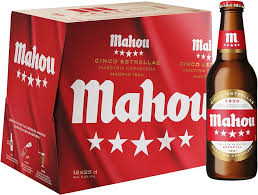 It is also to be found in Latin America, where the Mahou brand is to the forefront, where it is promoted as a premium beer from Madrid, the capital of Spain. It is also to be found in Latin America, where the Mahou brand is to the forefront, where it is promoted as a premium beer from Madrid, the capital of Spain.
The biggest foreign market for the group is the UK, where it has been the market leader for foreign lagers for more than 30 years. Second is Germany, which this writer finds bizarre, when there are so many great wheat beers, dark beers and lagers available from German brewers.
What do I think?
 Let me come clean. I love Spain. I’ve lived here for nearly 16 years and there is very little that I don’t like. Good quality beer is one of the things I have missed. Let me come clean. I love Spain. I’ve lived here for nearly 16 years and there is very little that I don’t like. Good quality beer is one of the things I have missed.
Coming from a real ale background; a CAMRA member for many years before I emigrated; discovering and trying out different real beers from different brewers was a pleasure.
As a graduate in German and a frequent visitor to that fine country (I felt obliged to write that, as my German wife is reading this over my shoulder! - only joking), I appreciate the variety of great beer there, especially in the south of the country, eg Baden-Württemberg and Bavaria.
Czech beers also have that extra something (eg Budvar, not the pale imitation Budweiser from the USA!).
I haven’t mentioned Belgian beers. I honestly don’t like very many, and why are they so strong? Many have an ABV strength (alcohol by volume) of 10 degrees or more.
And why do the monks feel the need to add fruit? The hops are sufficient!
I digress.
The Spanish Beer Revolution
Back to Spanish lagers. If you drank them ice-cold, they were always tolerable. But in recent years the big brewery companies have introduced new beer styles and there has been a trend towards small micro-breweries, producing very tasty ales, beers and lagers.
Cruzcampo (Sevilla)*, which I always hated, has upped its game since being taken over by Dutch brewery group Heineken. Strange that, because, I swear to God, Heineken is the worst beer I’ve ever tasted in my very long drinking life – approaching 60 years of “legal” drinking.
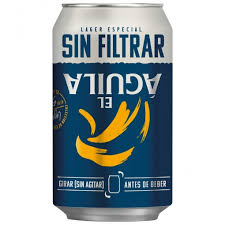 Try Alcázar (Jaén), Alhambra (Granada)*, Cibeles (Madrid), El Águila (Madrid), Estrella Damm (Barcelona), Estrella del Sur (Sevilla), Estrella Galicia (A Coruña), La Concha (San Sebastian), La Sagra (Toledo), Turia (Valencia), Victoria (Málaga) or local brews around here, such as La Rondeña. All great beers in their own right. Try Alcázar (Jaén), Alhambra (Granada)*, Cibeles (Madrid), El Águila (Madrid), Estrella Damm (Barcelona), Estrella del Sur (Sevilla), Estrella Galicia (A Coruña), La Concha (San Sebastian), La Sagra (Toledo), Turia (Valencia), Victoria (Málaga) or local brews around here, such as La Rondeña. All great beers in their own right.
Several of these local and regional brewers have been swallowed up by Cruzcampo/Heineken but the conglomerate has not interfered with the recipes – yet!
Good places to find a great variety of beers are the German discount chains Aldi and LIDL, and the French-owned supermarkets Al Campo, Carrefour and Supeco. Spanish chains Día and Mercadona also have a respectable range on offer.
***
Notes:
* Cruzcampo have switched their brewing to Faro in Portugal. The Sevilla brewery is now a distribution depot. Perhaps that’s why the beer has improved - Portuguese water?
*Alhambra (Granada) has been taken over by Mahou San Miguel Group.
© The Merry Tippler
Acknowledgements:
Estrella Group
Wikipedia
Links:
CAMCAC - Campaña para Cervezas de Alta Calidad | Facebook
CAMRA Experience
Photos:
Amazon.es
Carrefour
Facebook
La Vanguardia
San Miguel Brewery
Tags:
1898, 29 September, Alhambra, Amazon.es, Carrefour, Cruzcampo, Cuba, Facebook, filipinos, Granada, Guam, Las Islas Filipinas, La Vanguardia, Mahou San Miguel Group, Manila, Puerto Rico, San Miguel, San Miguel Brewery, Sevilla, Spain, The Merry Tippler, The Philippines, Treaty of Paris
3
Like
Published at 6:26 PM Comments (0)
Spam post or Abuse? Please let us know
|
|