A cosmic treat in Spain
Friday, August 14, 2026
On the 12th, we were able to witness a special event in the sky, one that hadn’t occurred for over a hundred years: a total solar eclipse.
In Spain, many people were able to enjoy it in its entirety, particularly in the north; however, due to the clouds, they couldn’t watch it by looking directly at the sun, but on occasion they could see the absence of light and, less than a minute later, the return to light. The latter is the case in the video I’d like to share with you below, showing what happened in Llanes (Asturias).
The Moon drew closer to the Sun, like a bride in love, moving relatively slowly so that we could witness the wonder of their courtship in the sky. And the Sun responded to the encounter, like a groom in love, surrendering at her feet. It was then, at the moment of totality, that it surrendered its light to the Moon, bestowing upon it two important gifts: ‘Baily’s beads’ (Baily was a British astrophysicist) and ‘the diamond ring’.
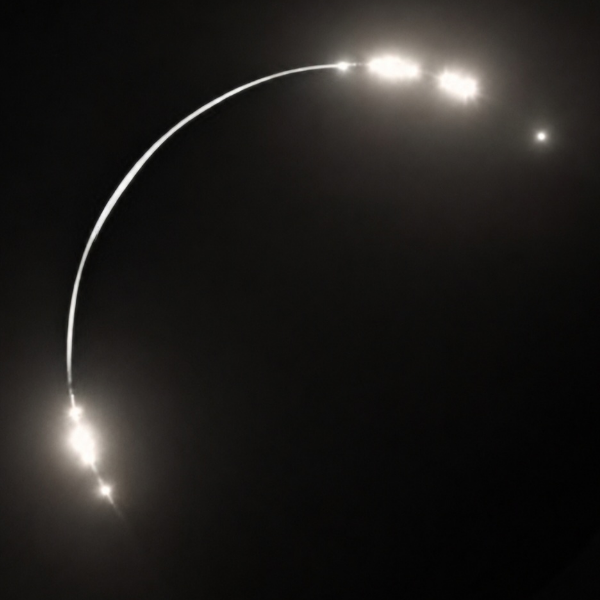
Baily´s beads

The diamond ring
In Spain, the eclipse could be seen in various places: in Galicia, in Castile-León, in Asturias, in Catalonia; but also in central Spain, for example in a village in Soria — where a NASA team had set up camp —, in Buitrago (north of Madrid) and in Yebes (Guadalajara), home to one of Spain’s largest astronomical observatories, which captured the images of Baily’s Beads and the Diamond Ring.
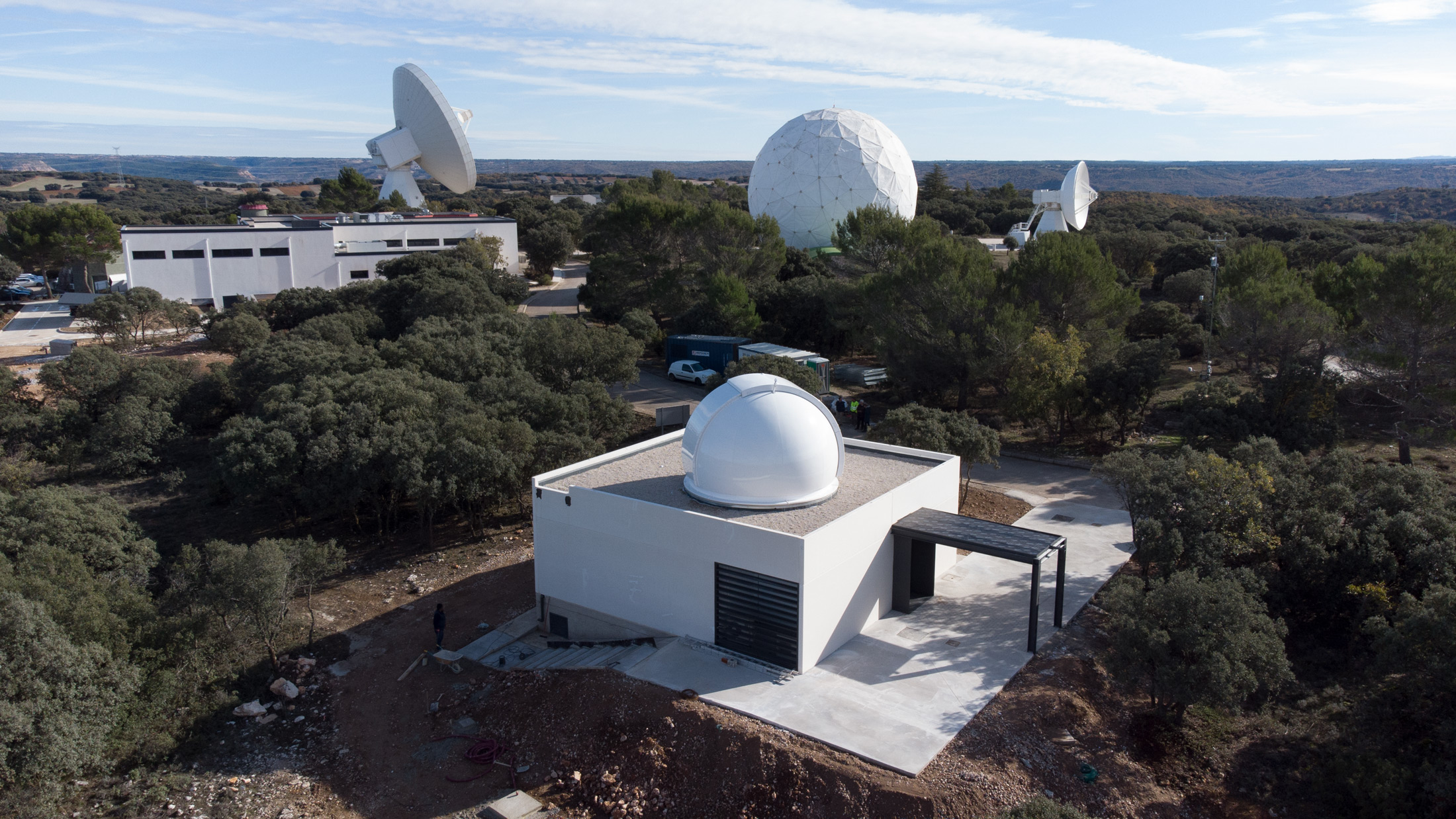
Yebes Astronomical Observatory (Guadalajara)
And this is the video I mentioned at the start. I hope you enjoy it.
 2
Like
Published at 5:48 PM Comments (0)
2
Like
Published at 5:48 PM Comments (0)
The refuge of a great professional and a humble person
Thursday, July 9, 2026
Marc Cucurella is a player for the Spanish national football team who is doing a great job at the current World Cup.
I only recently started watching him play for the national team as a defender, and I liked what I watched, but I knew nothing about his life. However, a few days ago, I read an article about him, as it discussed Marc’s home in Catalonia, specifically in Alella (a village of 10,000 inhabitants where he was born).
I had learnt a few days earlier that Marc had been signed by Real Madrid; but I didn’t know that Marc was playing for Chelsea.
And, as I always watch the Spanish national team when they play, I can see that Marc is a great player. But above all, I was pleased to read in the article that Marc is a down-to-earth, humble man. He is married to Claudia Rodríguez; they have three children, and the eldest (Mateo) has autism; Marc doesn’t want to hide this from the public, because he wants to raise awareness of this condition. Marc told a Spanish radio station: “It’s hard to talk about your own problems; everyone thinks our life is wonderful and that everything is perfect, but in the end we have problems just like anyone else and it’s difficult.” Yet, despite the difficulties, Marc is a fun-loving, joking and family-oriented man. Now that they have to live in Madrid, Marc and Claudia are facing the challenge of finding schools for their children, especially for their eldest son.
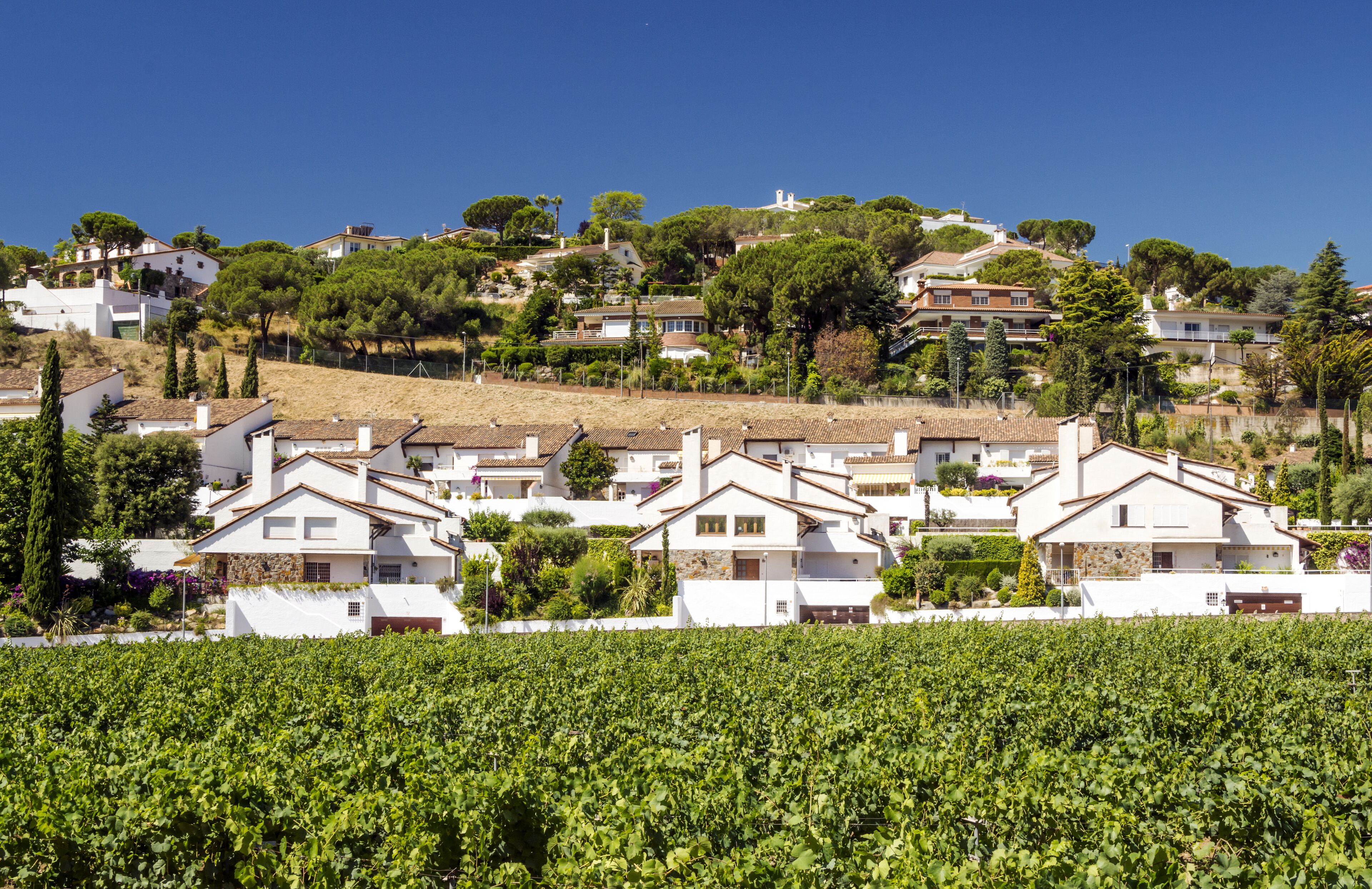
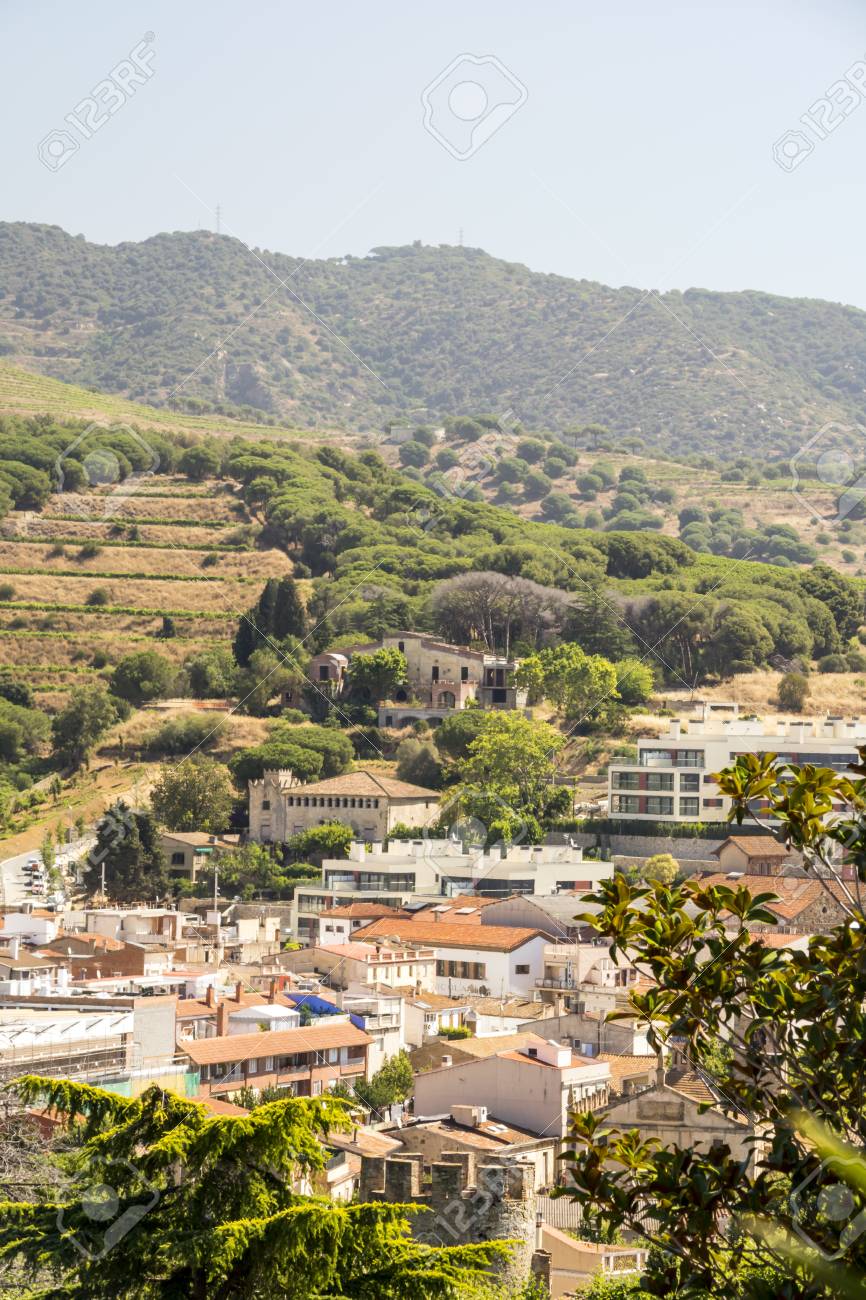
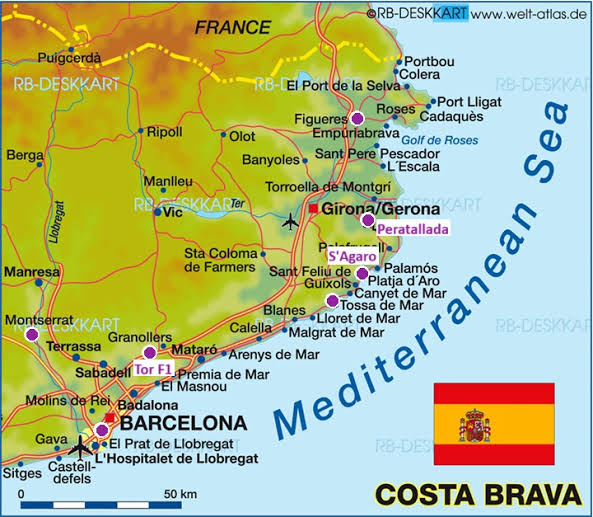
I mentioned Alella at the start because, as well as being Marc’s home town, it’s also where he spends his summers and takes other breaks with his wife and children. It’s a place Marc has described as: “A peaceful gem near Barcelona”. Alella is 18 kilometres north of Barcelona and 2 kilometres from the coast.
This is where Cucurella first started playing football. His grandfather used to drive him to training every morning. Marc came through the youth ranks at El Español for seven years before moving to La Masía (FC Barcelona’s academy).
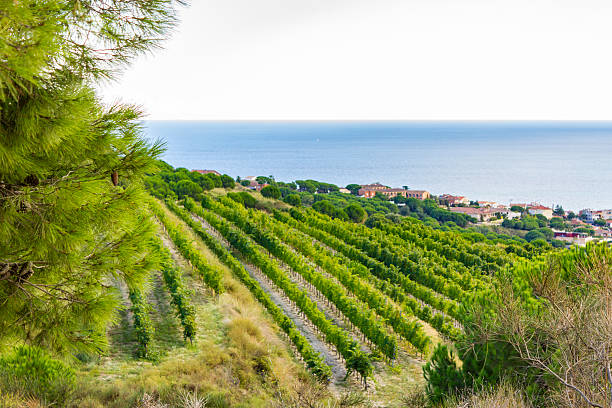
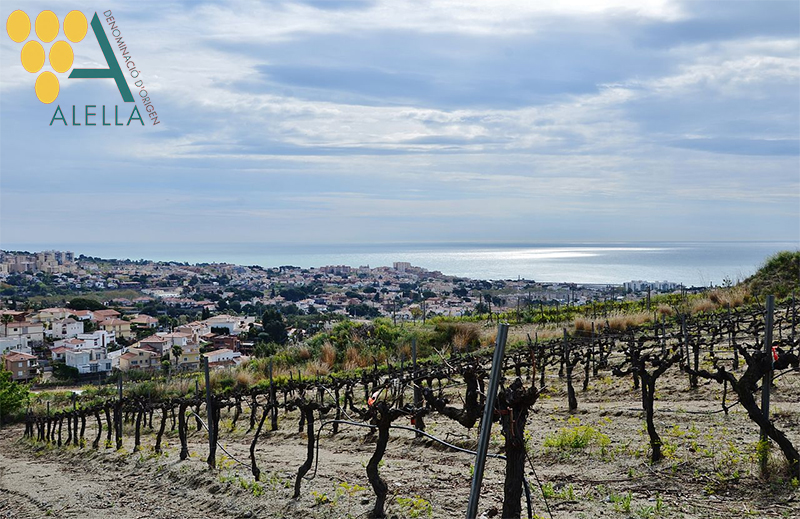
And, of course, it is where he has a family home, a residence surrounded by vineyards and just a short distance from the sea. Alella is a wine-growing region in its own right, producing excellent white wines (the Alella Designation of Origin is one of the oldest in Catalonia). Alella is also a quiet town with excellent restaurants, such as Can Balcells, located within the Arrey Alella boutique hotel. The historic centre revolves around the church of Sant Feliu, in whose parish archives there is a sketch signed by Antoni Gaudí, dating from 1883. With this natural setting of vineyards, mountains and sea views, it is no wonder that Marc and his family are able to unwind here.
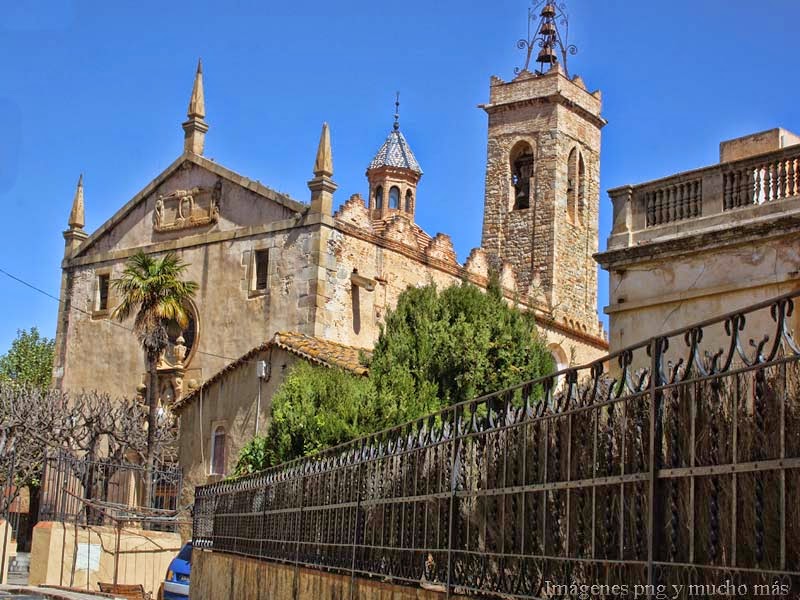
Sant Feliú
Calella, north of Mataró
0
Like
Published at 11:31 AM Comments (2)
Thank you Doctors
Saturday, June 27, 2026
Once again, I would like to thank the doctors who are treating me at the Punta Europa Hospital in Algeciras, because thanks to them and to God, I no longer have to return to the Oncology Department to receive the chemotherapy treatment, which I underwent over ten sessions.
I am not yet fully recovered, but following various tests, the doctors’ thorough assessment, the excellent work and kindness of the nurses, and also thanks to the trust I have placed in them all, I can see the end of this debilitating illness drawing ever closer.
But today I don’t want to talk any more about my own case, because I feel very fortunate with what I have; rather, I want to talk about Dr Cavadas, because a few weeks ago I came across two articles about him.
Pedro Cavadas is one of the world’s most renowned reconstructive surgeons — he’s from Valencia— and every year he travels to the heart of Tanzania to treat as many patients as possible. This year, he has done so to tackle one of the greatest challenges of his career: operating on more than a hundred patients in a field hospital, with very limited resources and in extremely basic conditions.
Pedro does not appear on television very often; I am convinced that this is because he does not seek to be the centre of attention, and when he does, it is to raise awareness of his patients’ situation. Over a year ago, I saw an interview with him in which he said that when he has holidays, instead of going to the beach, he goes wherever there are marginalised patients. And this year he has taken part in a documentary series about his trip to Tanzania with his team. The docuseries is called: ‘Operation Africa’.
On this trip, Dr Cavadas was able to witness not only the physical pain but also the mental suffering of these poor people, who often resign themselves to merely surviving in such harsh conditions. He himself says: “There is nothing gentle or kind here; everything hurts.”.
During all the trips they have undertaken, they have established what are known as ‘return consultations’, which are for those patients who need follow-up care and eagerly await the return of the surgeon and his team — this year comprising nurse Lidia Pereda and anaesthetist Rocío Ortega.
Furthermore, there are patients who are pioneers in these treatments, and with them a surgical and medical process is initiated that can benefit other patients in Africa.
One example of this is Aina, a woman for whom Pedro Cavadas performed a nerve block on her hip so that she could walk without so much pain. Since Dr Cavadas began treating her, Aina has been able to lead a normal life; before, she could barely move.
Pedro Cavadas and his team have treated many such cases. The humility and humanity that Dr Cavadas exudes in his work is reflected in one of his sayings: “Medicine is one human being helping another.” And that is precisely what he has done for another patient (Mshangama), whom he has helped to lead a dignified life. Mshangama is a Maasai who, two years ago, suffered an accident and sustained an open fracture of the tibia. The wound became infected and, as it was not treated in time, he was unable to walk properly. Following a lengthy surgical operation and a period of recovery, Mshangama will be able to walk properly again.
Dr Cavadas’s generosity knows no bounds, and this was demonstrated when he and his team had already carried out their scheduled operations and were preparing to return to Spain; at the very last minute, a patient turned up with a serious knee injury. The patient’s name is Randy, and Pedro Cavadas decided to operate on him urgently, because if they had waited until the next trip, Randy’s condition would have worsened. The operation was a success and Randy can now walk and work to support his wife and children.
Pedro Cavadas and his team returned to Spain, satisfied that they had helped a great many people. They know they will be back, and Dr Cavadas says: “I’ll keep doing this for as long as my health allows.”
2
Like
Published at 12:47 PM Comments (0)
A piece of British history in Spain
Sunday, May 3, 2026
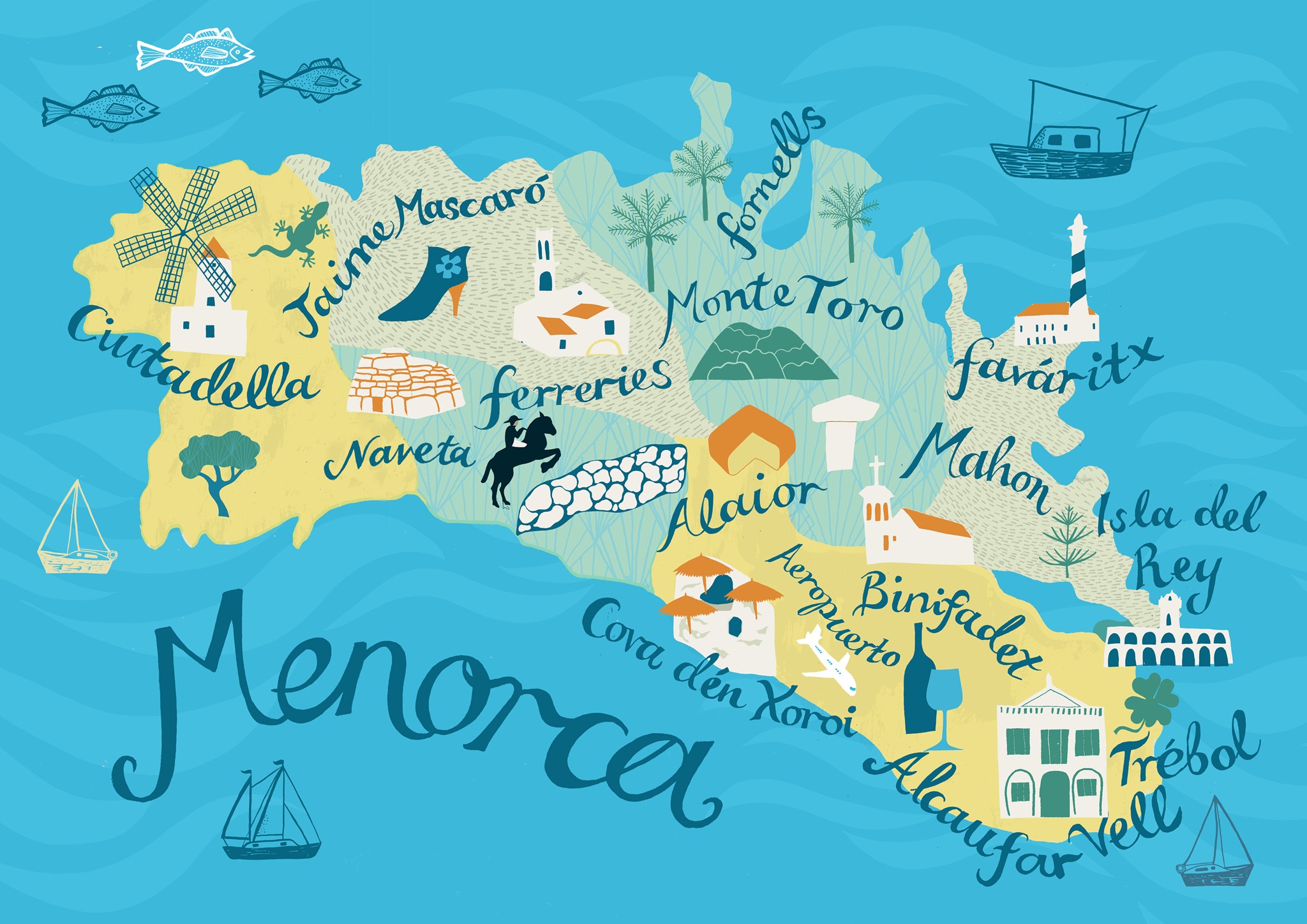
We know that many Britons visit Spain every year; but perhaps not many people realize that there is a corner of Spain that is part of British history. That place is called Menorca. Its name comes from the Latin *Minorica*, as the Romans called it because it was smaller than the island of Mallorca (*Maiorica*).
Menorca is a Spanish island located in the northeastern part of the Balearic archipelago, in the Mediterranean Sea. The city of Mahón, on the east coast, is home to the headquarters of the Menorca Island Council—the administrative body that serves as the island’s government—while the most populous municipality is Ciudadela, to the west.
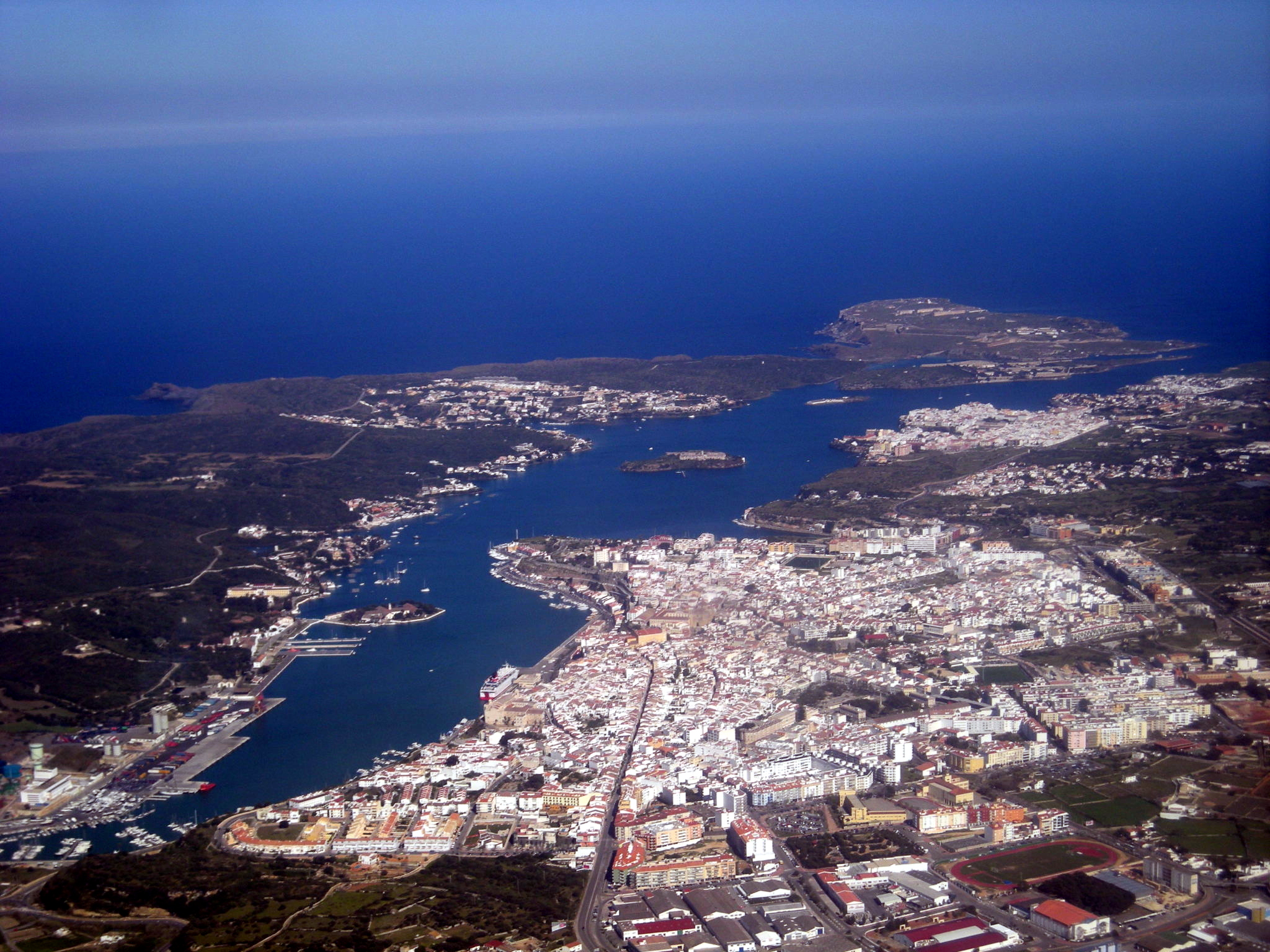
Mahón
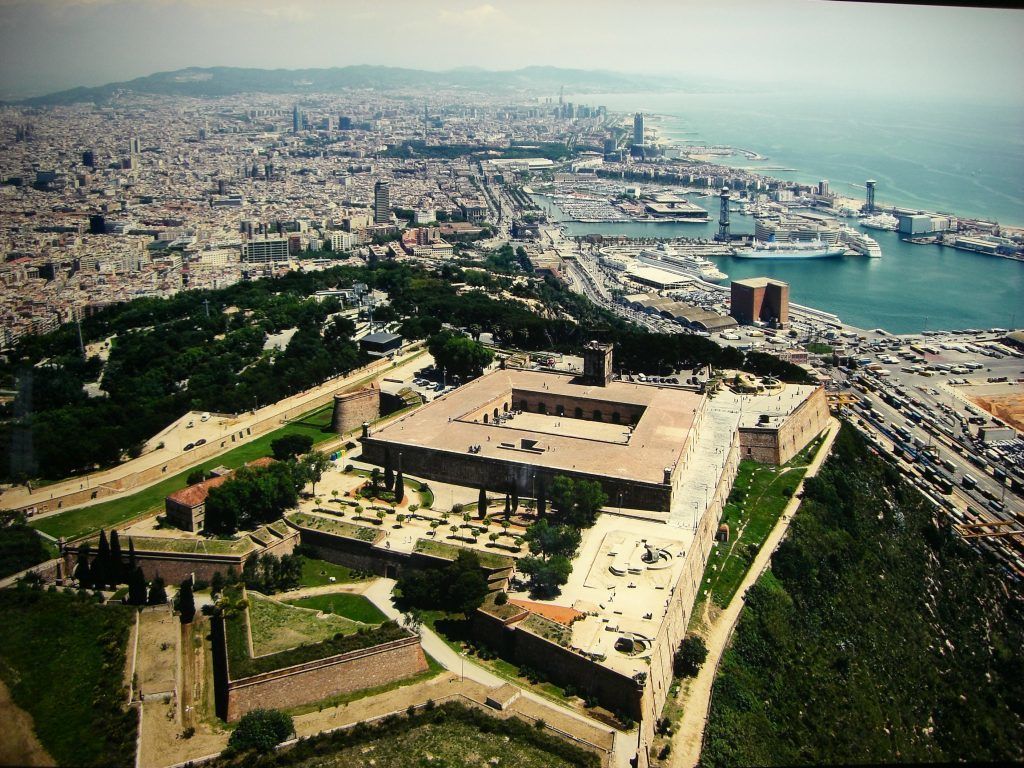
Ciudadela
Menorca is the second-largest of the Balearic Islands and the seventh-largest in the country. In 2019, it had a population of 96,620, making it the third most populous in the autonomous community, after Mallorca and Ibiza, and the seventh in all of Spain. It is worth noting that in the summer, the population exceeds 200,000 due to tourism.
It was designated a Biosphere Reserve in 1993 by UNESCO.
Menorca is Spain’s easternmost territory and the first place in Spain where the sun rises and sets.
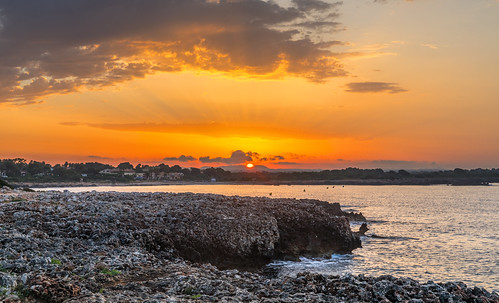
The island of Menorca and the islets surrounding it offer a microcosm of the western Mediterranean, where most of the region’s characteristic ecosystems can be found, with the exception of riverine and mountain ecosystems. At the same time, however, Menorca is home to numerous endemic or Tyrrhenian species, that is, species exclusive to this island or shared only with nearby lands such as Mallorca, Corsica, and Sardinia. This blend of commonalities and unique features makes the natural heritage of this territory particularly attractive, a heritage that has also been heavily shaped by human activity for the past 4,000 years.
Since the earliest civilizations on the island, numerous peoples have taken turns occupying its territory.
An initial phase of primitive civilization, believed to have originated on the Iberian Peninsula, was followed by a highly advanced Bronze Age period known as the Talayotic culture, characterized by megalithic structures similar to those found in Mallorca, Sardinia, or Malta, though featuring some unique elements such as the taulas.
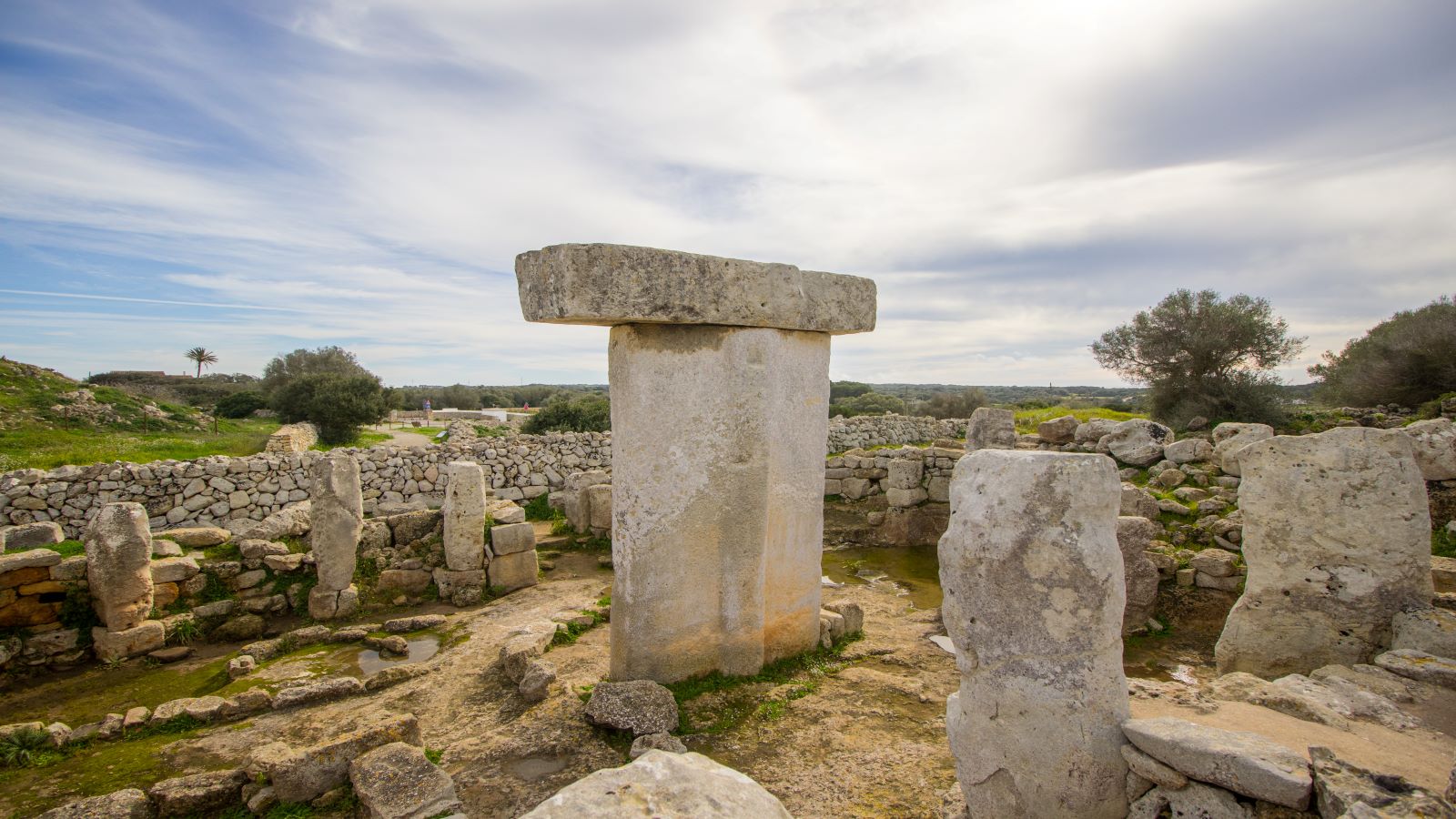
A Taula
The peaceful visits by the Phoenicians —who called it Nura (Land of Fire)—and the Phocaeans—who called it Meloussa (place of cattle)— to establish trade ties were followed by those of the Carthaginians, who arrived with a very different attitude. They landed under the command of Mago, Hannibal’s brother, and forcibly recruited the skilled Balearic slingers, who played a prominent role during the Punic Wars. In the 3rd century B.C., the Carthaginians founded the settlements of Jamma (now Ciudadela) and Magon (Mahón). Talayotic culture would endure in Menorca even after Quintus Caecilius Metellus (who would later be nicknamed Balearicus) conquered the island for the Roman Republic in 123 BC (along with the rest of the Balearic Islands).
In 427, the island was conquered by the Vandals. It is presumed that Menorca became Byzantine territory following the fall of the Vandal kingdom, conquered by Belisarius. In any case, centuries of darkness and isolation followed, during which the island was attacked by Normans and Arabs.
Muslims settled permanently in Menorca around the year 903, when the island was conquered and incorporated into the Caliphate of Córdoba. The Islamization of the island was extensive, as Menorca, known as Al-manurqa, remained under Arab rule for nearly four hundred years (the 10th, 11th, 12th, and 13th centuries). In 1232, three years after the conquest of Mallorca by James I the Conqueror, Muslim Menorca became a tributary of the Crown of Aragon, retaining significant autonomy for another half-century. It was not until 1287 that Menorca officially ceased to be Islamic.
The island of Menorca, a vassal state of James I of Aragon since 1231, was conquered by Alfonso III in early 1287. Following the occupation and in accordance with the terms of the surrender, only a small number of Muslims, including the governor, were allowed to leave the island freely. The rest had to pay their own ransom or be reduced to slavery. Very few Muslims, whether slaves or free, remained on the island. The terms under which the repopulation took place are scarcely known, since, unlike what occurred with the conquests of Valencia and Mallorca, no distribution register was kept. The donations or grants to settlers made in the name of Alfonso III, of which few have survived, were granted to both knights and farmers, who were required to pay rent to the king, as well as artisans. Missing from the record are the common laborers, among whom might have been the small number of Muslims exempted from the obligation to pay their own ransom. In the surviving grants, the settler’s origin is rarely mentioned. When the information is recorded for one reason or another—with the exception of the Aragonese Pedro Sánchez de Biota, a farmer—it concerns settlers who had recently settled in Mallorca and were selling their properties there to move to Menorca; and, with the exception of one knight and one lawyer, they were of low social standing, artisans, or farmers.
His successor, James II the Just, ceded it to James II of Majorca in 1298, pursuant to the Treaty of Anagni (1295), and it once again became part of the Kingdom of Majorca. In 1343, Peter the Ceremonious seized Menorca from the King of Majorca, James III (a step leading up to the kingdom’s eventual dissolution, as it was annexed to the Crown of Aragon).
Menorca, as part of the Crown of Aragon, benefited from the maritime and commercial prosperity of that crown; however, beginning in the late 14th century, the island underwent a drastic process of depopulation and economic decline. This process reached alarming levels in the 15th and 16th centuries due to a variety of reasons, primarily the social struggles between the peasantry and the aristocracy, similar to and contemporaneous with the Germanías uprisings in the Kingdom of Valencia and Mallorca or the Catalan revolt against John II. Also influential were the Ottoman attacks on Mahón in 1535, led by the Ottoman admiral Hayreddin Barbarossa (Lesbos, 1475 – Istanbul, 1546), who served under the Ottoman Sultan Suleiman I. Twenty-three years later, the Ottoman fleet carried out the raid on Menorca in 1558, devastating Ciudadela and capturing thousands of Menorcans, subjecting them to slavery in Ottoman lands.
Invaded by the British in 1708 during the War of the Spanish Succession and officially recognized as a territory under British sovereignty following the Treaty of Utrecht (1713), it remained a British dependency for more than seventy years (and the port of Mahón served as a British naval base in the Mediterranean) in the 18th century. The British presence, particularly during Richard Kane’s tenure, boosted the island’s economy by establishing a more mercantilist and liberal model, and the city of Mahón became a leading commercial and smuggling hub in the Mediterranean, in addition to displacing Ciudadela from the status of capital it had held until then—a fact that continues to fuel a rivalry between the two cities well into the 21st century. British influence can be seen in the local architecture, in the people, and in the surnames of some families, such as Victory, which are common on the island and in Great Britain. Anglo-Saxon influence is also evident in the language and the countryside, which changed radically after the British arrived on the island.
During the Seven Years' War, Menorca was captured by France (1756). However, under the Treaty of Paris (1763), Great Britain gained control of the island. During the American War of Independence, which also involved France and Spain, Franco-Spanish forces defeated the British and recaptured the island on January 5, 1782. As an expression of joy, Charles III ordered the viceroys, captains-general, governors, and military commanders to assemble the garrisons on the Feast of the Epiphany and, on his behalf, convey his congratulations to the chiefs and officers of the armies during the so-called Military Easter. It was invaded again by the British in 1798, during the wars against revolutionary France. It was ceded to Spain, definitively and permanently, under the Treaty of Amiens in 1802. Mahón’s maritime power continued into the early years of the 19th century, even after it reverted to Spanish rule.
As for the cuisine, the following dishes stand out: Mahón-Menorca D.O. cheese, sobrasada, carnixua, camot or cuixot, oliaigua, lobster stew, coca bamba, pastissets, formatjades, carquiñols, amargos, crespells, ensaimadas, rice with spider crab legs, and pomada.
Once you visit Menorca, you’ll want to come back. It’s no surprise that it was voted Spain’s best beach destination in 2024. They get caught in its web of beauty. That’s the problem with beaches: they’re addictive. It happens in the Caribbean, on the Greek islands, along the Thai coast, and the same goes for this little gem of the Balearic Islands. The sand is so fine that it slips through your toes with every step, it’s the very essence of purity. The sun beats down, but never too harshly. The wind carves out impossible coves, some rocky, others surrounded by wetlands, cliffs, dunes, or slopes.
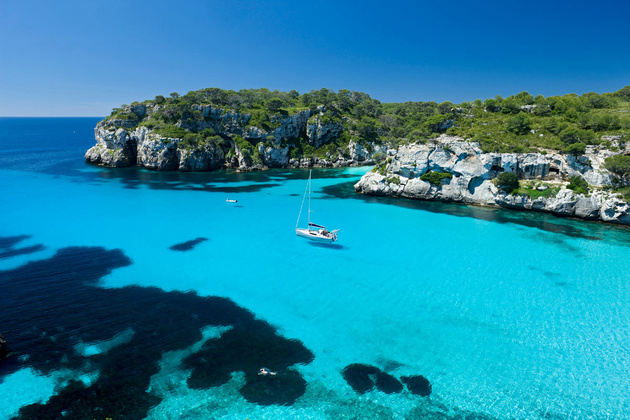
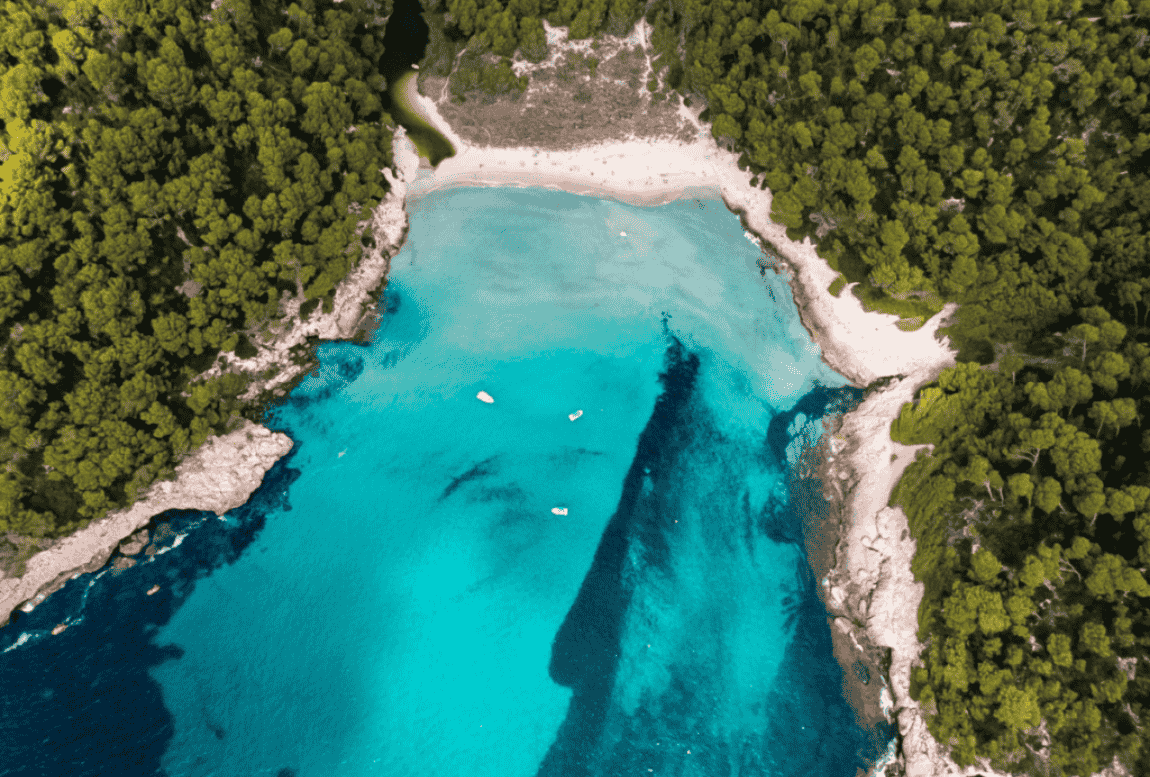
.jpg)
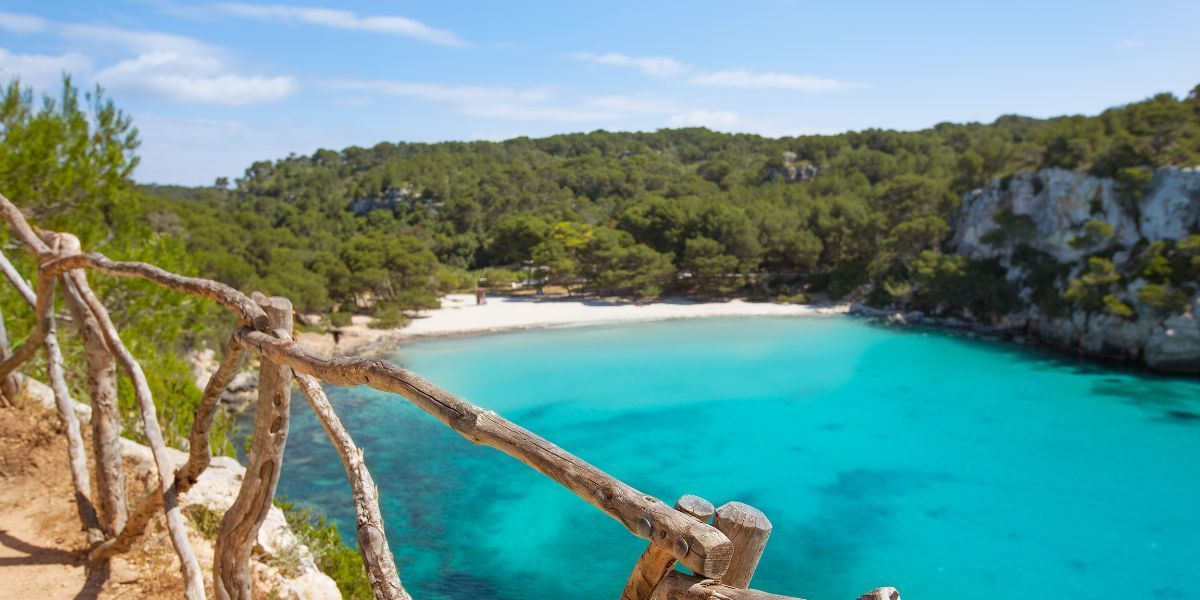
Another beautiful spot in Menorca
You may have noticed that there is vegetation next to the beaches.
In Menorca, there are no native deciduous trees, and today there is a decline in several domestic species such as the carob tree, the almond tree, fig trees, and the olive tree. The most common tree on the island is the “ullastrar.” Traditionally, wood was obtained from wild olive and holm oak trees, which are perfectly adapted to the climate, as well as from certain pine varieties, such as the abundant Aleppo pine, which is gaining ground in the forests of the island’s central and northern regions. Near the beaches, we find junipers and numerous coves surrounded by pines.
At a lower vegetation level, we find broom, gorse, strawberry trees, heather, myrtle, broom, juniper, oleanders, brambles, and less abundant liliaceae such as wild asparagus, araceae, and some orchids. In dune areas there are lilies; in deforested areas we find steppe in its white and black varieties, and reeds in the wetlands. Lichens cover the rocky terrain, and along the wind-swept coastline there are communities of thorny shrubs locally known as socarrell.
Well, as you've seen, Menorca is a wonderful place, but I hope you'll be able to see that for yourself. There are flights—some of them inexpensive, from the UK to Menorca.
For example: on June 1, from London, for 32 euros. On Sunday, June 7, for 18 euros. On Monday, June 22, for 17 euros. On Monday, June 29, for 17 euros. These are direct flights.
Welcome to Spanish paradise!!!!!
2
Like
Published at 1:59 PM Comments (0)
A second chance
Tuesday, April 21, 2026
Yesterday I had a CT scan of my lower back and a biopsy of my right sacrum. This is the second time I’ve had the test —the previous one was on a different bone, but the result was negative, so I hope this second chance brings a positive result so that I can be given the right treatment----.
I stayed overnight in hospital. I fell asleep early and woke up at 4 in the morning; I listened to the radio: the news and then a programme where they tell a fictional story and the listeners have to work out what happened, for example, whether there’s been a murder.
Then I started thinking, because the news said there were only a few hours left before the deadline, set by the US for Iran to open the Strait of Hormuz, was due to expire; but it said the US was going to extend the deadline until Wednesday. And that made me think about the idea of giving a second chance in life.
In this case, it seems the US is willing to give Iran a second chance.
We all want peace, and that is why the world deserves a second chance.
On that programme, a psychologist spoke about memory and its connection to music.
It’s interesting that, as she said, we’re better able to remember a song than anything else, because music has rhythm and our brain reacts and anticipates the memory when it hears a few bars that it has heard before.
That is why people with Alzheimer’s react positively when they hear songs from their youth, because the music stimulates their emotions and thus triggers their memory.
That made me think, once again, that music gives these people a second chance to be happy, at least for a little while.
Another thing the psychologist mentioned was also very interesting: there is a study which has shown that babies, before they are born, are able to respond to the stimulation of music and then remember it after they are born, and react positively when they hear that music again. A mother discovered this when her son was born and she noticed that he relaxed when she played a TV series she used to watch before her baby was born. It seems the baby had been listening to the music before he was born.
In this case, the baby has a second chance to listen to pleasant music that relaxes him.
I believe it is very important that we can have a second chance in life.
4
Like
Published at 1:53 PM Comments (0)
Llanes: a town steeped in history
Friday, April 17, 2026
Generally speaking, the weather in northern Spain isn’t as good as in the south, 4but there are other wonderful things to be found there (spectacular landscapes, 4cuisine, deep-rooted traditions, etc.).
But today I want to talk about Llanes, a town in the Autonomous Community of Asturias
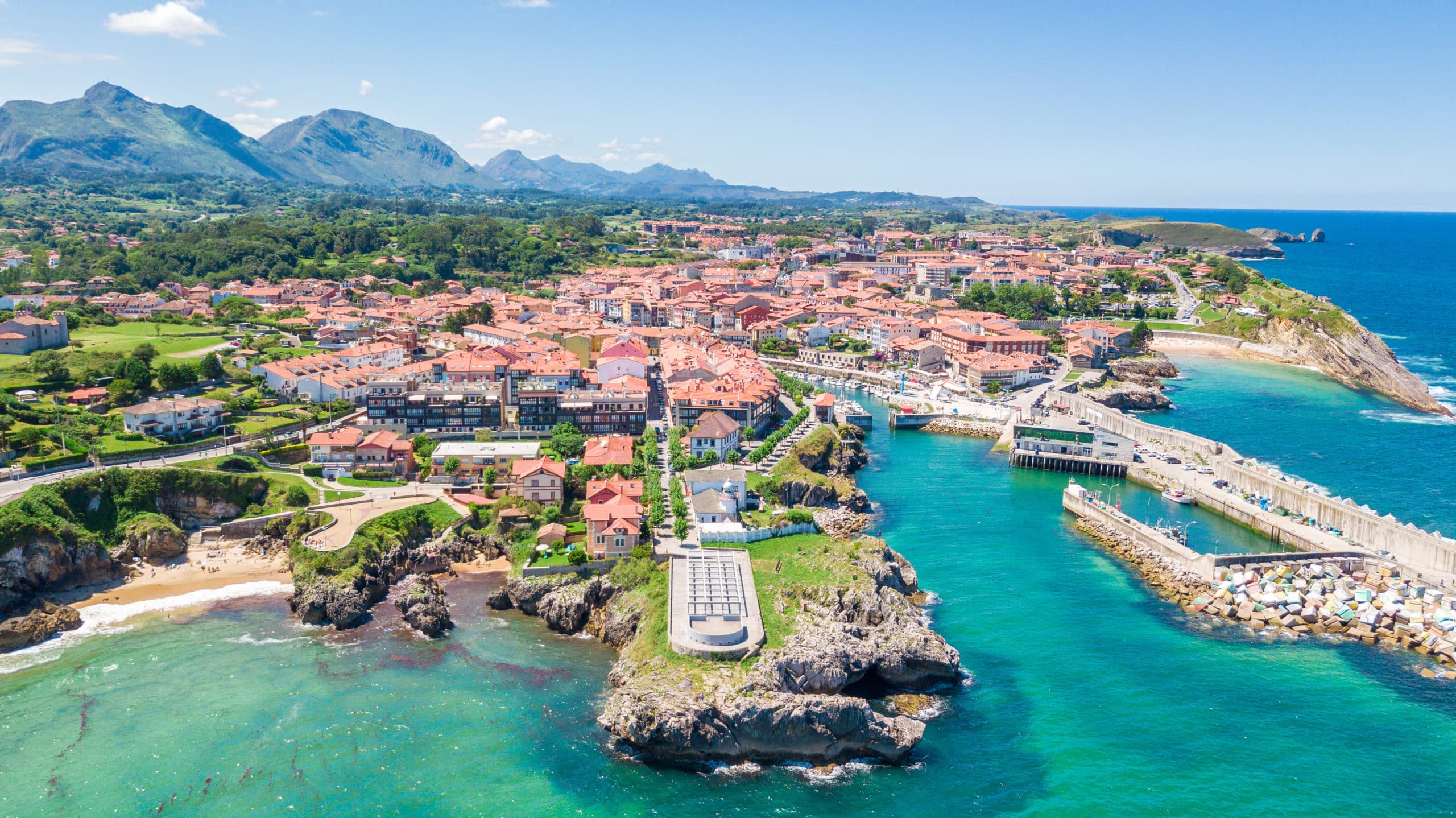
Llanes lies on the shores of the Cantabrian Sea and close to the Picos de Europa, boasting numerous beaches and a well-preserved architectural heritage.
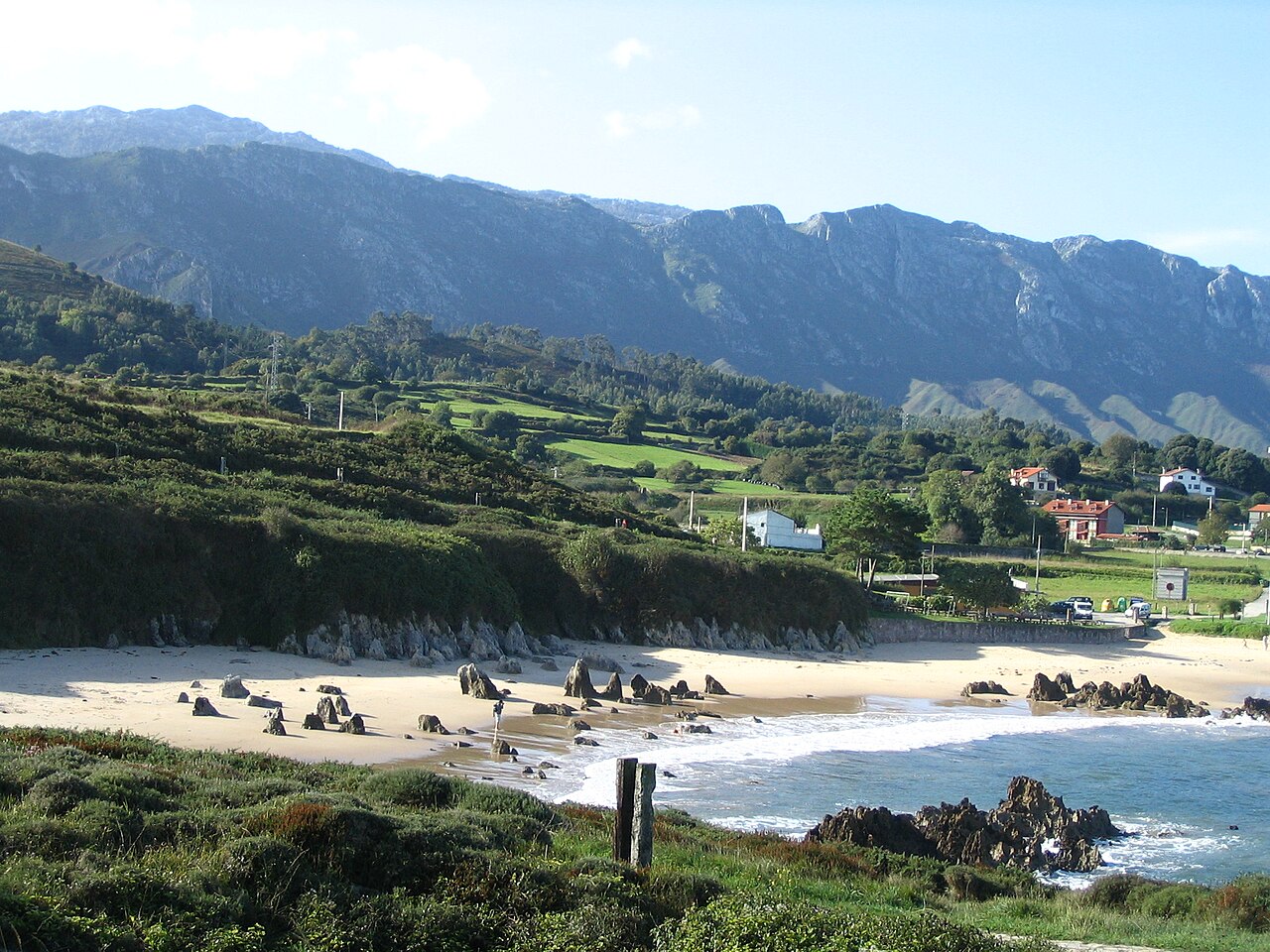
Beach of Toró
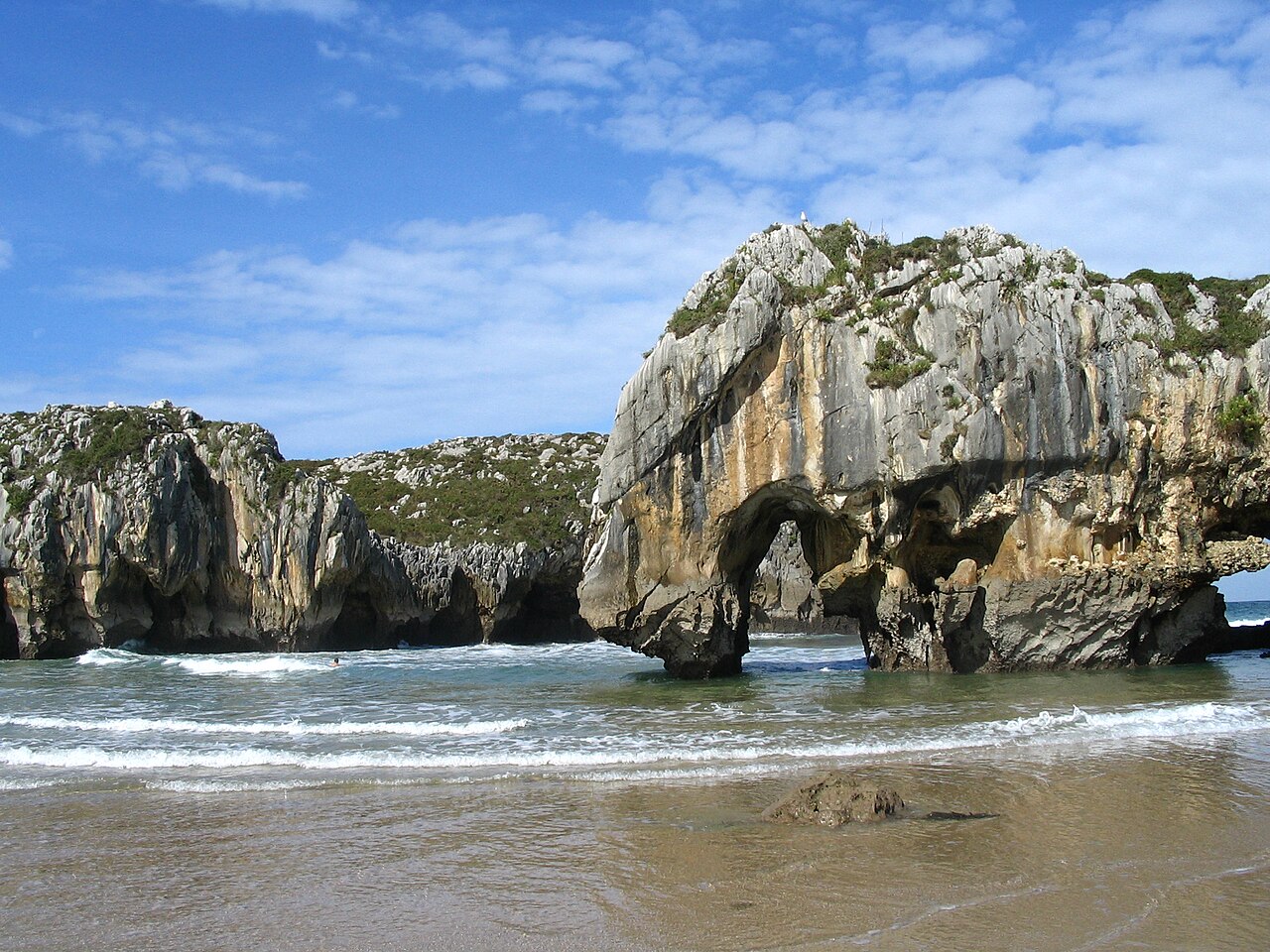
Beach Caves of sea
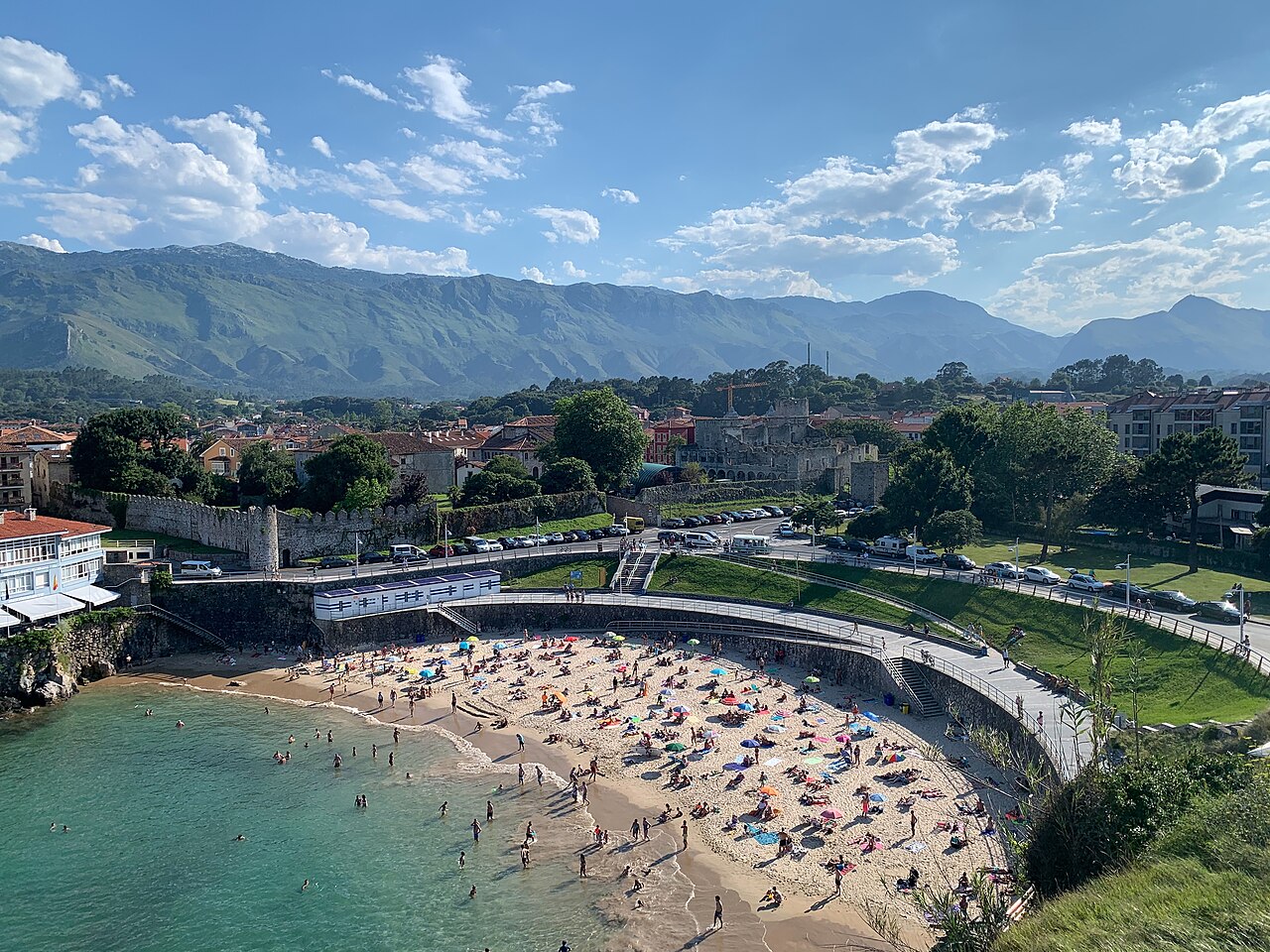
Beach of Llanes
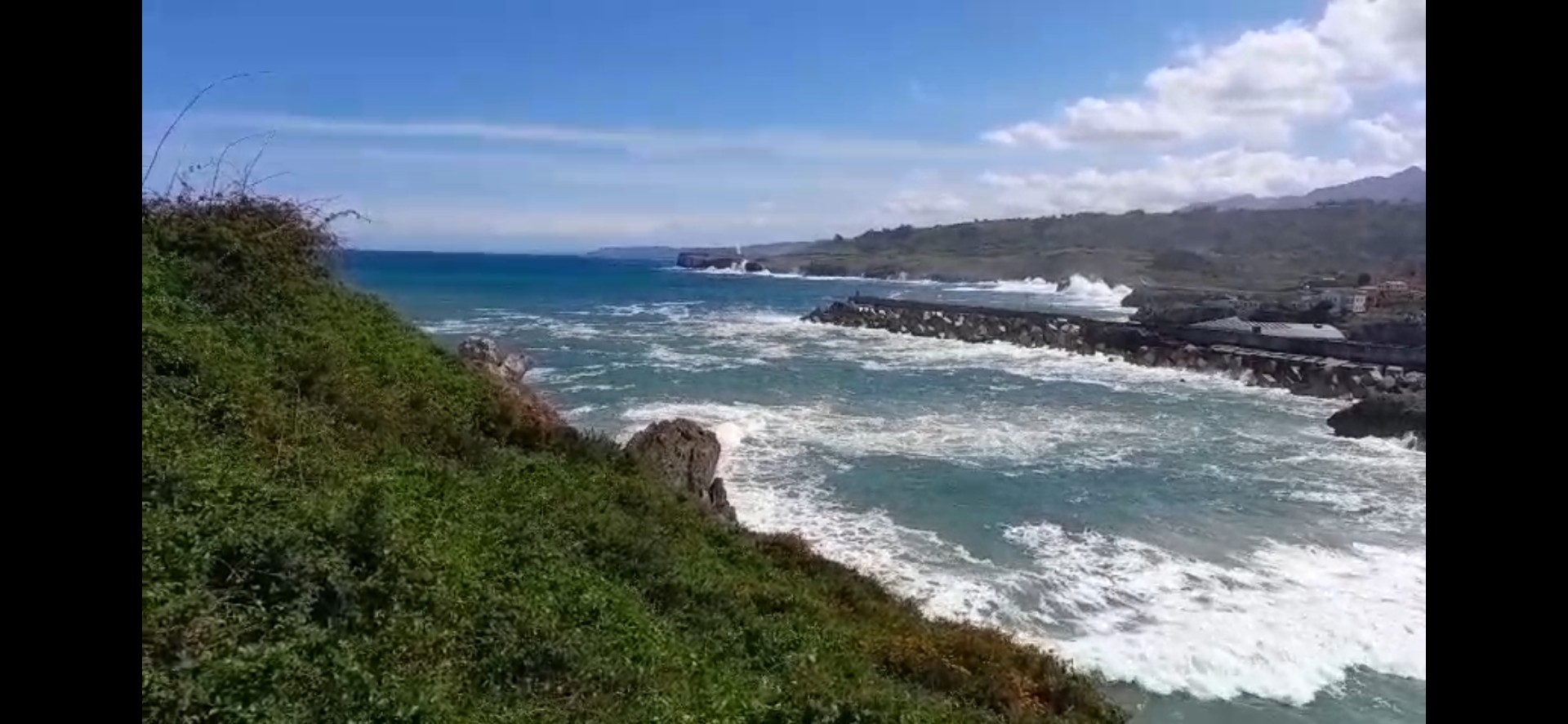
Rocks on the beach at Llanes
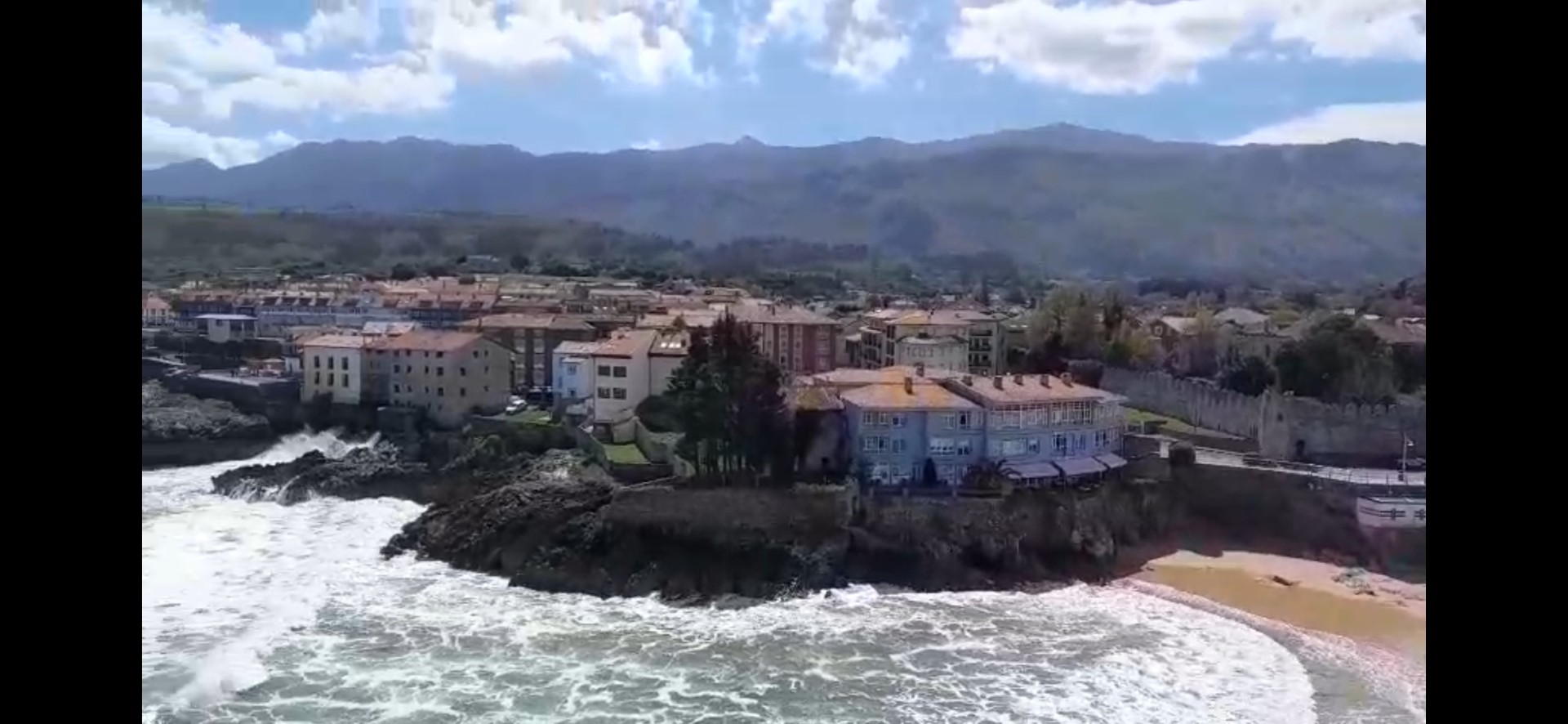
Beach and the town
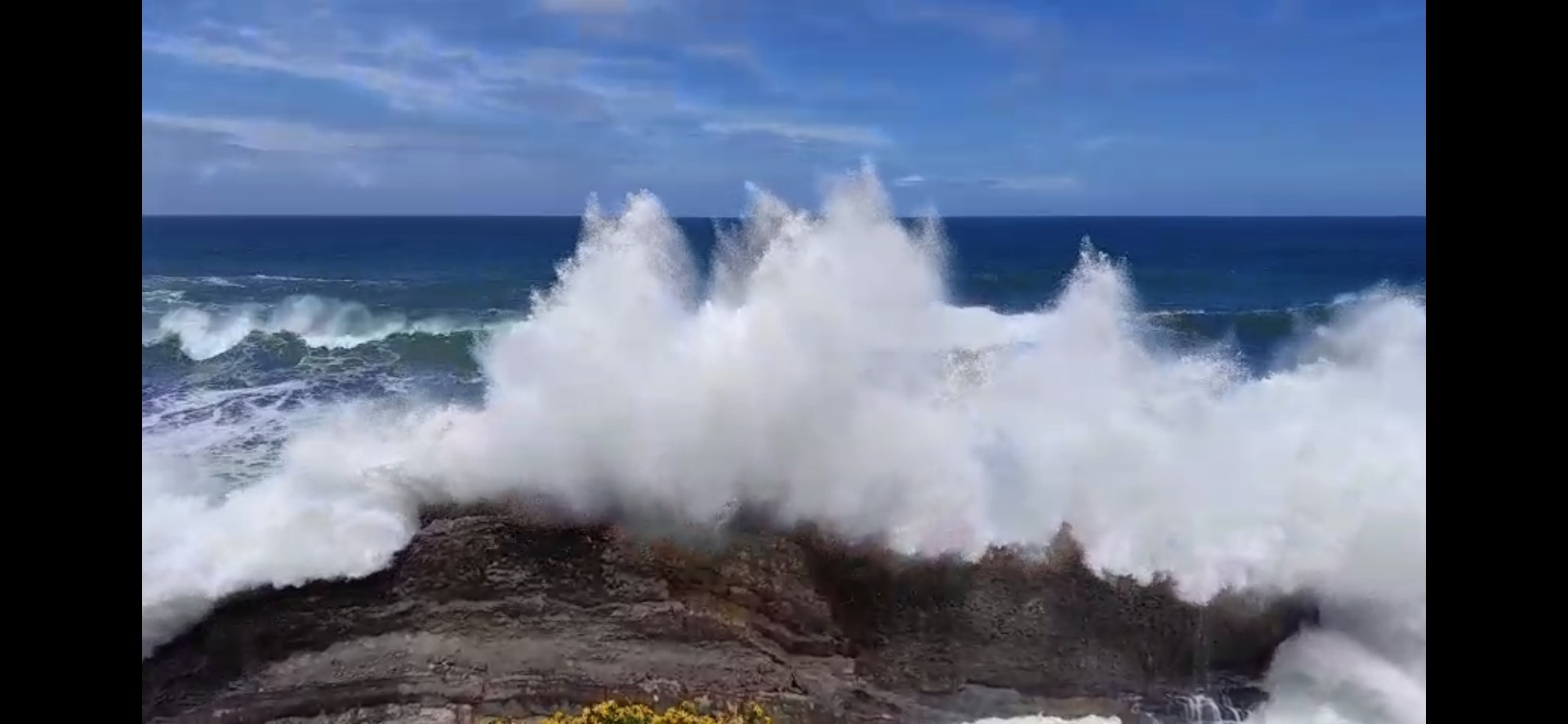
The fury of the Cantabrian sea (a 6-metre wave)
In the 13th century, the settlement known as Puebla de Aguilar was granted a charter by Alfonso IX of León, becoming the town of Llanes.
It is bordered to the north by the Cantabrian Sea, to the south by Onís, Cabrales, Peñamellera Alta and Peñamellera Baja, to the east by Ribadedeva, and to the west by Cangas de Onís and Ribadesella.
At various points along the municipality’s coastline, a geological phenomenon known as a ‘bufón’ can be observed: holes created by erosion just a few metres from the edge of certain cliffs, which are connected to the sea and through which columns of sea water are sprayed by the force of the waves.
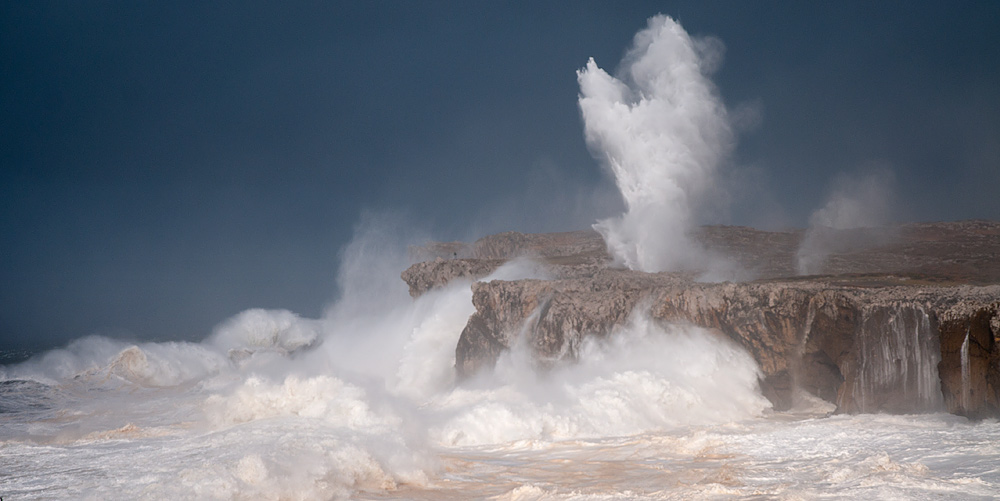
Bufones de Pria
Human presence in this area dates back to the Lower Palaeolithic period, evidenced by a series of stone tools found at La Riera and in the Balmori Cave, as well as remains from the Middle Palaeolithic, such as those in the Arnero Cave, and from the Upper Palaeolithic, such as those found in the Cueto de la Mina caves. It can be said that all stages of our prehistory are represented in the municipality of Llanes. From the Magdalenian period, there are remains in the caves of La Ribera and Balmori. There is a scarcity of remains from the Iron Age, as well as from the pre-Roman and Roman periods, where no remains of hill forts have been found, goddess Manes.
In the Middle Ages, these lands were known as the lands of Aguilar (and the town of Llanes as Puebla de Aguilar); their administrative centre was at Soberrón Castle, situated in the Sierra del Cuera, where its remains are still visible. The administration of the territory was divided amongst religious institutions, with the 12th-century Monastery of San Salvador de Celorio and the local nobility, such as Don Alfonso Suárez and Doña Cristilde, managing a vast estate. Alfonso IX likely granted the town charter to Llanes in 1225 as a means of strengthening the defences of these lands. Later, Alfonso X the Wise granted the town a new charter. The entire town centre was surrounded by a wall, indicating its defensive nature. This wall, begun by Alfonso X, was completed in the 15th century.
Alfonso XI granted them the privilege of holding two annual fairs; this king also granted them their own salt warehouse, as Llanes had a thriving port at that time. Ships from Llanes sailed to ports in Andalusia, Portugal, France, the Netherlands and England. This privilege was revoked by the Catholic Monarchs in 1493. At this time, within the municipal district of Llanes, livestock farming and agriculture formed a fundamental pillar of the local economy.
In the 13th and 14th centuries, this council maintained fraternal ties with other towns in León and Castile as a means of defence against the nobility, as the town passed through various hands; for instance, Henry II bequeathed it to his illegitimate son, Don Alfonso, Count of Noreña. Following several disputes between the count and the crown, the count was defeated and the council of Llanes regained its status as a royal council.
In the 15th century, John II granted this town and that of Ribadesella to Diego Fernández de Quiñónez, as compensation for the confiscation of other towns belonging to him; this family would be expelled from Asturias by the future King Henry IV due to their constant disputes with the crown, and the town was reincorporated into the royal domain under the Catholic Monarchs in 1490. Around this time, Llanes suffered two major fires.
In the 16th and 17th centuries, the Benedictine monastery of Celorio exerted a 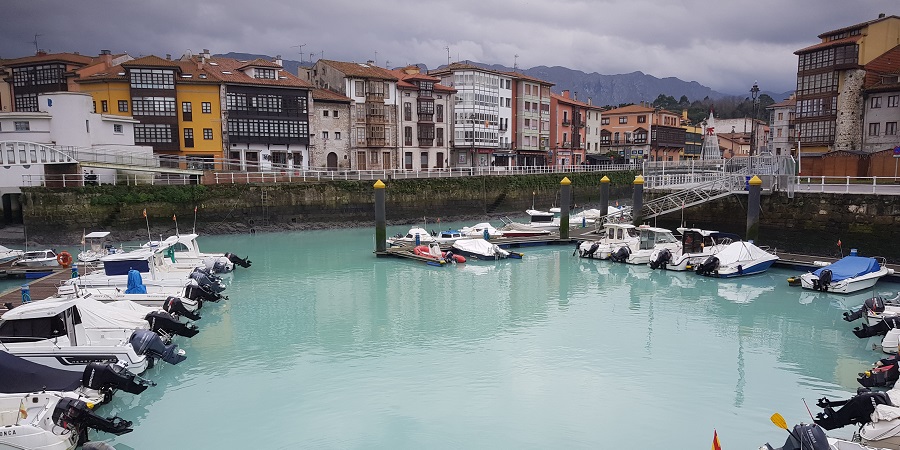
Port of Llanes
In the 18th century, the town’s economy began to decline, partly due to the continuous wars and the introduction of conscription into the Royal Navy, which took 4seafarers to serve in the Royal Navy.
In the 19th century, during the War of Independence, French troops entered Llanes and hostilities began immediately, with Don Blas de Posada commanding the Llanes troops. In 1809, French troops entered Llanes, burning its archives and the palace of the Dukes of Estrada. Llanes fell into French hands several times during this century, notably during the Battle of the River Purón. The Liberal Triennium led to some parishes being established as independent municipalities. In the mid-19th century, the large-scale emigration of people from Llanes to the colonies is particularly noteworthy. The end of the century saw the completion of several projects, such as the San Pedro promenade (built in 1847), the municipal hospital, the covered market, and so on.
In the 20th century, industrial activity was limited. During the Spanish Civil War, major battles were fought on the peaks of the Llanes mountains. The Republican troops were defeated and the council, which had been in the hands of the Popular Front, was conquered by Franco’s troops.
In Llanes, a group of brick-tile craftsmen (Tejeros)emerged who became very popular, and whose work was valued and sought after not only in Asturias but also in León. They would leave the town in groups or teams in May to head for the mountain pastures or villages that had requested their services; they would return home in September. They carried with them the tools needed to make the tiles, which were produced on the very spot where the order had been placed. The people of the hamlets or mountain pastures helped by cutting the vegetation for fuel in the kiln and floor tiles at a rapid pace. The presence of these tile-makers is linked to the decline with tiles, as it was becoming increasingly difficult to find skilled thatchers.
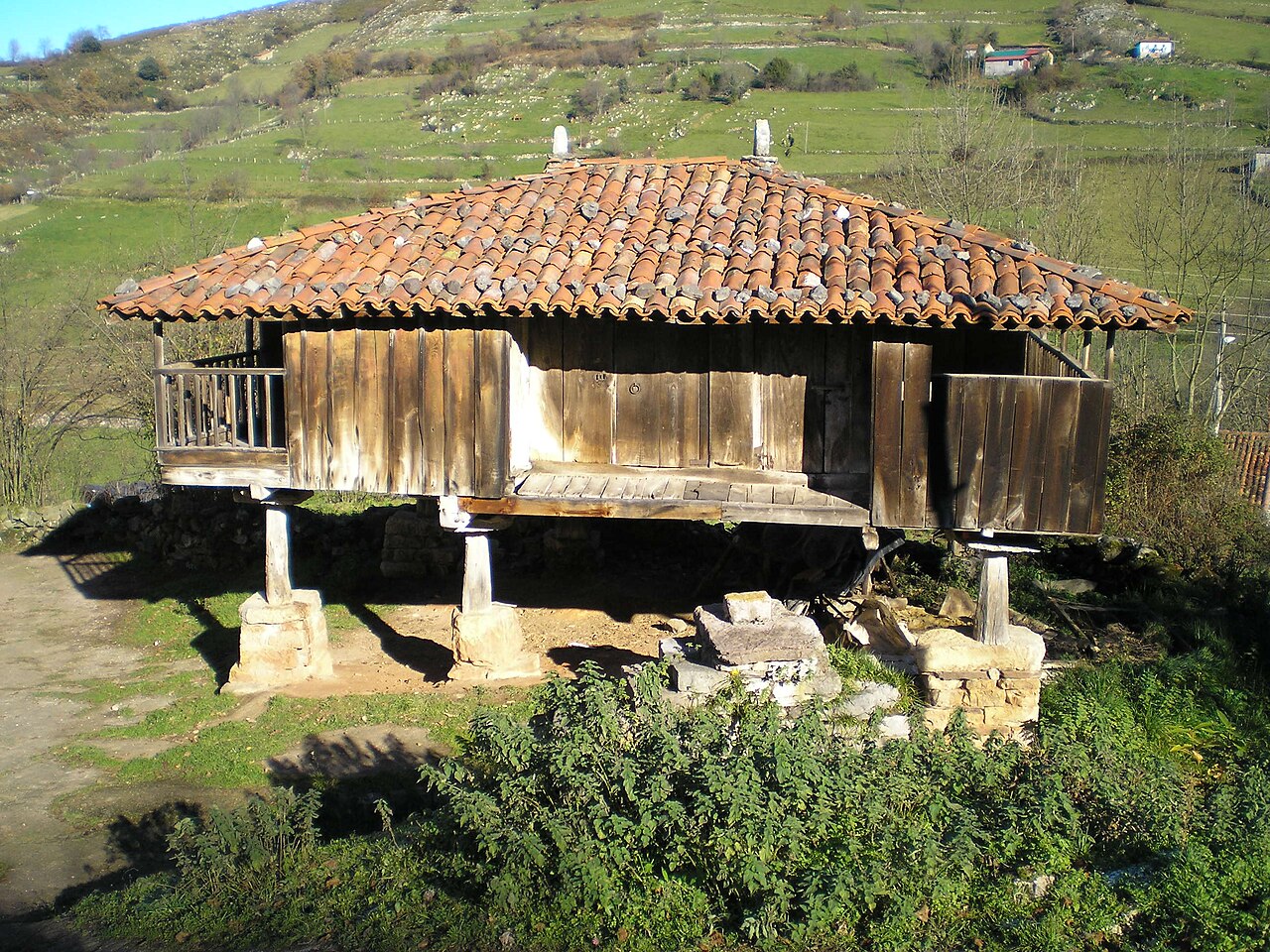
Asturian granary with a tiled roof (named Panera)
The existence of the tile makers of Llanes is documented in the 18th century in the Catastro de Ensenada, which records 950 tile makers:
"There are many farm labourers who work in the tile factory every year, from 4mid-May to mid-September."
Llanes boasts an extensive artistic heritage comprising churches, mansions, 4palaces and houses. Among these, the following stand out:
The Palace of the Count of Vega del Sella, 18th century. The Torrexon de los century. The Convent of the Augustinian Nuns. The monument dedicated to Egido Gavito Bustamante, Mayor of Poo. The Mansion of Sinforiano Dosal. The House of he Lions, Villa Flora, 1906. La Rula, 1935. The Casino Theatre Society. Two m4onuments, in tribute to the Republicans of the Civil War and to the Condor Legion. The Mendoza Cortina Palace. The Partariu Palace.
Llanes boasts outstanding historical monuments and notable traditions. It is a traditional fishing port. It also p4reserves part of its city walls, and within its walls (the historic centre) there are important monuments, such as:
The Basilica of Santa María del Concejo
The House of Rivero
The Palace of the Count of Vega de Sella
The Palace of El Cercado.
Today, Llanes still has an active fishing port and its economy is sustained by tourism. It has shops, restaurants, bars and a wonderful seafront promenade, the San Pedro promenade, on the cliff.
Furthermore, a recent work is worth mentioning: the ‘Cubos de la Memoria’ (Cubes of Memory) by the Basque painter Agustín Ibarrola. This is an original, somewhat controversial idea, in keeping with Ibarrola’s style, which involved painting the concrete blocks protecting the town’s harbour with various motifs.
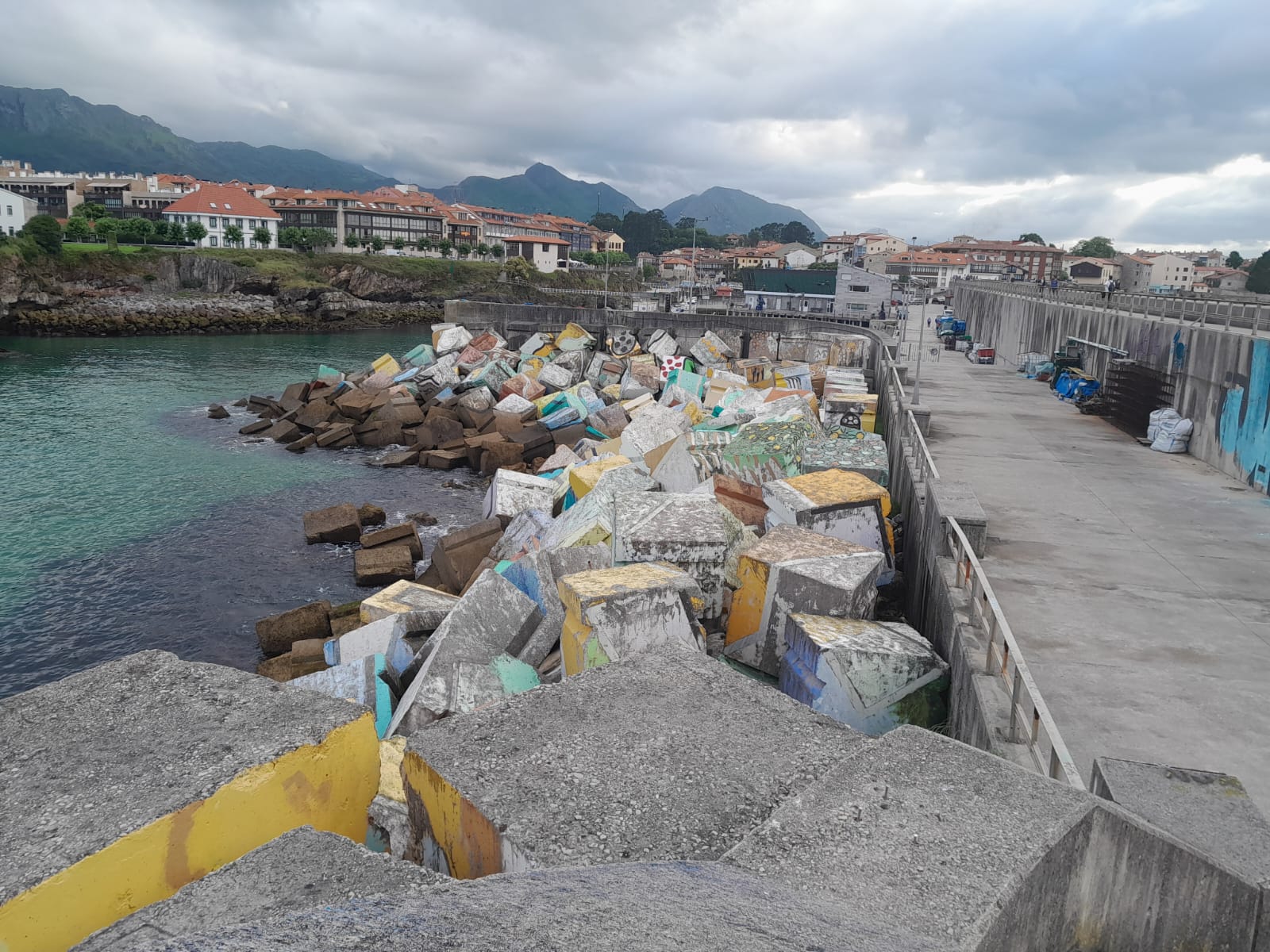
Cubes of memory
Llanes’s cuisine features dishes such as ‘langosta a la llanisca’ (Llanes-style lobster), baked sea bream and sea bass, ‘verdinas con marisco’ (green beans with seafood), ‘fabada asturiana’ (Asturian bean stew), ‘pantruque’ (a dish made from cornmeal and bacon) and desserts such as ‘arroz con leche’ (rice pudding) and ‘casadielles’.
You can also order the typical ‘Cachopo’ (two large veal fillets, traditionally stuffed with Serrano ham and cheese, coated in flour, egg and breadcrumbs, and finally fried.
And one very typical event in Llanes is the river fishing competition to catch the first salmon of the year, known as the ‘Campanu’. It is known by this peculiar name because, years ago, when the first salmon was caught, all the churches would ring their bells to announce the event.
In 2025, the fisherman Javier Bueno caught a salmon weighing 6.89 kg and measuring 83 centimetres. He caught it in the River Narcea.
The restaurant ‘La Finca’, in Oviedo, purchased this Campanu from 2025 and paid 10,000 euros for it.
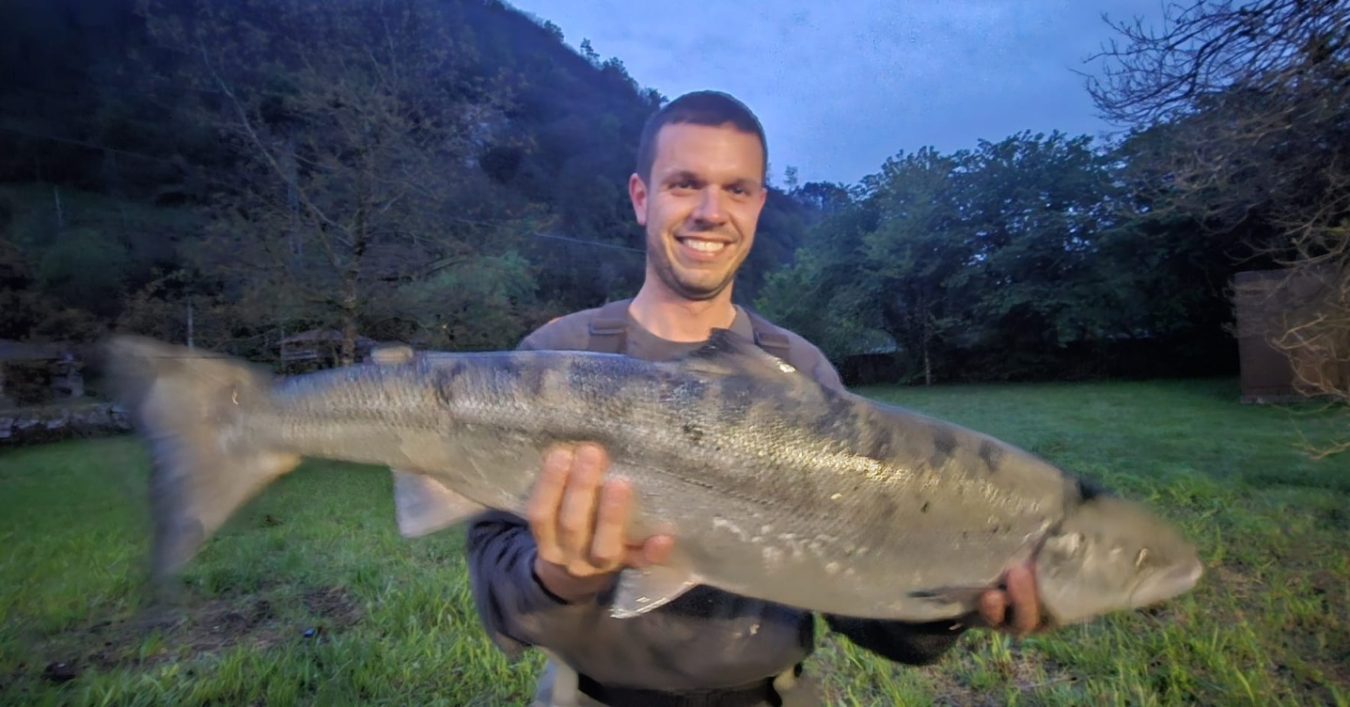
Javier Bueno with the Campanu (2025)
This year’s competition will take place from 18 April to 5 July.
How can you get to Llanes? :
By road (A-8): Llanes is well connected via the Cantabrian motorway, which links the Basque Country with Galicia via Asturias.
By bus (ALSA): There are regular services from cities such as Gijón, Oviedo, Santander, Bilbao and even Madrid.
From Santander Airport (the closest to Llanes): About 90 km from Llanes. Ideal for flying in from other Spanish or European cities.
Car hire: A convenient option if you’re arriving by air or want to explore the area at your own pace.
Access from the Northern Way: Many pilgrims arrive on foot, as Llanes is a key stop on this route.
Well, I hope you’ll be able and willing to visit Llanes and other towns in Asturias to enjoy their scenery, cuisine and other wonders.
2
Like
Published at 9:51 AM Comments (0)
Between the cold and the heat
Thursday, April 9, 2026
In Spain, we are lucky enough to have a variety of landscapes (mountains, beaches, deserts...) and we Spaniards can be proud of that.
But today I want to tell you about Sierra Nevada, a ski resort famous all over the world, one of the best in Europe and surely in the world.
And I want to talk to you about it today because this past Easter was the third-best Easter in its history, with 78,900 skiers and a hotel occupancy rate of 71%. It has 70 kilometres of skiable terrain and is expected to remain open until 3 May.
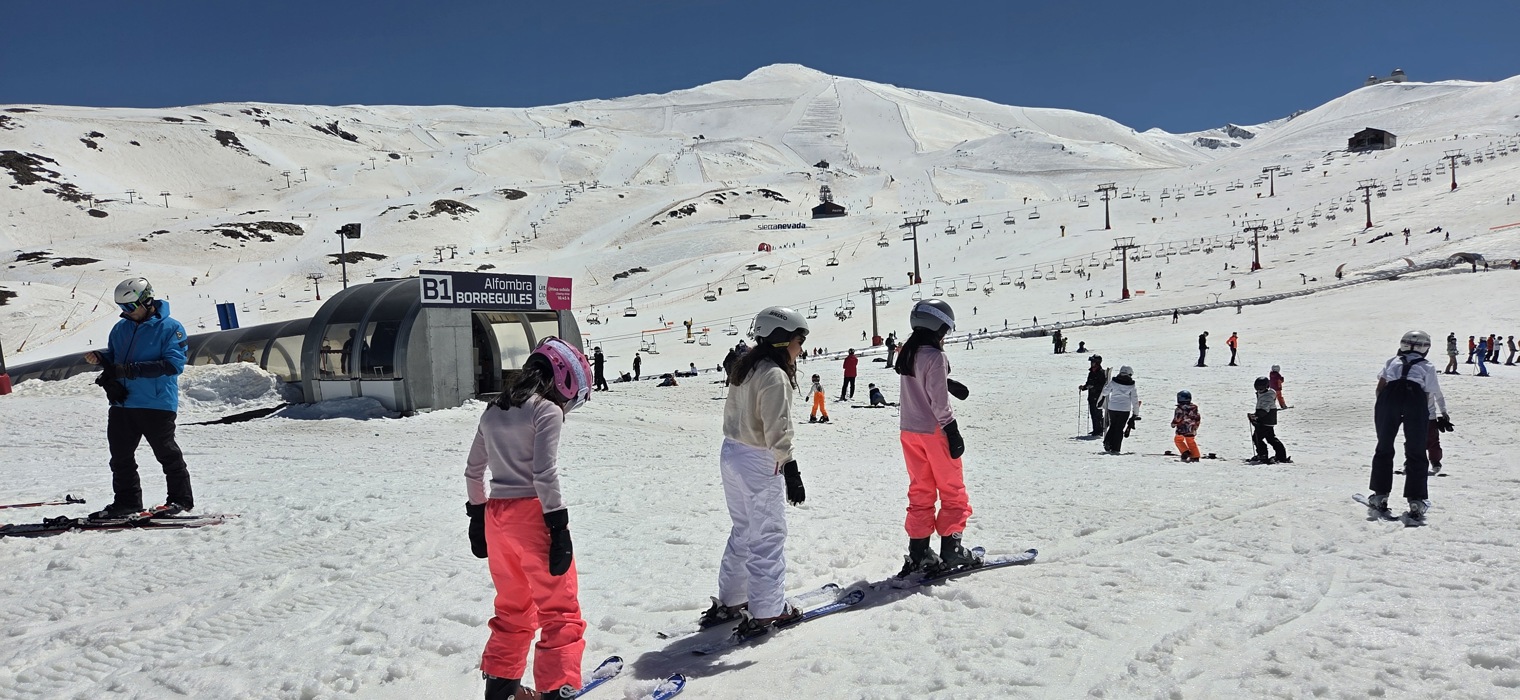
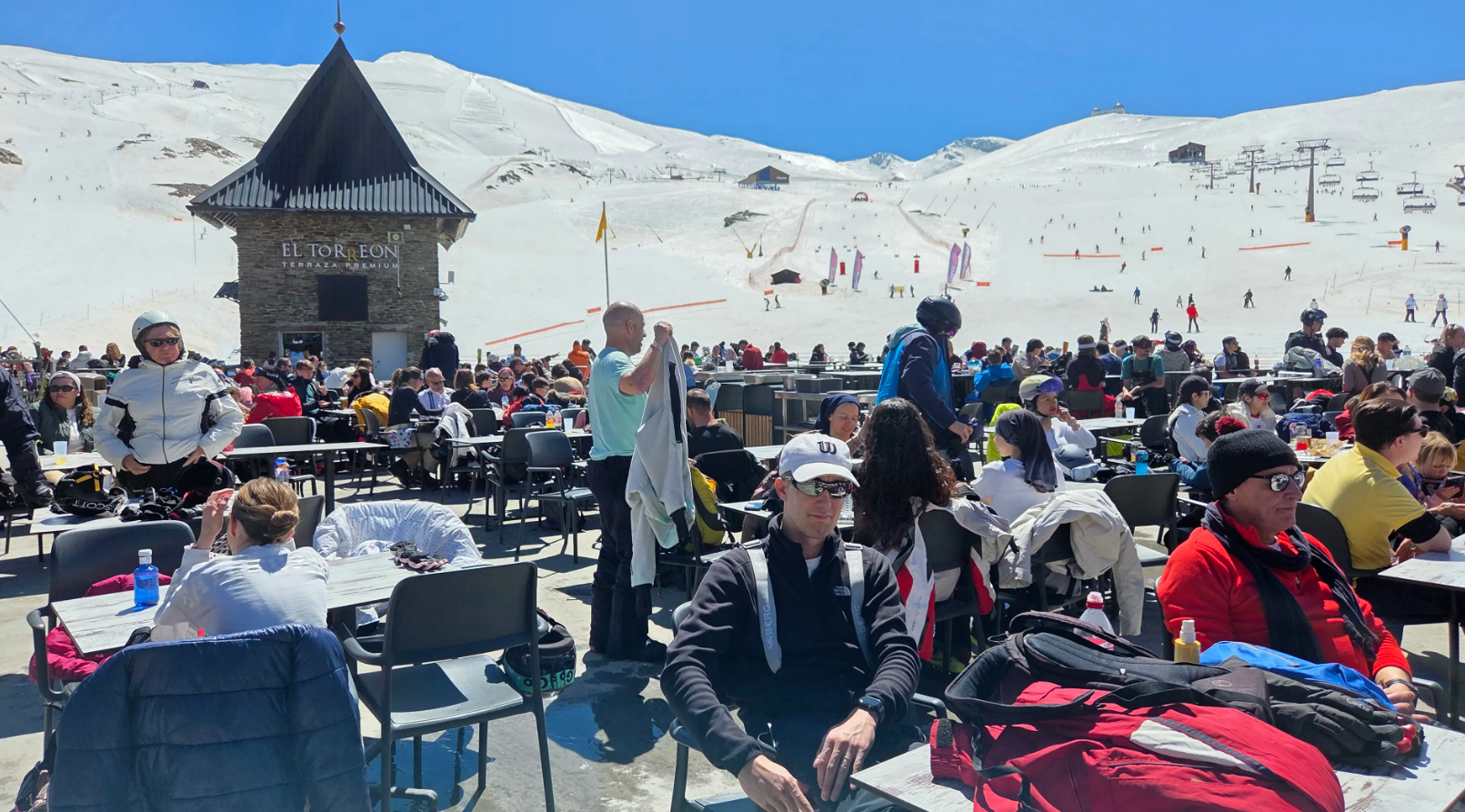
I don’t like snow; I prefer the beach, but I’m glad there are people skiing, just as I’m glad there are others sunbathing or swimming at the beach, because I’m glad people are happy, having fun and appreciating life, because that’s the greatest thing we have. It’s a cliché to say that ‘the most important thing is to be healthy’, but it’s true and now I know it better than I did before I had cancer; but thank God my condition isn’t serious and perhaps that’s why I can appreciate life more.
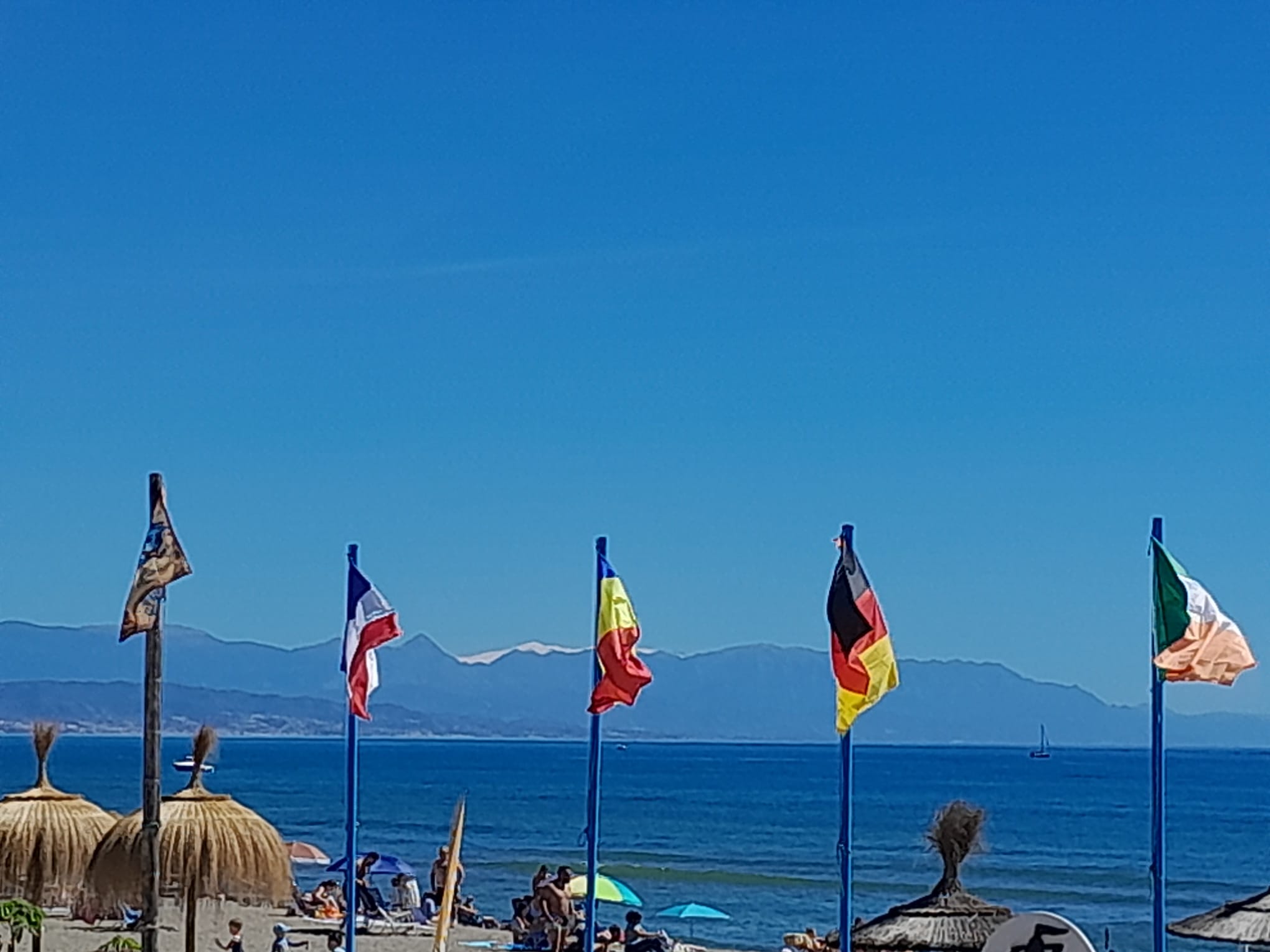
Last Sunday the 5th, you could see Sierra Nevada covered in snow from a beach in Torremolinos (Málaga). It was a curious sight, on 5 April, and that’s why I wanted to share it with you.
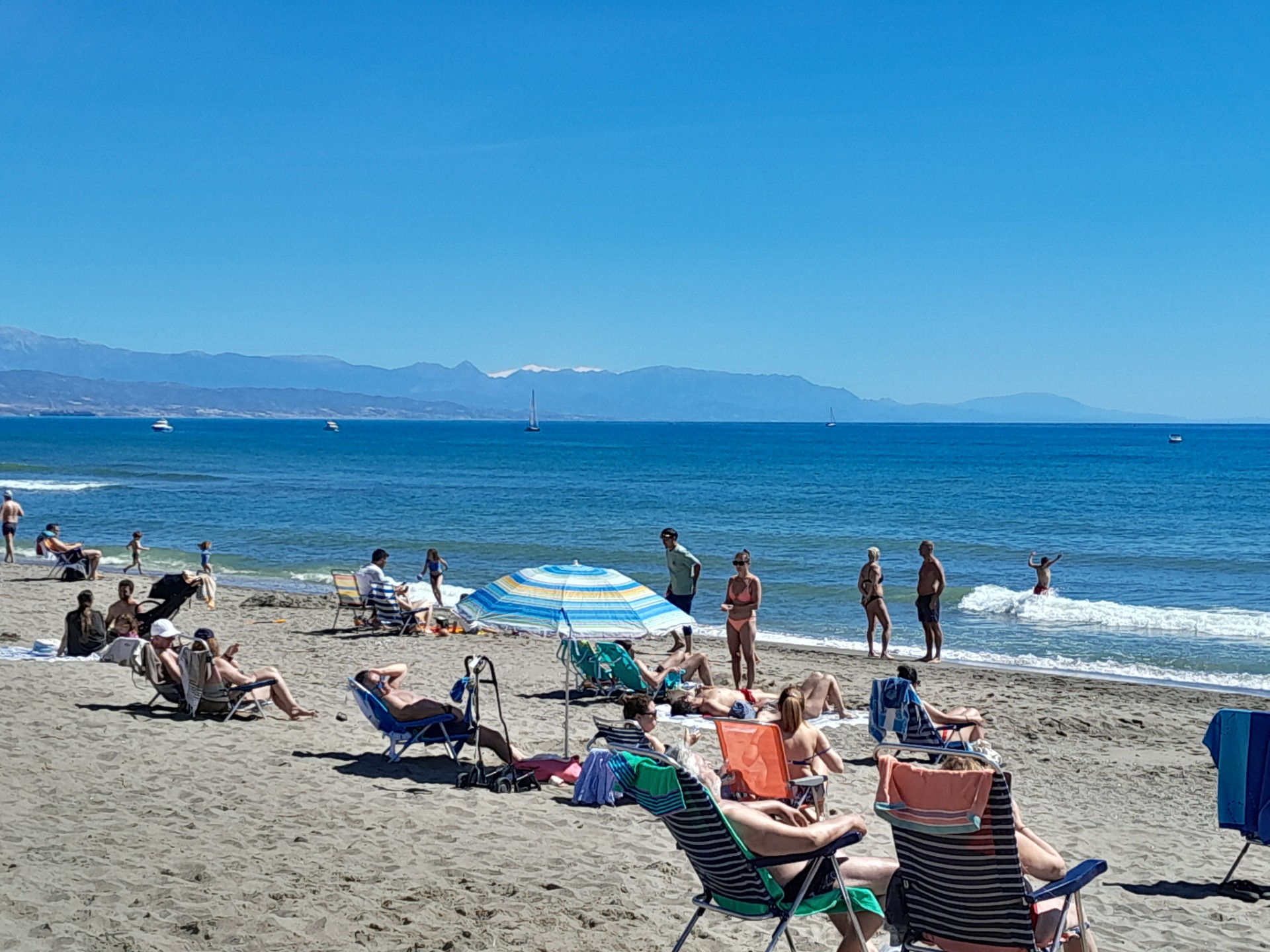
It was a wonderful day, with spectacular weather: blue skies, pleasant temperatures, beautiful colours, a calm sea and people enjoying themselves.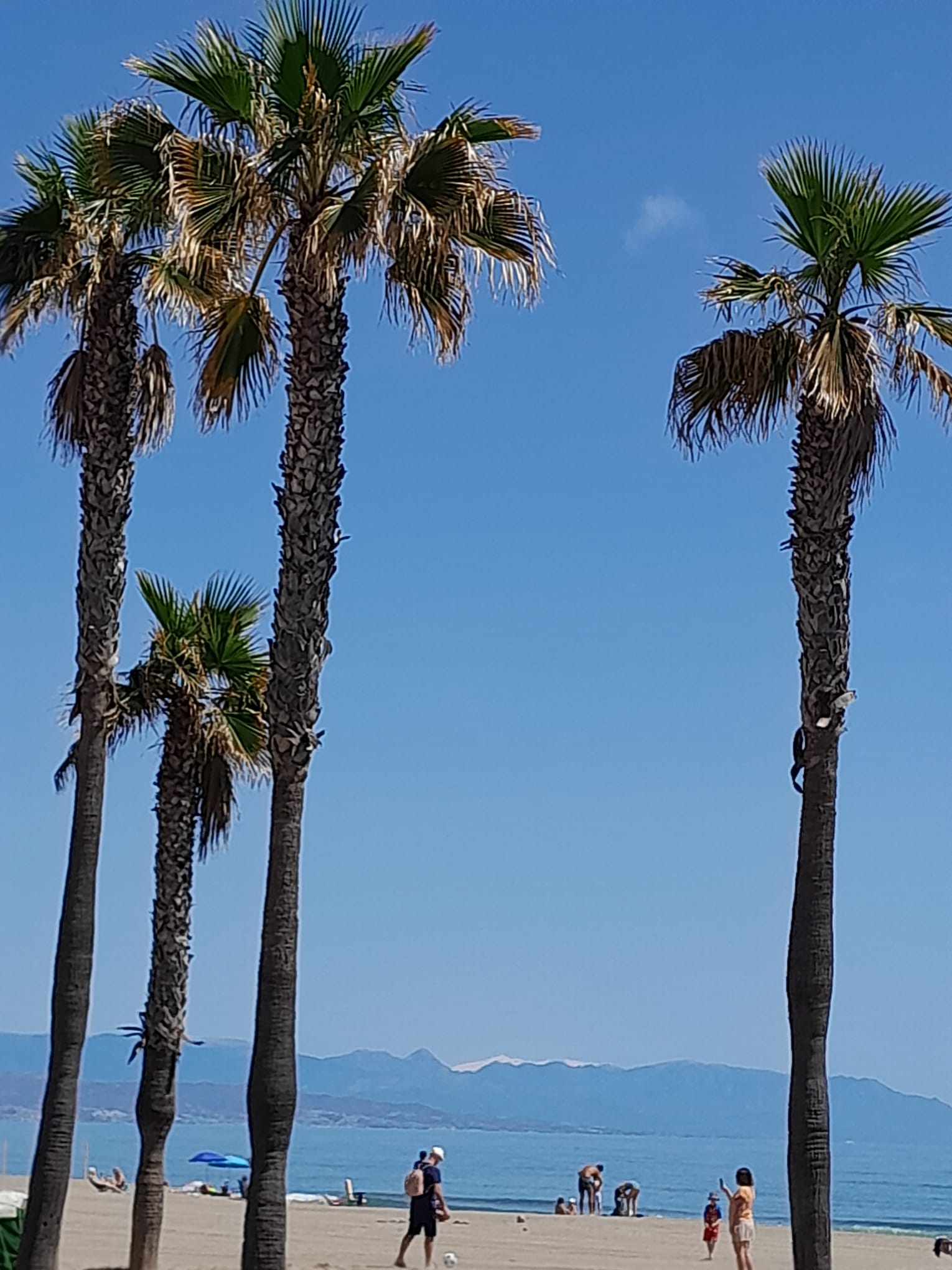
I know that many foreigners live on the Costa del Sol, and others come to sunbathe and enjoy our varied and wonderful cuisine. Because Spain has a long history, rich in a wide variety of cultures that have enriched our country; because it is true that diversity brings greater quality, including in the mixing of races; for that reason, I believe that foreigners should be welcomed to Spain. As a Spaniard, I feel proud that so many people from abroad come to visit us; it is a real honour.
I hope that with this post, I can reassure those who are unsure about whether or not to come to Spain: don’t hesitate, because here you will find hospitality and friendliness, as well as good weather, great food and beautiful beaches – we have been world leaders for many years, holding the record for Blue Flag beaches. Our beach facilities and campsites are constantly improving. We also have many hotels offering activities for children.
3
Like
Published at 10:08 PM Comments (1)
The Miracle of a Donation
Thursday, January 22, 2026
On 14 December 2025, I listened to a radio programme about kidney transplants and was impressed by the magnificent work done by healthcare professionals in Spain to save lives —or at least to improve the quality of life of thousands and millions of people—, in general, but particularly in the case of dialysis patients in hospitals who are waiting for the generous donation of a kidney.
As a Spaniard, I am proud because, for several years now, Spain has been a leader in organ transplants.
"Spain is a world leader in organ donation and transplantation, for 34 consecutive years, thanks to a model coordinated by the ONT (National Transplant Organisation), which prioritises family awareness (85% acceptance), altruistic and anonymous legislation, and the crucial role of nurses and hospital coordinators, allowing for continuous transplant records and donation rates above the European average, even with older donors."
In 2025, Spain performed a total of 6,335 organ transplants -- 2% less than in 2024.This represents 129 transplants per million inhabitants, compared to 132.8 in 2024.
Last year, 2,547 people donated their organs after death. 408 people donated while alive (402 kidneys and 6 liver parts).The rate of deceased donors reached 51.9 per million inhabitants (higher than in other countries).
By type of organ, last year there were: 3,999 kidney transplants, 1,276 liver transplants, 556 lung transplants, 390 heart transplants, 103 pancreas transplants and 11 intestinal transplants. Heart transplants increased by 12% compared to 2024.
The level of excellence of the Spanish transplant system is based on three pillars: the solidarity of the public, a universal public health system, and a management model that revolves around the figure of the hospital transplant coordinator, usually an intensive care physician, and which operates with the ongoing support of the ONT and the Regional Transplant Coordination Centres.
In the programme I listened to, they talked about kidney transplants.
A journalist from the programme went to the Hospital Universitario de la Princesa in Madrid and spoke to Borja Quiroga (a Nephrology specialist). The journalist asked him how many days a week people undergoing dialysis attend. Borja replied that ‘Chronically ill patients attend dialysis three days a week, four hours a day. And so it continues until those who are able to do so receive a kidney transplant. It should be noted that our kidneys, when healthy, function 24 hours a day, seven days a week".
Dr Quiroga told the journalist that ‘patients on dialysis are on a waiting list until a compatible kidney donation becomes available. Dialysis therefore supplements the function of the kidney so that it can work properly for at least 12 hours a week’. He also commented that ’a healthy kidney filters 180 litres of urine every day".
He also said that ’to receive a kidney transplant, it is not necessary to go through the dialysis unit. Living transplants are performed around the world, and increasingly in Spain. Most of these donors are relatives --in some cases they are not related, for example a friend, and in some very specific cases there have been altruistic donors (people who say: ‘I want to donate my kidney to whoever needs it most’, and that is something crazy that sometimes happens)--". After this, the journalist asked him if that means that in many homes there are potential donors, but that perhaps they do not dare to take the step forward. Dr Quiroga replied: ‘That is our struggle: to make family members understand the importance of donating a kidney, because if you donate a kidney, you will be able to live a normal life, you will not have complications, it is an act of generosity, there is a surgical procedure, of course, but we need more generosity, because there are patients on dialysis and dialysis ultimately shortens life more than transplantation’.
Dr. Quiroga shows the journalist the dialysis machine, which he says is a purifier; this machine extracts almost half a litre of blood from the patient per minute. This blood enters the machine and passes through a ‘dialysis filter’, a piece of plastic made up of thousands of millimetre-long hollow threads. A liquid passes in the opposite direction, through the ‘dialysis fluid’, which balances what enters this fluid and the blood that enters through the other channel, so that when the blood leaves through the dialysis line (the small tube through which the blood exits), it is completely purified; and this purified blood is returned to the patient".
Isabel, the journalist, asks him, ‘What is the useful life of this machine?’ and Dr Quiroga replies: ‘This machine has been in operation for 168,000 hours, which is 19 years. So, if we have known about dialysis in Spain since the 1970s, we can imagine how many people this machine has been able to help...’.
Dr Quiroga also talks about the emotional strain seen in a dialysis ward, because some patients have complications. He says that some patients become very discouraged, because dialysis ages the person and some patients abandon dialysis. He adds that the treatment is hard, not only because of the treatment in the hospital, but also because many patients live far from the hospital, in a village, and therefore have to wake up at dawn to arrive very early for their dialysis session; for example, in the province of Guadalajara, where distances are enormous, a patient may have to travel from a village far from the capital, where the hospital is located, and arrive at the dialysis room at 8 o'clock in the morning. This means that the patient has to wake up at 5 o'clock in the morning, which adds a lot of emotional stress.
On another day, Dr Quiroga was on the radio station, talking about kidney transplants with the programme presenter.The presenter asked him if he knew of any cases of a husband or father who was afraid to donate a kidney to his wife or child, and Dr Quiroga replied: "We don't talk much with family members, but fear is natural and it's normal for them to be afraid to donate, because it's a surgical procedure and there are certain risks involved, but the benefits outweigh the risks. And family members need to know that the risk after donating a kidney is zero, that the donor can continue to live a completely normal life; you can live perfectly well with only one kidney."
The programme also featured two sisters (Marta and Elena), now adults, married and with children. Marta began to suffer from kidney disease and Elena spoke to Marta, saying: ‘You're not going to need dialysis, because I'm going to donate a kidney to you.’ And that's what happened. Naturally, Elena's children were a little scared, because their mother had to go into surgery. But the operation went very well.
Dr Quiroga explained that in the hospital they have to analyse the compatibility between the donor and the recipient. They also have to check that the donor does not have any diseases (such as diabetes) that could cause complications in the future.
In this regard, Marta knew that her husband could not donate a kidney to her because he had antibodies. Neither could her children donate to her. So the only option left was her sister Elena. After the Covid pandemic, Marta's kidney condition had worsened, making it urgent for her to start dialysis. That is why Elena did not hesitate to donate her kidney, despite being concerned because she has four children.
Dr Quiroga explained that, ‘in addition to being genetically identical, these two sisters, although not twins, underwent a new technique based on stem cell implantation so that Marta could adapt to Elena's cells and thus reject the immunosuppressants (medications accumulated over time)’.
The programme presenter told Dr Quiroga that the kidney transplant was possible thanks to the public health system, and Dr Quiroga replied: ‘Of course, without the public health system it would be impossible to manage a donation’.
3
Like
Published at 4:03 PM Comments (0)
A TOOL AGAINST PAIN AND LACK OF MOBILITY
Sunday, December 28, 2025
A few days ago, on a radio programme (‘La tarde’ on COPE), Pilar García Muñiz and Javi Nieves spoke with the Spanish elite athlete Carlos Martínez, world champion in 3x3 basketball.
They talked about Mari, the lady who looked after Carlos when he was a child. She saw him being born, growing up, studying and becoming an athlete. Now Carlos is a man and wants to repay her for her efforts and affection.
Mari is 85 years old and, until now, had been suffering from a lot of pain and very limited mobility. But thanks to Carlos, who is not only an athlete but also a businessman, that has changed.
After many years of research in Asia and a lot of hard work, Carlos has managed to create an exoskeleton so that Mari can walk again, without pain and without crutches.
The first day Mari tried the exoskeleton, she was thrilled; right after putting it on, her first words were of disbelief and joy: ‘This is one of the best moments of my life. An hour ago, I couldn't walk,’ said Mari, as she moved around without assistance, something that had previously seemed impossible. She repeated, amazed: ‘I'm not in pain,’ happy to be able to move without crutches.
This exoskeleton was created by Carlos with his company WellBeinn. The aim was to create a device that was not only for leisure, but that ‘really accompanies you throughout your rehabilitation.’ In this regard, Mari talks again about her experience with the exoskeleton: ‘You know what I notice? I have no pain in my groin. My groin used to bother me, but not anymore.’
Technically, this device assists with the first movement made when walking: hip flexion. Carlos describes it as if someone were ‘lifting your legs, one after the other’. It even has an interactive AI model that anticipates movement.
The sensation, Carlos explains, is similar to ‘walking in a swimming pool,’ as it takes weight off the body and provides stability. It is made of carbon fibre, weighs less than 2.5 kilograms, and its weight is distributed throughout the body, so it is barely noticeable.
The device runs on a battery that offers between 20 and 25 kilometres of autonomy and is easy to charge. The power is adjustable, so it can be adapted to each person's needs.
You can start with a high power setting to provide the necessary momentum and gradually lower it as the body rehabilitates and even ‘builds up resistance, so you can train that hip flexion’.
The goal goes beyond walking. Carlos emphasises that he wants Mari's body to ‘re-educate itself, regain its balance and regain its muscle strength’. Although it does not cure structural problems, it can strengthen and ‘regain that confidence’.
The athlete has been cautious about its application in cases such as stroke, Parkinson's disease or muscular dystrophy, recommending that a team of physiotherapists evaluate each particular case through the company's website.
Thanks to the video they recorded of Mari and the volume of production, the price of the exoskeleton has been reduced from €3,000, with financing options available. The product is currently sold out for the second time, and pre-sales have been opened so that it can be reserved.
On the one hand, Carlos remains focused on his career as an elite athlete, but at the same time he has developed his life as an entrepreneur, which he initially “hid” for fear that it would be interpreted as a lack of commitment to sport, a prejudice he has now decided to ignore.
Carlos was very excited to be able to help Mari, so that she would no longer suffer from her situation. Furthermore, for him, Mari is much more than the woman who took care of him as a child. ‘She is one of the women in my life,’ he confessed in the interview. Their relationship has endured over the years, even after he left home at a very young age to pursue his sporting dream.
‘Whenever I come back, I'm at her home every week, sometimes even every day,’ explains Carlos, who jokes that he still takes Tupperware from her house. The bond is so strong that she was the one who accompanied him to choose his engagement ring.
4
Like
Published at 10:15 PM Comments (0)
The greatness of seeing and hearing life
Monday, December 8, 2025
Yesterday, I listened to an impressive radio programme. A journalist and a writer, a regular contributor to the programme, went to a centre of the ONCE (Spanish National Organisation for the Blind), in Madrid, to talk to EBO (Compulsory Basic Education) students.
There were eight students in the classroom, all aged 18 or under (after that age, they have to go to another centre). All of them were deaf and blind. The journalist and the contributor spoke to the teacher, who explained that some students make sounds but have not yet learned to speak (when they are young) because they have not learned our language. They use the Braille system, via a computer with an adapted keyboard, but also using the palm of their hand as a means of communication between themselves and the support person each of them has. Because, as a Spaniard once said: ‘Their world begins at their fingertips’.
The work carried out by ONCE is wonderful because, until the end of the 19th century, these blind, deaf and deafblind people were usually confined to their homes, isolated from the world. But now, thanks to ONCE and other organisations, we know that these people are capable of living happily, despite their enormous difficulties.
At the end of the 19th century, Hellen Keller, a 7-years-old American girl, began to lose her sight and hearing. Her parents sought help and went to a centre for the blind in the United States, where they were sent to a therapist, Anne Sullivan, who began to work on communication with Hellen. One of the exercises she did was to take Hellen to a water fountain, put her palm under the water and then wrote the word “WATER” on her palm. When Hellen grew up, she became a writer and political activist.
Returning to the ONCE Centre, the journalist and her colleague spoke to a 34-years-old man, Javier, who lost his sight and hearing at the age of 13. His father took him to ONCE, where he was assigned a psychologist who talked to him about working on ‘climbing’, that is, improving Javier's abilities so that he could build as stable a future as possible. The psychologist asked him, ‘Javier, do you want to resume your studies?,’ Javier replied: ‘Yes’. Javier then finished his secondary education with a grade point average of 10. He then studied for a double degree in Law and Business management. As he was attracted to the Erasmus programme, he went to London and enrolled in an English language school ---his classmates looked at him strangely, but he had no complexes---. Javier had to make a great effort, although he had the help of a therapist. And he was the first deafblind person in Europe to participate in Erasmus.
Javier currently works in the Institutional Relations department of ONCE. He is married and has two young children.
As he spoke ---which sounded strange, because he couldn't hear himself---, I couldn't understand how he could understand the questions from the journalist and the collaborator; but, at the end of the interview, the collaborator explained that Javier had the help of a therapist at all times, who translated each of the questions for him in real time. For example, the collaborator asked him how he knew when to correct himself if he was speaking too softly or too loudly. He replied: ‘If I speak too softly, my therapist slides her hand from my forearm to my shoulder. And if I speak too loudly, she slides her hand from my shoulder to my forearm.’ But the collaborator said that the therapist did not want to be in the spotlight, so she did not speak or give her name.
Another thing Javier mentioned was that blind people walk down the street with a white cane, but deafblind people carry a red and white cane.
When the programme ended, I was impressed because I didn't know about the work that ONCE does. And I'm glad that programmes like this give visibility to these people, who seem not to exist, but they are among us and they also deserve to be happy.
That's why those of us who, thanks to God, don't have these disabilities must appreciate THE GREATNESS OF SEEING AND HEARING LIFE.
4
Like
Published at 10:28 AM Comments (0)
Spam post or Abuse? Please let us know
|
|